Brick & Block

Brick & Block covers practical how-to guides for masonry projects, from small repairs to building simple walls.

You’ll find articles on mortar basics, mixing and tooling joints, setting bricks/CMU blocks, fixing cracks, and common beginner mistakes. I focus on real-world steps and materials that actually work on site.

If you’re planning a brick, block, or mortar project, start here and work your way through the basics before you jump into the more specialized guides.

Worker tying rebar with pliers on gravel base

Concrete Block Reinforcement Basics: Rebar Placement, Grout, and Bond Beam Logic

Introduction Concrete block reinforcement is the practice of adding steel bars, grout, and bond beams to strengthen block walls. This article covers where rebar goes, how grout fills the cores, and why bond beams matter in a DIY project. Stay practical and safety-minded: check local rules and follow manufacturer guidance when placing rebar and mixing

Concrete Block Reinforcement Basics: Rebar Placement, Grout, and Bond Beam Logic Read More »

Empty painted concrete pool shell near rocky coastline

Grouting Concrete Block Cells Successfully: Mix, Lift Heights, and Blowout Prevention

Introduction Grouting concrete block cells means filling the hollow cores with a cement-based mix to bond the wall. Do it after laying block when the mortar joints have set enough to hold but before finishing. Check manufacturer guidance and local codes for your mix and curing. Key takeaways Choose grout type based on block voids,

Grouting Concrete Block Cells Successfully: Mix, Lift Heights, and Blowout Prevention Read More »

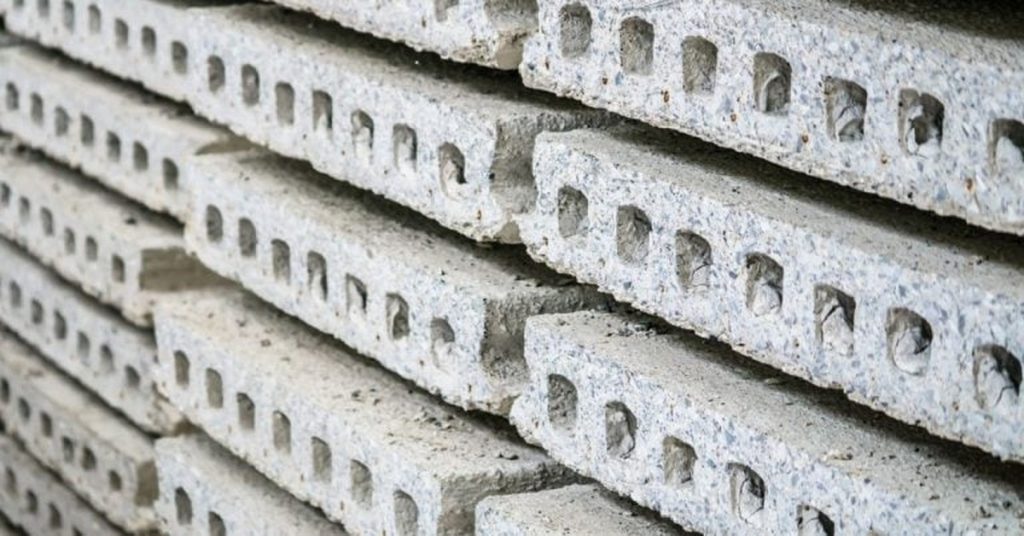
Stacked hollow core concrete slabs with rectangular voids

Anchoring Into Hollow vs Grouted Concrete Block: Fastener Picks and Pullout Reality

Introduction Anchoring into hollow vs grouted concrete block means picking fasteners and installation methods based on whether the block cavity is hollow or filled with grout. In practice, you’ll need different anchors and installation approaches for hollow blocks versus solid, grouted blocks. Always check product labels and manufacturer instructions for proper use, load guidance, and

Anchoring Into Hollow vs Grouted Concrete Block: Fastener Picks and Pullout Reality Read More »

Drill bit partially inserted in concrete dust pile

Sleeve Anchors in Concrete Block Without Cracking Faces: Edge Distance and Drill Control

Introduction Sleeve anchors are expansion fasteners used in concrete block to grip the wall, and proper edge distance and drill control help prevent cracking of the face. When you install them, always check the product label and manufacturer instructions for edge distance guidelines and drill depth. Use a steady drill pace, keep the hole clean,

Sleeve Anchors in Concrete Block Without Cracking Faces: Edge Distance and Drill Control Read More »

Worker applying plaster to wall with trowel

Smoothing Interior Concrete Block Walls: Skim Coats, Bonding, and Moisture Concerns

Introduction Smoothing interior concrete block walls means applying a skim coat to create a flat, paint-ready surface. It’s a light, even layer that fills small voids and helps the wall accept finish coats. The key is good bonding and proper moisture handling before you start. Lean on simple steps: clean and rough up the surface,

Smoothing Interior Concrete Block Walls: Skim Coats, Bonding, and Moisture Concerns Read More »

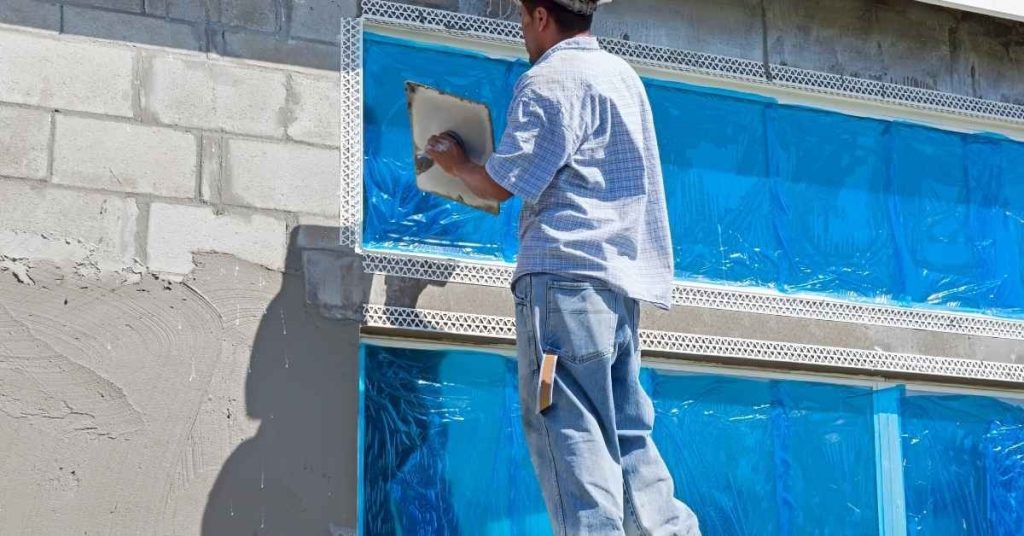
Worker applying stucco over concrete block wall near blue covered windows

Stucco Over Painted Concrete Block: Adhesion Tests and Prep That Prevents Delamination

Introduction Stucco over painted concrete block requires proper surface prep and adhesion testing to prevent delamination. We’ll walk through simple checks you can do with basic tools to judge if the old paint will hold and what to rough up or clean. This is a hands-on, DIY-friendly overview, not a full contractor guide. You’ll start

Stucco Over Painted Concrete Block: Adhesion Tests and Prep That Prevents Delamination Read More »

Close-up of a rough gray concrete surface

Concrete Block Retaining Walls for DIY: Drainage Rock, Fabric, and Failure Warning Signs

Introduction A concrete block retaining wall is a simple, built-up wall made from durable blocks that holds back soil. For DIY installations, drainage rock behind the wall and landscape fabric help water escape and keep pressure in check. Always read product labels and manufacturer instructions, and follow local rules for materials and installation where applicable.

Concrete Block Retaining Walls for DIY: Drainage Rock, Fabric, and Failure Warning Signs Read More »

Long, multi-tier stone-retaining wall with blue metal posts.

Building a Small Concrete Block Garden Wall: Footing Size, Layout, and Cap Details

Introduction A small concrete block garden wall is a simple structure built with a footing, a straight layout, and a cap to finish. This intro will guide you through planning and basic on-site steps in plain, hands-on language. You’ll learn what to check on site and how to keep things level and sturdy as you

Building a Small Concrete Block Garden Wall: Footing Size, Layout, and Cap Details Read More »