Bull Float Timing: What the Surface Should Look/feel Like When You Start

Bull Float Timing: What the Surface Should Look/feel Like When You Start

Introduction

Bull float timing means starting the finish pass when the concrete surface has reached a light set and can accept a smooth, even stroke.

Getting this timing right matters because it prevents gouging, reduces edge pull, and helps you achieve a uniform surface as you work.

The guide walks you through how to judge the surface, what to look for as you begin, and practical tips and rules of thumb to control pressure, pace, and motion.

Key takeaways

  • Bull float timing ensures optimal concrete surface finish.
  • Start bull floating when bleed water appears on the surface (typically 1-3 hours after pour).
  • Look for a smooth, level surface with no visible aggregate or air pockets. Test by applying gentle fingertip pressure; the surface should be firm and consistent without soft spots.
  • Avoid over-bullfloating to prevent excessive water loss and weak concrete. Stop if you notice the surface becoming overly dry or developing cracks.
  • After bull floating, expect a smooth, uniform surface ready for troweling.
  • Adjust technique based on mix design (e.g., slower pace for high-slump mixes).
Table of Contents

Why Bull Float Timing Matters

The bull float’s job is rapid, uniform leveling and initial consolidation of the surface, which closes bleed water, brings up fine material, and begins smoothing without pulling material away from the very top. Start timing when the surface can support a light touch but before it shows strong sheen or set.

An early pass helps densify the surface and reduces micro-cracks and dusting, while also preventing a thin, chalky layer; a mid pass further firms without overworking, and a late pass risks pulling material or sealing the surface against proper finish. Appearance matters: timing controls uniform texture, avoids drag marks, controls exposed aggregate, and sets up a clean sheen rather than a rough or mottled look that undermines later toppings or brooming.

Goals of Bull Floating

The bull float is your first line of defense against uneven concrete surfaces. Its main job is to level out the bleed water that rises to the top and embed fine aggregate just below the surface, leaving a uniform layer for further finishing.

Catch the concrete at the right moment when it’s still workable but not so wet that it pulls material up from below. A well-executed bull float pass will leave a smooth, slightly damp surface with no visible marks or drag lines.

Consequences of Poor Timing

If you start bull floating too early, the concrete can pull up too much material and create a weak layer prone to dusting or cracking. Waiting too long means the surface will set faster than your float can work it, leaving marks that are hard to fix.

Starting late also risks creating micro-cracks in the concrete as you try to level out high spots, which can lead to durability issues over time. This weakens the surface and makes it more susceptible to wear and tear from traffic or weather.

In both cases, poor timing means extra work for later steps like troweling or stamping. You might end up with a rougher finish that needs more passes or even sanding down to smooth out imperfections. This can add hours of labor and potentially compromise the overall quality of your concrete project.
Back to top ↑

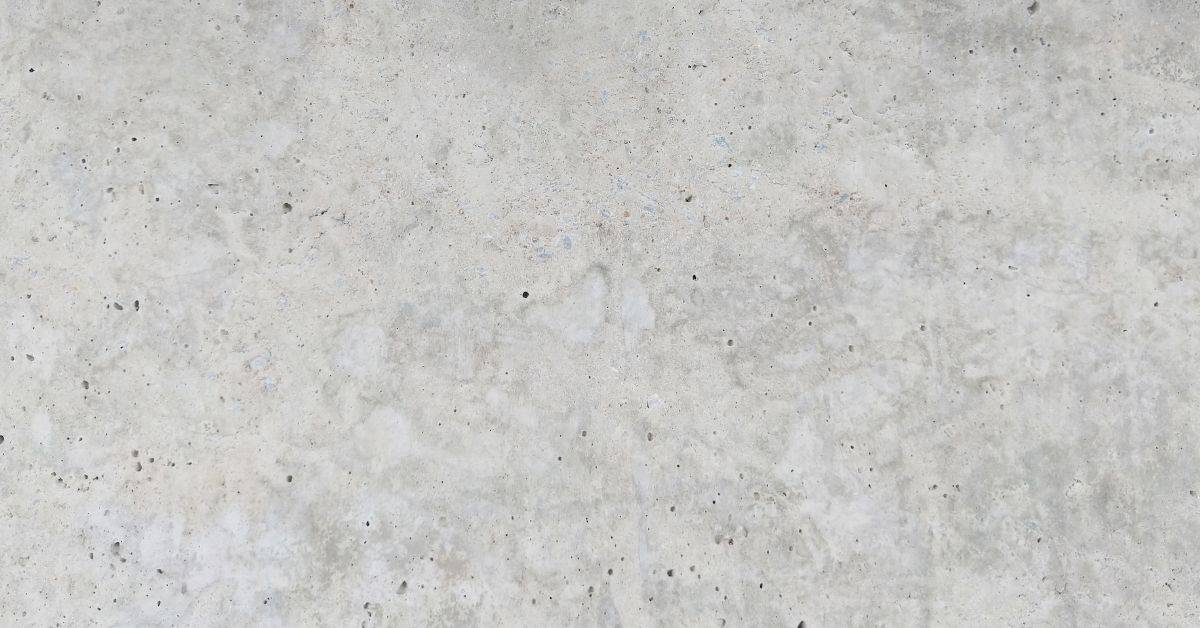
Close-up of concrete surface with small voids and irregular texture
Shows surface texture that indicates correct timing to begin bull floating

When to Start Bull Floating — Timing Basics

A simple rule: wait for the surface to show it’s ready. Use elapsed time as a guide, but judge by surface state: the color fades to a uniform light shine, the surface firms slightly to the touch, and there’s no excess bleed water or loose aggregate. Do a quick fingertip test for tackiness and whether you can press lightly without leaving a deep impression.

Bull floating comes after finishing and bleed control and before troweling. Hot conditions or thick slabs may shorten the window for bull floating, but this can vary. Start with small-area tests, pick foam or steel floats based on conditions, and use steady pressure, consistent strokes, and cross-direction passes to keep the surface level and prevent distortion.

Bleed Water vs. Set Time

Timing to start bull floating is a balance between waiting for bleed water to dissipate and watching the concrete begin to set. Bleed water should be mostly gone before you float, meaning the surface has firmed up enough that your finger can press into it slightly without leaving an impression.

When the shine fades and the surface starts looking duller, check if the concrete feels just firm but not hard underfoot. If you can press down gently with your finger and leave a slight mark without sinking in too deep, start bull floating. Ensure any loose aggregate or sand is worked into the mix before it sets.

Remember to watch for signs of initial set such as increased surface stiffness and reduced bleed water. Once the surface feels dry but still slightly tacky, you’re ready to float. This timing helps ensure a smooth finish without pulling up too much cream or aggregate from the surface.

Ambient-temperature Adjustments

Hot weather speeds up concrete setting, so adjust your timing accordingly. In high temperatures, bleed water may evaporate faster, making the surface look ready sooner than it actually is. Keep an eye on how quickly the surface firms up and watch for signs of initial set.

Cold or windy conditions slow down the process, giving you more time before starting to float. If it’s chilly out, wait a bit longer after finishing to ensure the bleed water has had enough time to evaporate. This extra waiting helps prevent premature floating that could cause surface imperfections.

Humidity also plays a role; in humid conditions, concrete may set slower due to less evaporation of moisture from the surface. Adjust your timing based on these factors and use your experience to judge when it’s right to start bull floating for best results.

Back to top ↑

Visual Indicators the Surface Is Ready

Key cues signal when to bull float: watch for a shift from glossy to matte sheen as water evaporates and look for an even dusting of fine aggregate.

A light drag test can help determine if the surface is ready for bull floating; it should feel slightly tacky but avoid areas that are too wet or sticky. Premature floating can pull up fine aggregates, creating an uneven texture. Waiting too long risks losing the ability to smooth out imperfections effectively.

Sheen and Gloss Changes

The surface starts glossy due to bleed water. As it dries, sheen shifts to matte. This change signals readiness for bull floating.

Edge Definition and Bleed Patterns

Notice clear edge definition where the surface transitions from wet to dry as bleed water recedes. Avoid dark patches indicating excess moisture; wait until these disappear before working with the slab.

A light drag test confirms if the surface is uniformly tacky and ready for floating.

Back to top ↑

Tactile and Sound Cues to Check Before Starting

Ensure the slab feels firm with uniform resistance across its surface before starting. Be cautious of any soft or hard spots on the surface, as these can potentially lead to issues in the final finish.

The float should glide smoothly without snagging on aggregate, indicating readiness. Listen for a consistent muffled scrape; avoid sharp sounds, air pockets popping, or material tearing.

Finger/boot Test Methods

Press your finger into the surface; it should leave a slight mark but not sink deeply. If too soft, wait longer.

Step on the slab with your heel for even resistance without sinking in around your foot. This ensures no unevenness that could cause problems later.

Float Feel and Drag Test

Drag a small bull float or straightedge across the surface; it should glide smoothly without snagging. Consistent resistance indicates readiness.

If areas drag more than others, these spots may be too soft and need more time to set up properly before proceeding.

Back to top ↑

Surface Consistency: What to Expect After Proper Bull Floating

After proper bull floating, expect a uniform surface with embedded fines and little to no slurry or paste piling on top. The surface should feel cohesive and not heavy, chalky, or powdery.

Avoid streaks, visible lumps, or unevenness from center to edges and near forms. These signs indicate the concrete needs further work before proceeding.

Visual Uniformity Markers

The surface should have a consistent sheen and color without streaks or patches. This uniform look indicates even floating with no high spots or low areas.

Avoid excess paste or slurry on the surface; embedded fines should be visible but not loose aggregate or dusting. If it looks too wet, wait for bleed water to evaporate before lightly floating again.

Check edges and corners carefully as these areas often show unevenness first. A properly floated slab should look smooth from center to edge without any noticeable ridges or dips.

Texture for Later Finishing

The surface after bull floating should feel slightly textured, not completely smooth. This texture helps the concrete accept subsequent finishes like troweling or brooming without tearing or pulling.

A good rule of thumb is that you shouldn’t see any micro-ridges or rough spots but also no glossy patches. The surface should be cohesive and uniform in its slight texture.

When you run your hand over the concrete, it should feel like fine-grit sandpaper rather than being completely smooth. This slight texture ensures better adhesion for later finishing steps without compromising the integrity of the slab.

Back to top ↑

Blue bull float glides over wet concrete to level the surface
A bull float helps produce a smooth, even finish on freshly poured concrete.

Common Bull Floating Mistakes and How to Avoid Them

Bull floating mistakes can ruin your concrete finish, so start when the surface is not rubbery nor overly stiff. Stop before overworking it by chasing a perfect skin that never fully sets.

Overfloating and Creating Slurry

Overworking the concrete with a bull float can potentially lead to the creation of a layer of slurry, which results in a shiny surface prone to dusting or becoming slick. If your float starts leaving marks behind and feels like it’s dragging more than usual, stop immediately.

To recover from overfloating, wait until the concrete sets further before leveling high spots with a darby or trowel. Avoid using excessive pressure; keep your float light and consistent in pressure, moving it smoothly across the slab.

Underfloating and Leaving High Spots

If you start floating too early or don’t cover enough area, high spots can form, leading to unevenness in the final surface. Wait until the concrete is ready—when it’s no longer rubbery but still slightly soft to touch.

To address missed areas, use a darby or trowel if needed; however, be cautious not to damage set concrete by waiting too long before addressing high points. Keep traffic off the area until fully set and ready for further finishing work.

Incorrect Blade Angle and Pressure

The angle at which you hold your bull float and how much pressure you apply greatly affect surface leveling. Too steep an angle or excessive pressure can pull aggregates out of place, leading to a rough surface.

To get it right, keep the blade slightly tilted towards you as you push forward and let it tilt naturally back when pulling. This helps distribute material evenly without overworking any one area. As the concrete stiffens, adjust your pressure gradually to avoid leaving marks or toe prints from the float. Lighter touches are better once the surface starts to set up more firmly.

If you encounter issues like excessive segregation, visible cracks, or extreme weather conditions that affect curing and setting times, stop and reassess whether it’s best to call a professional for help.

Back to top ↑

Adjusting Technique for Different Mixes and Aggregates

Cement content, water-cement ratio, aggregate size and gradation, plus admixtures, all shift when you should float and how the surface will end up looking. A high cement content or tight low-slump mix tightens the float timing window and gives a harder surface with less bleed, while wetter blends stay workable longer but can pull fines if rushed.

Practical checks tell you when to go, including slump or flow tests, surface sheen, a finger test, and even a quick drag with a trowel. Admixtures like air-entrainers, water reducers, and set-control agents shift workability and final appearance, so they push the float timing earlier or later than the base mix would suggest.

High-slump or High-water Mixes

Use light pressure and slow movements to avoid pulling slurry or tearing the surface. Start floating when the surface feels slightly damp but not wet.

Avoid overworking; if the surface looks shiny, stop and let it rest longer before trying again.

Exposed Aggregate or Decorative Finishes

Start bull floating when the surface can hold your boot prints without sinking in too deep. Use a light touch to avoid pushing fine particles up and covering aggregates.

Smooth out high spots and low areas evenly, ensuring a consistent texture across the entire surface.

Back to top ↑

Environmental and Jobsite Factors That Change Timing

Wind, sun, humidity, shade, substrate temperature, and formwork all push the clock on concrete, changing how fast water bleeds and how quickly the mix gains stiffness. They speed up or slow down evaporation, bleed water, and set speed, so the start time and tooling sequence must be adjusted on the fly rather than fixed by plan alone. Plan for real‑time shifts: if the wind ramps up, if shade moves across the slab, or if formwork holds heat, you delay or accelerate and switch to lighter passes or longer hits accordingly.

To stay on track, measure surface temperature with a simple instant‑read thermometer and watch for cues such as skim, sheen, bloom, and edge pull to decide when to proceed, recoat, or pause. Consider moisture migration and heat retention from formwork, and adjust pour order and tightness to keep the finishing window honest. This matters for DIYers because bad timing can cause cold joints, plastic cracking, or a blotchy finish, so use a quick field checklist to respond to weather shifts, dew points, shading, and site constraints.

Hot/dry/windy Conditions

In hot, dry, and windy conditions, the concrete can lose moisture quickly through evaporation. This rapid drying can lead to a faster set time, making it harder for bleed water to rise to the surface.

To combat this, start bull floating earlier when you see signs of initial setting like slight stiffening or a loss of sheen on the surface. Use fogging machines if available to slow down evaporation and keep moisture in the mix longer.

Consider adding retarders to your concrete mix if pouring under extreme conditions is unavoidable. Retarders will delay the set time, giving you more working time before starting bull floating.

Cold or Shaded Pours

In cold or shaded areas, concrete sets much slower due to reduced hydration rates. This means the bleed water will take longer to rise and evaporate from the surface.

Wait until you see clear signs of initial set before starting bull floating. Use a finger test or boot drag method to check if the surface is ready. If it feels too wet, wait longer.

In cold conditions, monitor the concrete closely for any changes in temperature that might accelerate setting times unexpectedly. Adjust your timing based on these real-time observations and be prepared to work quickly once the surface shows readiness.

Back to top ↑

Tools, Materials Checklist and Visual Checkpoints

Before pouring a slab, gather your tools and materials to ensure efficiency during the job:

  • Bull floats in wood/plastic and magnesium.
  • Long-handled straightedges.
  • Mixers, buckets, release agents.
  • PPE including gloves, safety glasses, dust masks.

Regularly check tools for wear: clean float blades after each use, inspect handles for cracks or loose bolts, and ensure straightedges are flat. Calibrate moisture meters regularly.

Recommended Float Types and Maintenance

Select the right float type based on your project needs:

  • Aluminum floats for durability and lightweight feel.
  • Magnesium floats for balance between weight and flexibility.
  • Wooden floats for a natural grip but require more upkeep to avoid warping or splitting.

Clean float blades after each use, inspect handles for cracks before starting work. Ensure straightedges are flat and free of dents or scratches. Calibrate moisture meters regularly. Maintain release agents to prevent sticking during bull floating.

Visual Checkpoint Checklist

Conduct a quick pre-start inspection:

  • No standing water on the surface, indicating excess bleed water has evaporated.
  • A uniform sheen across the slab without any dry spots or overly wet areas.
  • Firm edges with no soft spots where concrete hasn’t set properly yet.
  • Test drag results showing consistent texture and hardness throughout the area.
  • No visible aggregate fragments sticking out of the surface.

Avoid starting if there’s too much bleed water or unevenness in the slab. Ensure straightedges glide smoothly without catching on any high spots. If you notice inconsistencies, address them before proceeding with bull floating.

Back to top ↑

Safety, Cost Implications, and Long-term Effects of Incorrect Timing

Timing the floating operation isn’t just about aesthetics; it impacts worker safety, material performance, and future slab integrity. Rushing past the optimal window can lead to kick-out, slips, dust exposure, and tool mishandling that endanger workers and delay projects.

Mistimed bull floating often necessitates costly rework or patching, wasting materials and setting up potential long-term issues like reduced surface hardness, weakened substrate bonding, increased risk of cracks or laitance, and shortened sealing durability. Plan for buffers to avoid rushing or delays that compromise the slab’s strength, safety, and longevity.

Jobsite Safety Tips

Wear appropriate PPE: hard hats, safety glasses, and steel-toed boots to protect against falling debris and sharp objects. Use a buddy system when handling long concrete tools or chutes for safer material maneuvering.

Ensure footing stability on wet surfaces by adding gravel or sand around freshly poured areas to prevent slips and falls that could cause serious injuries. Stop work if conditions become unsafe and reassess before continuing.

Cost and Warranty Impacts

Mistiming can lead to significant repair costs due to improper curing, causing structural issues like cracks. Incorrect timing also means additional labor for repairs, extending project timelines and increasing expenses.

Failing to adhere to manufacturer guidelines on curing times may void warranties, leaving you without coverage if problems arise later. Plan carefully to avoid these costly pitfalls.

Long-term Structural and Aesthetic Consequences

Poor timing can result in scaling, where the surface layer flakes off over time, weakening the slab and ruining its appearance. Spalling occurs when concrete breaks away due to premature exposure to harsh conditions or heavy loads after improper curing.

Inconsistent wear patterns may develop from improper timing, leading to uneven surfaces that are harder to maintain and less safe. These defects will require costly repairs down the line.

Back to top ↑

Close-up of freshly poured concrete surface
Shows ideal concrete surface condition for starting bull floating

Conclusion

Getting the bull float timing right protects the slab from cracks, surface inconsistencies, and costly rework. When you start matters for safety, durability, and how clean the final finish will look, so lock in the moment by verifying the surface is ready before you touch it.

Before you head in, run a quick, practical check: confirm your mix is set and workable; look for a uniform sheen with no dark, wet pockets; feel for a firm, slightly tacky surface that doesn’t smear; listen for a light, dull thud rather than a hollow ring; and keep the jobsite in mind—temperature, wind, and humidity can shift timing. Work in small areas first to test and then proceed in orderly passes, keeping stone and tools clean, and never force the float when the surface fights you. If you’re unsure, err on the side of waiting a little longer and recheck, rather than guessing and risking delamination or surface crazing.

Common mistakes to avoid are starting too early when the surface looks slick or too soft, overworking the mix and pulling too much bleed water into the finish, and rushing through changes in material or weather without rechecking visual and tactile cues. Safety rules are simple: wear eye and foot protection, keep hands clear of the blade edge, and never work on a surface that you suspect is still too wet or too weak. Test a small patch first, then move forward only if it passes your tactile and visual test, and document any deviations for future pours.

If you’re unsure about your mix, weather window, or the specific aggregates you’re using, it’s wise to call in a pro—a small professional check can save you from a costly mistake down the line. When in doubt, walk away, recheck, and try again. Stay focused, work methodically, and you’ll finish strong with a solid, durable surface you can be proud of.

Back to top ↑

FAQ

When should I float my concrete with a bull float?

Ideally, you want to start floating your concrete surface as soon as the bleed water appears on top. This is usually around 10-15 minutes after placing the concrete.

What does the concrete surface feel like when it’s ready for bull floating?

The surface should be firm enough that you can walk on it without leaving footprints, but not so hard that water won’t spread out evenly. If it feels too soft or too hard, wait a bit longer before starting.

How long do I keep floating with the bull float?

You’ll want to go over the surface in one direction until no further water appears on top. Usually this takes around 2-3 minutes, but it can vary depending on the concrete mix and weather conditions.

What happens if I start too early or too late?

Too early: The concrete will be too soft and you’ll just Spread the aggregates around instead of leveling them. Too late: The surface will dry out too quickly, making it difficult to achieve a smooth finish.

Back to top ↑

More about this topic