Three paintbrushes and a paint roller on a plastic sheet

Anti-Graffiti Coatings on Masonry and Concrete: Sacrificial vs Permanent Systems

Introduction Anti-graffiti coatings are protective barriers for masonry and concrete that simplify graffiti removal. Sacrificial coatings are designed to be removed along with graffiti and re-applied, while permanent systems stay on the surface and resist staining. Both aim to simplify cleanup and reduce damage, but choose based on maintenance tolerance and environment. Application methods vary […]

Anti-Graffiti Coatings on Masonry and Concrete: Sacrificial vs Permanent Systems Read More »

Close-up of a grey concrete wall surface

Concrete Color Samples That Predict Reality: Mockups, Curing Conditions, and Sealer Effects

Introduction Concrete color samples that predict reality are mockups used to forecast how a finished mix will look under curing and sealing. As a hands-on DIY, you compare small, controlled slabs with different curing conditions and sealers to see how color holds up. Always check product labels and manufacturer instructions, and follow local rules for

Concrete Color Samples That Predict Reality: Mockups, Curing Conditions, and Sealer Effects Read More »

Person leveling freshly poured concrete slab near rebar edge

Concrete Edge Profiles for Countertops: Durability of Sharp, Eased, and Ogee Forms

Introduction Edge profiles for concrete countertops refer to the shape of the countertop edge, such as sharp, eased, bevel, or ogee. They affect both the look and the feel, and they influence how the edge wears over time. Understanding these profiles helps you choose something you can clean easily and live with daily. Easy to

Concrete Edge Profiles for Countertops: Durability of Sharp, Eased, and Ogee Forms Read More »

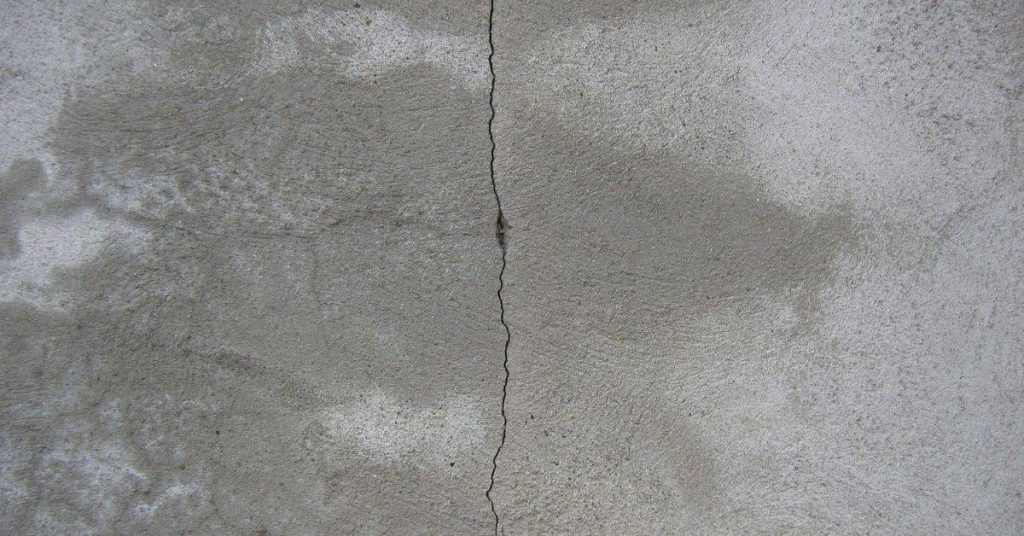
Close-up of concrete surface with fine vertical crack

DIY Concrete Stepping Stones That Don’t Crack: Reinforcement, Curing, and Freeze–Thaw Design

Introduction These stepping stones are reinforced concrete pieces designed to resist cracking through proper reinforcement, curing, and freeze–thaw considerations. Cracks typically come from shrinkage, settling, or temperature shifts, so controlling moisture and movement helps. When choosing materials, check labels and manufacturer instructions for suitability in outdoor, mid-stain conditions and for any local rules that apply

DIY Concrete Stepping Stones That Don’t Crack: Reinforcement, Curing, and Freeze–Thaw Design Read More »

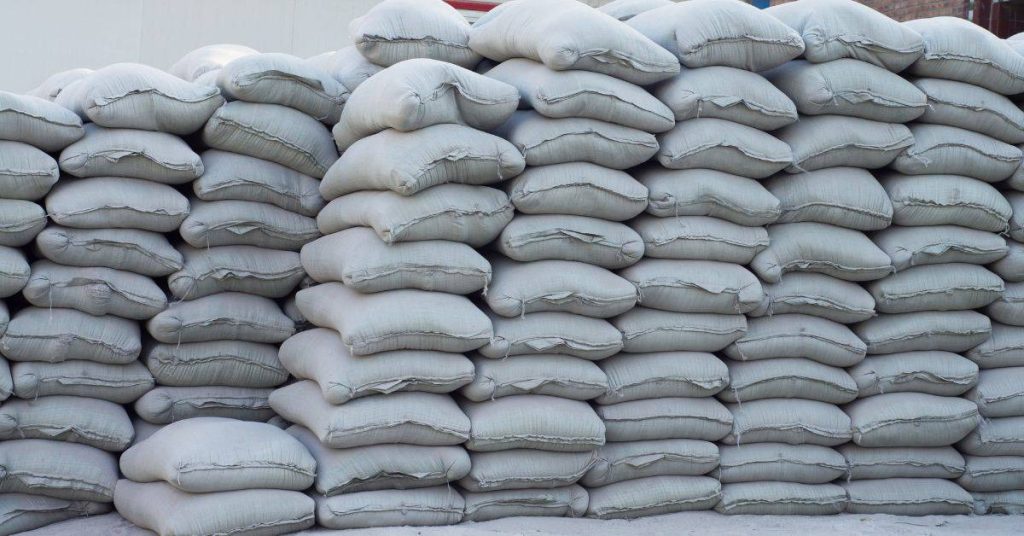
Stacked white cement bags arranged in rows

White Concrete Mix for Clean Architectural Pieces: Cement Choice, Sand Color, and Plasticizer Options

Introduction White concrete mix is a cement-based blend designed to produce a light, pale finish for clean architectural pieces. When choosing cement, look for options that emphasize whiteness and low tint; check the label and manufacturer instructions to understand allowable color ranges. If in doubt, ask the supplier about pigments or whitening additives and how

White Concrete Mix for Clean Architectural Pieces: Cement Choice, Sand Color, and Plasticizer Options Read More »

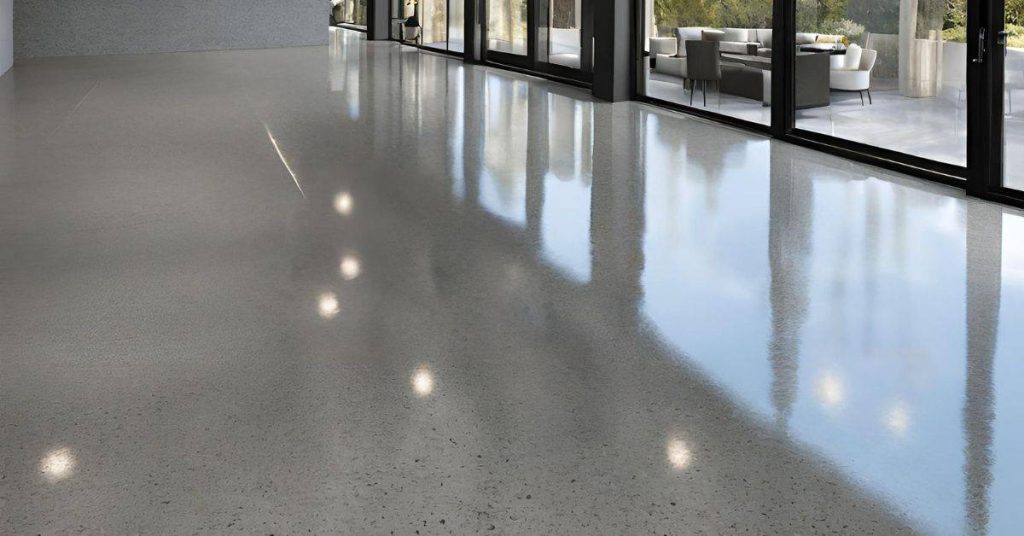
Polished concrete floor next to large window overlooking ocean

Concrete Polishing Grit Progression Explained: Avoiding ‘Wavy’ Shine and Swirl Marks

Introduction Concrete polishing grit progression is the stepped use of abrasive grits to smooth and shine a concrete surface. In practice, you move from coarser grits to finer ones to minimize swirl marks and achieve a consistent look. A careful sequence helps you control the shine and avoid waviness as you work. Choose the grit

Concrete Polishing Grit Progression Explained: Avoiding ‘Wavy’ Shine and Swirl Marks Read More »

shiny polished concrete floor in modern indoor space

Repairing Etched or Dull Polished Concrete: Densifier Reapplication vs Re-Polish

Introduction Repairing Etched or Dull Polished Concrete: Densifier Reapplication vs Re-Polish is about choosing between reapplying a densifier to revitalize the surface or running a light re-polish to restore gloss. The decision hinges on whether the dullness comes from chemical etching, wear, or a dull film on the surface. Plan based on what the surface

Repairing Etched or Dull Polished Concrete: Densifier Reapplication vs Re-Polish Read More »

Precast concrete wall panels stacked outside a building

Concrete Micro-Inlays: Engraving, Filling With Colored Grout, and Sealing So It Stays Clean

Introduction Concrete micro-inlays are small engravings in concrete that are filled with colored grout and sealed to stay clean. The basic idea is to create a crisp line or pattern, then repair and protect it with color and a sealant. With the right hand tools and a steady hand, you can add simple lines or

Concrete Micro-Inlays: Engraving, Filling With Colored Grout, and Sealing So It Stays Clean Read More »

Covered porch with painted concrete floor and metal chairs

Controlling Sheen on Concrete Sealers: Matte vs Gloss, Slip Risk, and Maintenance Reality

Introduction Matte and gloss sealers define the look and reflectivity of a concrete surface. A matte finish hides minor wear but can be harder to keep clean, while a gloss finish is clearer but may show wear and slip risk more readily. This article gives a practical, DIY‑friendly overview of what to expect and how

Controlling Sheen on Concrete Sealers: Matte vs Gloss, Slip Risk, and Maintenance Reality Read More »

Hands positioning toilet bowl over plumbing drain pipe

Drainage Mats vs Dimple Boards: Choosing Protection/Drain Layers for Basement Walls

Introduction Drainage mats and dimple boards are protective layers placed against basement walls to manage moisture. They both create a gap for water to drain and help keep insulation and framing dry, but they work a bit differently. Choose based on how the wall will be finished and the ease of installation. In practice, you’ll

Drainage Mats vs Dimple Boards: Choosing Protection/Drain Layers for Basement Walls Read More »