Person wearing dusty work boots standing on exposed wooden floor joists

Polyaspartic That Sets Too Fast: Staging Your Work to Avoid Lap Marks

Introduction When a polyaspartic coating sets too fast, you lose time to blend edges and fix lap marks. Staging your work means breaking the job into smaller batches so you can maintain a wet edge and avoid visible seams. This article gives practical, hands-on tips you can apply at the jobsite. Factors like temperature, humidity, […]

Polyaspartic That Sets Too Fast: Staging Your Work to Avoid Lap Marks Read More »
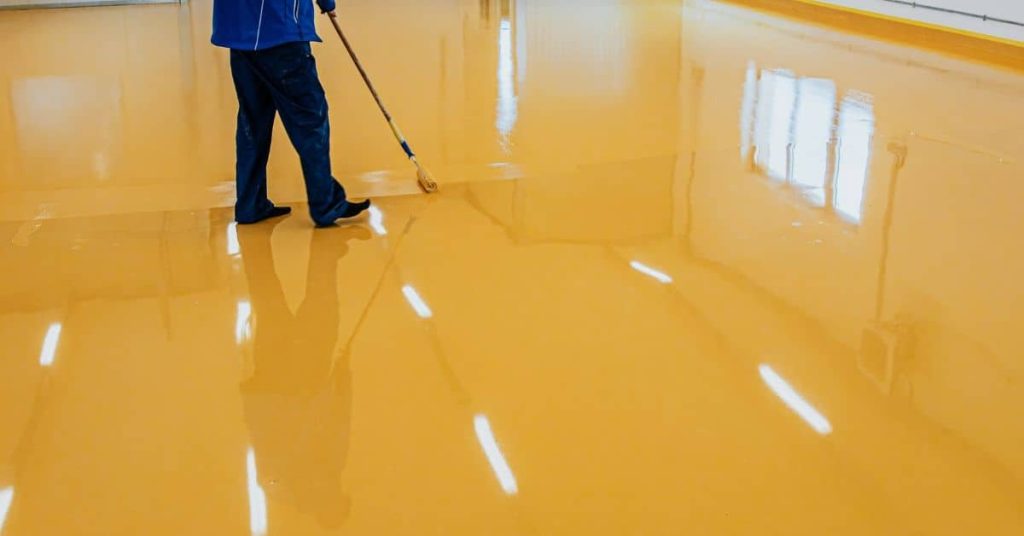
Person applying yellow epoxy coating on floor with roller

Anti-Static Floor Coatings: When They Matter in Workshops and DIY Limits

Introduction Anti-static floor coatings are coatings that reduce static electricity buildup on concrete floors. In a workshop or DIY space, they help prevent shocks and protect sensitive tools. Choose a coating that suits foot traffic and cleaning needs, and follow the label for surface prep. Before applying, test the concrete for moisture and cleanliness, and

Anti-Static Floor Coatings: When They Matter in Workshops and DIY Limits Read More »

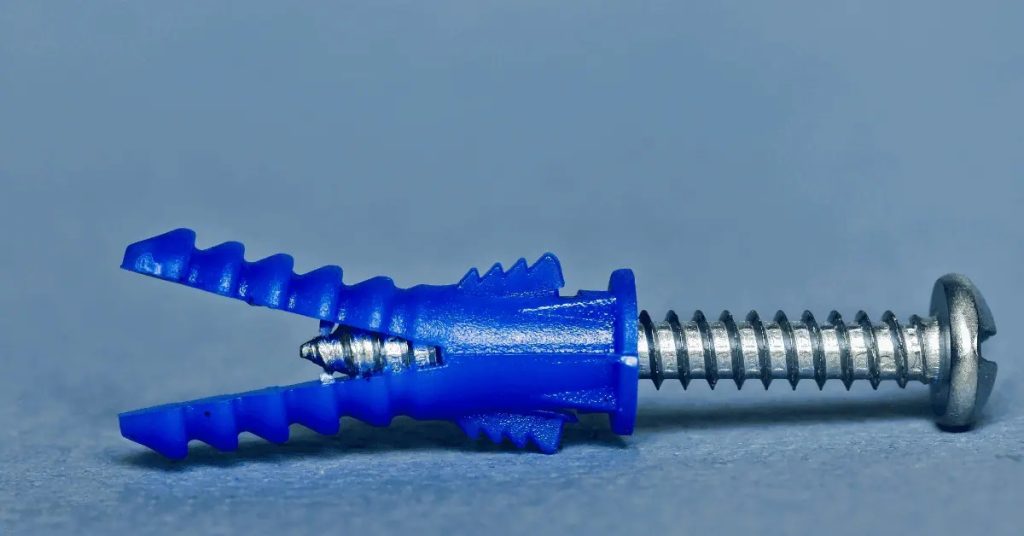
Blue plastic drywall anchor with metal screw on gray surface

Epoxy Anchor Failure Modes: Dirty Holes, Wet Holes, and Wrong Cure Temperature

Introduction Epoxy anchor failure happens when the hole is dirty, wet, or the cure temperature is off. In real job sites, debris, moisture, or the wrong curing conditions keep the epoxy from bonding to the concrete. That shows up as low pullout, hairline cracks, or anchors that spin. Always clean the hole, dry it, and

Epoxy Anchor Failure Modes: Dirty Holes, Wet Holes, and Wrong Cure Temperature Read More »

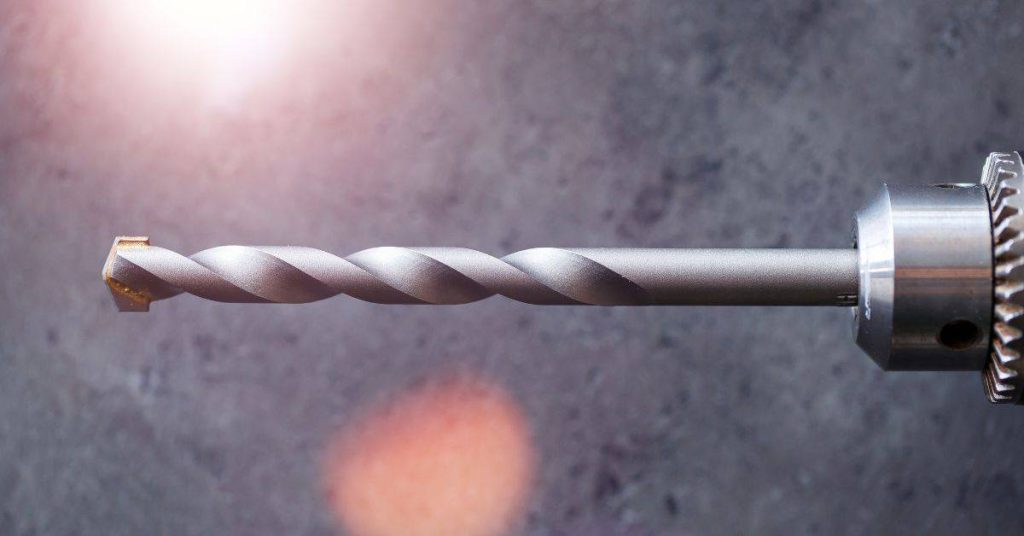
Closeup of drill bit attached to a drill chuck

How to Clean Anchor Holes Properly: Blow-Brush-Blow vs Shop Vac Myths

Introduction Cleaning anchor holes means removing dust, debris, and loose material so fasteners grip properly. This article covers practical, hands-on steps you can take without fancy gear, and it debunks common myths. Always start by inspecting the hole and following the anchor manufacturer’s guidance. Blow-Brush-Blow and Shop Vac are common ideas for clearing holes, but

How to Clean Anchor Holes Properly: Blow-Brush-Blow vs Shop Vac Myths Read More »

Close-up of old concrete surface with small holes and discoloration

Anchoring into Old Concrete: When the Surface Lies and How to Test Strength

Introduction Old concrete can be unreliable for anchors because the surface may lie about overall strength. The outer layer can look solid even when cores are weak. That means you need a simple test to verify what you’re drilling into. Start by listening for a hollow sound and looking for flaking, spalling, or cracks near

Anchoring into Old Concrete: When the Surface Lies and How to Test Strength Read More »

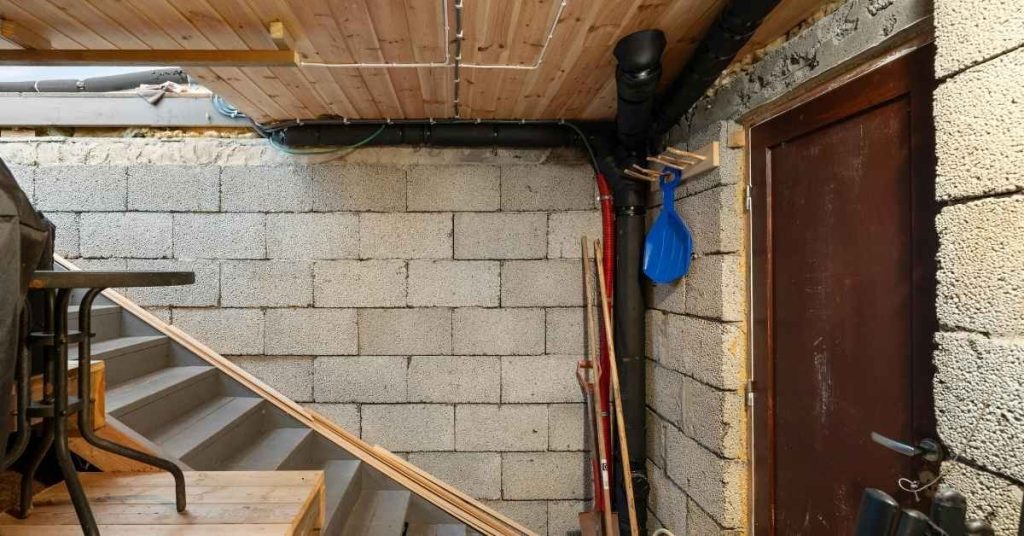
unfinished basement with concrete block walls wooden ceiling and stairs

Setting Anchors in Hollow Block: Screens, Injection, and Pullout Reality

Introduction Anchoring in hollow block means securing fasteners or anchors into hollow concrete masonry units so they can hold a load. In practice, you choose a method based on the block’s hollow cores and what you’re anchoring. This article explains the hands-on steps, what to expect, and how to tell if an anchor is set

Setting Anchors in Hollow Block: Screens, Injection, and Pullout Reality Read More »

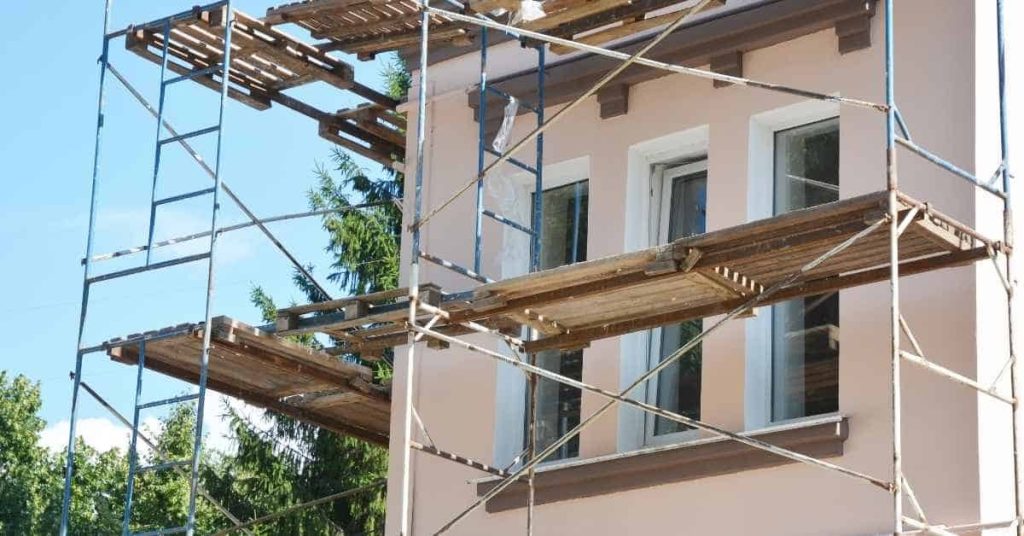
Metal scaffolding around exterior stucco wall

Stucco Fasteners That Rust: Choosing Corrosion-Resistant Options for Accessories

Introduction Corrosion-resistant fasteners for stucco are screws and anchors designed to resist rust and deterioration in exterior plaster assemblies. Choosing these options helps prevent staining and premature failure on outdoor walls. Always follow manufacturer instructions and local rules when selecting materials. For durability, compare stainless steel and coated steel fasteners and read the product labels

Stucco Fasteners That Rust: Choosing Corrosion-Resistant Options for Accessories Read More »

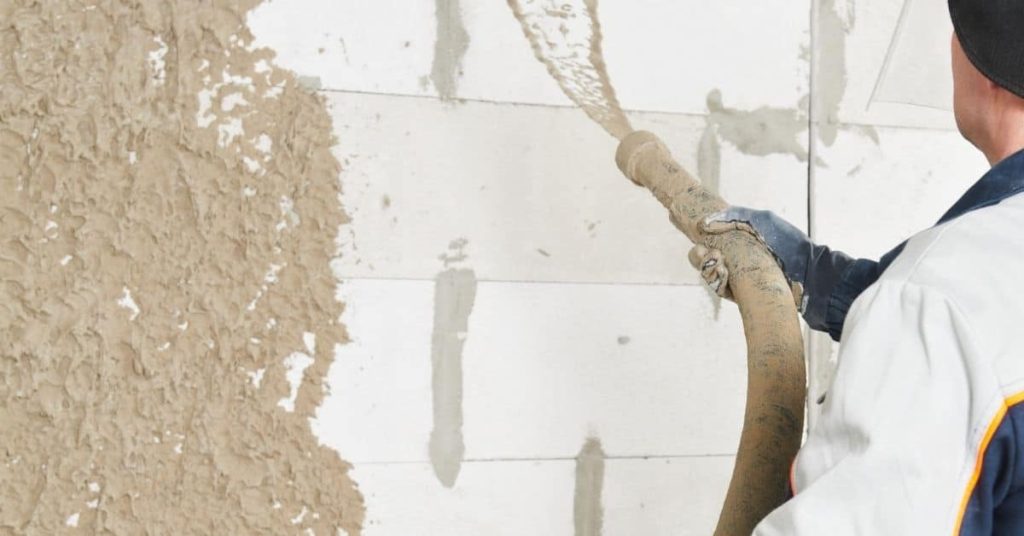
Worker spraying brown stucco on white wall

Adding Blocking Behind Stucco for Mounts: Finding Studs and Keeping Drainage Paths

Introduction Blocking behind stucco provides a solid mount point that the hardware can bite into. To find studs behind stucco, look for the interior framing and intended anchor points, and test suspected areas with a stud finder or by tapping and listening. Check manufacturer instructions and local rules for acceptable methods, and proceed only after

Adding Blocking Behind Stucco for Mounts: Finding Studs and Keeping Drainage Paths Read More »

Hand wearing white glove installing brown plastic anchor on foam board

Installing a New Vent Through Stucco: Sleeves, Slope, and Sealant Geometry

Introduction Installing a new vent through stucco means creating a weather-tight opening in stucco siding to run a vent sleeve and sealant geometry. This keeps airflow functional while protecting the wall from water penetration. You’ll want to plan the sleeve, slope, and seal around the opening so the vent directs moisture away from the home.

Installing a New Vent Through Stucco: Sleeves, Slope, and Sealant Geometry Read More »