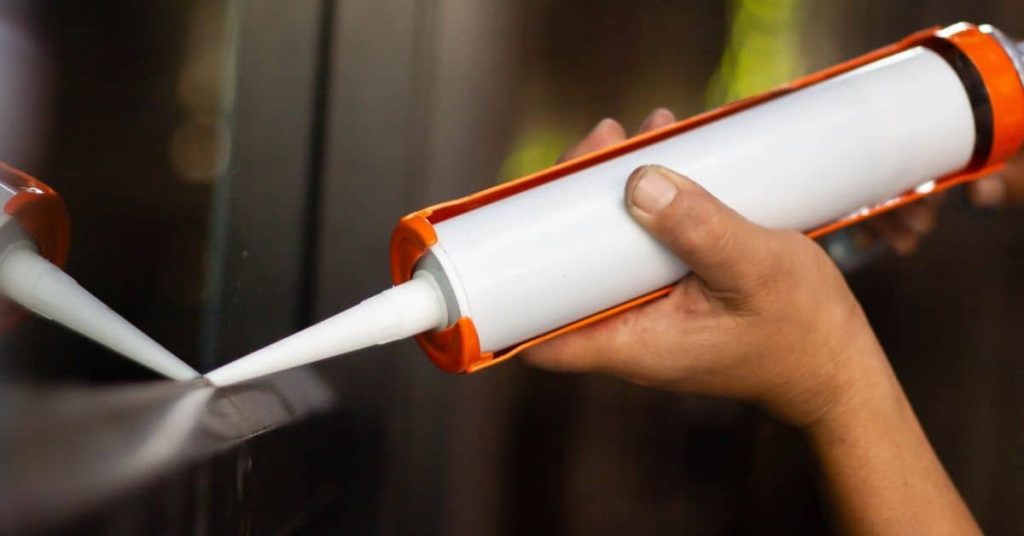
Hand applying white caulk from a caulking gun onto a surface

How to Seal Form Joints to Stop ‘Fins’: Tape vs Caulk vs Foam Strategies

Introduction Sealing form joints means choosing a method to close gaps in the formwork so fins don’t form. Tape, caulk, and foam are common options, each with its own pros and limits. Look at the product label and the concrete conditions to decide what to use. Tape works best for clean, straight joints, caulk fills […]

How to Seal Form Joints to Stop ‘Fins’: Tape vs Caulk vs Foam Strategies Read More »
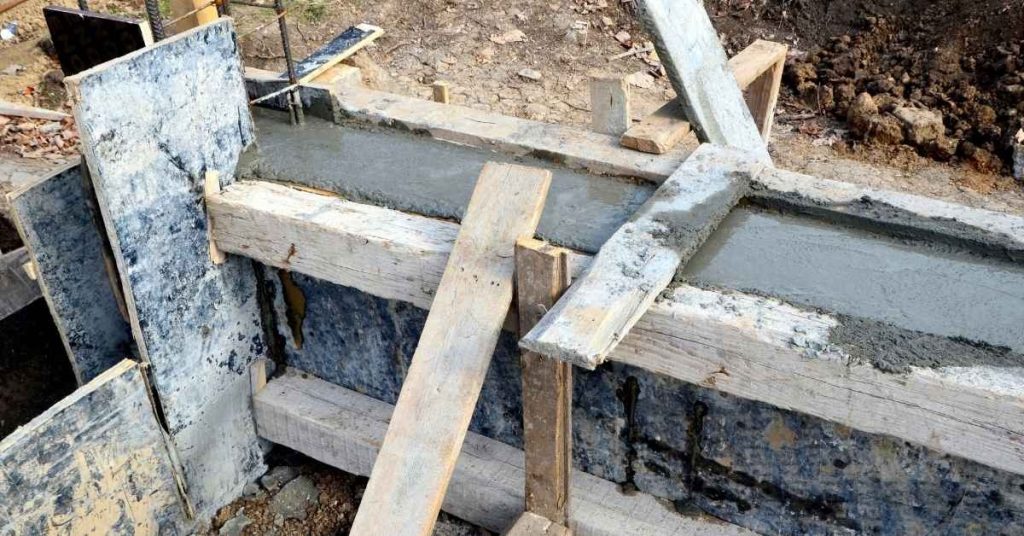
Wooden concrete forms filled with fresh concrete at construction site

Vibration for Small Forms: How to Reduce Bugholes Without Washing Cement Paste to the Face

Introduction Vibration for small forms reduces bugholes by helping the cement paste settle and lock to the form surface without washing off the surface layer. Bugholes stem from air pockets and laitance left on the surface, and proper vibration can minimize them if you don’t overwork the mix. Use a light, targeted approach to keep

Vibration for Small Forms: How to Reduce Bugholes Without Washing Cement Paste to the Face Read More »

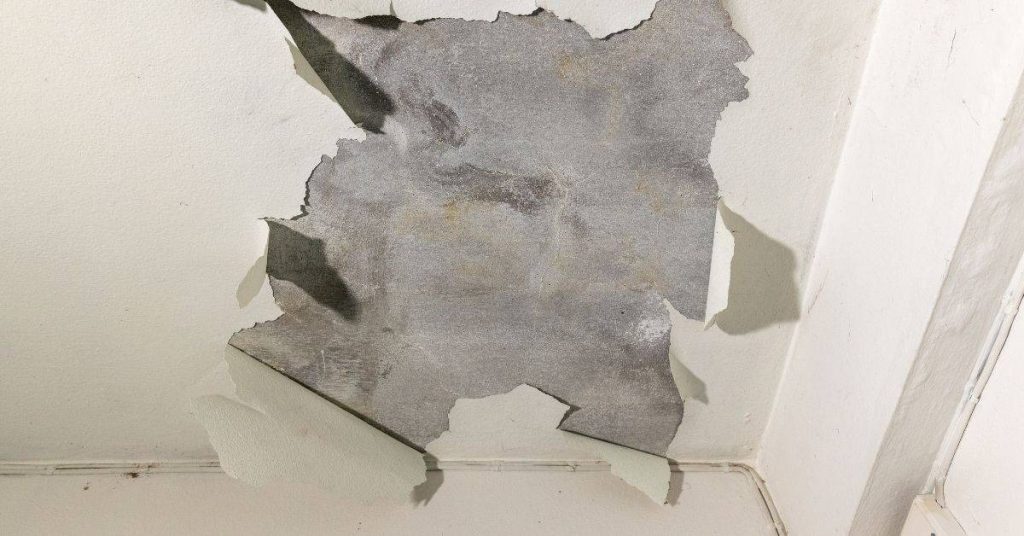
Ceiling paint peeling off revealing concrete beneath

Keeping Concrete From Drying Too Fast in Wind: DIY Windbreaks and Fogging Tricks

Introduction Wind speeds up evaporation and can cause concrete to dry too fast during curing. That’s why you’ll want simple windbreaks and moisture keeping practices on every pour. A DIY windbreak can be plywood sheets, scrap lumber, or tarps staked to create a sheltered strip around the work. Fogging or light misting helps keep surface

Keeping Concrete From Drying Too Fast in Wind: DIY Windbreaks and Fogging Tricks Read More »

Pouring dry concrete mix into a bucket

Concrete Mixing in 5-Gallon Buckets: Repeatable Ratios for Small Projects

Introduction Concrete mixing in 5-gallon buckets is the practice of combining cement, aggregate, and water in small, repeatable ratios for quick, local work. This guide keeps things hands-on, using simple steps you can follow without heavy gear. You’ll see practical references to patterns like Ashlar Notched Slate and American Flagstone as familiar ends for small

Concrete Mixing in 5-Gallon Buckets: Repeatable Ratios for Small Projects Read More »

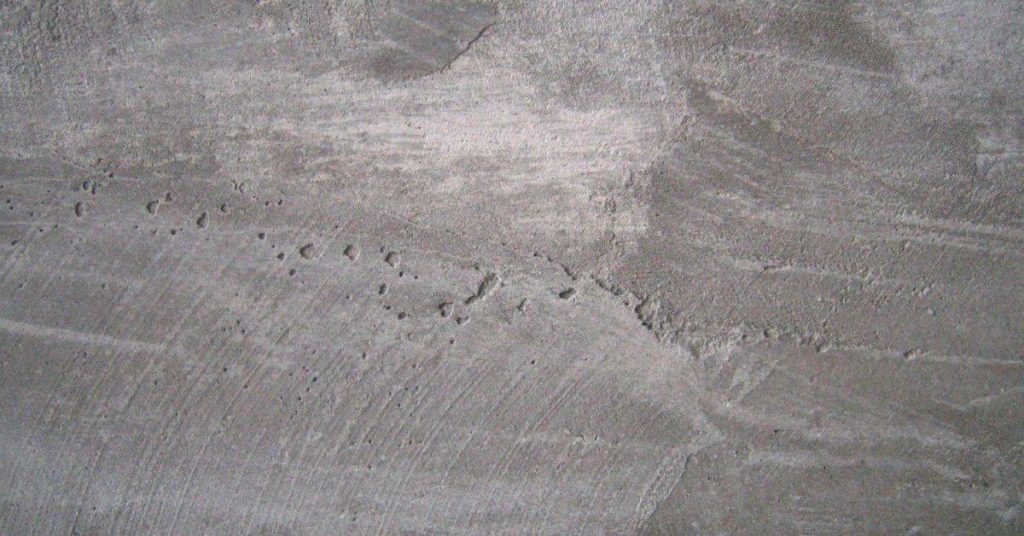
Close-up of old concrete surface with surface pitting and rough texture

Anchoring into Old Concrete: When the Surface Lies and How to Test Strength

Introduction Anchoring into old concrete means attaching hardware to an existing slab or wall when the surface may be uneven or compromised. The key is to verify whether the concrete can hold fasteners and to choose a method that matches the condition of the surface. This needs practical, hands-on steps rather than guesswork. To test

Anchoring into Old Concrete: When the Surface Lies and How to Test Strength Read More »

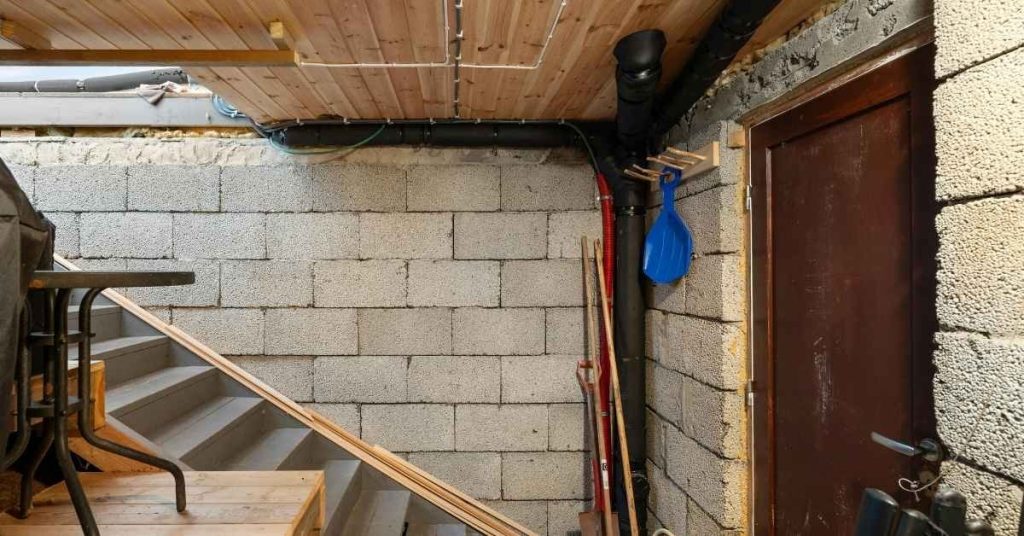
Unfinished basement with concrete block walls and stairs

Setting Anchors in Hollow Block: Screens, Injection, and Pullout Reality

Introduction Setting anchors in hollow block walls means choosing a fastener and method that grip the hollow cores and solid faces to hold a load. For DIYers, two common paths are using a screen-type system or an injection method, each with its own prep and placement steps. This introduction explains what to expect and what

Setting Anchors in Hollow Block: Screens, Injection, and Pullout Reality Read More »

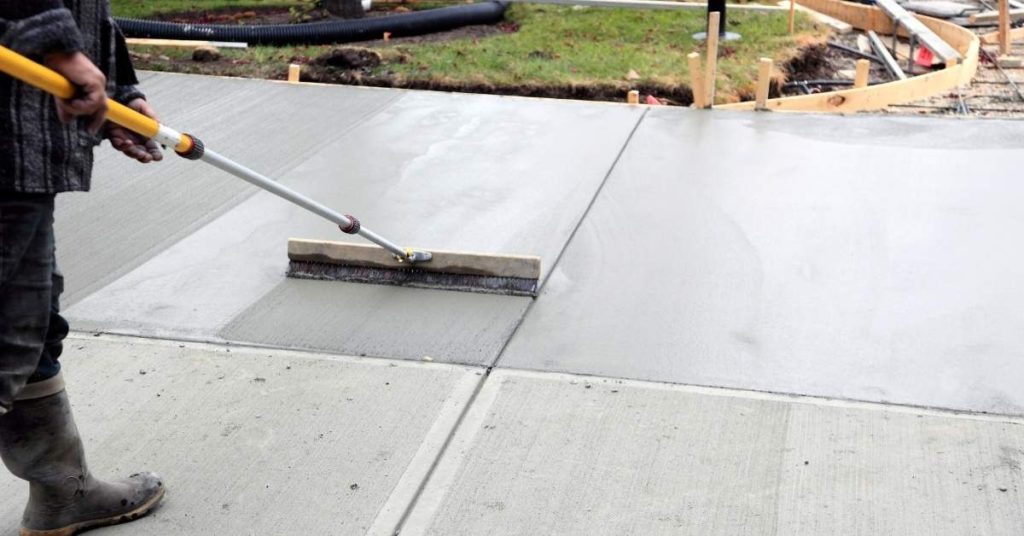
Person smoothing wet concrete sidewalk with a broom

How to Clean Anchor Holes Properly: Blow-Brush-Blow vs Shop Vac Myths

Introduction Cleaning anchor holes properly means removing debris so anchors seat correctly and safely. In this article we’ll cover plain-language, hands-on steps you can use at the job site. You should verify any technique against the product label and local rules before you start. Blow-Brush-Blow is a routine some DIYers try, but its effectiveness depends

How to Clean Anchor Holes Properly: Blow-Brush-Blow vs Shop Vac Myths Read More »

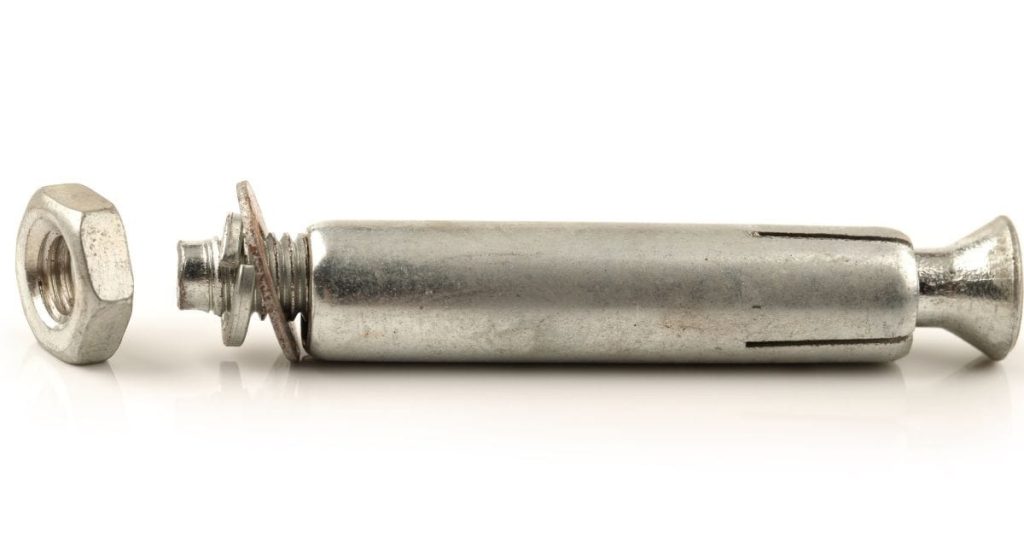
metal expansion anchor bolt with nut and washer

Epoxy Anchor Failure Modes: Dirty Holes, Wet Holes, and Wrong Cure Temperature

Introduction Epoxy anchor failure happens when the adhesive bond can’t develop strength because the hole or mix is contaminated, wet, or poorly cured. Dirty holes, wet holes, and wrong cure temperature are common failure modes that weaken the bond and let anchors loosen. Symptoms include movement, a shiny or crumbly surface, or inconsistent setting, and

Epoxy Anchor Failure Modes: Dirty Holes, Wet Holes, and Wrong Cure Temperature Read More »

Large precast concrete walls supported by steel braces at construction site

Concrete Anchor Layout for Wall Plates: Spacing, Edge Distance, and Fixing Misplaced Holes

Introduction Concrete anchor layout for wall plates means placing anchors in concrete at proper spacing and edge distance to securely fasten wall plates. Do not guess—measure and follow the fastener manufacturer’s guidance and any local rules, then plan spacing that keeps edges solid and the plate level. This article gives a plain‑language look at how

Concrete Anchor Layout for Wall Plates: Spacing, Edge Distance, and Fixing Misplaced Holes Read More »