paintbrush next to an open can of blue paint

Moisture Issues Under Coatings: DIY Screening That Beats Guessing

Introduction Moisture issues under coatings occur when dampness gets trapped beneath the finish, weakening adhesion and inviting rot. This article explains in plain terms how to spot it, screen for it, and decide what to fix. Think of it as a DIY screening approach you can do with basic checks and honest inspections. Moisture quilts […]

Moisture Issues Under Coatings: DIY Screening That Beats Guessing Read More »
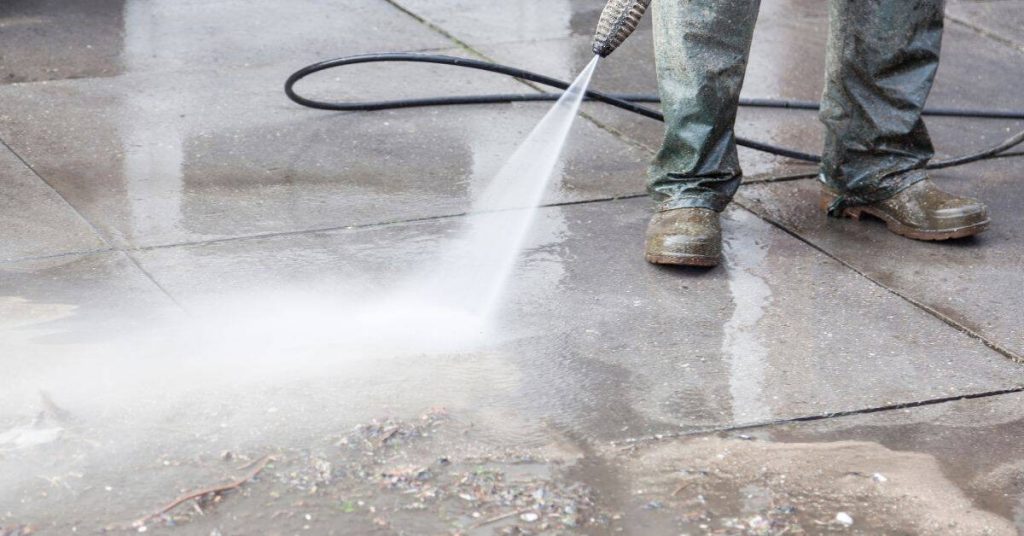
Person pressure washing smooth concrete patio surface

How to Tell If Concrete Is Too Smooth to Coat: Simple Adhesion Checks Before You Prime

Introduction Too smooth concrete resists adhesion and can fail after priming. This article shows simple checks to decide if the surface needs profiling. Roughening helps primers bite into the surface and create a lasting bond. Start with cleaning, then roughen the area using a grinder, wire brush, or sanding pad and clean away dust. Do

How to Tell If Concrete Is Too Smooth to Coat: Simple Adhesion Checks Before You Prime Read More »

Concrete floor grinding machine preparing surface near wall

Concrete Surface Prep for Coatings: How to Hit the Right Profile Without Over-Grinding

Introduction A proper surface profile is the texture and cleanliness of concrete that coatings need to bond. Before applying anything, clean the floor thoroughly to remove oils, dust, and contaminants. Profiling options like shot blasting or diamond grinding are used to create the key texture; choose based on the concrete and the coating. After blasting

Concrete Surface Prep for Coatings: How to Hit the Right Profile Without Over-Grinding Read More »

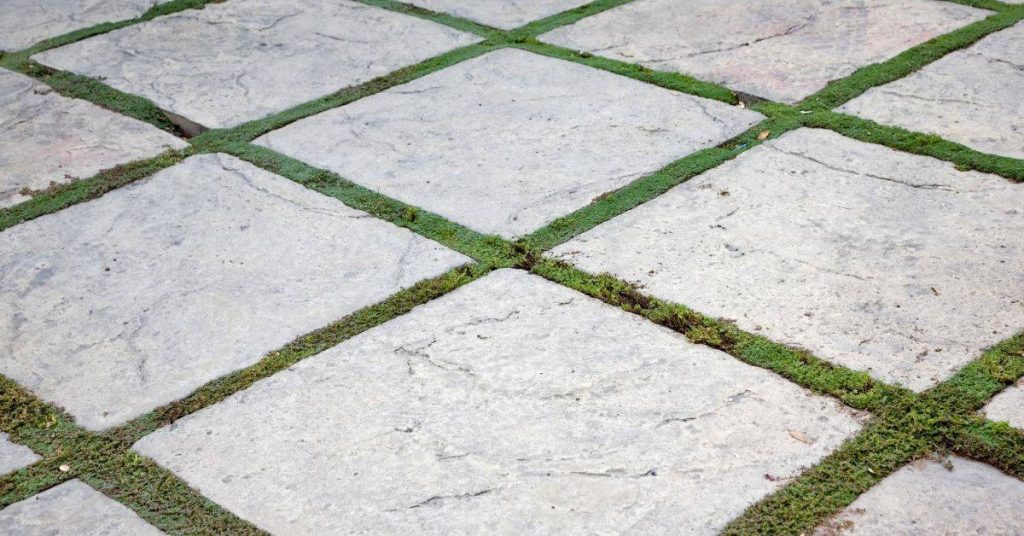
Gray square stone pavers with green moss-filled joints

How to Hide Control Joints Visually: Layout Tricks That Look Intentional

Introduction Control joints are planned gaps in concrete that you hide with layout tricks to look intentional. This article covers simple, hands-on steps you can follow on your own slab without fancy equipment. Think lines, patterns, and edges that camouflage joints while staying within manufacturer instructions and local rules. Start by choosing a location that

How to Hide Control Joints Visually: Layout Tricks That Look Intentional Read More »

Orange concrete bucket silo suspended against blue sky

Concrete Joint Sawcut Chipping: Blade Choice and Timing to Reduce Spalls

Introduction Concrete joint sawcut chipping is the controlled removal of material around a sawcut to reduce spalls. Choosing the right blade and timing the cut helps minimize chipping and keeps the surface smoother. Always check the blade label and the manufacturer’s instructions, and follow local rules for your project. Soff Cut style saws are designed

Concrete Joint Sawcut Chipping: Blade Choice and Timing to Reduce Spalls Read More »

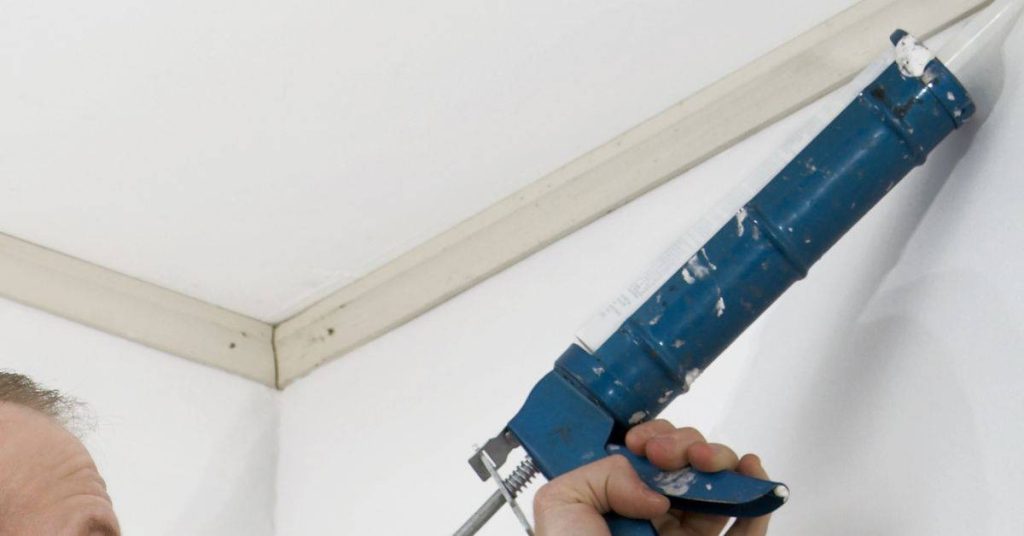
Hand holding blue caulking gun near ceiling joint

Why Joint Sealant Bubbles: Offgassing, Moisture, and How to Prevent It

Introduction Bubbles in joint sealant are air pockets that form as the material cures, usually from offgassing or trapped moisture. In DIY work, you may see these as foamy spots or gaps that weaken the seal. Check the label and manufacturer guidance to know what conditions or temps are allowed. Prevention comes from clean joints,

Why Joint Sealant Bubbles: Offgassing, Moisture, and How to Prevent It Read More »

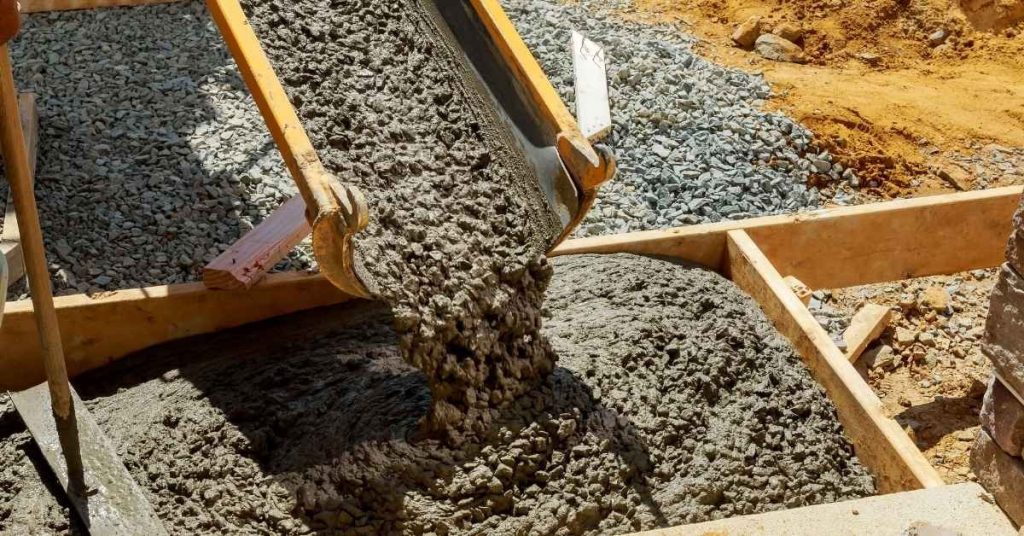
Concrete pouring into wooden formwork on construction site

How to Repair a Failed Joint Sealant Bead: Cutback, Primer, and Reseal Steps

Introduction A failed joint sealant bead needs to be cut back, primed, and resealed. This article walks you through the cutback, primer, and reseal steps so you can fix it yourself. You’ll assess the joint, remove old material, and prep the surface for a new bead. Carefully trim back the old sealant according to what

How to Repair a Failed Joint Sealant Bead: Cutback, Primer, and Reseal Steps Read More »

Red-handled tool smoothing fresh concrete surface

Concrete Joint Sealant That Won’t Track Dirt: Profile Shape and Cleanup Methods

Introduction A concrete joint sealant that won’t track dirt is a smooth, well-profiled sealant that stays put and is easy to wipe clean. The profile shape you choose affects how debris collects and how easy cleanup is. This intro covers practical, hands-on steps to plan and apply a dirt-resistant joint. Choose a profile that minimizes

Concrete Joint Sealant That Won’t Track Dirt: Profile Shape and Cleanup Methods Read More »

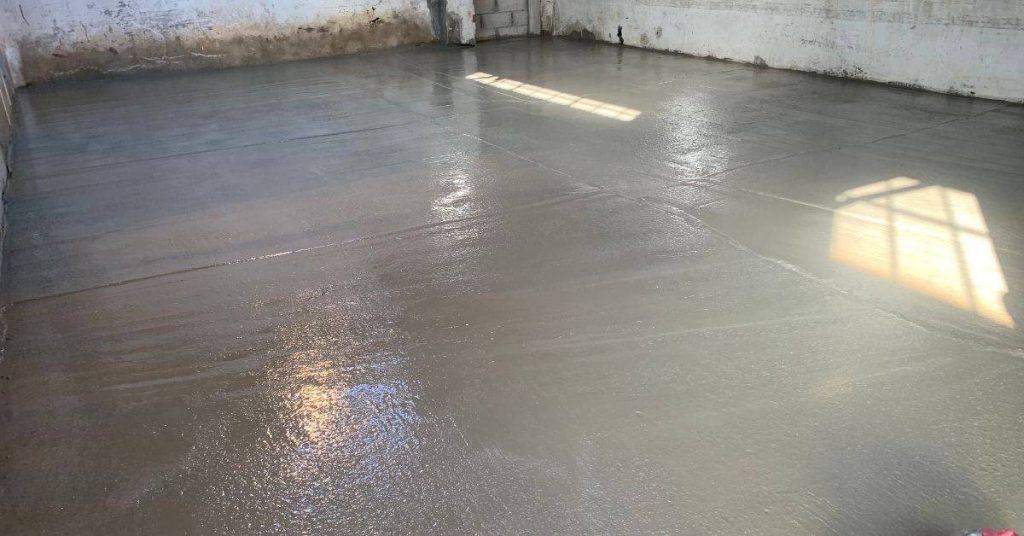
Freshly poured concrete floor inside a building

How to Cut Control Joints in Small Slabs Without a Saw: Groovers, Guides, and Timing

Introduction Control joints are deliberate grooves in concrete that guide where cracks will form as the slab cures. They help prevent random cracking and keep surfaces looking straight. For small slabs, you can create them without a saw by using groovers, guides, and proper timing. Timing matters: cut or groove the slab after the concrete

How to Cut Control Joints in Small Slabs Without a Saw: Groovers, Guides, and Timing Read More »

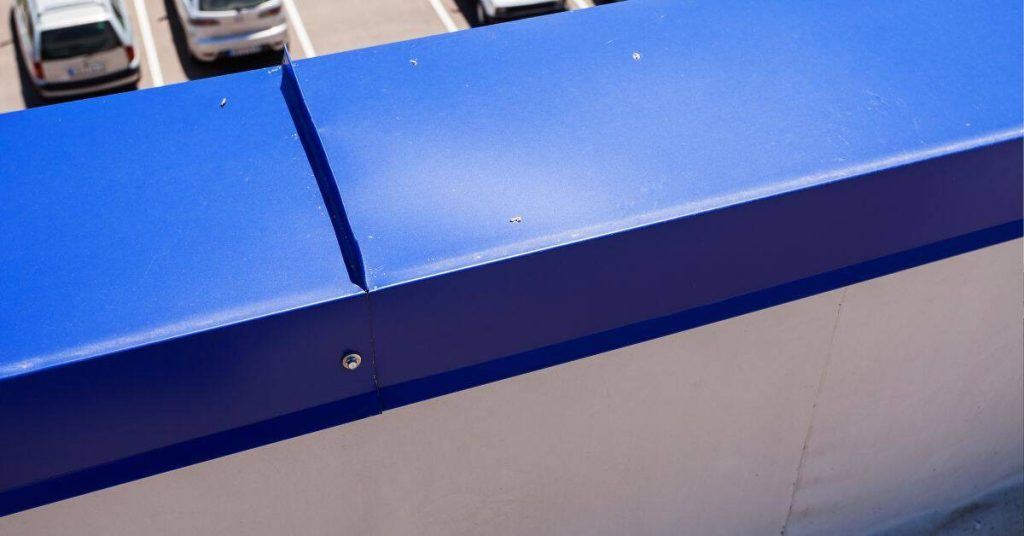
Blue metal coping joint on white concrete wall outdoors

Control Joint Layout for L-Shaped Patios: Re-Entrant Corners and Crack Steering

Introduction Control joints in an L-shaped patio are deliberate gaps that guide where cracks will form in the concrete. This layout helps manage the re-entrant corners and crack patterns so the surface lasts longer. For DIY work, plan joints along straight lines and around corners, but always check local guidelines and product instructions for appropriate

Control Joint Layout for L-Shaped Patios: Re-Entrant Corners and Crack Steering Read More »