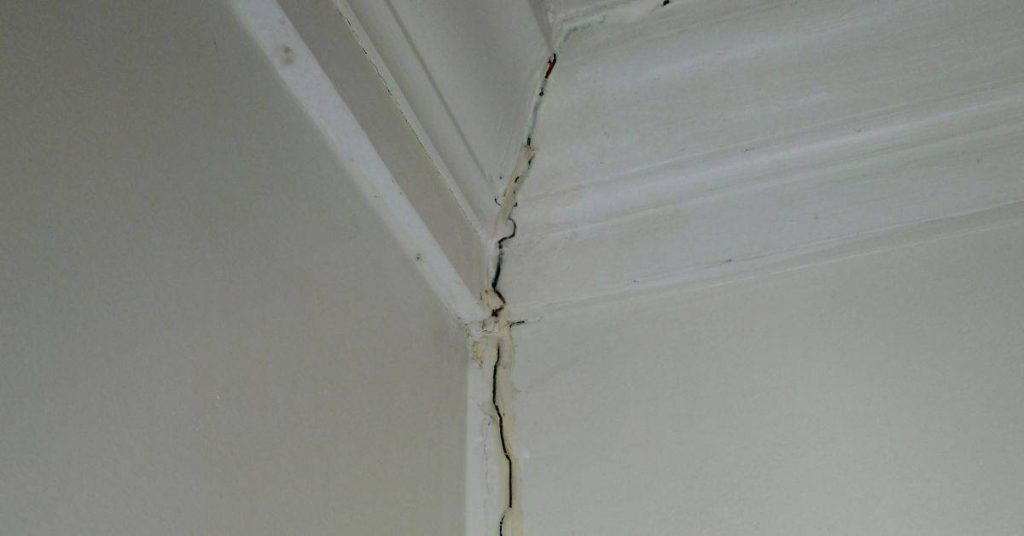
Hairline crack in plaster wall corner near ceiling trim

Hairline Crack Repairs That Don’t Show: Routing vs Injection vs Surface Fill

Introduction Hairline crack repairs that don’t show are methods that seal the crack and restore a smooth, uniform surface without visible seams. Routing, injection, and surface fill are common DIY options you can choose based on access and how the crack behaved. The goal is to blend the repair so it’s hard to notice after […]

Hairline Crack Repairs That Don’t Show: Routing vs Injection vs Surface Fill Read More »

Hand holding trowel with wet concrete inside container

Feather-Edge Patch Failures: Minimum Thickness Rules and Better Edge Details

Introduction Feather-edge patch failures occur when the thin edge of a patch is not thick or stable enough to grip the surrounding concrete. In plain terms, the edge can erode or chip and the patch pulls away. Make sure you follow the material’s directions and local rules for edge prep. To avoid failures, clean and

Feather-Edge Patch Failures: Minimum Thickness Rules and Better Edge Details Read More »

Hand smoothing plaster on white wall with trowel

Repair Mortar That Debonds: Surface Prep Mistakes and How to Reattach Correctly

Introduction Repairing mortar that debonds means reattaching loose mortar to the wall or joint using proper prep and bonding steps. Start by cleaning away loose bits and finding solid edges so the new mix has something solid to grab. Check the product label or manufacturer instructions for bond requirements and suitable mixes, and follow local

Repair Mortar That Debonds: Surface Prep Mistakes and How to Reattach Correctly Read More »

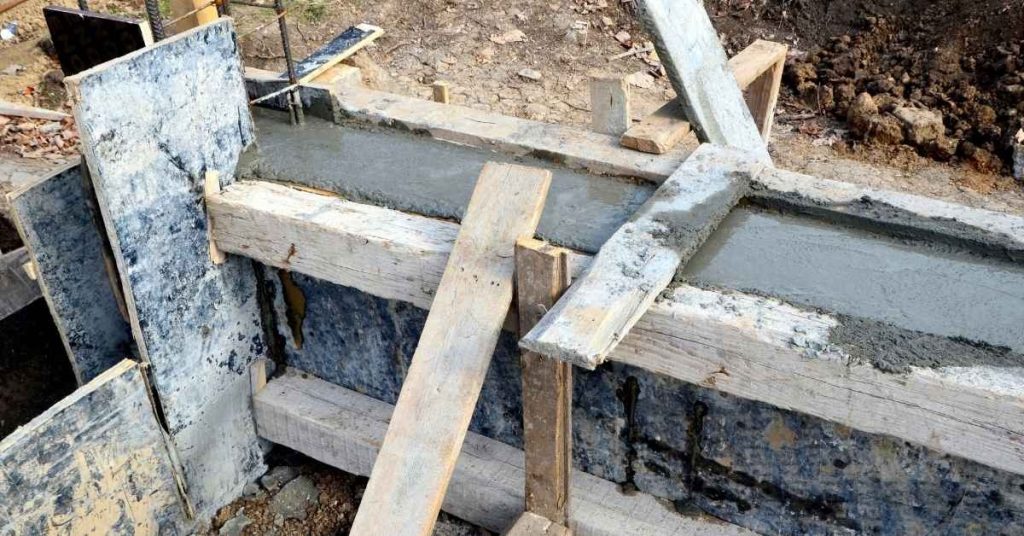
Wooden concrete forms filled with fresh concrete at construction site

Installing Sleeve Anchors: Edge Distance Rules and Avoiding Blowout

Introduction Edge distance for sleeve anchors is the minimum distance from the edge of the material to where the anchor is installed. This distance helps prevent cracks, splits, and blowout during loading. Understand that following the edge rule is essential for holding power and long life of the anchor. Look up the recommended edge distance

Installing Sleeve Anchors: Edge Distance Rules and Avoiding Blowout Read More »

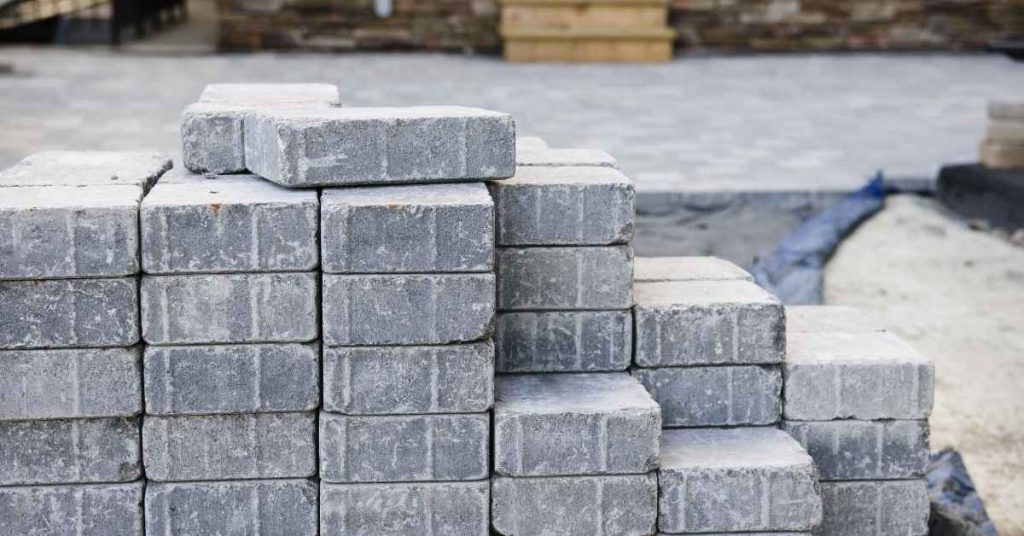
Stack of gray concrete paving blocks outdoors

Concrete Sealer Sheen Control Outdoors: When Matte Looks Better (and When It Traps Dirt)

Introduction A matte sealer finish on outdoor concrete is a low-shine coating that reduces reflection and hides surface imperfections. Choose matte when you want a natural look that doesn’t glare in sun and can mask light dirt. If you want a brighter, reflectant surface, matte may look dull by comparison. Matte finishes can trap dust

Concrete Sealer Sheen Control Outdoors: When Matte Looks Better (and When It Traps Dirt) Read More »

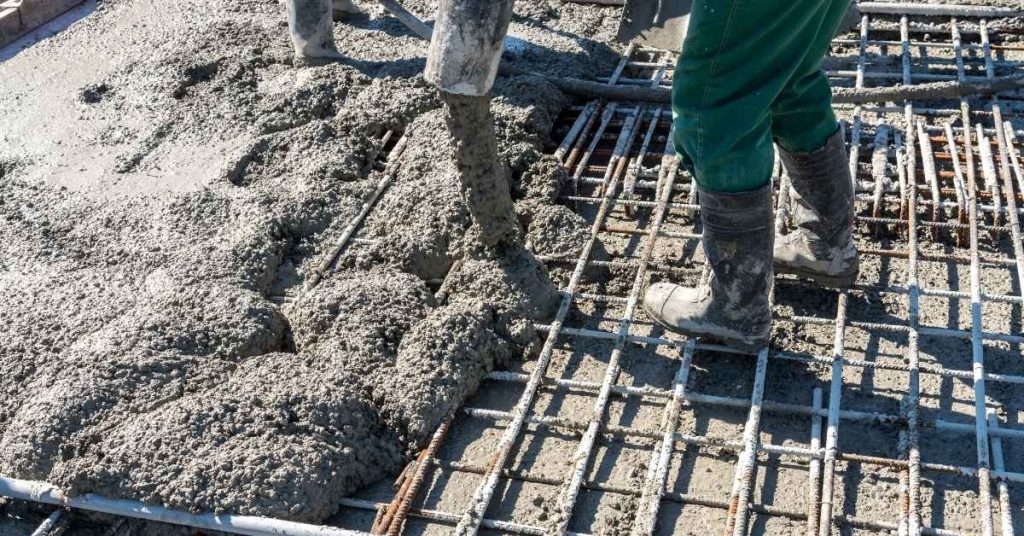
Worker pouring wet concrete over steel rebar grid

Repairing Concrete After Jackhammering Nearby: Microcracks, Prep, and Patch Adhesion

Introduction Repairing concrete after jackhammering nearby means fixing hairline cracks and damaged patches so the surface can take load again and look even. Microcracks form from vibration and shifts, and prep is needed to keep new material from pulling away. Start by cleaning dust and debris, then let the area dry. Roughen the surrounding concrete

Repairing Concrete After Jackhammering Nearby: Microcracks, Prep, and Patch Adhesion Read More »

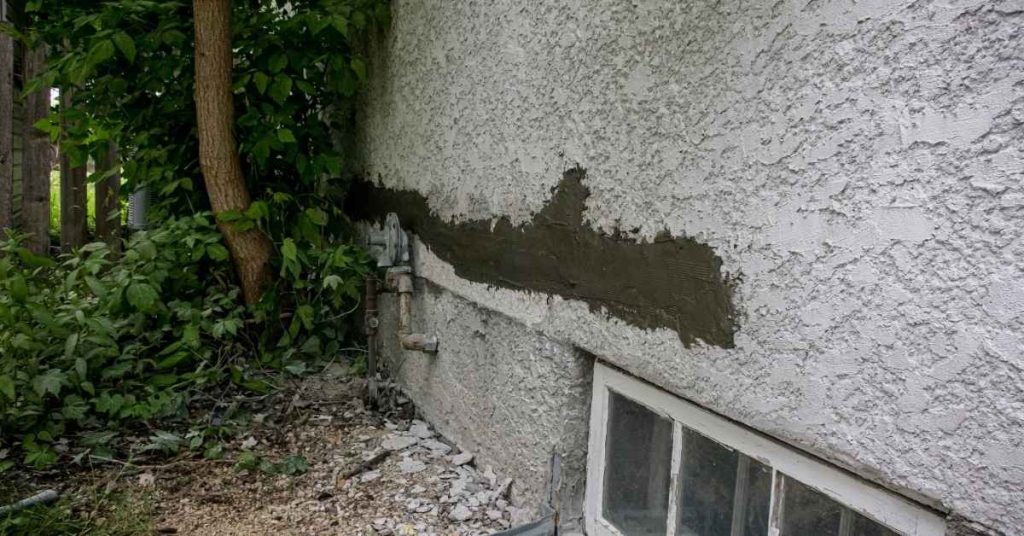
Patch of dark wet stucco on white stucco wall near window

Fixing a Patch That Cures Too Fast: Re-wetting Rules and When It’s Already Lost

Introduction A patch that cures too fast is a concrete repair that dries or stiffens before you get a proper surface set, risking weak bonding. Keep the patch and surrounding surface moist with light, even misting and shade as long as the material remains workable. Don’t let it puddle or dry out too quickly, and

Fixing a Patch That Cures Too Fast: Re-wetting Rules and When It’s Already Lost Read More »

Stone water well with bucket hanging from pulley system

How to Prevent Concrete ‘Mud Cracks’ in Patches: Water Control and Layer Thickness

Introduction Mud cracks in patches occur when water leaves the mix faster than the concrete sets and the patch is too thick. Keep forms tight and manage moisture so the surface cures evenly, not with a runny or dry edge. Always check the product label or local guidance for curing and thickness recommendations before you

How to Prevent Concrete ‘Mud Cracks’ in Patches: Water Control and Layer Thickness Read More »

Concrete beams with exposed rebar on construction site

Salt-Finish Concrete on Small Projects: Timing, Cleanup, and Sealing Without Haze

Introduction Salt-finish concrete is a decorative surface created by applying and later washing away salt to expose a textured layer. On small projects, it’s a practical way to add grip and character, but timing and technique matter for a clean look. Always check manufacturer guidelines for how long to work the surface, how to apply

Salt-Finish Concrete on Small Projects: Timing, Cleanup, and Sealing Without Haze Read More »

closeup of textured sand-finish concrete surface

DIY Sand-Finish Concrete: Getting a Fine Texture Without Weak Surface Paste

Introduction DIY Sand-Finish concrete is a surface texture created by applying a fine sand mix to the top to achieve a smooth, speckled look. It’s a hands-on technique that can hide light trowel marks and give the surface a gentle, gritty feel. It’s meant to be practical for a DIY project, not a showroom finish.

DIY Sand-Finish Concrete: Getting a Fine Texture Without Weak Surface Paste Read More »