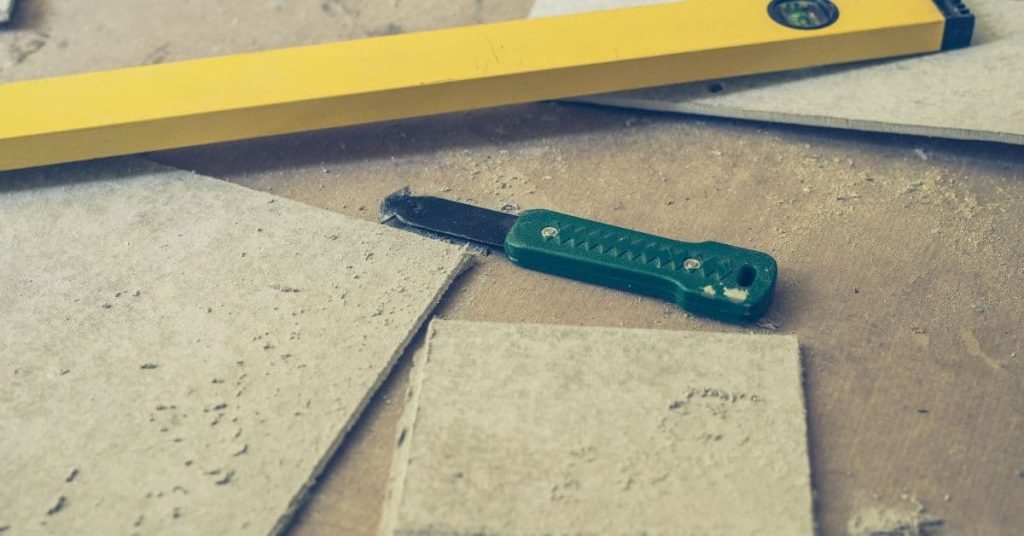
utility knife and level on concrete board pieces

Cutting a Utility Trench Through Concrete: Sawcut, Demo, and Patching Back to Flat

Introduction A utility trench through concrete is a narrowed channel cut into concrete to install or access services. Do this with care by planning the path, selecting the right tools, and sizing expectations for the demo and patch. You’ll be cutting, removing, and cleaning as you go, keeping safety and local rules in mind. Start […]

Cutting a Utility Trench Through Concrete: Sawcut, Demo, and Patching Back to Flat Read More »

stacked precast concrete columns outdoors

Concrete Pop-Out Repairs: How Deep to Remove, What to Patch With, and How to Blend

Introduction A concrete pop-out is a damaged, loose piece of concrete that needs removal and repair. Treat it as a small excavation: remove the loose material and sound the edges to see how deep the void goes. This article shows a practical way to safely cut back, patch, and blend so the repair looks and

Concrete Pop-Out Repairs: How Deep to Remove, What to Patch With, and How to Blend Read More »

Wet concrete being poured onto floor surface

Concrete Control Joints Around Floor Drains: Crack Steering Without Creating a Lip

Introduction Concrete control joints around floor drains are expansion joints that help crack control by isolating the drain area from the surrounding slab. They create a defined weak plane that guides cracks away from the drain and keep a smooth surface around the lip. This is a practical, hands-on detail you can plan for during

Concrete Control Joints Around Floor Drains: Crack Steering Without Creating a Lip Read More »

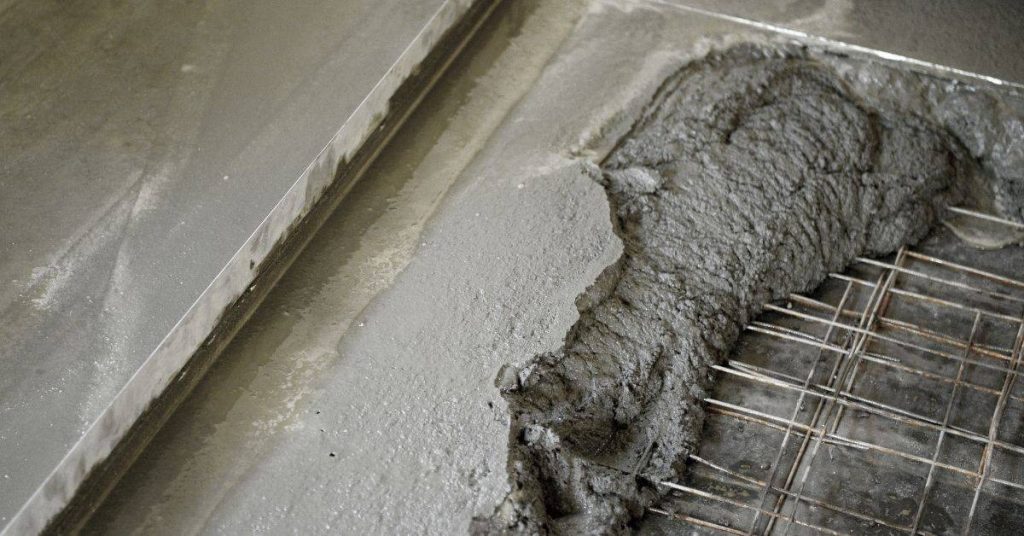
Wet concrete being poured over steel rebar grid

Rust “Ghosting” in Concrete: Preventing Stains from Chairs, Ties, and Rebar

Introduction Rust ghosting is stains left in cured concrete by corroded metal in contact with the mix. It happens when moisture and metal react, causing rust to bleed into the surface during curing. Common culprits are chairs, ties, and rebar that sit in the pour. Prevent it by choosing non‑corroding or protected hardware and by

Rust “Ghosting” in Concrete: Preventing Stains from Chairs, Ties, and Rebar Read More »

Polished concrete floor reflecting overhead lights and columns

Concrete Densifiers for DIY: Lithium vs Sodium Silicate and What Can Go Wrong

Introduction Lithium and sodium silicate densifiers are concrete surface treatments that harden the top layer by penetrating and sealing the pores. They can help reduce dust, improve spill resistance, and give a subtle finish, but the best choice depends on your concrete and environment. Always check the product label and follow the manufacturer instructions, and

Concrete Densifiers for DIY: Lithium vs Sodium Silicate and What Can Go Wrong Read More »

Two melting ice cubes on white surface with water pool

Slip-Resistant Sealed Concrete: Additives, Etch Profiles, and Easy Traction Tests

Introduction Slip-Resistant Sealed Concrete means using a sealant combined with additives and surface treatment to reduce slipping. Key takeaways Choose slip-resistant additives compatible with your sealer and traffic level. Etch profiles improve adhesion; follow manufacturer instructions and test patch first. Conduct simple traction checks after cure using deliberate dragging and toe-walking tests. Protect cured surfaces

Slip-Resistant Sealed Concrete: Additives, Etch Profiles, and Easy Traction Tests Read More »

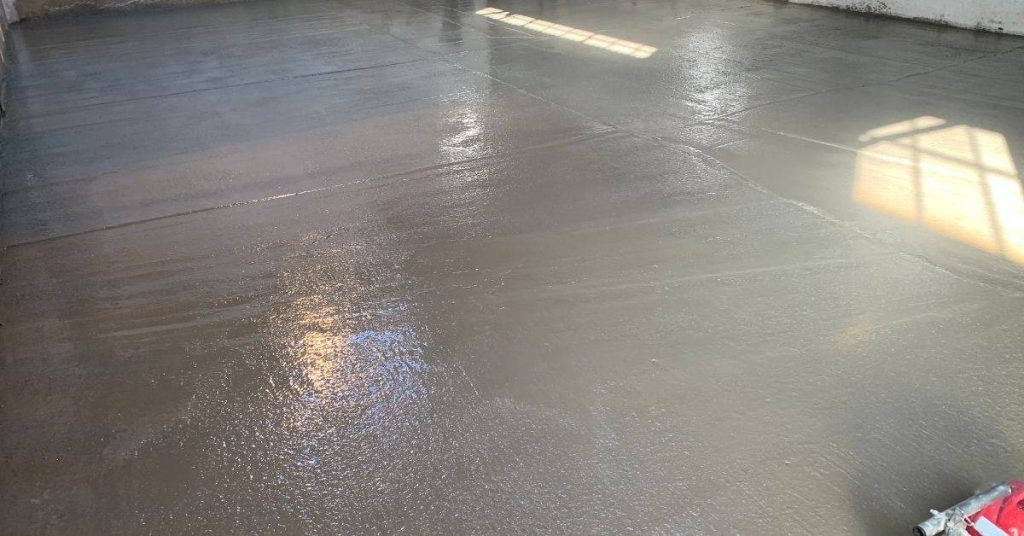
Freshly poured smooth wet concrete slab inside a building

Broom-Finished Concrete Driveways: Timing, Direction, and Tear-Out Prevention

Introduction A broom-finished concrete driveway is a surface texture created by brushing a broom over freshly poured concrete to leave short, even lines. This finish adds a non-slip surface and a utilitarian look that hides minor imperfections as it wears. Keep the work simple and consistent, moving at a steady pace and planning your crossings

Broom-Finished Concrete Driveways: Timing, Direction, and Tear-Out Prevention Read More »

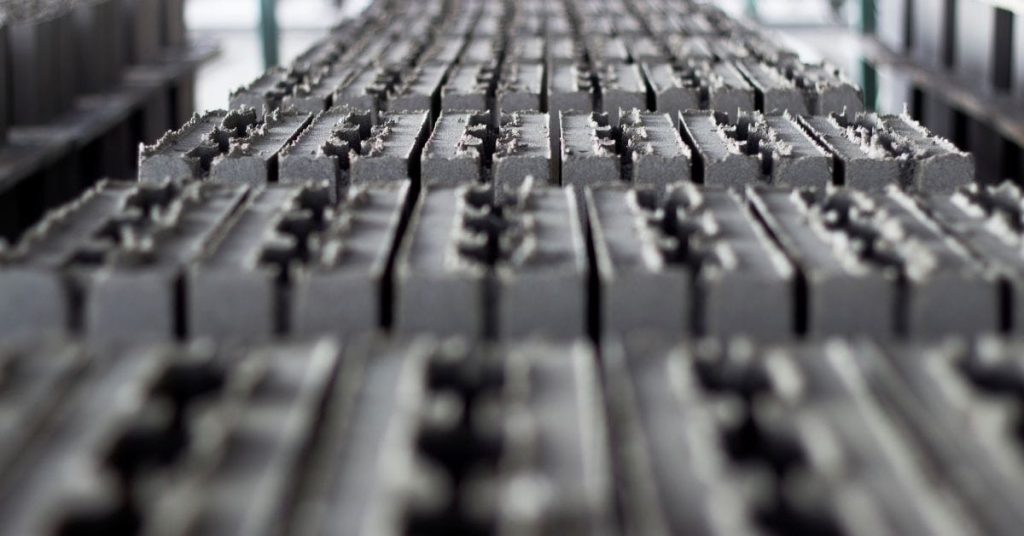
Rows of gray concrete blocks drying on racks

Hot-Weather Concrete Curing for Thin Slabs: Beating Rapid Evaporation Without Dusting

Introduction Curing concrete is the controlled hydration process that lets the mix harden properly. In thin slabs, curing time matters because it affects strength, shrinkage, and finish. Hot weather speeds evaporation and can lead to dusting if the surface dries too fast. To keep moisture in without creating slick surfaces, apply a consistent wetting method

Hot-Weather Concrete Curing for Thin Slabs: Beating Rapid Evaporation Without Dusting Read More »

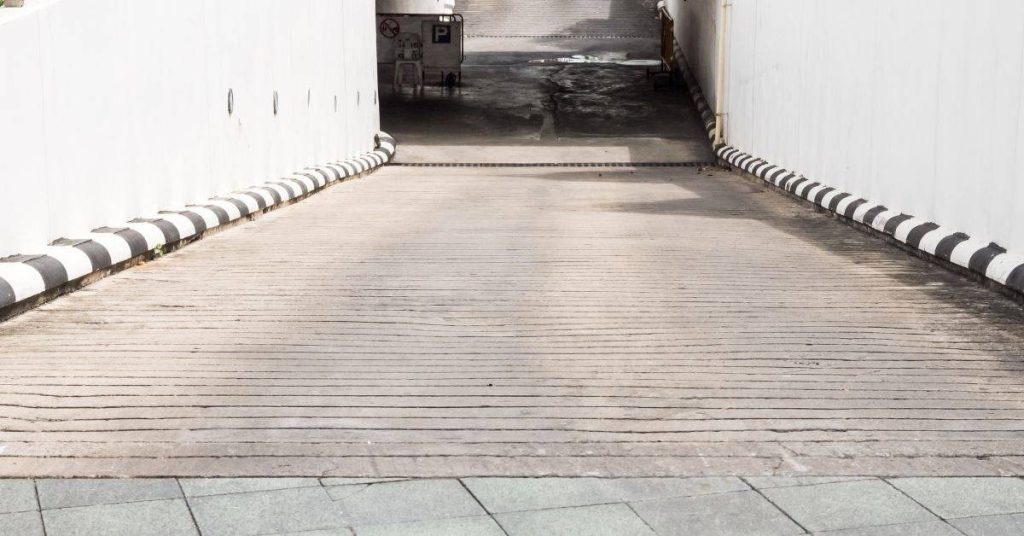
Concrete driveway ramp with grooved surface and side walls

Cold-Weather Concrete Curing for Small Casts: DIY Warm Boxes That Don’t Dry Out

Introduction Cold-weather concrete curing for small casts is keeping moisture and heat in so small pours cure properly in cold conditions. This article walks through hands-on, non-technical steps you can try at home without special equipment. You’ll learn how a simple warm box setup can help small casts stay consistent without drying out. Materials to

Cold-Weather Concrete Curing for Small Casts: DIY Warm Boxes That Don’t Dry Out Read More »

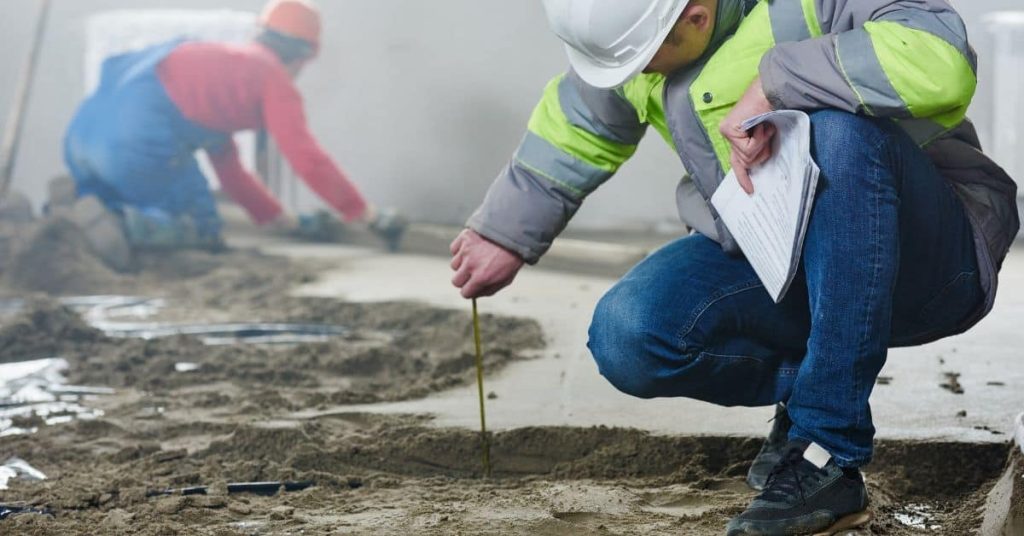
Construction worker measuring wet concrete slab thickness

Concrete Bag-Yield Reality Check: Why You’re Short on Volume and How to Plan It

Introduction Concrete bag yield is the actual volume you get from a bag compared to its labeled size. Bag yield can be affected by how you mix and compact, plus moisture and waste. This article gives a practical look at why you’re short on volume and how to plan ahead. Common misconceptions lead homeowners to

Concrete Bag-Yield Reality Check: Why You’re Short on Volume and How to Plan It Read More »