Partially removed tan stucco revealing brick wall underneath

Stucco Soft Spots at the Base: Diagnosing Capillary Wicking vs Leaks

Introduction Soft spots at the base of stucco usually indicate moisture intrusion, most commonly capillary wicking or a leak. Capillary wicking pulls moisture up from the ground through tiny openings in the stucco and underlying plaster. Leaks come from gaps, cracks, or failed flashings letting water in. To tell them apart, look for wetness patterns, […]

Stucco Soft Spots at the Base: Diagnosing Capillary Wicking vs Leaks Read More »

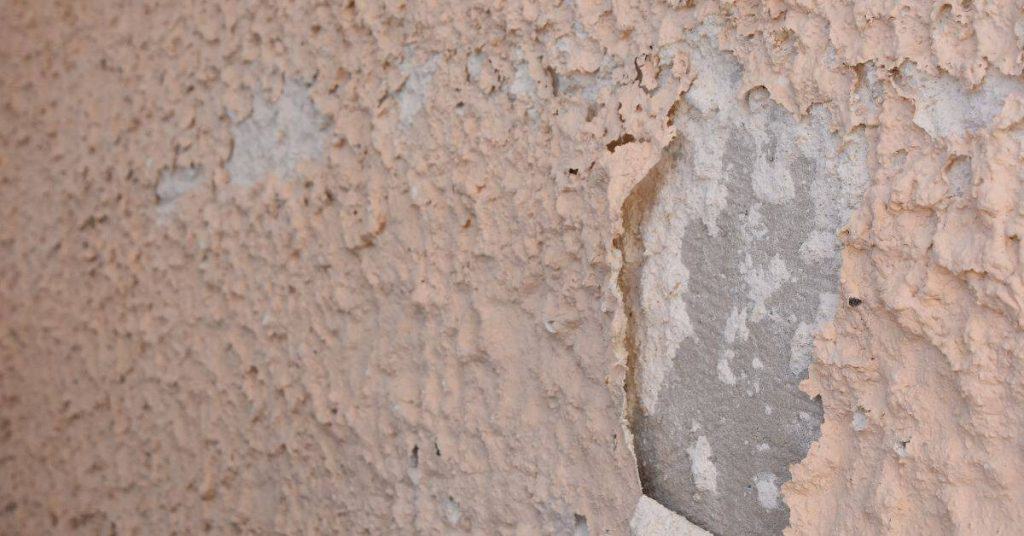
Close up of stucco wall with peeling and damaged surface

Stucco Delamination: Tap Testing, Causes, and Repair Options

Introduction Stucco delamination is when the outer stucco layer separates from the wall underneath. This can show up as hollow spots or peeling under the surface. It’s a sign you should inspect and plan before doing more work. Common causes include poor adhesion, moisture intrusion, or cracks that let the plaster pull away. Repair options

Stucco Delamination: Tap Testing, Causes, and Repair Options Read More »

Person cutting cinder block with angle grinder creating dust

Stucco Clearance to Soil: How Much Gap You Need and Why It Prevents Wicking

Introduction Clearance between stucco and soil is the gap that prevents moisture from wicking into the wall. Keep the stucco edge above grade and away from soil or mulch. If soil comes close, there’s a higher chance water can creep behind the finish. Check the product label and local rules to know the recommended clearance

Stucco Clearance to Soil: How Much Gap You Need and Why It Prevents Wicking Read More »

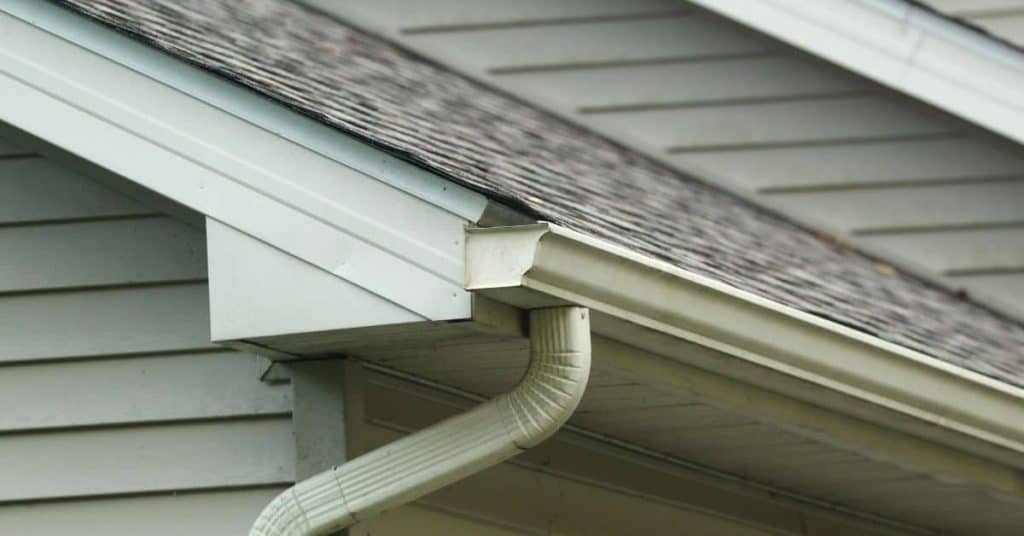
Roof edge with gutter downspout attached to house siding

Roof-to-Wall Clearances: When Stucco Is Too Close and What to Fix

Introduction Roof-to-wall clearances refer to the gap between the roof edge and the adjacent stucco wall. If the space is too tight, moisture and wind can cause problems and costly repairs later. This article keeps things practical and hands-on for a DIY approach. Start by checking the actual gap at the critical spots, then look

Roof-to-Wall Clearances: When Stucco Is Too Close and What to Fix Read More »

Empty white room with ladder and paint supplies

Painting Tips That Actually Work: Setup, Technique, and Cleanup

Introduction Painting tips that actually work are practical steps you can follow for setup, technique, and cleanup on a DIY project. Start with a clean, dust-free surface and protect anything nearby, then gather your brushes, rollers, and containers. Plan your work so you can move from preparation to painting with steady, predictable results. Thinning techniques

Painting Tips That Actually Work: Setup, Technique, and Cleanup Read More »

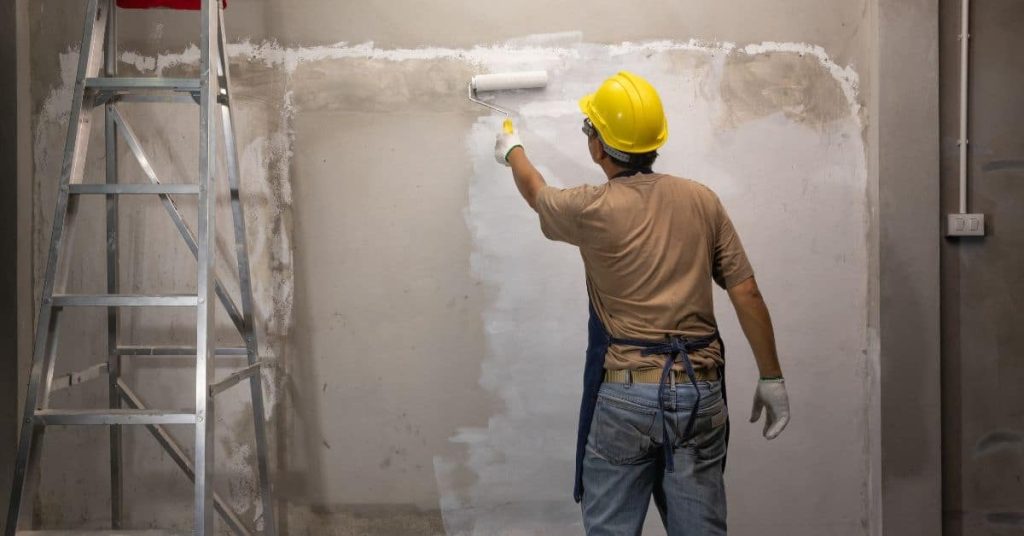
Worker painting wall with roller brush next to ladder

Wall-Painting Shortcuts That Backfire: What to Skip and What to Do Instead

Introduction Wall-painting shortcuts are quick fixes that promise fast results but often backfire later. Skip proper prep, primer, and even consistent drying, and you’ll see peeling, staining, or a finish that’s dull long before you’re done. If you’re choosing between DIY-painted cabinetry, ready-made curtains, peel-and-stick floor tiles, or flat-pack furniture, aim to do the basics

Wall-Painting Shortcuts That Backfire: What to Skip and What to Do Instead Read More »