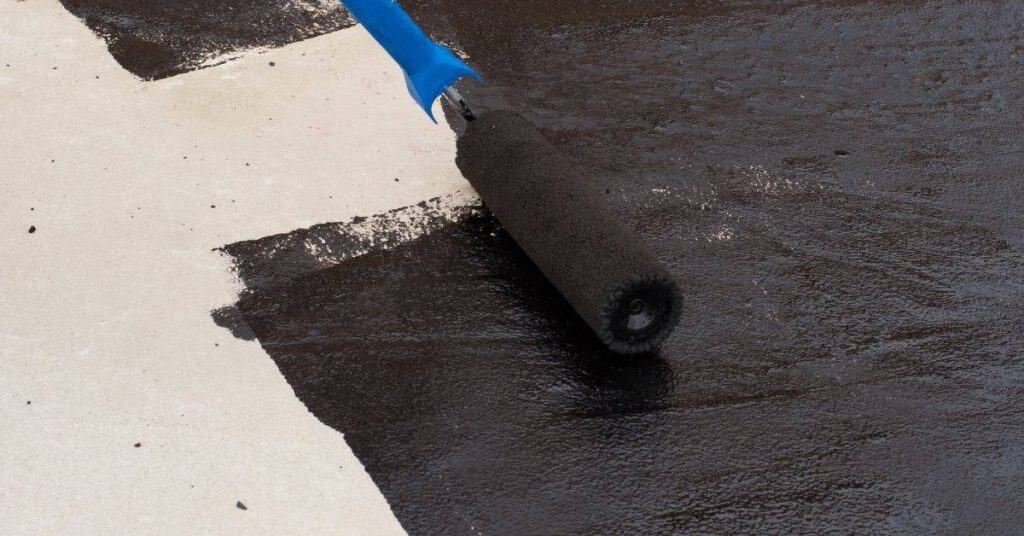
Paint roller applying black concrete sealer on light concrete surface

Concrete Sealer Lap Marks: Why They Happen and How to Prevent ‘Shiny Stripes’

Introduction Concrete sealer lap marks are shiny stripes that appear when sealer dries unevenly along the edges of a previous pass. They often come from pooling, overlapping strokes, or applying too many coats too quickly. In practice, you can spot them as brighter lines where the finish looks different from the surrounding surface. To prevent […]

Concrete Sealer Lap Marks: Why They Happen and How to Prevent ‘Shiny Stripes’ Read More »
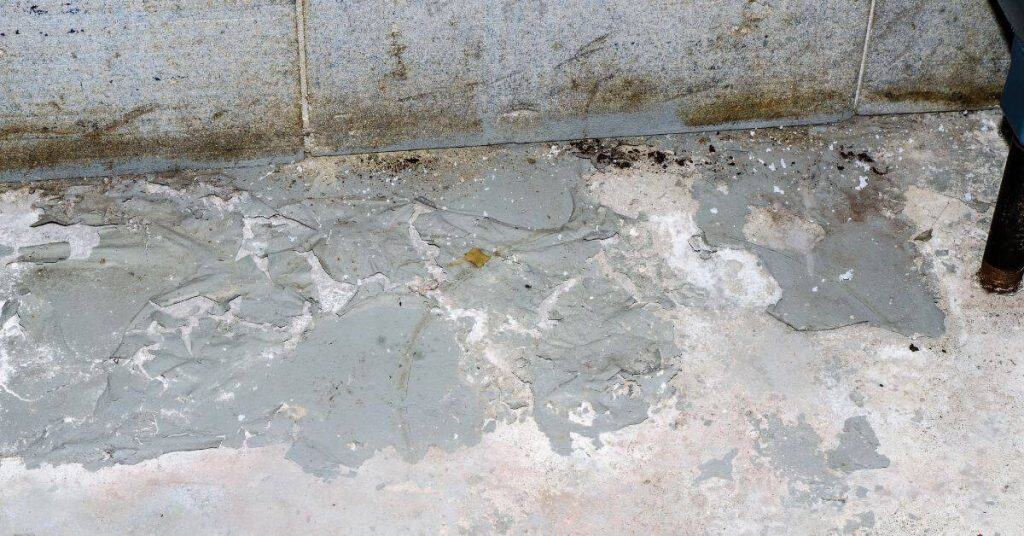
Peeling gray coating on concrete surface near wall

How to Recoat a Concrete Sealer Without Peeling: Adhesion Tests and Prep Steps

Introduction Recoating a concrete sealer means applying a fresh layer over a sealed concrete surface after confirming the old layer sticks well. Before you open a new can, inspect the old finish for peeling or staining and prepare to clean and roughen the surface as needed. Keep the goal simple: the new coat should bond

How to Recoat a Concrete Sealer Without Peeling: Adhesion Tests and Prep Steps Read More »

Box fan on concrete floor with damp stains and wall marks

Sealer Blush/Whitening on Concrete: Causes, Tests, and Fixes That Don’t Trap Moisture

Introduction Sealer blush or whitening on concrete is a cloudy, milky haze that appears on the surface when moisture moves through the material and brings minerals to the surface. It often shows up after sealing or in humid, wet conditions and can look like a fuzzy white film. It’s a common DIY issue on pavers

Sealer Blush/Whitening on Concrete: Causes, Tests, and Fixes That Don’t Trap Moisture Read More »

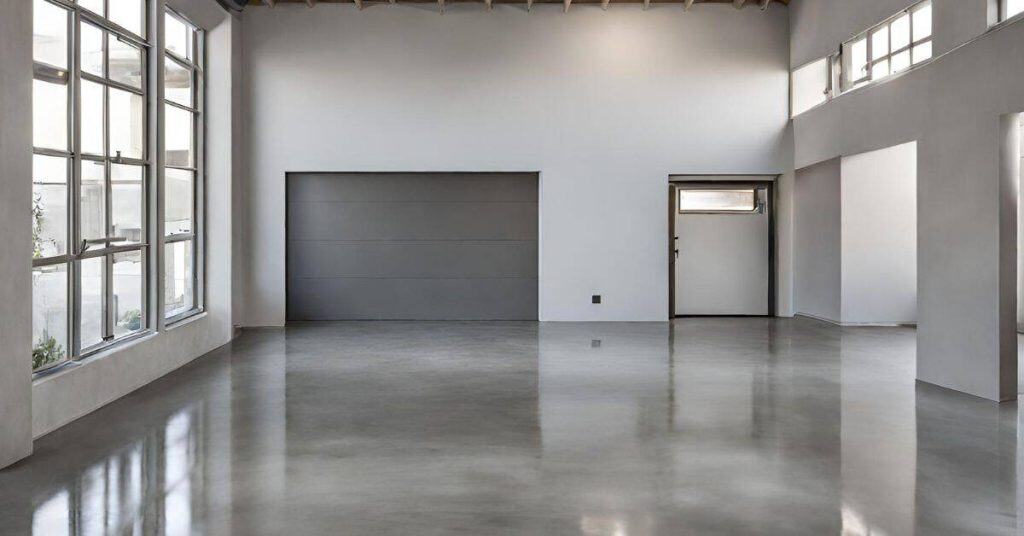
Empty room with polished concrete floor and large windows

DIY Anti-Slip Additives for Concrete Sealers: Where They Work and Where They Fail

Introduction DIY anti-slip additives for concrete sealers are materials mixed into sealers to increase traction on wet or dry concrete. They work by changing the surface texture or increasing roughness at small scales. Before using them, check the product label and follow the manufacturer’s instructions for mixing ratios, safety, and cure times. Different sealers (penetrating

DIY Anti-Slip Additives for Concrete Sealers: Where They Work and Where They Fail Read More »

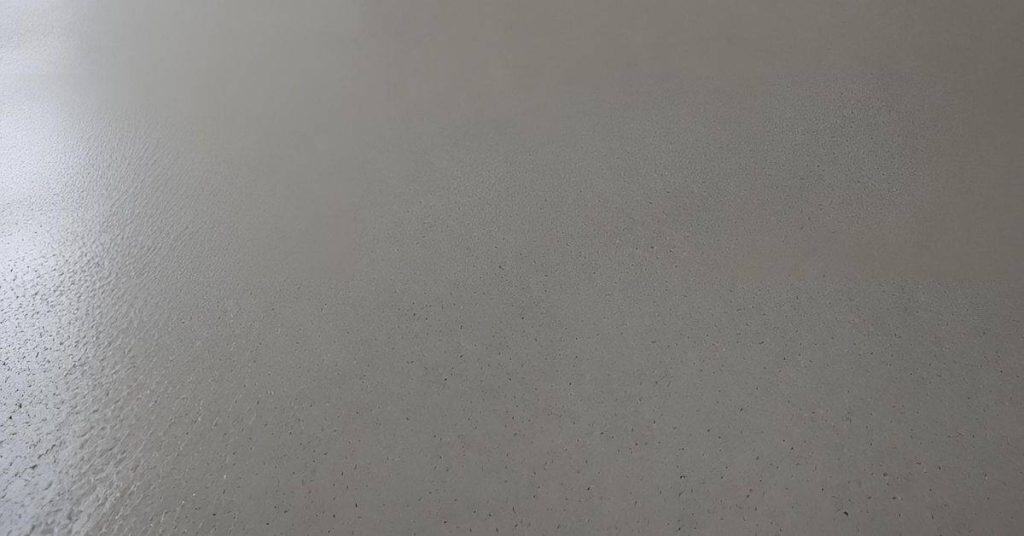
Closeup of smooth fresh gray concrete surface

How to Strip Tire Marks Off Concrete Without Etching the Surface

Introduction Tire marks on concrete can be removed without etching the surface by using gentle cleaners, proper scrubbing, and controlled water flow. First, identify what caused the marks and choose a method that won’t roughen or dull the floor. Always follow the product label and manufacturer instructions, and check local rules before you start. Begin

How to Strip Tire Marks Off Concrete Without Etching the Surface Read More »

Close-up of concrete floor grinding machine in use

Concrete Driveway Oil Stain Removal: Enzyme vs. Poultice vs. Grinding (What Works When)

Introduction Oil stain removal on a concrete driveway comes down to enzyme treatment, poultice, or grinding. Enzymes break down the oil, poultices draw it out, and grinding physically removes the surface. What works best depends on the stain depth, age, and your tolerance for dust or smell. Check product labels and manufacturer instructions, and local

Concrete Driveway Oil Stain Removal: Enzyme vs. Poultice vs. Grinding (What Works When) Read More »

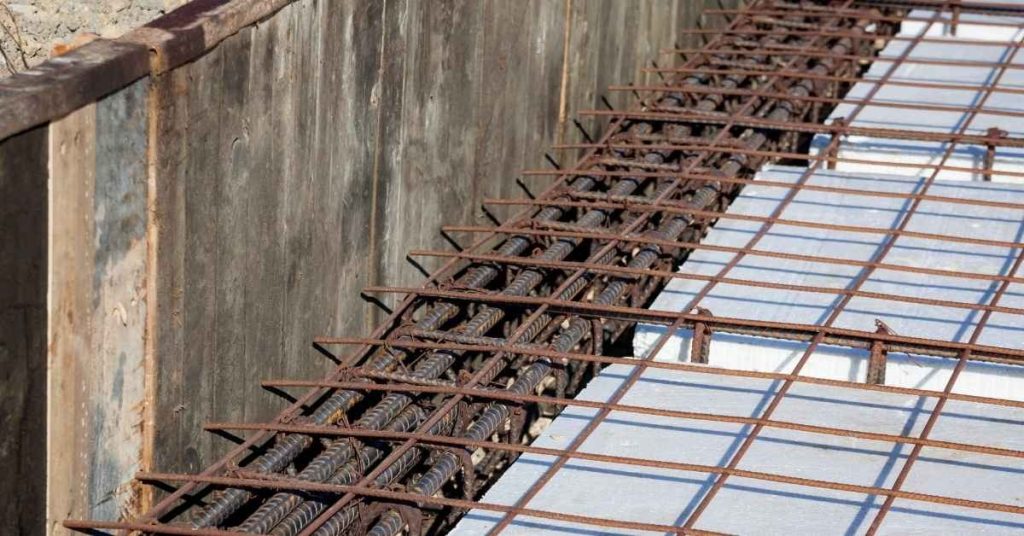
Steel rebar grid and wooden concrete formwork at slab edge

How to Patch a Concrete Slab Edge With a ‘Return’ Form (So It Doesn’t Chip Off Again)

Introduction A patch for a concrete slab edge with a return form is a method to rebuild the edge so it doesn’t chip again. It’s a hands-on repair that focuses on shaping the edge and sealing it with materials suited for your concrete. You’ll want to assess the chipped edge, pick appropriate repair materials, and

How to Patch a Concrete Slab Edge With a ‘Return’ Form (So It Doesn’t Chip Off Again) Read More »

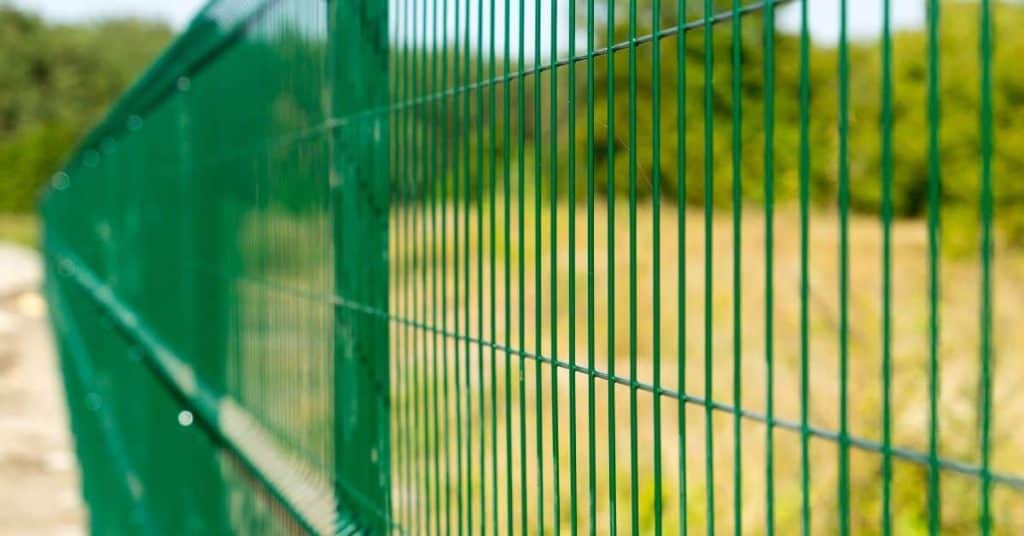
Green painted metal wire panel fence outdoors

Painting Galvanized Metal Outdoors: New vs. Weathered Zinc and Proper Primers

Introduction Galvanized metal is steel or iron coated with zinc to resist rust, and painting it outdoors requires the right primer and prep. Galvanizing can be done by hot-dip in zinc, which creates a sacrificial coating that will weather and may need surface prep before paint. New galvanized metal versus weathered material matters because the

Painting Galvanized Metal Outdoors: New vs. Weathered Zinc and Proper Primers Read More »

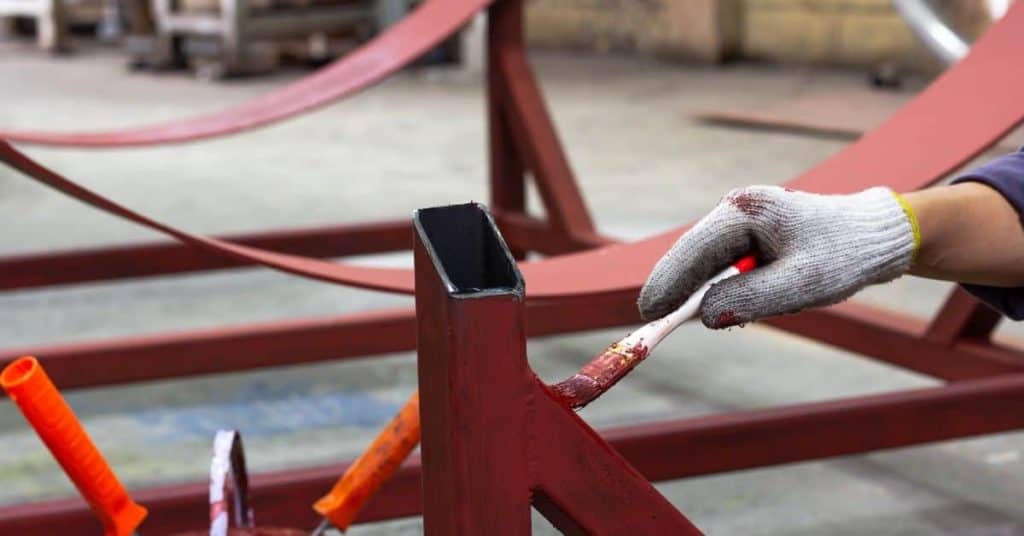
Hand with glove painting red metal structure with brush

Painting Over Powder-Coated Metal: Scuffing, Primers, and When to Skip Painting

Introduction Painting over powder-coated metal is applying a new finish on top of a powder-coated surface after proper prep. The job hinges on scuffing the surface, choosing a compatible primer, and knowing when painting isn’t worth the effort. Take time to clean and dry the metal before you start. This DIY introduction walks you through

Painting Over Powder-Coated Metal: Scuffing, Primers, and When to Skip Painting Read More »

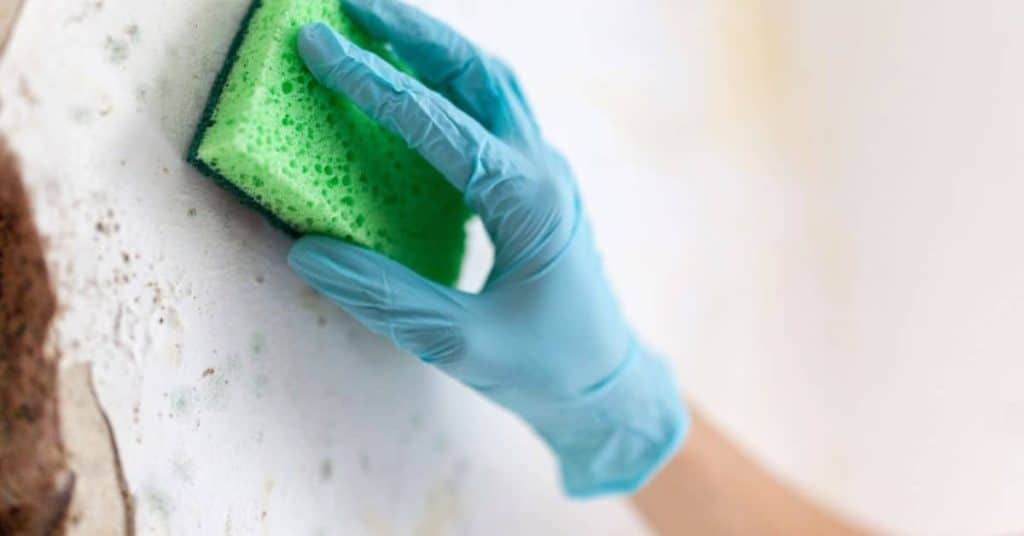
Hand in blue glove scrubbing wall with green sponge

How to Choose a Bathroom Vanity Paint That Survives Water and Cleaning Chemicals

Introduction A bathroom vanity paint that survives water and cleaning chemicals is a moisture-tolerant coating chosen for cabinetry in wet areas. Start by matching your finish to the vanity material and plan proper prep like cleaning, sanding, and priming per manufacturer instructions. Check labels for water resistance and chemical resistance, and follow the guidance on

How to Choose a Bathroom Vanity Paint That Survives Water and Cleaning Chemicals Read More »