close up of cracked concrete surface with one large crack

Concrete Crack Stitching for DIYers: When Staples + Epoxy Beat ‘Fill and Forget’

Introduction Crack stitching is a method to rebind a cracked concrete surface using staples and epoxy to align and hold the pieces. It’s a practical, hands‑on repair you can tackle with basic tools. The stitched bond is designed to move with the slab rather than simply fill the gap. Plan your approach by inspecting the […]

Concrete Crack Stitching for DIYers: When Staples + Epoxy Beat ‘Fill and Forget’ Read More »
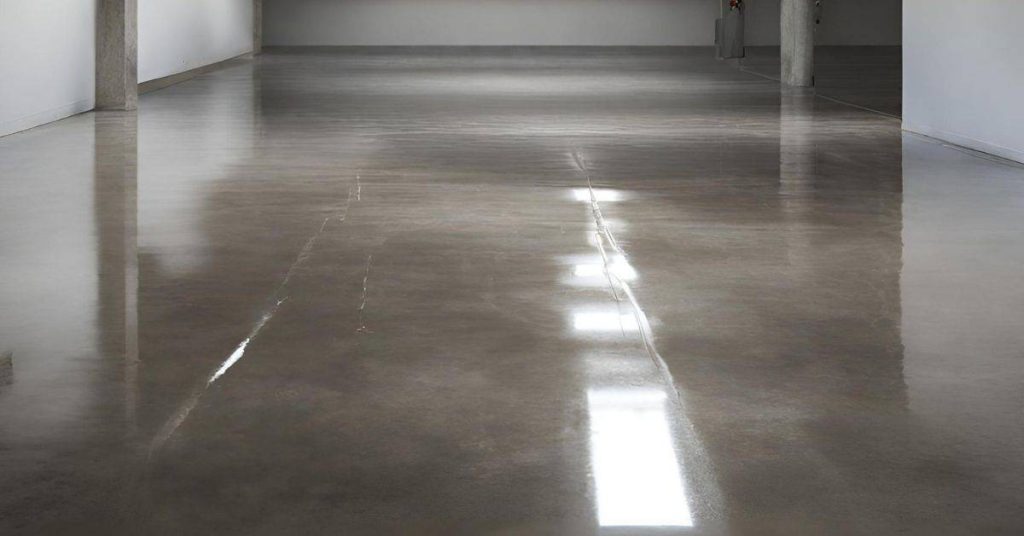
Highly polished concrete floor reflecting overhead lights

How to Make Concrete Look Like Limestone: Washes, Rubbed Finishes, and Sealers

Introduction This is a DIY technique to make concrete resemble limestone using washes, rubbed finishes, and sealers. You’ll work in stages from prepping the surface to applying color washes and texture. This approach aims for a natural, diffused look rather than a glossy finish. Start by cleaning the surface and addressing any rough spots, then

How to Make Concrete Look Like Limestone: Washes, Rubbed Finishes, and Sealers Read More »

Closeup of spider crack on rough concrete surface

DIY Concrete Waterproofing on the Inside: When It Works and When It’s a Trap

Introduction DIY concrete waterproofing on the inside is applying moisture barriers and sealants to interior concrete surfaces to keep dampness at bay. It helps when intrusion comes through cracks, porous walls, or hydrostatic pressure, but it isn’t a substitute for good exterior drainage. We’ll walk through identifying water sources and choosing practical interior steps for

DIY Concrete Waterproofing on the Inside: When It Works and When It’s a Trap Read More »

Clean concrete foundation corner with metal anchors installed

Repairing Honeycombed Concrete at a Foundation Corner (Pack vs. Form-and-Pour)

Introduction Repairing honeycombed concrete at a foundation corner means fixing visible voids and rough pockets where the concrete didn’t consolidate properly. Two practical approaches are packing the void with grout or repair material, or using a form-and-pour rebuild with new concrete. This article compares those options from a hands-on, DIY perspective. When evaluating repairs, look

Repairing Honeycombed Concrete at a Foundation Corner (Pack vs. Form-and-Pour) Read More »

Clean concrete foundation corner with metal anchors installed

Concrete Window Well Pad: Making a Small Slab That Sheds Water Away From the Wall

Introduction A concrete window well pad is a small slab poured around a window well to shed water away from the foundation. It’s a DIY-friendly project that helps stop splash and seepage. You’ll need to plan, mix, pour, and finish with a slope away from the wall. Start by checking the wall clearance and establishing

Concrete Window Well Pad: Making a Small Slab That Sheds Water Away From the Wall Read More »

Worker pouring wet concrete onto ground surface

Pouring a Concrete Pad for a Heat Pump/AC: Vibration Isolation and Drainage Details

Introduction Pouring a concrete pad for a heat pump involves creating a level, vibration-isolated base with proper drainage. Plan a level, supported site and confirm any local rules before you pour. Check the equipment pad specs and local drainage requirements. To limit vibrations, place the slab on a simple isolation layer and centered under the

Pouring a Concrete Pad for a Heat Pump/AC: Vibration Isolation and Drainage Details Read More »

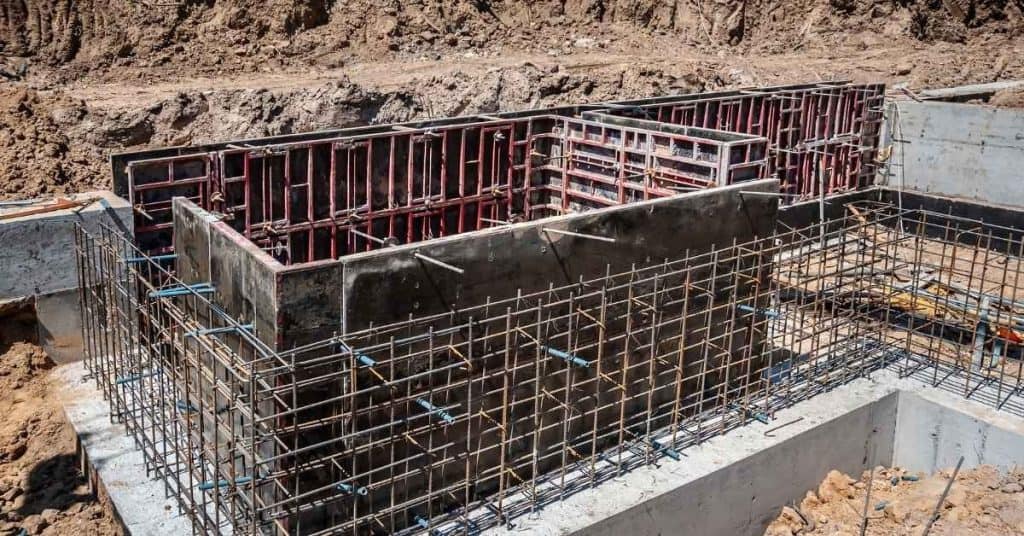
Steel rebar grid and metal formwork on concrete base

Concrete Pad for a Generator: Bolt Layout, Clearance, and Crack Control

Introduction A concrete pad for a generator is a level, reinforced slab designed to support the weight and vibration of a generator. This piece covers how to lay out bolts, keep proper clearance, and control cracks in a DIY-friendly way. Plan a clean, square pad with a solid base and verify level before you pour.

Concrete Pad for a Generator: Bolt Layout, Clearance, and Crack Control Read More »

Weathered wooden fence post with rusty barbed wire attached

DIY Concrete for Fence Posts in Wet Soil: Bell Holes, Gravel, and Frost-Heave Tricks

Introduction DIY concrete for fence posts in wet soil means setting posts in a stable base using bell holes, a layer of gravel, and tricks to manage frost movement. This method helps keep posts upright when the ground is soggy. Plan to pour and cure with attention to drainage and stability and to follow local

DIY Concrete for Fence Posts in Wet Soil: Bell Holes, Gravel, and Frost-Heave Tricks Read More »