Hand holding paint roller with orange paint above drop cloth

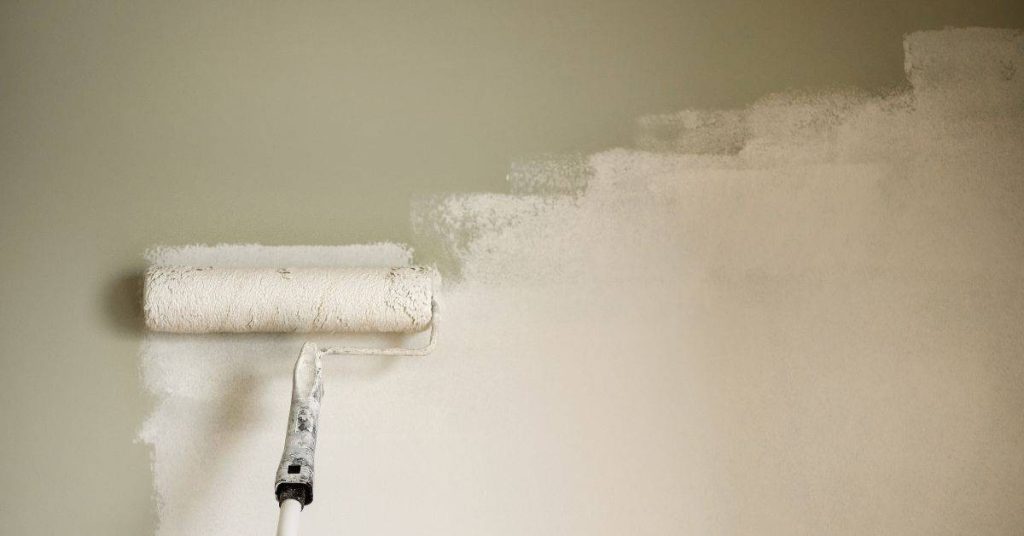
Orange Peel After Rolling: Causes, Fixes, and When Spraying Is Easier

Introduction Orange peel after rolling is a textured, dimpled finish that happens when paint or concrete topping doesn’t level out before it skins over. It’s usually caused by wrong material viscosity, working too slowly, rolling with an unsuitable nap or roller technique, or environmental factors like temperature and humidity. A quick jobsite fix is to […]

Orange Peel After Rolling: Causes, Fixes, and When Spraying Is Easier Read More »

three paintbrushes and one paint roller covered in blue paint

Reusing Old Paint Safely: Straining, Mixing, and When to Toss It

Introduction Reusing old paint safely means checking its condition, removing contaminants, and mixing it back to a usable state before you apply it. Think like a tradesman: look, smell, and stir to decide if it’s worth saving, and follow the product label or manufacturer instructions for thinning or additives. If anything is off—bad smell, mold,

Reusing Old Paint Safely: Straining, Mixing, and When to Toss It Read More »

Paintbrush with white paint against light pink wall

Paint Storage in Freezing Weather: What Freezing Does and How to Test Usability

Introduction Paint storage in freezing weather means the paint can change consistency and performance when exposed to subfreezing temperatures, so treat frozen or thawed paint as potentially compromised. In practical terms, freezing can separate components and alter drying behavior; check the product label or manufacturer instructions for freeze sensitivity. When in doubt, run a usability

Paint Storage in Freezing Weather: What Freezing Does and How to Test Usability Read More »

Closeup of rough plywood and fiberboard surfaces meeting

Chalk Paint Topcoats: Wax vs Poly and How to Avoid Sticky Surfaces

Introduction Chalk paint topcoats are either wax or polyurethane (poly) finishes that protect and change the feel of the painted surface; wax leaves a softer, low-sheen hand while poly gives a tougher, more durable film. Choose wax for a velvety, easy-to-touch finish and poly for higher abrasion and moisture resistance, and check the product label

Chalk Paint Topcoats: Wax vs Poly and How to Avoid Sticky Surfaces Read More »

Person applying light blue paint with brush on wood panel

Painting Over Stained Wood Without Bleed-Through: Sealing and Scuff-Sand Workflow

Introduction Painting over stained wood without bleed-through means sealing the stain so tannins or dye don’t discolor the new paint and then scuff-sanding for adhesion. Do it as a two-step workflow: block the stain with a suitable sealer per the product label, then lightly sand and clean before priming and painting. Keep it practical—test a

Painting Over Stained Wood Without Bleed-Through: Sealing and Scuff-Sand Workflow Read More »

Modern glass sliding door system with metal frames

Converting an Oil-Based System to Waterborne: Step-by-Step Adhesion Protocol

Introduction Converting an oil-based system to waterborne means removing incompatible residues and establishing a surface the new water-based coating can bond to. This is a hands-on process of cleaning, testing, and priming rather than a one-step swap. Check product labels and manufacturer instructions for compatibility and recommended prep methods. Expect to do physical cleaning, solvent

Converting an Oil-Based System to Waterborne: Step-by-Step Adhesion Protocol Read More »

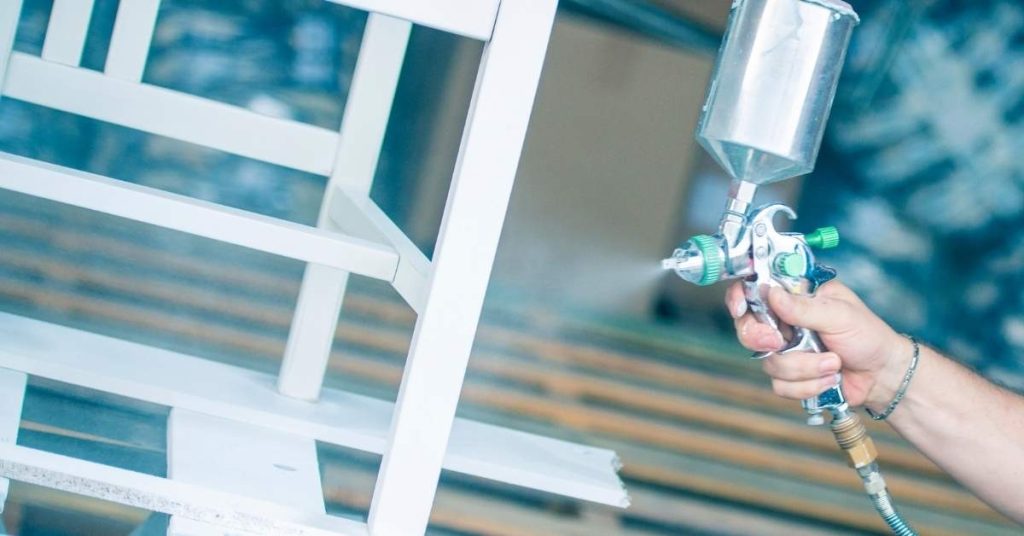
Hand spraying white lacquer on wooden furniture frame

Spray Finishing Cabinets With Waterborne Lacquer: Setup, Dry Times, and Scratch Resistance

Introduction Spray finishing cabinets with waterborne lacquer means using a water-based clear finish atomized through a spray gun to protect and dress cabinet surfaces. It’s a faster-build, lower-odor option than many solvent lacquers, but you should check the product label for recommended spray setup and drying guidance. Expect to work in controlled humidity and temperature

Spray Finishing Cabinets With Waterborne Lacquer: Setup, Dry Times, and Scratch Resistance Read More »

Person holding paint roller with rust color near paint-splattered ladder

Clay Plaster Pigments: Color Mixing, Mottling Control & Testing – Timeline & Schedule

Introduction The timeline for working with clay plaster pigments can vary greatly depending on the size of your project and the complexity of your color scheme. Understanding how to manage your time effectively is crucial for a successful outcome. In this guide, we’ll break down the process into clear, time-based steps, helping you plan your

Clay Plaster Pigments: Color Mixing, Mottling Control & Testing – Timeline & Schedule Read More »

Hand holding plastering trowel with fresh white plaster

Clay Plaster in Bathrooms: Timeline & Duration – Step-by-Step Guide

Introduction Installing clay plaster in your bathroom can transform the space into a warm, inviting haven. But how long does it take? Let’s break down the timeline and duration of this DIY project step by step. From surface preparation to final sealing, understanding the time commitment helps you plan effectively and ensures a successful outcome.

Clay Plaster in Bathrooms: Timeline & Duration – Step-by-Step Guide Read More »