Matt L.

Concrete worker.

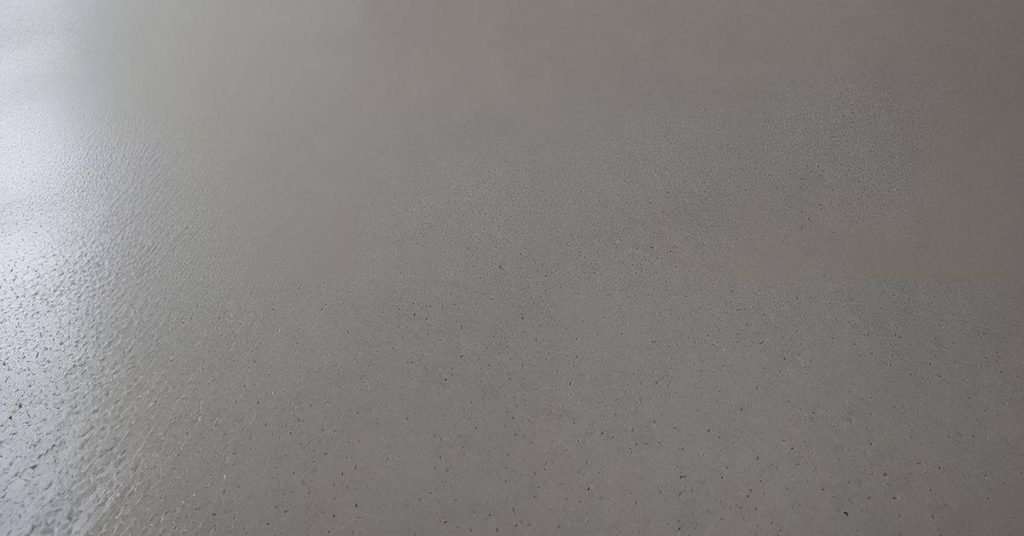
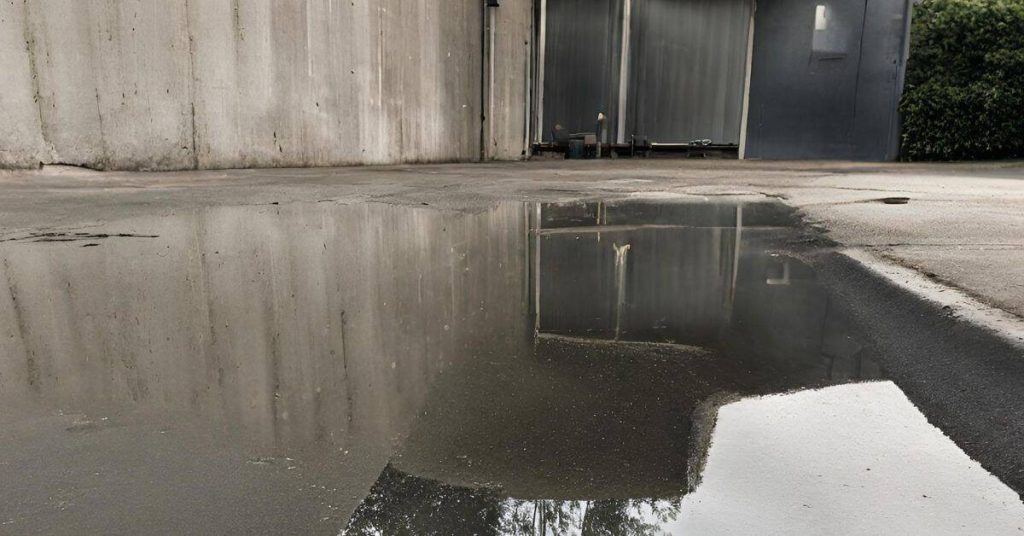
Concrete surface with large water puddle near wall

Concrete Drainage Slope Checks: Simple String and Water Tests Before You Blame the Concrete

Introduction Concrete drainage slope checks are simple on-site tests to verify water runs where you expect instead of assuming the concrete is at fault. Use a taught string or a small water test to see low spots and flow direction before planning fixes. These are hands-on checks you can do with basic tools and a […]
Concrete Drainage Slope Checks: Simple String and Water Tests Before You Blame the Concrete Read More »

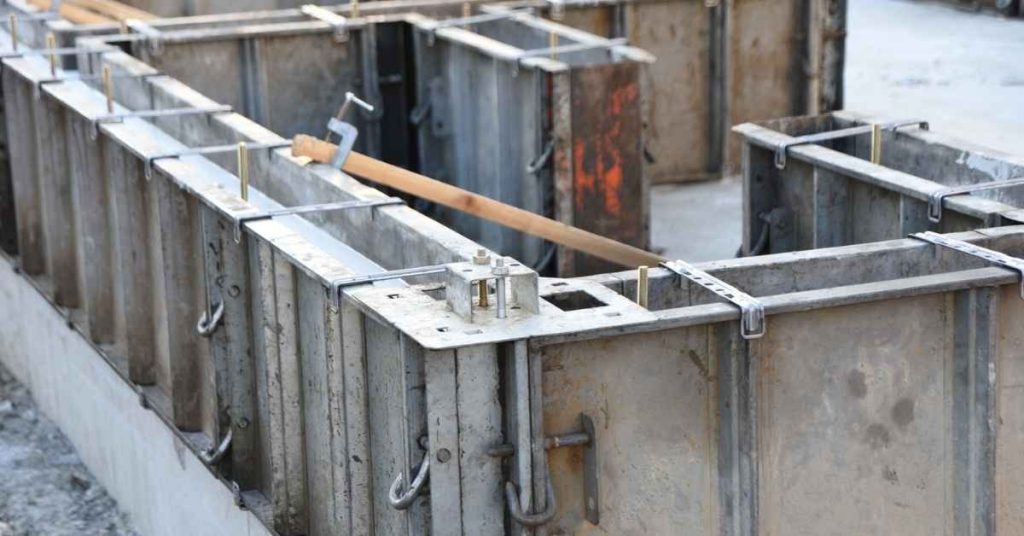
Metal concrete formwork panels arranged in a rectangular shape

Concrete Formwork for Curves: Kerfing Plywood, Flexible Liners, and How to Keep Edges True

Introduction Concrete formwork for curves means shaping temporary molds that guide wet concrete into a smooth, accurate curved edge, using techniques like kerfing plywood or flexible liners to follow the radius you need. In plain terms: kerfing lets stiff sheets bend by cutting relief slots, liners conform with support framing, and both need bracing to

Concrete Formwork for Curves: Kerfing Plywood, Flexible Liners, and How to Keep Edges True Read More »

Concrete wall surface with visible spalling damage

Concrete Spalling at Reentrant Corners: How to Cut Relief Joints That Stop Repeat Damage

Introduction Concrete spalling at reentrant corners is surface and edge breakdown where the inside corner of a slab or wall flakes, chips, or crumbles, and relief joints are cuts you make to interrupt stress paths so the same spot doesn’t fail again. In plain terms: you cut a controlled weak line near the corner to

Concrete Spalling at Reentrant Corners: How to Cut Relief Joints That Stop Repeat Damage Read More »

Stamped concrete patio with curved soft edges and garden bed

Soft-Edge vs Sharp-Edge Arrises on Concrete: How to Tool for Durability and Clean Lines

Introduction Soft-edge arrises are rounded or slightly chamfered corners on concrete that reduce chipping, while sharp-edge arrises are crisp 90-degree edges that give a clean look but can be more vulnerable to damage; choose the edge type based on the use and expected wear. For DIY work this means prepping your forms, selecting the right

Soft-Edge vs Sharp-Edge Arrises on Concrete: How to Tool for Durability and Clean Lines Read More »

Close-up of weathered wooden fence post with barbed wire and grass

Installing a Handrail Post in Concrete: Sleeves, Water Seals, and Freeze-Thaw Details

Introduction Installing a handrail post in concrete means setting a strong anchor that resists forces and stays watertight through freeze–thaw cycles; it’s done by using a post sleeve or flange, sealing the joint, and backfilling or grouting properly. Think like a foreman: plan the hole or sleeve position, choose a sealing method, and follow product

Installing a Handrail Post in Concrete: Sleeves, Water Seals, and Freeze-Thaw Details Read More »

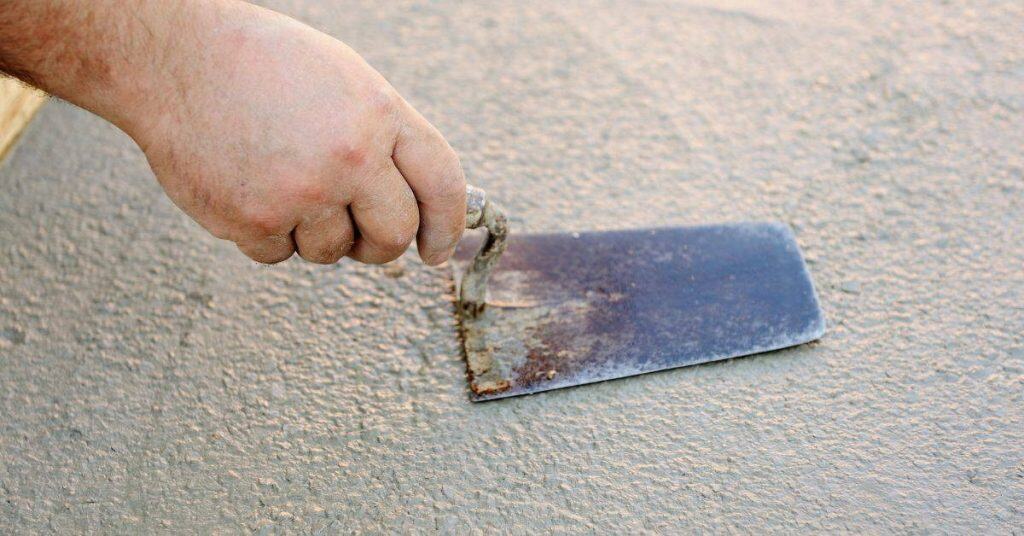
Hand holding a rusty trowel on a stucco surface

Stucco Layers and Purpose: How Each Coat Works and What Failures Look Like When One Is Wrong

Introduction Stucco layers are a sequence of coats—usually a scratch or bonding layer, a brown or leveling layer, and a finish coat—each serving to bond, build thickness, and protect or texture the wall. In plain jobsite terms: the first coat grabs the mesh and substrate, the middle builds out thickness and straightens the plane, and

Stucco Layers and Purpose: How Each Coat Works and What Failures Look Like When One Is Wrong Read More »

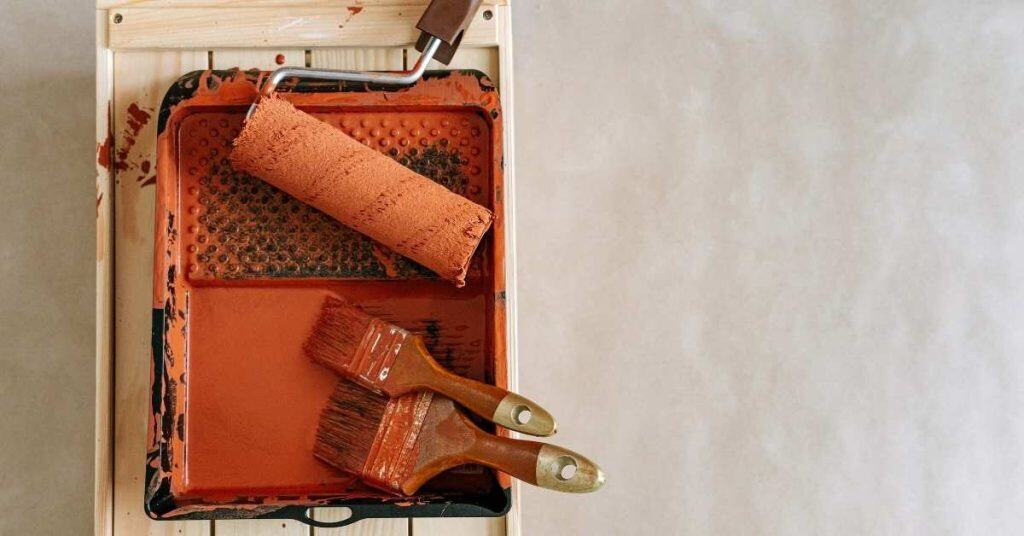
Rust-colored paint roller and brushes in paint tray

Why Primer Fails: Common Adhesion and Stain Problems, Simple Tests, and Reliable Fixes

Introduction Primer fails when it cannot stick to the surface or is overwhelmed by stains; in plain terms, failed adhesion and bleed-through mean the primer lost the mechanical or chemical grip it needs or contaminants pushed through. I’ll walk you through what usually causes those problems on a jobsite and how to spot them before

Why Primer Fails: Common Adhesion and Stain Problems, Simple Tests, and Reliable Fixes Read More »

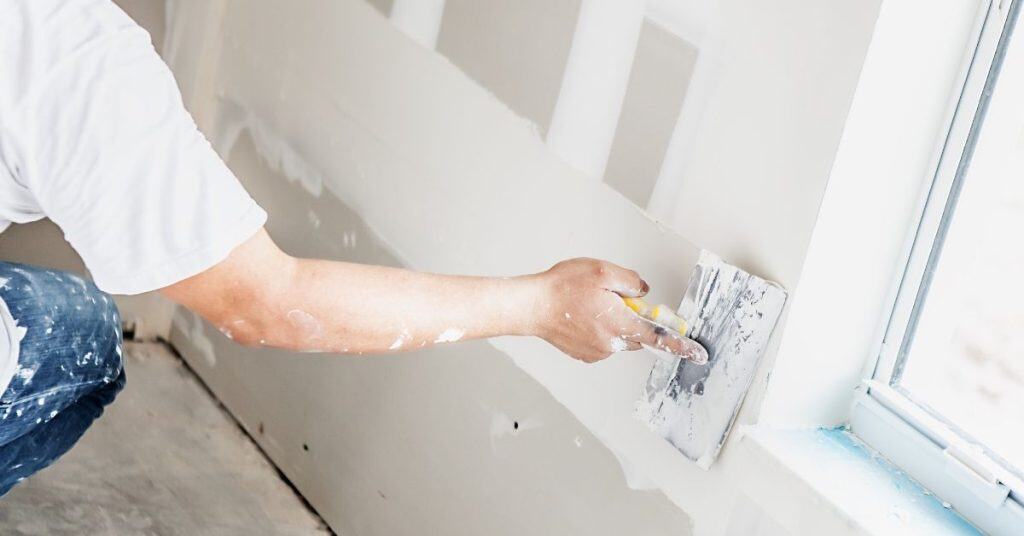
Person applying drywall joint compound near window

Choosing Plaster vs Joint Compound for Repairs: Durability, Sanding, and Paint Finish Differences

Introduction Plaster is a harder-setting wall finish made from cement- or gypsum-based mixes, while joint compound is a softer, gypsum-based product meant for taping and small repairs. For DIYers that means plaster will hold up better in high-traffic areas and where impact resistance matters, and joint compound is easier to apply and feather for small

Choosing Plaster vs Joint Compound for Repairs: Durability, Sanding, and Paint Finish Differences Read More »

Exterior stucco wall with scaffolding and windows

Stucco-to-Window Joint Leaks: Backer Rod Depth, Sealant Profiles, and Flashing Red Flags

Introduction Stucco-to-window joint leaks are failures where the seal between the stucco and the window lets water in, usually from improper backer rod depth, wrong sealant profile, or missing/incorrect flashing. Fixing them is about getting the joint depth right for the backer rod, choosing a compatible sealant, and making sure flashing directs water away from

Stucco-to-Window Joint Leaks: Backer Rod Depth, Sealant Profiles, and Flashing Red Flags Read More »