
Introduction
Roofing facts are the essential truths homeowners should know about protecting their roof and home. This article breaks them down in plain language you can apply on a weekend project. You’ll learn what to check, why it matters, and how to avoid common mistakes.
From material choices to inspection habits, these points help you plan, spot problems early, and decide when to call in a pro. Take it one step at a time, check labels and local rules, and rely on manufacturer instructions for anything you’re unsure about. Always prioritize safety and don’t rush through critical tasks.
Key takeaways
- Inspect roof yearly for missing shingles and signs of wear before winter.
- Weather changes accelerate deterioration; prioritize flashing and valleys in inspections.
- Do simple DIY checks: gutters, vent stacks, and sagging areas visually; avoid slopes.
- Understand that pricing varies by material, labor, and project scope.
- Proper attic ventilation reduces moisture, heat buildup, and shingle lifespan stress.
- Hire licensed pros when flashing, warranties, or permits are likely required; avoid DIY risks.
Table of Contents
- Introduction
- Key takeaways
- Fact 1 — Roof Lifespan and When to Replace
- Fact 2 — How Weather and Climate Impact Roof Health
- Fact 3 — Common Roofing Problems and Simple DIY Checks
- Fact 4 — Roofing Costs, Estimates, and How Pricing Works
- Fact 5 — Choosing Materials and Energy/Performance Impacts
- Fact 6 — Roof Ventilation and Attic Health
- Fact 7 — Flashing, Valleys, and Leak-Proof Detailing
- Fact 8 — Hiring Contractors, Warranties, and Legal/Permit Considerations
- Conclusion
- FAQ
Fact 1 — Roof Lifespan and When to Replace
Roofs don’t last forever, and different materials wear at different rates. Common residential options show a range, but exact lifespans depend on climate, installation quality, and maintenance. Watch for fading, curling shingles, and granule loss as signs replacement may be needed.
If you’re unsure, check manufacturer data sheets or product labels for the rated life. Local building rules or your contractor can help confirm whether repair or full replacement is the best plan. Keep notes on patch jobs and any recurring leaks to guide your decision.
Material-specific lifespans (asphalt, metal, tile, slate, wood)
The lifespan of your roof depends on the material. Here’s what to expect:
- Asphalt shingles: 20-30 years. Look for high-quality shingles with algae resistance and a Class A fire rating.
- Metal roofs: 40-70 years. Choose between steel, aluminum, or copper; avoid low-grade metal.
- Tile roofs: 50-100 years. Terracotta and concrete tiles last longer; avoid thin, poorly fired clay tiles.
- Slate roofs: 75-200 years. Grade 1 slate is the best choice; avoid low-grade or thin slates.
- Wood roofs: 30-50 years. Use cedar or redwood; avoid pressure-treated wood and shakes with a high knot count.
Visual and performance signs of end-of-life
Regular inspections help catch problems early. Here’s what to look for:
Visually, check for curled or cracked shingles, missing granules, or sagging. These could indicate a weak structure.
Performance-wise, leaks are the most obvious sign of trouble. Water stains on ceilings or walls mean it’s time to replace your roof.
Also, keep an eye on your energy bills. A failing roof can let in heat and cold, driving up costs.
Fact 2 — How Weather and Climate Impact Roof Health
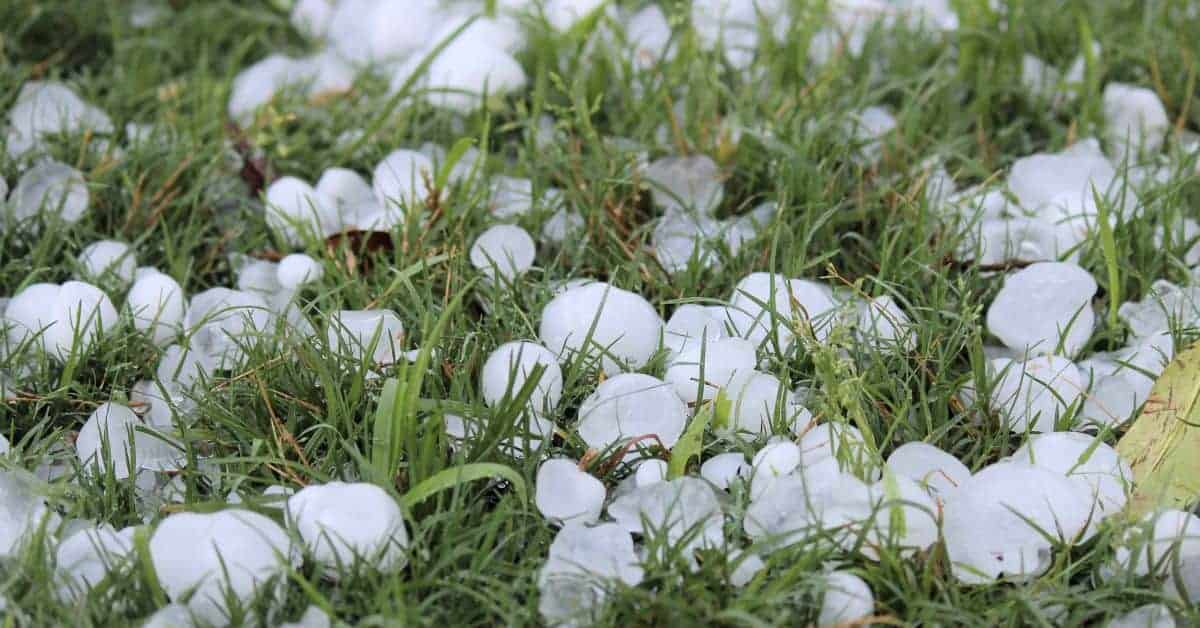
Sun, wind, hail, snow, and humidity all stress roofing materials in different ways. Heat can soften or warp certain shingles; heavy wind can loosen edges; hail can cause pockmarks and cracks. Moisture and freezing cycles promote deterioration over time.
Regional patterns matter: some areas see more moss growth, faster granule loss, or ice dam risks. Verify with local guidance or manufacturer recommendations for materials suited to your climate. Look for corrosion on metal accents and water staining after big storms.
Climate-specific risk factors and maintenance frequency
Different climates pose unique challenges to your roof. Here’s how to stay on top of it:
Cold Climates: Snow, ice dams, and freezing temperatures can cause damage. Inspect your roof twice a year – in spring and fall. Clear snow from valleys and around chimneys.
Hot Climates: Extreme heat can degrade materials faster. Inspect annually, focusing on areas with direct sunlight. Keep gutters clean to prevent water buildup.
Coastal Climates: Salt air and humidity can corrode materials. Inspect every 6 months. Check for rust, rot, or mold growth.
Storm-prone Regions: High winds, hail, and heavy rain can cause immediate damage. Inspect after severe weather events. Trim trees to prevent falling branches.
Storm damage vs. normal wear — what to document
When a storm hits, it’s crucial to know what to record for insurance claims and contractors:
Document Storm Damage: Photograph or video any visible damage immediately after the storm. Record details like wind direction, hail size, and snow depth.
Preserve samples of damaged materials if possible. Keep receipts for any temporary repairs made to prevent further damage.
Normal Wear vs. Storm Damage: Normal wear happens over time. It’s usually gradual and widespread. Storm damage is sudden and localized. Document both, but prioritize storm damage for insurance claims.
Fact 3 — Common Roofing Problems and Simple DIY Checks
Leaks around chimneys, vents, and roof penetrations are common trouble spots. Flashing failures and loose fasteners often lead to water intrusion. Valleys clogged with debris can cause standing moisture and rot if left unchecked.
Safe checks you can perform include visual inspections from the ground or a stable ladder, removing loose debris, and clearing minor blockages near vents. Do not crawl around or disturb damaged areas beyond your comfort and safety level. For suspected issues, consult the manufacturer’s guidelines or a professional.
Safe Roof Inspection Checklist for Homeowners
Before you grab your ladder, follow this checklist to safely inspect your roof.
- Check from the ground: Look for missing or damaged shingles, tiles, or metal panels. Skipping this step could lead you to miss major issues and risk injury climbing a ladder.
- Use binoculars: Inspect valleys, flashing, and chimneys for cracks, gaps, or moss/algae growth. These areas are common trouble spots; neglecting them can cause leaks.
- Inspect gutters: Ensure they’re securely attached and free of debris. Clogged or loose gutters can’t protect your home from water damage.
- Check for daylight: In the attic, look for light shining through the roof. This indicates you have a leak that needs immediate repair.
- Inspect ventilation: Ensure vents are clear and functioning properly. Poor ventilation can lead to moisture buildup and mold growth.
- Check for animal activity: Look for nests, droppings, or damage. Animals can cause significant damage if left unaddressed.
- Inspect roof edges: Check for signs of wear or damage at the eaves and rakes. These areas are prone to damage and should be closely inspected.
- Safety first: If you find any issues while on the ladder, stop immediately. Do not attempt repairs from a ladder; call a professional for assistance.
Quick rule: If you’re unsure about any part of your inspection or find significant damage, always consult a licensed roofer.
Quick Fixes vs. Situations Needing a Professional
Some roofing issues you can tackle yourself, but others require a pro. Here’s how to tell the difference.
DIY quick fixes: Minor leaks, loose shingles, or small animal damage are typically safe for homeowners to repair. Use high-quality materials and follow manufacturer instructions for best results.
When to call a professional: If you notice widespread damage, missing sections of roof, or signs of structural compromise, it’s time to hire a licensed roofer. They have the expertise and equipment to handle complex repairs and ensure your safety.
Safety first: Never attempt repairs that require walking on your roof if you’re not comfortable with heights or don’t have proper safety equipment. It’s always better to err on the side of caution and call a pro.
Fact 4 — Roofing Costs, Estimates, and How Pricing Works
Costs come from materials, labor, roof complexity, removal, and any required permits. A more complex roof with multiple slopes or large overhangs typically adds labor time. Permitting rules can affect total project cost and timeline.
When reading quotes, compare line items for material types, underlayment, flashing, and disposal. Always verify what is included and ask for the contractor’s method and references. If in doubt, check your local building department requirements or the manufacturer’s installation guidelines.
How to compare and vet estimates
When you start getting quotes from roofers, don’t just pick the cheapest one. Here’s a checklist to help you compare:
Materials: Check if they’ve specified similar quality materials. Cheap materials can lead to early repairs.
Labor: Ensure they’ve broken down labor costs. Low labor costs might mean inexperienced workers or hidden fees.
Removal and disposal: Some contractors include this, others don’t. Make sure it’s clear who’s responsible for old roof tear-off.
Financing, insurance, and budgeting tips
Roofing projects can be pricey. Here are some ways to manage the cost:
Financing options: Consider FHA or VA loans if you’re eligible. Some contractors offer financing plans too.
Insurance coverage: If your roof was damaged by a covered event (like hail), insurance might cover it. Check your policy.
Budgeting tip: Always add a 10-15% contingency to your budget for unexpected costs. It’s better to have extra and not need it than to run short.
Fact 5 — Choosing Materials and Energy/Performance Impacts
Durability, energy performance, and local suitability should drive material choice. Common options offer different lifespans and maintenance needs. Consider how they respond to your climate and typical weather patterns.
Review product labels and data sheets for insulation value, reflectivity, and wind resistance. If you’re unsure, ask contractors to explain how a material performs in your region and verify local building codes. Look for warranties that cover both material and workmanship.
Cool roofs, ventilation, and attic insulation interactions
A cool roof reflects sunlight to stay cooler. But it’s not enough on its own.
Proper ventilation lets heat escape through the attic. No hot air trapped means less strain on your roof.
Insulation keeps heat out in summer, in winter. It works with a cool roof and good ventilation for energy efficiency.
All three work together. One without the others isn’t as effective.
Environmental and maintenance trade-offs
Some materials are recycled, some aren’t. Asphalt shingles? Recyclable. Slate tiles? Not so much.
Embodied energy – energy used to make a material – varies. Metal roofs have high embodied energy but last long.
Maintenance needs differ too. Wood shakes need regular upkeep. Concrete tiles, not so much.
Consider all these factors. What’s best for your wallet and the planet?
Fact 6 — Roof Ventilation and Attic Health
Proper ventilation helps manage moisture, control attic temperatures, and reduce ice dam risk. Without it, condensation can lead to mold and accelerated shingle deterioration. Ventilation also supports overall home energy efficiency.
Common types include soffit, ridge, and roof vent configurations. Confirm with the installer that the system matches your attic size and climate. If in doubt, check product instructions or a qualified HVAC/roofing professional for guidance.
Signs of poor ventilation and how to diagnose
Poor attic ventilation can lead to a host of problems. Here’s what to look out for:
Ice dams in win