6 Ways to Reinvent Any Room with Crown Molding: DIY Tips + Smart Alternatives

6 Ways to Reinvent Any Room with Crown Molding: DIY Tips + Smart Alternatives

Introduction

Reinvent any room with crown molding through six practical, stylish approaches.

You’ll learn how to choose profiles, plan layouts, mix materials, and apply smart alternatives that fit different budgets and ceilings, along with tips to avoid common installation mistakes. The guide walks through real-world examples and rules of thumb to help you plan and execute with confidence.

Key takeaways

  • Elevate ceilings by aligning crown profiles with room width and light.
  • Six practical uses include alcove trim, soffits, picture rail, and coves.
  • Plan installation around existing ceilings; measure, cut angles, and test fit first.
  • Use coped joints for clean corners; caulk, paint, and seal for longevity.
  • Smart alternatives include plinth blocks, shadow lines, and foam profiles.
  • Budget by room size; DIY saves, but budget for tools and trim waste.
Table of Contents

Why crown molding transforms a room

Crown molding defines the room’s line and scale. It helps with proportion, hides gaps, and can make a low ceiling feel taller or a tall room feel more grounded. Done right, it ties the living room, bedroom, and kitchen together and delivers the biggest payoff when the ceiling and wall edges are clean.

Different profiles set mood and perceived size, from simple to wider or stepped shapes. Molding helps conceal wall-to-ceiling gaps and misaligned edges at doors and windows, which adds value where things aren’t perfectly square. For DIY, think about material and pre-painted options, and know when to swap to peel-and-stick or decorative accents if a full install isn’t practical.

Aesthetic benefits and style impact

Crown molding is like the icing on a cake—it ties everything together. Whether you’re going for a traditional look with egg-and-dart profiles or something sleeker with simple lines, it sets the tone for your room.

Take a living room, for example. A grand profile can make the space feel more formal and expansive. In contrast, a bedroom might benefit from a lower-profile molding to keep things cozy and calm. The right choice of crown molding can blend seamlessly with doors, windows, and cabinets, making your walls look cleaner and more cohesive.

When choosing a profile, think about the overall vibe you want in each room. For instance, an ogee profile adds a touch of elegance to traditional spaces, while stepped profiles work well for modern homes where simplicity is key.

Practical benefits: concealment, proportion, and acoustics

Crown molding does more than just look good; it hides imperfections. Uneven ceiling lines or gaps where walls meet the ceiling can be a real eyesore. Molding covers these up like a pro.

It also helps with proportions. In smaller rooms, a narrower profile can make ceilings feel higher and give the space an open feeling. For larger rooms, wider crown molding can add depth and balance to the room’s scale.

Another practical perk is acoustics. While it’s subtle, the right type of molding can help dampen sound reflections off the ceiling, making your room feel quieter and more comfortable.
Back to top ↑

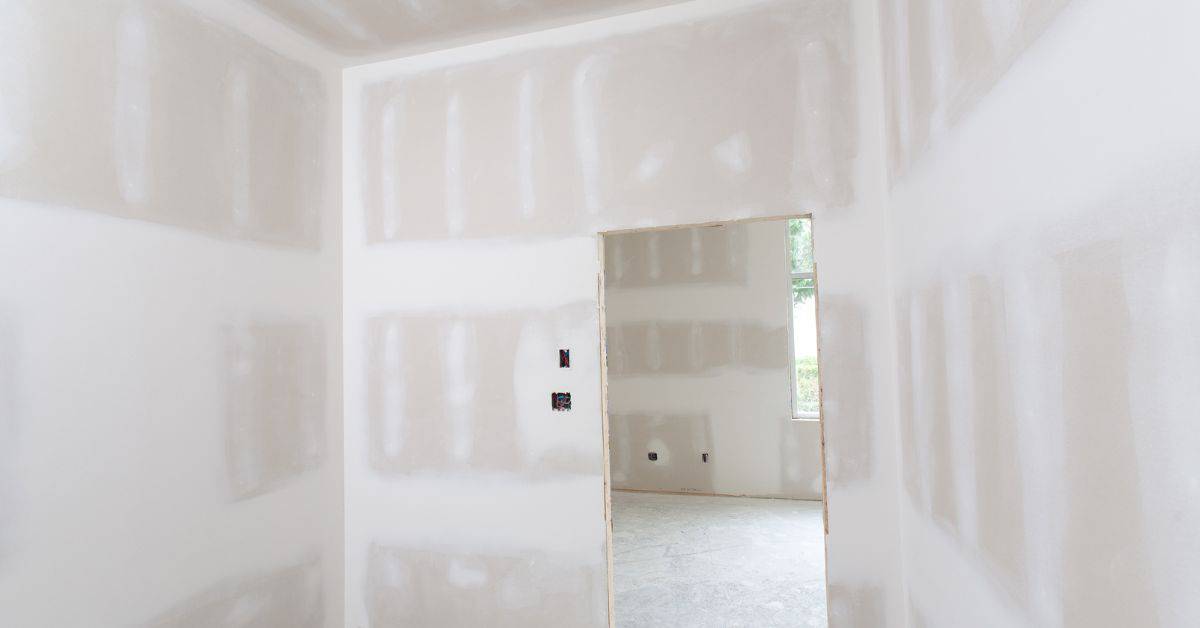
Unfinished drywall interior room with window and doorway
Unfinished walls show the potential impact of adding crown molding

Six practical ways to use crown molding (the core ideas)

Six practical crown molding uses guide the job from plain to polished: full perimeter for a classic, cohesive look; layered profiles to add depth and drama; ceiling-to-wall transitions for seamless high-ceiling rooms; built-in integrations like shelves or mantels; painted contrasts to let the molding be a design feature; and partial or feature molding to create focal points. Each option has a quick scenario to help decide when it fits your room, and you should weigh room size, ceiling height, architectural style, budget, and your skill level before choosing. It’s also smart to think about profile style, material, and finish so the mood stays consistent with the rest of the space.

This introduction helps you plan with practical context: you’ll know which method suits your space and what to check on the label or instructions from the manufacturer. For DIY readers, the payoff is clearer planning, safer cutting, and cleaner alignment with existing features, plus guidance on color or finish choices to control light and perceived space. Use these ideas to sketch quick visuals or bullet mockups, note where color highlights work, and keep a simple pro/con checklist handy so you can decide quickly and safely.

Full-perimeter installation for cohesion

When you want a room to feel complete and cohesive, go with full-perimeter crown molding. This approach is ideal for formal living spaces or dining rooms where continuity across walls sets the tone.

To pull off a full run, measure carefully from corner to corner, accounting for any obstacles like windows or doors. Use a miter saw to make precise cuts at 45-degree angles for corners and align each piece with existing features for a seamless look.

Full-perimeter molding works best in rooms where the ceiling height is consistent and there’s no need for complex architectural elements that might interfere with installation. It’s also great when you want to unify adjacent spaces by extending the same profile into connecting areas, creating a flowing visual effect.

Layered and multi-profile molding for custom looks

For a high-end look that adds depth to your room, consider layered or multi-profile crown molding. This technique involves installing two or more layers of different profiles, creating shadows and highlights that enhance the architectural feel.

The key is balancing scale with ceiling height; don’t go too small for large rooms or too big for smaller spaces. Use a combination of wide and narrow profiles to create visual interest without overwhelming the room.

When installing layered molding, start by securing the base profile first, then add additional layers on top. Ensure each layer is perfectly aligned with the wall and ceiling edges for a clean finish. This approach requires more material but pays off in dramatic visual impact.

Feature and partial applications (accent walls, alcoves, beams)

If you want to add drama without the full commitment of a complete installation, focus on key areas like accent walls or architectural features. This approach is cost-effective and allows for strategic placement that draws attention.

To highlight an accent wall, choose a profile that contrasts with your existing molding or none at all if there’s no pre-existing trim. For alcoves or beams, use crown molding to frame the feature, enhancing its prominence without overwhelming the space.

Partial applications work well in rooms where full coverage isn’t practical due to budget constraints or complex architectural elements. By focusing on specific areas, you can create a focal point that elevates the room’s aesthetic appeal significantly.

Back to top ↑

DIY crown molding installation: step-by-step basics

This section lays out a practical, step-by-step approach to crown molding for the DIY homeowner, from measuring and planning to choosing materials, cutting strategies (coping vs. miters), fastening, filling, and painting. You’ll learn how to pick profiles and materials for kitchens, bathrooms, or basements, plus quick tips to avoid common mistakes. Keep the workflow simple and doable for a typical home project.

You’ll understand why you cope in tight corners, when to mitre for clean outside corners, and how to sequence your cuts to minimize waste. The guidance helps you choose tools, plan fasteners, handle gaps, and finish with a smooth paint or stain, while flagging safety checks and common pitfalls. This matters because a solid plan saves time, reduces callbacks, and delivers a confident, finish-ready result.

Step-by-Step Installation Process

This sequence covers the essential steps to install crown molding, ensuring a professional finish.

  1. Start by measuring and marking your walls for cuts. Use a stud finder to mark where you’ll nail into studs.
  2. Cut your molding pieces using a miter saw or coping saw as needed. Practice on scrap wood first to get clean joints.
  3. Install the corners first, then fill in the lengths between them. This minimizes waste and ensures proper fit.
  4. Use finish nails or adhesive to secure the molding. Drive nails at an angle for better hold and less visible nail heads.
  5. Caulk any gaps around the edges of your crown molding. Fill nail holes with wood filler before sanding smooth.
  6. Sand lightly, then prime and paint your molding. Match the existing wall color or choose a contrasting accent.

Planning, measuring, and layout tips

Accurate measurements are key to a seamless installation. Start by marking your walls for cuts, accounting for corners and ceiling angles.

Tip: Use a laser level or plumb bob to ensure your marks align perfectly with the ceiling edge.

Create a cutting map to minimize waste. Plan your cuts so that longer pieces go where they won’t be seen as much.

Double-check all measurements and layout before making any cuts. A little extra time upfront saves hassle later on.

Cutting and joining: miter vs. cope

Miters are used for inside corners where two pieces meet at a 45-degree angle. Coping is better for outside corners or when you need to fit around obstacles.

For miters, set your saw to the correct angle—typically 38 degrees for standard crown molding. Practice on scrap wood until you get clean cuts every time.

Coping involves cutting a notch in one piece so it fits over another like a puzzle. This is more complex but hides imperfections better than miters.

Installation, fastening, and finishing

Nail your molding into studs for the strongest hold. Use finish nails driven at a 45-degree angle to minimize visible heads.

Caulk any gaps around the edges of your crown molding after installation. This seals out drafts and gives a clean look.

Fill nail holes with wood filler, then sand smooth before priming and painting. Match existing wall colors or use contrasting accents for added style.

Back to top ↑

Person in protective suit spraying foam insulation in attic
Image shows attic insulation, contrasting DIY crown molding installation concepts

Tools, materials, and safety checklist

This section points to the core toolkit for crown molding installs, the material options you’ll actually work with, and the safety gear that keeps you upright and sane on the job. Expect a miter saw, coping saw or jig, a nailer, a caulk gun, and reliable measuring tools such as a tape measure and a pencil, plus practical notes on fasteners and adhesives that suit the chosen material. Also cover safety gear (eye and ear protection, dust mask or respirator, gloves) and basic ladder and power tool habits so you don’t learn hard lessons after the fact.

Why it matters: planning the setup, dry-fitting, and a clean work surface prevents costly mistakes and keeps finishes intact. Outline a simple workflow: set bench height and use blocks or cleats, test-fit corners with cope-and-cut where possible, then move to permanent fasteners and caulking, while avoiding overdriving nails and keeping tools sharp and cords clear. If you aren’t sure of an option, check the product label or datasheet, and tailor decisions to solid wood, MDF, or foam/PVC with respect to weight, finishability, moisture resistance, and budget.

Recommended tools and substitutes

Before you start your crown molding project, make sure you have the right tools or know where to find them.

  • Miter saw: Essential for precise cuts. Confirm it’s set up correctly with a test cut.
    If skipped: Inaccurate angles lead to poor fit.
  • Coping saw or jig: For clean corner joints. Test your setup on scrap material.
    If skipped: Jagged edges and visible gaps.
  • Nailer: Quick and strong fastening. Check it’s loaded with the right nails.
    If skipped: Loose molding that falls off.
  • Caulk gun: For sealing joints. Ensure you have a full tube ready.
    If skipped: Visible gaps and drafts.
  • Tape measure, pencil: Accurate measurements are key. Double-check your marks.
    If skipped: Incorrect cuts waste material.

Quick rule: Always test tools on scrap before cutting real pieces.

Material options and what to choose for each room

Pick the right material based on your project needs and budget constraints.

  • Solid wood: Best for high-end looks. Check it’s straight-grained.
    If skipped: Warping or cracking over time.
  • MDF (Medium Density Fiberboard): Cost-effective, easy to work with. Confirm no moisture exposure.
    If skipped: Swelling and weakening of material.
  • Polyurethane foam: Lightweight, budget-friendly option. Ensure it fits your profile.
    If skipped: Poor fit leading to visible gaps.
  • Polystyrene (Styrofoam): Great for DIY projects. Verify no UV exposure.
    If skipped: Yellowing and brittleness over time.

Quick rule: Choose material based on room conditions and desired finish.

Safety and workspace setup

Ensure your work area is safe before starting any project involving power tools or ladders.

  • Eye protection: Prevent debris from entering eyes. Check glasses fit properly.
    If skipped: Eye injuries are common with flying particles.
  • Hearing protection: Reduce noise damage. Confirm earplugs or muffs cover ears completely.
    If skipped: Long-term hearing loss risks.
  • Dust mask/respirator: Protect lungs from dust and fumes. Ensure it fits snugly.
    If skipped: Breathing difficulties and long-term health issues.
  • Gloves: Prevent cuts and splinters. Confirm they fit well without hindering work.
    If skipped: Risk of injury from sharp edges or tools.

Quick rule: Always wear appropriate safety gear before starting any task.

Back to top ↑

Smart alternatives to traditional crown molding

Smart alternatives give a budget-friendly, time-saving path to a crown-like profile without heavy carpentry. The options—paint-only trim illusions, lightweight foam molding, peel-and-stick crown, picture rails, and Cove lighting/LED profiles—can mimic traditional crown lines.

Choose the option based on room function, ceiling height, and style goals, then plan surface prep, adhesive or fastener needs, and basic tooling. Lighting options add mood and can reduce the need for a bulky molding, but follow label directions and wiring safety, and check durability in humidity areas.

Low-cost and temporary options

If you’re looking for a budget-friendly way to add some flair without committing long-term, peel-and-stick crown molding is your go-to. It comes in various profiles and finishes, making it easy to match any room’s style. Just clean the surface, apply adhesive, and press into place—no miter saw or coping skills needed.

For a more substantial look that still keeps costs down, lightweight foam molding offers a solid profile at a fraction of traditional wood’s weight. It installs with basic tools like a utility knife for cutting and a staple gun to secure it in place. Foam is great for renters or those who want to change up their decor without permanent alterations.

Another low-commitment option is painting trim illusions directly onto the ceiling edge. Use painter’s tape to create crisp lines, then apply your chosen color. This method requires no materials beyond paint and a steady hand but can dramatically enhance room aesthetics with minimal effort.

Integrated alternatives: lighting and trim combos

Cove lighting is a sleek way to replicate the shadow lines of traditional crown molding without the bulk. Install recessed lights along the ceiling edge, angling them slightly downward to mimic the light catchers of real profiles. This approach works well in contemporary spaces where minimalism reigns.

Shadow gaps are another modern take on trim effects. By leaving a small gap between the wall and ceiling, you create natural shadows that define space edges without any physical molding. This technique is ideal for rooms with high ceilings or large open areas where traditional profiles might look out of place.

Thin LED strips can also be used to highlight architectural features like beams or alcoves. These lights are easy to install and provide a customizable lighting solution that fits seamlessly into the design without adding bulk. Consider using dimmable LEDs for added ambiance control, enhancing both functionality and aesthetics.

When to hire a pro vs. DIY alternative

Deciding whether to go the DIY route or hire a professional depends on several factors. If your room has complex angles, high ceilings, or intricate architectural details, it might be best to leave it to the pros who have the right tools and experience.

Hiring a pro also makes sense if you’re dealing with historical restoration projects where preserving original elements is crucial. Professionals can handle delicate materials and ensure that your work meets the standards required for such sensitive environments.

On the other hand, DIY alternatives like peel-and-stick or foam molding are perfect for those who want to save money and time while still achieving a professional look. These options require less skill and fewer tools, making them ideal for beginners or small-scale projects where precision isn’t as critical.

Back to top ↑

Budgeting, timelines, and common mistakes to avoid

Key budgeting and planning reality: set realistic budget bands for crown molding materials (polystyrene, wood, or MDF), tools, fasteners, and finishing, plus a contingency cushion, and check local prices and sales to keep the total in the practical range. Plan timelines by room and scope, from measuring and cutting to priming, painting, and final fitting, and be ready to adjust for ceiling height, wall irregularities, and room size. Avoid common traps by mapping out a simple step-by-step path and noting where mistakes tend to creep in so you can head them off early.

Why it matters: getting numbers and timing right saves days on the job and keeps your project from stalling. This is about translating the plan into a doable schedule, a clear list of materials and tools, and a fixes-first mindset for mistakes like bad miter cuts or missed expansion gaps. Use a practical checklist for measurements, dry-fit, fastening plan, caulking, sanding, and paint readiness, and always order a little extra for waste and mistakes. Check product labels and manufacturer guidance for specific limits, and remember safety and working near electricals or on ladders when you’re deciding to rent vs buy tools or hire a pro for tricky angles.

Typical costs and time estimates

For a small bedroom, expect to spend around $200-$400 on materials like polystyrene or MDF crown molding. Add another $150-$300 for paint, primer, caulk, and other finishing supplies. Factor in 6-8 hours of work time.

In larger living rooms, costs can range from $400 to over $1,000 depending on the complexity of the profile and ceiling height. Allocate at least two days for installation, plus an extra day for painting and touch-ups.

Remember to add a 10-20% contingency cushion for unexpected issues like material waste or design changes. Always check local prices and shop sales for better deals.

Common mistakes and how to fix them

Avoid these common pitfalls that can ruin your project:

  • Poor measurements: Double-check all dimensions before cutting. Use a laser level for accuracy.
  • Improper miter cuts: Practice on scrap pieces first. Adjust the saw angle carefully.
  • Missed expansion gaps: Leave small spaces at corners and along long walls to allow for movement.
  • Incorrect fastener spacing: Space nails or screws evenly, about 8-12 inches apart. Overcrowding can cause splits.

Fixing these issues early saves time and money in the long run.

Quality checkpoints and final inspection

Before declaring your project complete, use this checklist:

  • Seam alignment: Check that all joints are flush and straight. Use a level to ensure no gaps.
  • Paint continuity: Look for any missed spots or uneven coverage. Touch up as needed.
  • Nail pops: Inspect for raised heads or loose fasteners. Re-nail if necessary.
  • Expansion gap placement: Confirm gaps are present and correctly sized to allow movement.

Quick rule: If it looks right, feels solid, and is well-finished, you’re ready to move on.

Back to top ↑

White crown molding inside corner with two different wall colors
Example of a clean inside corner joint in crown molding installation

Conclusion

Get this right and crown molding adds real character without wrecking your room or your budget. Prioritize safety, durability, and a clean look, and you’ll end up with a finish that stands up to daily life and still looks sharp.

First, plan the install in logical steps: measure carefully, pick a style and height, confirm stud locations, choose a straightforward installation method, prep walls and corners, cut and test fit each piece, join joints cleanly, seal or caulk gaps, and finish with paint or stain in a safe, controlled area. Move in small, deliberate steps and keep everything level as you go; if something feels off, pause and recheck before moving forward.

Two or three common mistakes to avoid are rushing through angles and joints, which creates gaps; skipping protection like eye and ear gear or proper ladder safety; and blasting through work without double-checking measurements or test fitting pieces first. Safety rules to keep in mind are: unplug tools when changing bits, wear eye protection and a dust mask, support long pieces with a helper or a saw horse, and test fit in sections before committing. If you’re unsure about wiring, ceiling height constraints, or structural issues, stop and reassess or call a pro.

If the job would push your limits—high ceilings, dense trim, or tricky corners—and you’re unsure about mounting safety, alignment, or finishing, it makes sense to bring in a pro. Otherwise, stay patient, stick to the plan, and you’ll finish with consistent lines and solid joints. You’ve got this—start with a single, clean line and build from there.

Back to top ↑

FAQ

What is the easiest way to start with crown molding?

Measure twice, cut once. Start with a simple, straight wall and use a miter box or a compound miter saw. Keep your lines level and check the corners for gaps before installing.

Should I use foam, wood, or PVC crown molding?

Wood feels solid and is easy to repaint, but it can warp. PVC and foam resist moisture and are cheaper, but they look less premium. Pick based on room, budget, and how much you want to trim out.

How do I handle crooked walls or uneven ceilings?

Use a level and a flexible caulk to hide small gaps. For big deviations, scribe the molding to fit and adjust the wall line first. Don’t force cuts that don’t fit the real wall.

What mistakes should I avoid with crown molding?

Avoid shallow copes, loose nails, and gaps at corners. Don’t rush the finish or skip priming and paint. If in doubt, skip fancy joints and keep it tight and clean.

Back to top ↑