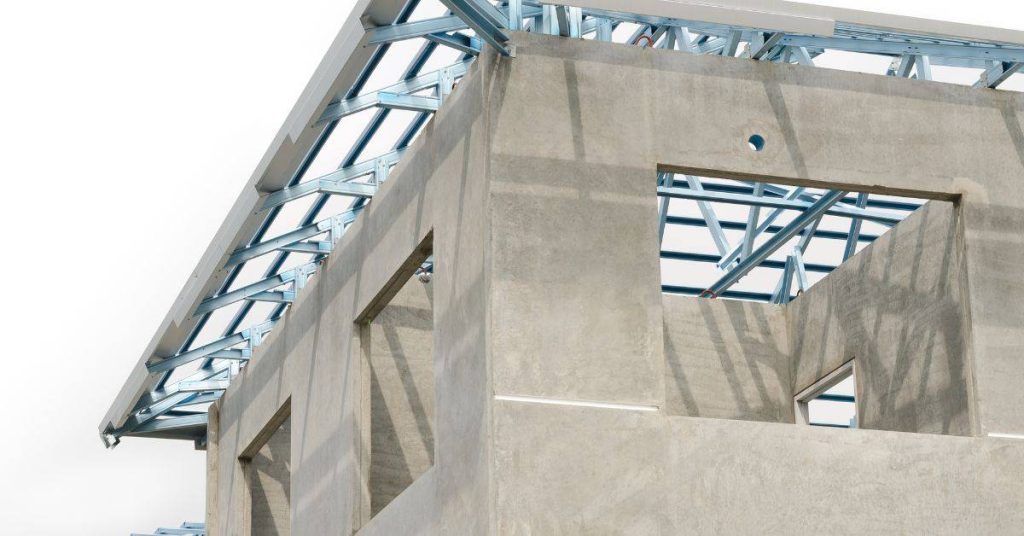
Concrete precast wall under metal roof framework construction site

Water Quality for Concrete: Chlorides, Sulfates, and Why ‘Clean’ Isn’t Always Safe

Introduction

Water quality for concrete means using water free of contaminants that can weaken or damage the mix. Chlorides and sulfates in water can affect set, strength, and durability, so test or check labels and manufacturer guidance. In DIY terms, treat water like part of the recipe you must verify before mixing.

There are standards and local rules to consider, so check your local building codes and environmental guidelines for process water. Look at the water source, test if possible, and compare to what the mix requires, then decide if treatment or alternate water is needed. If in doubt, ask the supplier or a professional and rely on the label instructions and your local rules.

Key takeaways

  • Check local water quality specs before batching; chlorides and sulfates affect set and durability.
  • Compare test results to standard guidelines; adjust mix design or treatment accordingly.
  • Beware high chloride content can corrode embedded steel and reduce long-term strength.
  • Monitor sulfate levels in process water; incompatible sulfates cause expansion and cracking.
  • Follow water specifications and regulatory standards to avoid process water violations.
  • Implement QA/QC: sample, test, and log water quality and batch impact.
Table of Contents

Why Water Quality Matters in Concrete

Water chemistry drives how concrete hydrates, sets, and ages. It also influences long-term durability and reinforcement protection. Even water that looks clear can carry compounds that harm performance.

This section outlines how chlorides, sulfates, and organics affect cementitious reactions and corrosion risk. You’ll learn practical on-site checks and when to rely on lab data. The goal is to connect water quality to life-cycle costs and performance in real projects.

Hydration, setting, and early-age performance

Water quality directly impacts how concrete behaves during its first critical hours. Contaminants can alter cement hydration, affecting workability, setting time, and strength development.

Chlorides and sulfates can accelerate or delay the set, making it hard to control finishing times. They can also reduce early-age strength, leading to weak concrete that’s prone to damage during construction.

Clear water isn’t always safe. It might look clean but still contain harmful levels of chlorides or sulfates that slow down hydration and weaken the concrete.

Long-term durability and maintenance implications

Poor water quality can lead to long-term problems. High sulfate levels can cause efflorescence, a white powdery deposit on the surface that affects appearance. It can also react with concrete’s minerals, causing expansion and cracking.

Chlorides can corrode steel reinforcement, weakening the structure over time. This increases maintenance costs and reduces the lifespan of your concrete.

High total dissolved solids (TDS) or hardness can cause scaling and spalling, making surfaces rough and prone to damage. Organic matter can also promote bacterial growth, leading to further deterioration.

Structural safety and liability risks

Accelerated degradation due to poor water quality poses structural safety risks. Corroded reinforcement can lead to sudden failures, causing injuries or property damage.

Documenting water quality is crucial for design and legal protection. If a structure fails due to poor concrete quality, you could be held liable if you didn’t verify the water’s suitability.

Always test your water. It might save you from costly repairs or even lawsuits in the future.

Back to top ↑

Chlorides — Sources, Mechanisms, and Impacts on Concrete

Chloride contamination means chloride ions are present in concrete or its mix water, which can threaten steel reinforcement. It differs from other contaminants even if the mix appears clean. Visible clarity does not guarantee low chloride content.

Primary sources include de-icing salts, marine exposure, seawater or brackish water, contaminated aggregates, and migratory groundwater. The main ingress mechanisms are diffusion, capillary action, and moisture movement, influenced by porosity and cracking.

How chlorides accelerate rebar corrosion

Chlorides are particularly aggressive when it comes to steel reinforcement. They break down the protective layer, or ‘passive film’, on the steel’s surface. This process is called depassivation.

Pitting corrosion then sets in. Chloride ions create small pits on the steel, which grow and deepen over time. Unlike other ions, chlorides are especially effective at this because they can penetrate the passive film even at low concentrations.

Moisture and oxygen fuel this corrosion process. Even if your concrete looks clean, chlorides can still be present and cause damage. That’s why it’s crucial to understand their impact.

Common on-site and environmental chloride sources

Chlorides can come from various sources on your jobsite or in the environment. Seawater is an obvious one, especially if you’re working near a coast.

De-icing salts used during winter can also be a problem. Contaminated aggregates or admixtures might introduce chlorides into your mix. Even trucked water can be a source if it’s not from a clean supply.

It’s important to trace the supply chain of all materials and ingredients. This way, you can identify any potential chloride sources and mitigate their impact on your concrete.

Signs and tests for chloride contamination

While visible signs of chloride contamination aren’t always apparent, there are some clues to look out for. Cracking or spalling concrete can indicate corrosion-induced damage.

Laboratory tests can confirm the presence and concentration of chloride ions in your mix water or concrete. The most common method is chloride ion titration. This test measures the total amount of chlorides present.

Field tests like the rapid chloride test (RCT) can also be useful. These tests measure the rate at which chlorides migrate through a concrete specimen under an applied electric potential. They give you a quick indication of your concrete’s resistance to chloride penetration.

Back to top ↑

Sulfates — Interactions with Cementitious Materials and Damage Modes

External sulfate exposure comes from soils, groundwater, and certain industrial waters, while internal sources can arise from cement or aggregates. Each path has distinct timelines and severity. Sulfates react with cement phases to drive expansion and cracking.

Key reactions involve ettringite formation and transformations that weaken the matrix. The effect varies with cement type and the use of supplementary cementitious materials. This section outlines observable damage and practical prevention strategies.

Chemical mechanisms of sulfate attack

Sulfate attack occurs when sulfates react with cementitious materials, leading to expansion and degradation of concrete. The main reaction involves the formation of ettringite, a long, needle-like crystal that grows within the concrete’s pores.

Ettringite forms when sulfate ions (SO42-) react with tricalcium aluminate (C3A), a component of ordinary Portland cement (OPC). This reaction also produces calcium hydroxide (Ca(OH)2). The growth of ettringite crystals puts pressure on the surrounding concrete, causing it to expand and crack.

In addition to ettringite, sulfate attack can also lead to the formation of gypsum, which occurs when sulfates react with calcium hydroxide. While gypsum does not cause expansion like ettringite, its formation can still contribute to concrete degradation by occupying space within the pores and reducing the concrete’s effective cross-sectional area.

Typical sulfate sources in construction water

The most common source of sulfates in construction water is sulfate-bearing groundwater. This can occur naturally, as sulfates are present in many soil and rock formations. Sulfates can also leach into groundwater from industrial effluents or waste disposal sites.

Certain types of soils and aggregates may also contain sulfates. For example, gypsum (CaSO4.2H2O) is a common mineral in some soils, and its dissolution can contribute sulfates to concrete mixtures.

Industrial settings can be another source of sulfates. Effluents from factories or power plants may contain high levels of sulfates, which can contaminate nearby water sources if not properly treated.

Detection and early-warning symptoms

To detect sulfate attack, both laboratory tests and field observations are crucial. In the laboratory, sulfate content can be determined using methods such as ASTM C1012 or ASTM C1543. These tests involve extracting pore water from concrete cores and analyzing it for sulfate concentration.

In the field, early-warning symptoms of sulfate attack include:

  • Softening: Concrete may feel soft or crumbly to the touch.
  • Cracking: Cracks may appear on the surface of the concrete, often in a map-cracking pattern.
  • Expansion: Measurable expansion of the concrete structure may indicate sulfate attack.

If any of these symptoms are observed, further analysis is warranted to confirm the presence and extent of sulfate attack.

Back to top ↑

Water Specifications and Regulatory Standards Explained

Water specs are project-specific because exposure drives different durability requirements. Stricter criteria may apply to chloride or sulfate exposure than generic guidelines. Your decisions should hinge on the actual environment and risk profile.

Look to standard families and local codes for acceptance criteria. This includes national code groups, local building codes, and project or owner specifications. Always verify with the latest certificates and guidance from responsible authorities.

Standards and guidance to consult

When defining acceptable water quality for your concrete project, don’t rely on generic rules. Check these standards and guidelines:

National codes: ACI (American Concrete Institute), CSA (Canadian Standards Association), or EN (European Norm) equivalents provide general guidelines.

Local building codes: Consult your local jurisdiction’s building codes for specific requirements.

Jurisdiction-specific water quality guidelines: Some areas have unique water quality standards due to environmental factors.

Owner or project-specific specifications: These may override general rules, so always check them.

Also, consult material manufacturer guidance. They often provide specific recommendations for their products.

Typical parameters to include in specs

To ensure concrete performance and durability, specify and test these common water quality parameters:

Chloride concentration: Limit chloride content to prevent rebar corrosion. Typical limits range from 0.15% to 0.60% by weight of cement.

Sulfate concentration: Limit sulfates to prevent sulfate attack. Acceptable levels vary but are often below 2,000 ppm.

pH: Specify a pH range (usually between 5 and 12) to ensure water reactivity with cement.

Total dissolved solids (TDS) or conductivity: Limit TDS/conductivity to control the amount of dissolved salts in water.

Organic content: Limit organic matter to prevent interference with concrete hydration.

Turbidity: Specify a maximum turbidity level (often below 5 NTU) to ensure water clarity.

Practical tips for writing enforceable water clauses

To ensure your project’s success, write clear and enforceable water quality clauses. Here’s how:

Define sampling frequency: Specify when and how often water samples should be taken (e.g., daily, weekly).

Set acceptance criteria: Clearly state the allowable ranges for each parameter.

Assign responsibilities: Identify who’s responsible for testing, treating, or sourcing alternative water if necessary.

Outline remedies: Specify what happens when water quality doesn’t meet standards (e.g., treatment, replacement, or compensation).

Also, keep records. Document all tests, results, and actions taken to maintain compliance.

Back to top ↑

Modern concrete building facade with hospital sign

Testing Methods, Sampling Protocols, and QA/QC

Testing aims to detect concrete performance risks tied to water quality, including chloride and sulfate effects and setting behavior. Both field and lab methods have roles in a DIY context. Escalation is needed when results are unclear.

Compare lab analyses with rapid field tests, noting their strengths and limitations. Include a clear sampling plan, proper handling, and documented QA/QC steps to ensure reliability and traceability.

Laboratory analyses to order

To ensure reliable water quality results, order specific lab tests for your concrete project. Here’s what you need:

Ion analyses: Chlorides and sulfates are key contaminants in concrete. Order these tests to detect and quantify their levels.

pH, conductivity/TDS: These tests help understand the water’s aggressiveness towards concrete and its potential impact on set time.

Organics (optional): If you suspect organic contaminants, consider ordering organics testing. Consult your lab for test menus tailored to your project.

Portable field tests and visual checkpoints

Before sending samples to the lab, use these quick field tests and visual checks to get initial indications of water quality.

  • Chloride test kit: Use colorimetric strips or a handheld meter to detect chloride levels. High chlorides accelerate rebar corrosion.
  • Sulfate test kit: Check sulfate levels using similar kits. High sulfates can cause sulfate attack damage.
  • Conductivity meter: Measure water conductivity for an initial idea of total dissolved solids (TDS) and potential set time influence.
  • Visual checks: Inspect water clarity, color, and any visible contaminants. Murky or discolored water may indicate issues.
  • Rebar exposure: Check if rebar is exposed to chlorides in the water. Exposed rebar can corrode quickly.
  • Cement hydration: Observe cement hydration in a small test sample. Slow or incomplete hydration may indicate set time issues.
  • pH strips: Use pH strips to check water acidity/alkalinity. Extreme pH can affect concrete performance.
  • Temperature: Measure water temperature. Temperature affects both set time and chemical reactions in concrete.

Quick rule: Field tests give quick indications, but always confirm with lab analyses for accurate results.

Sampling best practices and frequency

Proper sampling ensures representative water quality data. Here’s how to do it right:

Representative sampling: Take samples from all relevant sources – source water, treated water, tanker/soakment water, in-field mixing water. This ensures you capture real-use conditions.

Avoid contamination: Use clean, BPA-free bottles and avoid touching the inside of the bottle with your hands. Preserve samples properly to prevent changes during storage and transport.

Maintain chain-of-custody: Keep records of who handled the sample, when, and under what conditions. This ensures sample integrity and traceability.

Retest after changes: Concrete water requirements can change due to supply shifts or seasonal variations. Retest your water regularly to ensure it still meets project specifications.

Back to top ↑

Treatment, Mitigation, and Alternative Water Options

On-site treatment options vary in appropriateness depending on the contaminant profile. Filtration, deionization, or softening may be suitable in some cases, while others require sourcing changes. Early planning helps avoid schedule or budget shocks.

Consider sourcing alternatives like pre-screened municipal water or controlled storage to minimize contamination. Weigh the trade-offs between capital costs and long-term reliability when choosing a path.

On-site treatment and its limits

On-site water treatment is a viable option to reduce harmful constituents like chlorides and sulfates. Methods include:

  • Filtration: Removes solid particles but not dissolved salts.
  • Ion Exchange (Deionization): Effective against chlorides, sulfates, and TDS, but costly and slow for large volumes.
  • Dilution: Reduces concentrations but doesn’t eliminate contaminants. Technical feasibility, throughput, and cost must be verified for your project scale.

Alternative water sources and supply strategies

Choosing the right water source impacts concrete quality. Consider:

  • Potable Municipal Supply: Pre-screened, reliable, but may have high upfront costs.
  • Trucked Water: Flexible, but can be expensive and time-consuming to coordinate.
  • Harvested Rainwater: Free, but requires pretreatment (filtration, UV sterilization) to remove contaminants. Store in sealed tanks to prevent recontamination.
  • Blended Sources: Combine multiple sources for cost-efficiency and reliability. Pre-qualify all suppliers to ensure water quality.
  • Well Water: Can be low-cost, but requires testing for contaminants like sulfates and chlorides.

Mix-design and admixture strategies to tolerate impurities

Incorporating certain materials can increase tolerance to contaminants:

Supplementary Cementitious Materials (SCMs): Like fly ash or slag, SCMs reduce the cement content, making concrete less sensitive to sulfates. Validate performance with trials.

Low-Permeability Mixes: Dense mixes using high-range water reducers or superplasticizers can resist sulfate ingress. Test for strength and durability.

Corrosion-Inhibiting Admixtures: These can protect reinforcement from chloride-induced corrosion, but must be compatible with your mix design and tested for effectiveness.

Back to top ↑

Cost, Lifecycle Impacts, and Pre-Project Planning

Water quality choices drive upfront mix adjustments, possible admixtures, and long-term repair risks. These factors influence overall project cost and asset life. Treat water quality as a design and budgeting parameter from the start.

Use a simple decision framework to compare upfront adjustments against lifecycle costs. Identify gates for changing cement type, SCM use, or treatment steps, and document decisions for future reviews.

Comparing upfront controls vs long-term repairs

Investing in water quality testing and treatment upfront can seem expensive, but it’s often cheaper than fixing problems later. Here’s why:

Upfront costs: Testing and treating water adds to your initial budget. But it’s a one-time expense.

Long-term repairs: Ignoring water quality issues can lead to durability problems, costly repairs, or even premature replacement. These can happen years after construction, with no warning.

For example, chlorides in water can cause corrosion in reinforcement, leading to expensive repairs and reduced lifespan of the structure.

Integrating water quality into site geotechnical/environmental surveys

Water quality should be part of your initial site assessment. Here’s how to include it:

Coordinated sampling: Plan water sampling alongside other geotechnical and environmental tests. This ensures you get a complete picture of the site conditions.

For instance, if you’re testing soil strength, also test the groundwater quality at the same depths.

Integrated risk management: Share your findings with designers and owners. They can use this data to make informed decisions about mix designs, admixtures, and protective measures.

For example, high sulfate levels in groundwater might dictate a low-heat cement type or the inclusion of sulfate-resisting admixtures.

Case studies and real-world lessons

Here are two brief examples that illustrate the importance of considering water quality:

Lesson from a bridge: A bridge in a coastal area failed prematurely due to chloride-induced corrosion. The initial cost of using corrosion-resistant reinforcement or protective coatings would have been far less than the replacement cost.

Success story of a dam: A dam in an area with high sulfate groundwater used a low-heat cement and sulfate-resisting admixtures. After 20 years, it’s still performing well, with no signs of deterioration.

These examples show that understanding water quality upfront can save you money and extend the life of your structures.

Back to top ↑

Common Mistakes, Practical Checklist, and Immediate Actions

Frequent errors include using untested recycled water, ignoring chloride/sulfate limits, and skipping pH checks. Inadequate sampling frequency and poor documentation are common sources of trouble. Detecting these early helps prevent escalations.

This checklist covers tests to run before mixing, quick in-field checks, and a clear decision path for approving or rejecting water. When tests fail, isolate the batch, switch sources if possible, and log all actions for QA follow-up.

Typical selection and treatment errors to avoid

Before you start mixing, use this checklist to avoid common water-related mistakes.

  • Don’t assume clear water is safe: Always test. Visually clean water can hide contaminants.
  • Check chloride & sulfate limits: Excess can cause corrosion and expansion issues.
  • Avoid seasonal variability: Water quality changes with seasons. Retest regularly.
  • Account for supply changes: New sources or treatments may affect water quality.
  • Test pH & alkalinity: Extreme values can harm concrete’s strength and durability.
  • Avoid sitting water: Contaminants multiply over time. Use fresh samples.
  • Sample frequently: Water quality changes quickly. Regular testing is crucial.
  • Test for total dissolved solids (TDS): High TDS can reduce concrete’s workability and strength.
  • Avoid recycled water without tests: Untested recycled water may contain harmful contaminants.

Quick rule: Always test, even if water looks clean. Better safe than sorry.

Tools and materials checklist for site testing and mitigation

Before you start testing, ensure you have these essential tools and materials on-site.

  • Sampling bottles: Clean, airtight bottles for collecting water samples.
  • Portable test kits: Quick, easy tests for pH, alkalinity, chloride, sulfate, and TDS.
  • Conductivity meter: Measures total dissolved solids (TDS) quickly and accurately.
  • Personal Protective Equipment (PPE): Safety glasses, gloves, lab coats to protect from chemicals.
  • Lab contacts: Know your lab’s contact details for sending samples and getting results.
  • Temporary isolation materials: Sandbags, barriers to isolate batches if water fails tests.
  • Markers & labels: Clearly mark and label samples to avoid mix-ups.
  • Record-keeping materials: Logbook, pens to document all testing and actions.

Quick rule: Have these tools ready. They’ll save you time and prevent mistakes.

Immediate workflow after a failed test

If a water test fails, follow this immediate workflow to minimize damage and delays.

  • Stop batching: Immediately halt mixing operations to prevent further contamination.
  • Quarantine material: Isolate the affected batch using sandbags or barriers.
  • Notify engineer: Inform your project engineer or QA team about the failed test.
  • Retest promptly: Collect new samples and retest to confirm results. Don’t wait.
  • Implement mitigation: If retests pass, blend the batch with approved water if possible. If not, discard and start fresh.
  • Log all actions: Document every action taken, including dates, times, and responsible parties.
  • Escalate if needed: If mitigation fails or results are inconclusive, escalate to your project manager or engineer for further instructions.

Quick rule: Act fast. The sooner you address a failed test, the less damage it’ll cause.

Back to top ↑

Conclusion

The core takeaway is simple: water quality directly shapes safety, durability, and appearance of concrete. Treat it with the same care you give the mix design, and don’t rush decisions that could cause cracks, corrosion, or costly repairs later.

To move forward, confirm your water source and its limits, verify you’re following the project’s specifications and local rules, and run the recommended tests or have them done on a small trial batch first. Begin with a quick, practical check: identify the water source, note any changes in composition, ensure sampling follows the protocol, and document QA/QC steps. If testing shows potential threats, pursue approved treatment options or select an alternative water supply before committing to full pours.

Common mistakes doom projects fast: using untested water or ignoring chloride and sulfate levels, skipping proper testing timing, or trying to fix slump with more water without reevaluating strength and durability. Always apply strict safety rules: isolate the test batch, wait for accurate results, and follow approved procedures. If readings are high or uncertain, don’t push ahead with the same mix—adjustments can be irreversible and costly.

When to call a professional: if chloride or sulfate content is near or above limits, if your site needs complex treatment or multiple water sources, or if the project is large enough to impact structure and code compliance. If in doubt, seek expert guidance before proceeding. Stay deliberate, stay safe, and push toward a solid, durable result with confidence. You’ve got this.

Back to top ↑

FAQ

How does chloride content in mixing water affect concrete performance?

Chlorides can lead to faster corrosion of embedded steel when concrete cracks orwater reaches rebar. For DIY projects, avoid水 with high chloride readings and check label or datasheet for chloride limits. If unsure, use a tested source or ask the supplier for a certificate of analysis.

What should I know about sulfate levels in mix water?

Sulfates in water can interact with cement and cause delayed expansion or damage in some mixes. If you’re using materials prone to sulfate reactions, verify the water’s sulfate content with the supplier’s data. When in doubt, choose a water source with no sulfate warnings on the label or datasheet.

What are practical water quality standards I should look for when mixing concrete?

Look for clear guidance on what your local project expects for wash water, potable water, and process water. Read the manufacturer instructions and any local rules for your area. If standards aren’t stated, ask the supplier for a written specification or use certified process water.

What testing protocols should I follow to verify mix water quality?

Use a simple sampling plan: collect representative water from the source you’ll use, then compare against the supplier’s or manufacturer’s guidelines. Check for chloride and sulfate content if a specification calls for it, and ensure you have an up-to-date certificate of analysis. If results aren’t clearly within acceptable ranges, don’t gamble—switch sources or treat the water per instructions.

Back to top ↑