
Introduction
Softwood flooring is flooring made from commonly available conifer lumber that is lighter and workably easier to install than many hardwood options. It tends to show dents and wear more readily and can be more sensitive to moisture. You’ll want to check manufacturer guidance for finish, staining, and acclimation before installing.
Common fixes for wear include wood filler that matches the stain and a fresh coat of finish. Keep in mind that softwood may be more prone to denting, scratching, and moisture damage, so plan on maintenance and timely repairs. Always follow product labels and local building rules for sanding, sealing, and re-finishing.
Key takeaways
- Softwood floors can add warmth but dent more easily than hardwood.
- Choose softer species for cost savings; harder species resist wear longer.
- Repair options vary; wear may require filling, sanding, or refinishing.
- Protect with area rugs and proper humidity control to reduce gaps.
- Maintenance cycles depend on traffic; schedule professional refinishing when needed.
- Installation in moist rooms is risky; ensure acclimation and vapor barriers.
Table of Contents
- Introduction
- Key takeaways
- What Is Softwood Flooring?
- Pros of Softwood Flooring
- Cons of Softwood Flooring
- How Softwood Floors Typically Wear — Patterns and Causes
- Fixes and Repairs for Wear — DIY and Professional Options
- Maintenance and Prevention Strategies
- Installation Considerations and Room Suitability
- Cost, Lifespan, and Sustainability — What to Expect Long-Term
- Conclusion
- FAQ
What Is Softwood Flooring?
Softwood flooring refers to planks made from evergreen trees that are generally easier to work with than hardwoods. It includes solid boards and engineered options built from softwood veneers. Builders choose softwood for its natural look and ease of installation in suitable spaces.
Common species include pine, fir, and spruce, among others. The construction can be solid boards or engineered layers that provide stability. Where it is installed often depends on moisture exposure and design goals.
Common species and visual characteristics
Softwood flooring comes in various species, each with its unique look. Here’s what to expect:
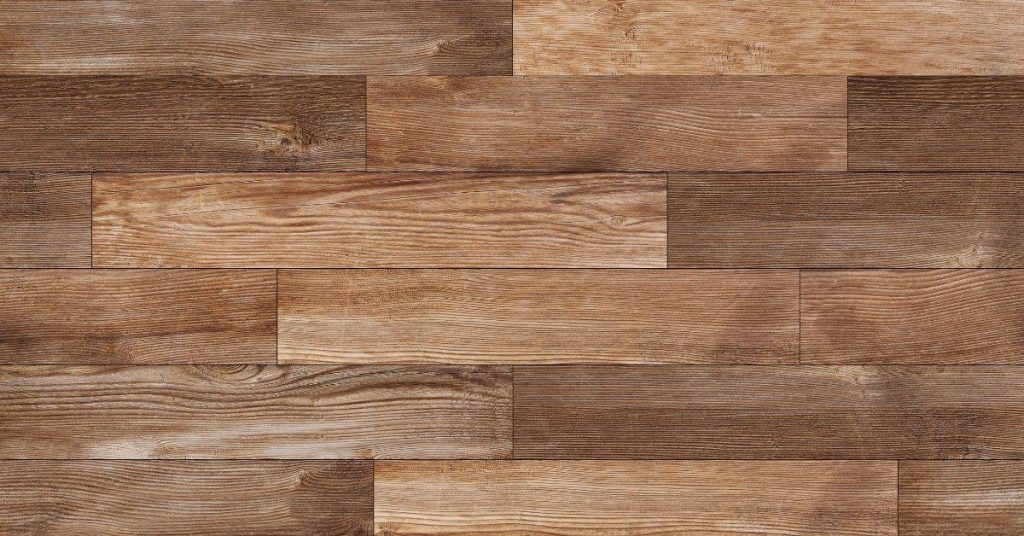
Pine, the most common, has a straight grain pattern with a subtle sheen. It ranges from light yellowish-white to medium honey in color. Knots are common and add character; just ensure they’re sound (no cracks).
Fir is similar to pine but has a more pronounced grain and tends towards the lighter end of the color spectrum. It’s often used for its consistent appearance, with fewer knots than pine.
Spruce is another popular choice, offering a fine, even grain pattern. It’s typically pale in color, sometimes almost white. Knots are less common but can occur, so check each board before installing.
Construction types (solid vs engineered)
Alright, listen up. We’ve got two main types of softwood flooring here: solid and engineered. Both have their pros and cons, so let’s dive in.
Solid planks are what they sound like – a single piece of wood from top to bottom. They’re thick (usually 3/4″ or 5/8″) and can be sanded and refinished multiple times. But they’re also more prone to warping and shrinking, so you’ve got to check the moisture content in your subfloor (check base compaction).
Engineered planks are a bit smarter. They’re made of layers – a top layer (veneer) of real wood, then a few layers of plywood underneath. This makes them more stable and less likely to warp or shrink. But here’s the catch – you can only refinish them once or twice before you hit the plywood. So, check the veneer thickness on the product label. Thicker veneers mean more room for sanding.
Pros of Softwood Flooring
Softwood floors bring a warm, natural aesthetic that many homeowners love. They are typically easier to cut and nail than harder species, which can speed up installation. The material can also be more sustainable when sourced responsibly.
Repair options are often straightforward, and softwood accepts finishes well for a refreshed look. It can be a cost-effective choice upfront, especially in larger spaces. Consider how your lifestyle fits with these practical benefits.
Aesthetic appeal and warmth
Softwoods like pine, spruce, and cedar bring a unique charm to your space. They’ve got a natural warmth and rustic look that hardwoods can’t match.
Softwoods accept stains and finishes differently than hardwoods. They’re more porous, so they absorb stain better but also require more care when it comes to sanding and finishing.
If you’re going for a natural, lived-in feel, softwoods are your best bet. But remember, they’ll show wear and tear quicker than hardwoods.
Workability and installation benefits
Softwoods are a dream to work with if you’re a DIYer. They’re easier to cut, nail, and repair than hardwoods.
Their straight grain patterns make them less prone to warping or twisting during installation. And they’re lighter in weight, making them simpler to handle and install.
Softwoods are also more forgiving when it comes to minor imperfections. They can hide small gaps or slight variations better than hardwoods.
Environmental and sourcing advantages
Softwoods are a renewable resource. They grow faster than hardwoods, making them more sustainable in the long run.
Look for softwoods with certifications like FSC (Forest Stewardship Council) or PEFC (Programme for the Endorsement of Forest Certification). These ensure your wood comes from responsibly managed forests.
Softwoods also have lower embodied energy, meaning they require less energy to produce and transport than hardwoods. That makes them a greener choice overall.
Cons of Softwood Flooring
Softwood floors are prone to denting and scratching more easily than harder woods. Moisture and humidity can cause warping or gaps if the structure isn’t properly conditioned. Lifecycle costs may include more frequent refinishing or replacement in high-traffic areas.
Finish wear tends to show quicker, which may require periodic maintenance. Availability and quality vary by species and grade, so verify the product data before purchasing. Always check manufacturer instructions for acclimation and care requirements.
Vulnerability to Dents and Scratches
Softwoods are, as the name suggests, softer than hardwoods. This means they’re more susceptible to damage from everyday wear and tear.
Heavy furniture, high heels, or pet claws can leave visible marks on softwood floors. You might see dents, scratches, or even indents over time.
Tip: Use floor protectors under heavy furniture and train pets to keep their claws trimmed to minimize damage.
Longevity and Refinishing Limits
Softwoods generally have a shorter lifespan as flooring compared to hardwoods. They wear out faster and can’t take as many full sand-and-refinish cycles.
The useful life of your softwood floor depends on the species, construction type (solid vs engineered), and how well it’s maintained.
Check plank or veneer thickness before installation. Thicker options can be refinished more times but cost more upfront.
Moisture and Stability Concerns
Softwoods are less stable than hardwoods, meaning they react more to changes in humidity. This can lead to issues like cupping (warping upwards), swelling, or shrinkage.
Spills should be cleaned up quickly to prevent absorption and expansion. Keep indoor humidity levels consistent year-round with a humidifier or dehumidifier as needed.
Warning: Avoid installing softwood floors in areas prone to high moisture, like bathrooms or basements without proper waterproofing.
How Softwood Floors Typically Wear — Patterns and Causes
Scratches and dents are common in softwood finishes due to everyday foot traffic and furniture movement. Abrasive particles can abrade the topcoat, revealing the wood beneath. Variations in color can occur from sun exposure and uneven wear.
Finish wear often starts as micro-scratches that deepen over time with use. Moisture exposure can cause cupping or gaps if the wood expands. Regular inspection helps diagnose issues early and plan repairs.
Traffic-related wear zones
Softwood floors take the brunt of daily foot traffic, especially in high-traffic areas like hallways and near entryways. You’ll see this as:
Dull paths – where the finish wears down, making the floor look duller than surrounding areas.
Finish abrasion – tiny scratches or scuffs that accumulate over time, often near furniture legs and baseboards.
Concentrated denting – more noticeable indents where heavy objects are frequently moved, like under a dining table or near a bookshelf.
Environmental and pet-related wear
Softwood floors aren’t just worn by foot traffic. Environmental factors and pets can also leave their mark:
UV fading – sunlight exposure can lighten the floor’s color over time, creating a two-toned effect near windows.
Moisture rings – water spills or high humidity can cause the wood to swell and create visible rings. This is more common in solid softwood floors due to their susceptibility to moisture changes.
Pet-scratch patterns – claws, paws, and even nails can leave unsightly scratches on softwood floors, especially around pet beds or feeding areas.
Humidity swings also accelerate damage. Wood expands and contracts with moisture changes, leading to gaps or warping in solid softwood floors.
Fixes and Repairs for Wear — DIY and Professional Options
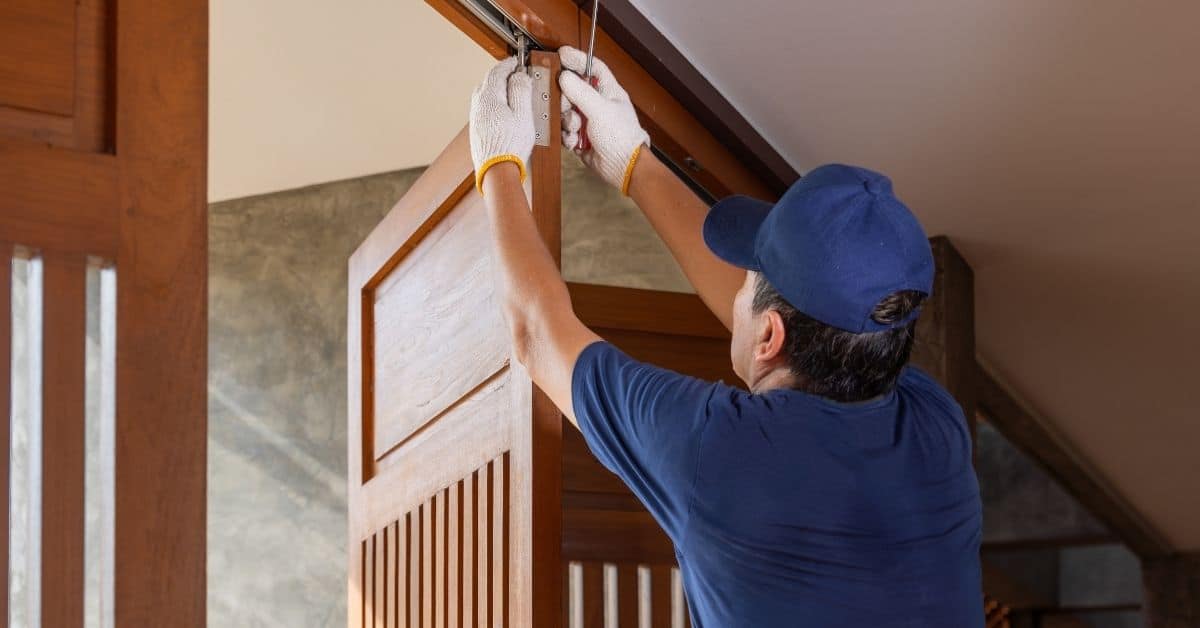
For minor wear, light sanding and re-sealing can restore the surface without removing much of the wood. Match the finish and apply evenly for a blended look. Deep gouges or persistent wear may require professional refinishing.
DIY repairs include spot filling and stain matching with care to avoid color mismatches. When in doubt, consult a pro for major repairs or structural concerns. Always follow safety guidelines and finish manufacturer instructions.
Quick DIY fixes for scratches and small dents
For minor surface damage, start by cleaning the area with a soft cloth and mild soap. Let it dry.
For shallow scratches, use a stain marker or touch-up pen that matches your floor’s color. Apply sparingly, let it sit for a few minutes, then wipe off excess with a damp cloth. Allow it to dry completely.
Light dents can be popped out using steam or a clothes iron on low heat. Place a damp cloth over the dent, apply steam, and gently press. The dent should pop up. If not, try using a wax stick or crayon that matches your floor’s color to fill in the dent.
Repairing deeper gouges and plank replacement
For deeper gouges, you’ll need to fill them. Use a wood filler that matches your floor’s color. Apply with a putty knife, let it dry, then sand smooth using fine-grit sandpaper.
If a plank needs replacing, first remove the damaged board. Match the grain and finish of the new board as closely as possible. Cut it to size, apply adhesive, and reinstall. Use clamps to hold it in place until the adhesive dries.
To match the finish, use a stain that matches your floor’s color. Apply with a cloth or brush, let it sit for the recommended time, then wipe off excess. Allow it to dry completely before applying a clear sealant.
When to sand or refinish — limits and cautions
Before you sand, check your floor’s plank thickness. Solid wood floors can typically be sanded multiple times, but engineered floors have a thin veneer that may wear out.
Also, consider the finish buildup. If it’s thick, you might not be able to achieve the desired outcome with sanding alone. Check with the manufacturer or consult a professional for advice.
Sanding can also raise dust and allergens, so wear a mask and consider using a vacuum with a HEPA filter. After sanding, apply a clear sealant to protect your floor and enhance its durability.
Maintenance and Prevention Strategies
Establish a regular cleaning routine using products specified for your finish to minimize buildup. Place protective pads under furniture and use area rugs in high-traffic zones. Maintain indoor humidity levels to reduce wood movement.
Promptly address spills and moisture to prevent staining or warping. Periodic refinishing can extend life, but verify suitable products and methods with the finish supplier. Keep an eye on wear patterns to plan timely maintenance.
Daily and periodic cleaning recommendations
Softwood floors need gentle care. Daily, sweep or vacuum to remove dirt and debr