Introduction
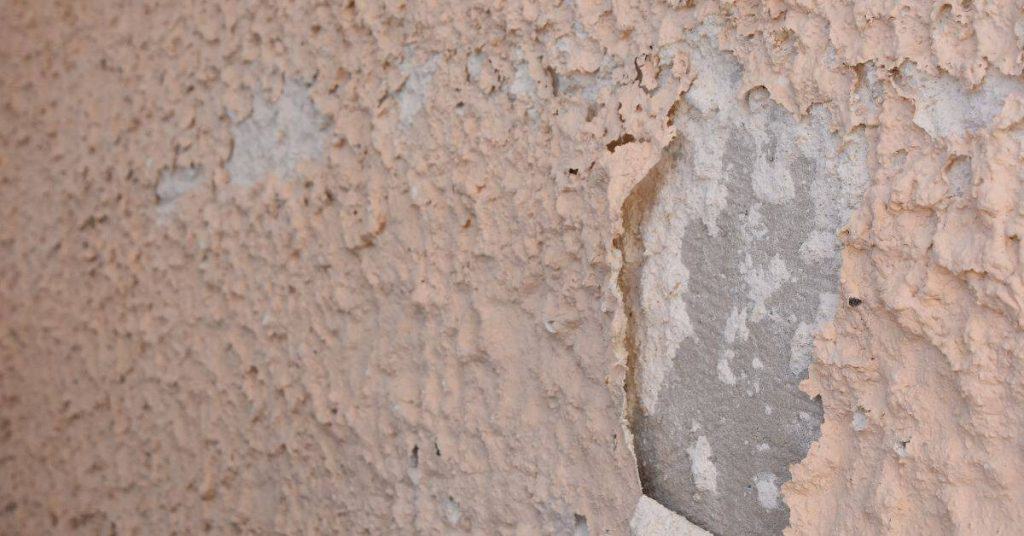
Stucco delamination is when the outer stucco layer separates from the wall underneath. This can show up as hollow spots or peeling under the surface. It’s a sign you should inspect and plan before doing more work.
Common causes include poor adhesion, moisture intrusion, or cracks that let the plaster pull away. Repair options typically involve removing loose material, prepping clean edges, and reapplying with proper bonding and careful curing. Always check product labels, manufacturer instructions, and local rules to confirm the right method for your setup.
Key takeaways
- Inspect for cracked, loose, or bowing stucco panels before tapping tests.
- Tap tests guide where delamination is likely concealed behind brick or siding.
- Use a wooden mallet or tapping tool gently to avoid cracking edges.
- Moisture readings require manufacturer guidelines and local building code compliance.
- Plan repair options by extent: patching, re-attachment, or full replacement as needed.
- Safety note: shut off utilities and wear eye protection during inspection.
Table of Contents
- Introduction
- Key takeaways
- What Is Stucco Delamination and Why It Matters
- Visual Checkpoints for Spotting Delamination
- Tap Testing Explained — Methods, Tools, and Technique
- Moisture and Diagnostic Testing Beyond Tapping
- Common Causes of Stucco Delamination
- Assessing Extent, Urgency, and Repair Strategy
- Repair Options Overview — Patching, Re-Attachment, and Full Replacement
- Step-by-Step DIY Re-Attachment and Repair Workflow
- Conclusion
- FAQ
What Is Stucco Delamination and Why It Matters
Delamination means the stucco skin is separating from the backing or substrate in places. It is not the same as a surface crack or paint peel, which sit on top of the finish. Delamination can reduce protective performance and may affect durability and safety if left unchecked.
Understanding where delamination occurs helps you prioritize repairs and protect the wall system. It signals potential moisture intrusion or movement that could worsen over time. Always verify the product data sheet or manufacturer guidance when assessing any claims about delamination.
Types and stages of delamination
Delamination in stucco isn’t always the same. It comes in three types, each needing a different approach.
Surface delamination is when the top layer peels off. It’s the easiest to fix but needs attention before it worsens.
Intermediate delamination happens between layers. It’s trickier to spot and repair, so act fast if you see signs.
Full-system delamination affects the entire stucco system. This is serious and needs immediate attention as it can compromise your home’s structure.
Consequences if left untreated
Stucco delamination isn’t just about aesthetics. It lets moisture in, causing all sorts of problems.
Moisture can lead to mold growth, which is bad for your health and home. It also reduces your home’s thermal performance, making it harder to heat or cool.
Worst-case scenario, delamination can cause structural harm. Water entering the walls can weaken them over time, leading to costly repairs.
Visual Checkpoints for Spotting Delamination
Walk the exterior and look for loose or bulging areas, misaligned joints, or hollow sounds when tapped gently. Note any staining, spalling, or soft patches that move under pressure. Document suspect spots with photos and simple notes for later assessment.
Keep an eye out for patterns that repeat around doors, windows, or parapets where movement or water traps might occur. Record the approximate location, elevation, and any nearby features that could contribute to the issue. Cross check findings with labels, instructions, or local rules before deciding on next steps.
Common telltale patterns and locations
Before you start, understand where delamination often hides. This checklist helps.
- Near openings: Check windows and doors. Delamination loves edges.
- Transitions: Walls meeting roofs or other walls can hide issues.
- Base of walls: Ground moisture can cause problems here.
- Cracks: Even tiny ones can hide delamination.
- Blisters: Bulging stucco indicates trapped moisture.
- Discoloration: Dark spots or stains might signal trouble.
- Missing pieces: Chunks falling off? That’s bad.
- Uneven surfaces: Wavy or concave/convex areas warrant a closer look.
Quick rule: If you spot any of these, don’t skip. Delamination can hide and worsen quickly.
Photographic and measurement tips
Before you repair, document the damage. Here’s how to do it right.
- Take photos: Snap pics from different angles. Close-ups help too.
- Use a measuring tape: Show scale in your photos.
- Mark reference points: Use chalk or tape to show where you’re measuring from.
- Record conditions: Note weather, temperature, and humidity.
- Avoid shadows: They can hide details. Time your photos right.
- Keep records: Save your notes and pics for later comparison.
Quick rule: Good documentation helps you track progress and spot changes over time.
Tap Testing Explained — Methods, Tools, and Technique
The tap test helps you sense separation behind the skin by listening for hollow or dull sounds. It should be done on accessible, non-occupied areas and with care to avoid causing damage. Use a simple hand tap schedule and compare all suspect spots against sound, not appearance alone.
Follow a safe sequence: identify suspect areas, test at multiple points, and mark outcomes for each location. Remember that tapping cannot confirm depth or extent, and it should be part of a broader diagnostic plan. Always consult manufacturer or local guidance when in doubt about test interpretation.
Tools for tap testing and inspection aids
Before you start, gather these tools to ensure a thorough job.
- Light mallet or small hammer: To gently tap the stucco. Be careful not to damage it.
- Screwdriver handle: For reaching tight spots and corners.
- Moisture meter: To check for excess moisture, a common cause of delamination. Skip this if you’re unsure about readings – it could lead to missed issues or unnecessary repairs.
- Thermal camera (optional): For detecting temperature differences that may indicate trapped water or air pockets. Not essential but can help pinpoint problems.
- Notebook and pen: To document findings. Skipping this might lead to confusion later on when planning repairs.
- Measuring tape: To record dimensions of affected areas for repair estimates.
- Safety glasses: Protect your eyes from debris during testing.
- Ear protection (optional): If you’re sensitive to noise, use earplugs or earmuffs. Tap testing can be loud.
Quick rule: Always double-check your tools before starting. Missing something might lead to inaccurate results and wasted time.
Interpreting tap sounds and documenting results
Tap testing involves listening for changes in sound as you hit the stucco. Here’s how to interpret what you hear.
Solid, dull thuds usually indicate that the stucco is well-adhered. If it sounds hollow or echoes, it might be delaminating. This could mean trapped air or water behind the stucco, or it might have lost its bond with the substrate.
Map out suspect areas as you go. Mark them on a diagram of your home’s exterior, noting their location and size. This will help you plan repairs later.
If you get negative or ambiguous results, don’t assume everything is fine. Delamination can be tricky to diagnose. Consider using other diagnostic methods like moisture meters or thermal cameras for confirmation. Ignoring unclear results could lead to missed problems and further damage down the line.
Moisture and Diagnostic Testing Beyond Tapping
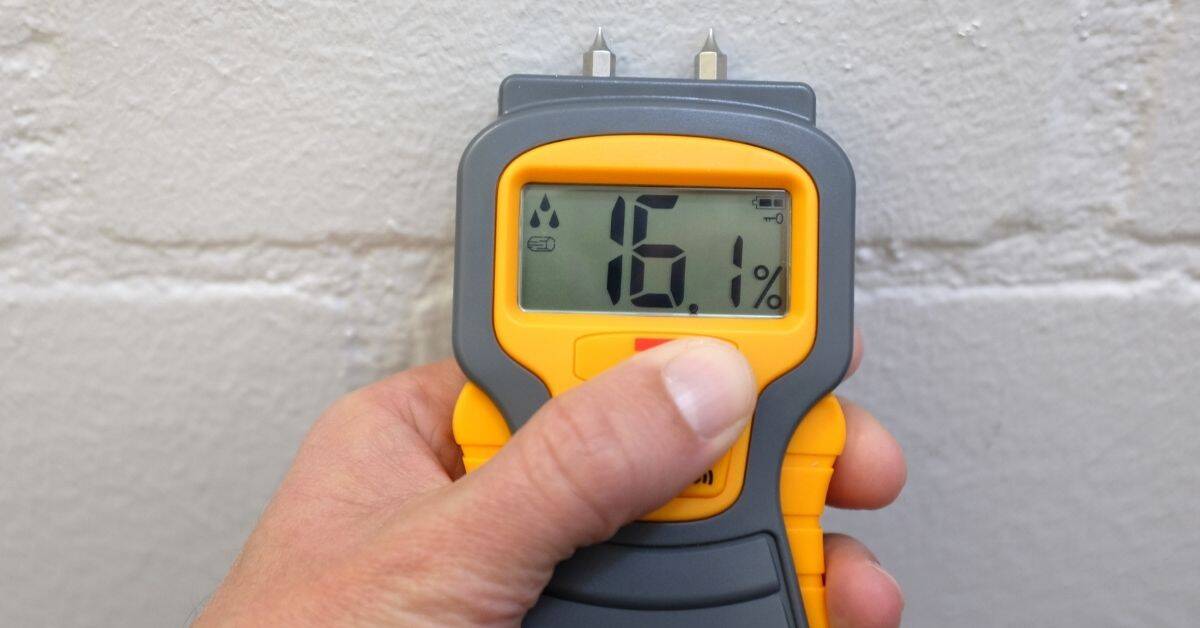
Moisture meters help you map damp zones that may indicate hidden water intrusion behind the stucco. Boroscopes give a view into hidden cavities when access is possible. Infrared imaging can reveal temperature differences suggesting moisture or voids across larger areas.
Pry testing can confirm delamination by lifting a panel edge to check for backing separation, but it should be done carefully to avoid collateral damage. Use each method according to its label, instructions, and any local inspection rules. When in doubt, verify the suitability and limitations with the product manual or a qualified inspector.
When to use moisture meters and thermal imaging
Moisture meters and thermal imaging are powerful tools for identifying active moisture issues behind your stucco. They help pinpoint hidden delamination, preventing further damage and guiding repairs.
Moisture Meters measure the moisture content in materials. Use them to:
- Confirm suspected wet areas from tap testing.
- Check for moisture behind stucco before repair work.
Thermal Imaging detects temperature differences, revealing hidden moisture and delamination. It’s useful when:
- Moisture meters can’t reach certain areas (e.g., behind walls).
- You need a broader view of potential issues.
Limitations to consider:
- Moisture meters only measure directly under the probe.
- Thermal imaging requires temperature differences and may not detect all moisture.
When to perform invasive spot checks
Sometimes, non-destructive testing isn’t enough. Prudent invasive checks can confirm bonding issues and minimize damage while testing.
Why probe? Invasive checks help you:
- Confirm suspected delamination from tap testing.
- Check for hidden voids or poor bonding behind stucco.
Minimizing damage: To keep invasive checks minimal,
- Use a small hole saw or masonry bit to create a tiny opening.
- Probe carefully with a thin rod or wire to avoid further damage.
- Repair the test area properly after inspection.
Common Causes of Stucco Delamination
Installation errors, such as improper lath or scratch coat preparation, can create weak bonds that fail over time. Moisture-related failures often come from flashing or drainage problems that allow water to linger behind the finish. Material compatibility issues between coats or fasteners can also contribute to separation.
Structural movement from settling or seasonal shifts can stress the stucco system and lead to cracking and delamination. Always review the installation method, substrate condition, and any observed moisture patterns to understand the root causes. When checking specs, compare against manufacturer guidance and local code requirements.
Installation and material issues
The right materials and their proper application are crucial for a durable, attractive stucco finish. Poor choices can lead to delamination, cracking, or weak bond.
- Bonding Agent: Enhances adhesion between old and new stucco layers. Look for compatibility with your existing stucco type (e.g., acrylic for acrylic-based stucco). Avoid cheap knock-offs; they can cause poor bonding and delamination.
- Lath/Underlayment: Supports the stucco and distributes its weight evenly. Opt for metal lath with small openings (1/2″ or 3/8″) for better keying and strength. Avoid wide-opening lath; it can cause cracking under stress.
- Type N Mortar: Used for bonding the first layer of stucco to the substrate. Choose Type N with a strength class of at least M25 (check product label). Cheaper, lower-strength mortars can lead to weak bonds and delamination.
- Stucco Mix: The main component of your finish. Look for pre-mixed bags or follow manufacturer instructions for mixing. Avoid cheap, unknown brands; they may contain incompatible materials causing cracking or staining.
- Curing Compounds: Retard water evaporation to prevent rapid drying and cracking. Choose a product suitable for your climate (e.g., slower-cure for hot, dry regions). Cheap, generic compounds may not work as intended, leading to premature cracking.
Pro tip: When buying materials, check the manufacturer’s website or contact them directly to ensure you’re getting the right products for your specific project. Always store and mix materials according to their instructions to maintain quality and safety.
Water management and flashing failures
Stucco delamination often starts where water meets your walls. Flashing’s job is to stop water from getting in, but if it’s faulty or missing, you’re asking for trouble.
Check your flashings. They should be intact and properly installed at all vulnerable points – windows, doors, roof-to-wall junctions. If they’re damaged or non-existent, water’s gonna find its way in and cause headaches.
Drainage planes are like a shield for your walls. If they’re breached, water can get behind the stucco and cause it to separate. So, inspect your drainage plane. Make sure it’s continuous and undamaged. If you find any gaps or tears, fix ’em up.
Persistent moisture is a big no-no. It weakens adhesives over time, leading to delamination. So, keep an eye out for any signs of water damage – like stains, mold, or soft spots in the stucco. If you spot any, find and fix the source before it’s too late.
Movement, Impact, and Freeze-Thaw Cycles
Stucco’s a tough cookie, but it ain’t invincible. Here’s what can wear it down over time:
Structural Movement: Houses settle, and that’s normal. But if your home’s moving too much or unevenly, stucco can crack and delaminate. Check for signs of settlement like cracks around windows or doors.
Impacts: Hail, tree limbs, or even kids playing ball can dent and weaken stucco. Inspect your walls after any significant impact events.
Freeze-Thaw Cycles: Water seeps into tiny cracks in winter, then freezes and expands, pushing off the stucco like a jackhammer. Proper flashing and caulking (like we talked about earlier) can help prevent this. Check your home’s water management systems every spring.
Assessing Extent, Urgency, and Repair Strategy
Start with a visual and tapping assessment to gauge how widespread the delamination appears. Decide whether to pursue spot patches, partial re-attachment, or full replacement based on the size and location of the damage. Prioritize areas that show moisture intrusion or risk to structural components.
Urgency depends on moisture presence and potential for further deterioration. Develop a plan that includes remediation, protection of interior spaces, and a timeline for follow up inspections. Always cross-check your plan with product guidelines and local requirements before proceeding.
Risk factors that escalate urgency
Active leaks are a red flag. They mean water’s getting inside, causing hidden damage.
Visible interior damage, like peeling paint or stains on ceilings and walls, shows moisture’s already in your home.
Large delaminated areas are another concern. They’re more likely to fall off, posing safety risks.
If you see any of these, don’t wait. Act immediately to prevent further damage and potential health hazards.
Mapping damage and making a repair plan
First, mark every delaminated spot on your home’s exterior. This is your damage map. It helps you see the full extent of the problem.
Estimate the total area affected. This helps decide if it’s a small patch job or something bigger.
If damage is extensive, consider temporary measures while planning permanent repairs. Temporary fixes could be anything from covering areas with plastic sheeting to applying a sealant to stop leaks temporarily.
Remember, every situation is unique. What’s ‘temporary’ for one home might be ‘permanent’ for another. Use your best judgment and don’t hesitate to consult a professional if you’re unsure.
Repair Options Overview — Patching, Re-Attachment, and Full Replacement
Patching is typically used for small, localized delaminations to restore a surface and protect underlying layers. Re-attachment aims to re-secure loose panels and restore bond over a larger area. Full replacement addresses extensive damage and may involve rebuilding sections of the wall system.
Each method has trade-offs in durability, cost, and complexity. Consider long-term performance goals, access limitations, and local weather conditions when selecting an approach. Always confirm required materials and step sequences with the product instructions and local rules.
Small-area patching and cosmetic fixes
Patching is a quick, cheap fix for small areas where delamination hasn’t spread. It’s not a long-term solution but can buy time while you plan bigger repairs.
Surface prep: Clean the area, remove loose stucco, and sand to create a smooth surface. Use a primer to seal and prepare the patch.
Match texture and color by mixing small amounts of new stucco with old samples from hidden areas. Apply thin layers, letting each dry before adding more. Sand lightly between coats.
Re-attachment and partial replacement methods
When delamination is caught early, re-attaching stucco to the substrate can be effective. This method works best on small to medium-sized areas.
Re-securing: Use screws or nails with large heads (like sinker nails) to secure delaminated stucco back onto the lath. Fill any gaps with new stucco mixed to match the existing color and texture.
If underlayment or lath is damaged, replace it before re-attaching stucco. Cut out bad sections, install new material, then secure stucco as described above.
Full system replacement and restoration
If delamination is extensive or the entire system is failing, full replacement may be necessary. This is a big job but ensures your home’s exterior is sound and durable.
Removal: Carefully remove all old stucco, lath, and underlayment using tools like pry bars and reciprocating saws. Dispose of materials responsibly.
Before reinstalling, address any underlying issues (like water management failures) to prevent future problems. Install new lath, underlayment, and flashing, then apply fresh stucco according to manufacturer’s instructions and local building codes.
Step-by-Step DIY Re-Attachment and Repair Workflow
Before you start, review safety considerations, set up proper containment, and gather the appropriate tools and materials. Start with surface cleaning, loose material removal, and substrate assessment to support a solid repair. Build a remediation plan that includes following the correct sequence and enabling a good bond for re-attachment.
Proceed with re-attachment, patching, and finishing in a controlled, methodical way, keeping weather and curing conditions in mind. Acknowledge the limits of DIY work and know when to call a pro for more complex repairs or structural concerns. Always refer to the product instructions and local guidance for specifics.
Step-by-Step Repair Process
This section guides you through the practical steps to reattach and repair your stucco, from preparation to final checks.
- Inspect the area: Check for any hidden damage or moisture issues before starting.
- Gather tools: You’ll need a trowel, hawk, scratch tool, joint compound, mesh tape, sandpaper, and safety gear.
- Remove loose material: Scrape off any loose stucco using a trowel. Be careful not to damage the substrate.
- Prepare the surface: Clean the area with water and let it dry. Lightly sand any rough spots.
- Apply joint compound: Use a hawk and trowel to apply a thin layer of joint compound over the affected area.
- Embed mesh tape: Press mesh tape into the wet compound, ensuring full contact.
- Apply second coat: Spread another layer of compound over the tape, feathering it out at the edges.
- Let it cure: Allow the repair to dry according to the manufacturer’s instructions. This usually takes 24 hours.
- Sand and texture: Lightly sand any rough spots, then apply a matching texture using a hopper or brush.
- Final check: Inspect your work for any missed spots or areas that need touch-up.
Safety, Permits, and Initial Preparation
Safety first: Wear gloves, safety glasses, and a dust mask when working with stucco. Keep children and pets away from the work area.
Check for permits: Before starting any major repair work, check with your local building department to see if you need a permit.
Protect surroundings: Cover nearby plants, shrubs, or landscaping with drop cloths to protect them from debris. If working near electrical outlets or wires, turn off power at the main panel and use a non-contact voltage tester to ensure they’re safe to work around.
Surface Prep, Bonding Checks, and Adhesion Methods
Remove loose material: Use a trowel or scraper to remove any loose stucco. Be careful not to damage the substrate.
Test substrate readiness: Check for any moisture issues or weak spots in the substrate before applying new stucco. If unsure, consult a professional.
Adhesion methods: For small repairs, use a scratch tool to score the surface and apply joint compound directly. For larger areas, embed mesh tape into a thin layer of compound, then apply another layer over it.
Finishing, Curing, and Curing Environment Control
Texture matching: Use a hopper or brush to apply a texture that matches the existing stucco. Work in small sections at a time.
Proper curing: Allow the repair to cure according to the manufacturer’s instructions. This usually involves keeping it moist and covered for a specific period.
Environment control: During curing, protect your repair from direct sunlight, rain, or freezing temperatures. If necessary, use tarps or plastic sheeting to create a controlled environment.
Conclusion
Protecting the wall system means acting with caution, testing first, and choosing a repair path that preserves safety, durability, and curb appeal. A solid DIY re-attachment or patch can buy time, but the goal is to stop further moisture intrusion and prevent costly rot or damage.
Apply this practical checklist in order: verify delamination by tapping and visual checks, note any damp spots or staining, use moisture tests if available and re-check spots with a simple test area, decide on patching, re-attaching, or full replacement based on extent, and complete the repair with clean surfaces and proper bonding before re-coating or finishing and then re-test to confirm stability.
Avoid these traps: never skip moisture checks, never work on a damp surface or through active leaks, and never rely on a single test to judge integrity. Always wear eye and hand protection, work in daylight or good visibility, and keep a careful record of what you did and where. If water intrusion or extensive delamination shows up across large areas, or you’re unsure about the structure behind the stucco, step back and call a pro rather than forcing a DIY fix.
When in doubt about extent, urgency, or safety, don’t push ahead alone—get a professional opinion sooner rather than later. With careful steps and proper checks, you can restore a reliable, attractive exterior and keep the project moving toward a long-lasting result.
FAQ
What should I look for to confirm delamination after tapping?
Listen for hollow sounds or a soft, hollow feel under the surface. Look for peeling, cracks, or paint that lifts easily from the wall. If the stucco moves with pressure, stop and reassess before any more work.
Can moisture cause delamination, and how do I spot it?
Yes. Moisture makes stucco fail and separate from the substrate. Look for efflorescence, damp spots, or staining on the surface and check for musty odors behind the wall.
Is re-attaching already fragile stucco a good DIY job?
It can be done in some cases, but if the layer is brittle or beyond simple re-adhesion, you risk more damage. Follow manufacturer instructions for any patching products and be honest about whether the surface will hold long-term.
What are safe steps to repair delaminated stucco without replacing everything?
Clean the area, remove loose material, and re-adhere with an approved patch or bonding compound per label. Feather edges, let follow-up coats cure, and test the area with gentle tapping before painting or sealing. If in doubt, consult a professional or check local guidelines for repair limits.

