
Introduction
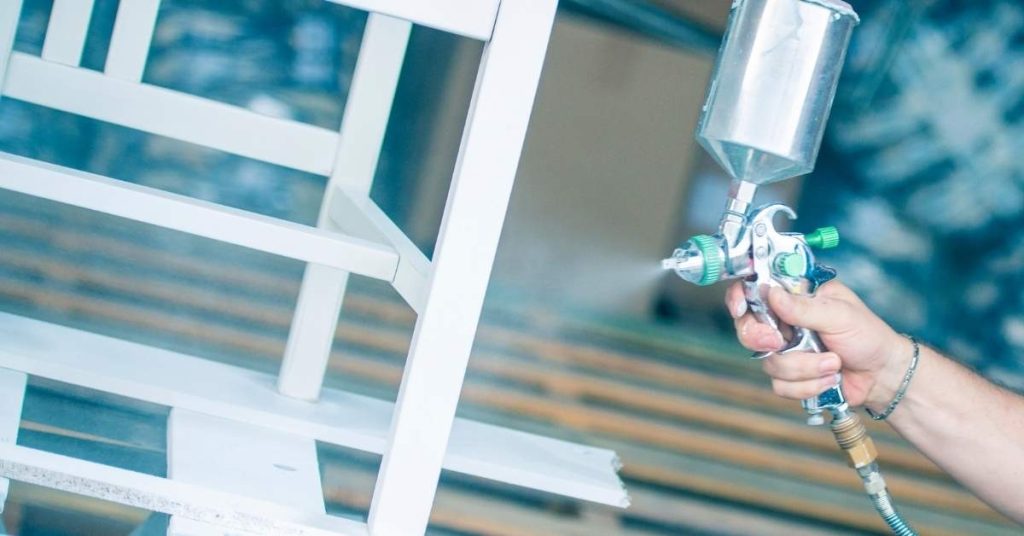
Spray finishing cabinets with waterborne lacquer means using a water-based clear finish atomized through a spray gun to protect and dress cabinet surfaces. It’s a faster-build, lower-odor option than many solvent lacquers, but you should check the product label for recommended spray setup and drying guidance. Expect to work in controlled humidity and temperature and to follow manufacturer instructions for thinning, tip size, and tack time.
This is a hands-on DIY job where layout, masking, and test sprays matter as much as the finish itself. I’ll walk you through practical setup, what to watch for during drying, and how to evaluate scratch resistance so you can make informed calls on sanding, coats, and cure times.
Key takeaways
- Prepare a clean, well-ventilated workspace before starting spray finishing practice.
- Mask and seal adjacent surfaces to prevent overspray during spraying.
- Test spray on a panel and adjust air, flow, and pattern.
- Filter and strain lacquer to minimize particulates before loading the gun.
- Maintain a steady hand and consistent distance for uniform coats.
- Observe ventilation, humidity, and cure environment; follow manufacturer guidance for safety and results.
Table of Contents
- Introduction
- Key takeaways
- Why Choose Waterborne Lacquer for Cabinet Spray Finishing
- Tools and Materials Checklist
- Preparing Cabinet Surfaces and Substrate Repair
- Mixing, Thinning, and Filtration
- Spray Gun Setup and Test Panel Tuning
- Application Technique and Coat Strategy
- Drying Stages, Cure Times, and Environmental Factors
- Scratch Resistance: Testing, Improving, and Repair
- Conclusion
- FAQ
Why Choose Waterborne Lacquer for Cabinet Spray Finishing
Waterborne lacquer tends to be chosen for indoor cabinet work because it reduces solvent odor and simplifies cleanup compared with solvent-based systems. Consider how those tradeoffs affect your jobsite: lower indoor VOCs and easier water cleanup versus differences in film build and potentially different leveling characteristics.
This finish is often a good match for kitchen cabinets, painted furniture, and trim where indoor air and fast turnaround matter, while some heavy-wear or exterior situations may still favor solvent systems or specialty topcoats. If a specific substrate or performance need is critical, check the product label or technical data sheet for compatibility and limitations before committing.
Advantages and limitations
Waterborne lacquer offers several benefits for cabinet spray finishing. It’s clear, providing a natural look that lets the wood grain shine through. Plus, it has low volatile organic compounds (VOCs), making it more eco-friendly and healthier to use indoors compared to solvent-based alternatives.
Faster recoat potential is another advantage. You can usually recoat in as little as 2 hours, speeding up your project timeline. However, waterborne lacquer does have some limitations. It’s sensitive to humidity during application and curing, so keep an eye on weather conditions.
Cure behavior is different too. Waterborne lacquers cure by evaporation, not chemical reaction like solvent-based products. This means they can take longer to fully cure, especially in humid conditions. But once cured, they provide excellent durability and protection for your cabinets.
Best cabinet applications
Waterborne lacquer excels on certain cabinet substrates and designs. It’s ideal for solid wood and painted cabinets, providing a smooth, even finish. For designs, it works well with both flat and raised panel styles.
As for end-uses, waterborne lacquer is perfect for kitchen cabinets. Its durability, easy cleanup, and low odor make it a great choice for high-traffic areas where you’ll be cooking and cleaning. It’s also suitable for bathroom vanities and built-in cabinetry, providing a long-lasting, attractive finish.
However, waterborne lacquer may not be the best choice for cabinets that will be exposed to direct sunlight or extreme temperatures. In these cases, consider using an exterior-grade finish instead.
Tools and Materials Checklist
Gather a quality spray gun suited to the material, spare tips and needles, a compressor or turbine adequate for your gun, mixing cups, filters, and proper PPE like respirator cartridges rated for waterborne coatings. Include the lacquer product itself, recommended reducers or retarders, masking supplies, and sanding consumables for preparation and between coats.
Optional items for higher-end results include a heated flash zone or infrared lamp, a spray booth or tent, and an automatic filtration system for the feed, but these are not required for every DIY job. Read the technical data sheet (TDS) or manufacturer instructions for each product to confirm recommended nozzle sizes, pressures, and compatible consumables before purchase.
Spray equipment and accessories
Before you start spraying, make sure you have the right gear. This checklist helps ensure a smooth job.
- Spray gun: Choose one that matches your lacquer’s recommendations – cup/pressure feed or HVLP (High Volume Low Pressure).
- Hoses: Check for leaks and proper length. Too short, you’ll be tripping; too long, you’ll lose pressure.
- Filters: Use a filter set to remove particles from the lacquer before spraying. Clogged filters mean less paint goes on your cabinets.
- Spray booth or exhaust: Essential for proper ventilation and safety. Don’t skip this, you don’t want to breathe in lacquer fumes.
- Air compressor: Ensure it’s sized right for your gun. Too small, you won’t get a good finish; too big, you’ll overspray.
- Regulator and gauge: Keep your pressure steady. Fluctuating pressure means inconsistent spray patterns.
- Cleaning supplies: Have solvents ready to clean your gun after each use. Lacquer dries fast, so act quick!
- Spray tips: Match the tip size to your lacquer’s viscosity and desired finish. Too small, you’ll clog; too large, you’ll overspray.
Quick rule: Always read the TDS for specific equipment recommendations. One size doesn’t fit all in spraying.
Lacquer types, reducers, and additives
Waterborne lacquers come in various formulations. Here’s what to consider when choosing yours.
- Lacquer type: Choose between clear, stain, or pigmented lacquers based on your desired finish.
- Reducers: Use these to adjust lacquer viscosity. Too thick, you’ll clog; too thin, you won’t get good coverage.
- Flow agents: Add these to improve leveling and reduce orange peel effect. Follow manufacturer guidelines for amounts.
- Retarder additives: Use these to extend drying time, helping you achieve a better finish. But be careful, too much can cause issues with adhesion.
- Hardener (optional): Some lacquers require a hardener for optimal performance. Always follow the manufacturer’s mixing instructions.
- UV absorbers and light stabilizers (optional): Add these for enhanced protection against sun damage, especially for outdoor cabinets.
Quick rule: Always follow the manufacturer’s mixing guidelines. A little goes a long way with additives.
Consumables and PPE
Safety first! Here’s what you need to protect yourself and your workspace.
- Respirator or mask: Choose one that filters out lacquer particles. Don’t skimp on safety, invest in a good one.
- Goggles: Protect your eyes from lacquer overspray and debris.
- Gloves: Use these to protect your hands from lacquer and sanding dust.
- Tack cloths: These help remove dust before spraying. A clean surface means a better finish.
- Sandpaper (120-220 grit): Use this to prepare your cabinets’ surfaces. Too coarse, you’ll leave scratches; too fine, you won’t get good adhesion.
- Masking materials: Use painter’s tape and plastic sheets to protect areas you don’t want lacquer on.
- Filters (optional): Use these with your respirator for added protection against airborne contaminants.
- Safe disposal items: Have trash bags ready for waste materials. Don’t forget to dispose of lacquer-soaked rags safely!
Quick rule: Always match your respirator cartridge to the specific airborne contaminants you’ll be dealing with.
Preparing Cabinet Surfaces and Substrate Repair
Start by cleaning to remove grease and contaminants, deglossing glossy finishes with proper abrasives, and sanding to a consistent profile for adhesion. Where there are cracks, dents, or missing veneer, use appropriate fillers and techniques so repairs match the substrate and hold up under waterborne lacquer.
Verify substrate compatibility—check adhesives, prefinished veneers, and existing paints or sealers against the product data sheet to avoid lifting or delamination. When in doubt, test on a concealed area or scrap panel to confirm adhesion and finish appearance before proceeding on visible parts.
Cleaning and deglossing procedures
Start by removing any dust with a tack cloth. Then, clean your cabinets with a degreasing agent like TSP (trisodium phosphate) or a suitable substitute to strip oils, waxes, and contaminants.
Do not use household detergents as they can leave residues that hinder adhesion.
Deglossing is crucial for waterborne lacquer to adhere properly. Lightly scuff the surface with 220-grit sandpaper or a deglosser liquid, following manufacturer’s instructions. Wipe off any residue with a damp cloth and let it dry.
Fillers, edge repairs, and veneer issues
Use a suitable filler for your cabinet material. For wood, use a wood-specific filler; for laminate or veneer, use an appropriate filler that matches the substrate.
Repair chips, seams, and veneer lift using a putty knife, applying thin layers and sanding lightly between applications until smooth. Allow the filler to dry completely before proceeding.
Be cautious with veneers – if they’re lifting, secure them first or consult a professional. Check for waterborne compatibility of adhesives used in repairs.
Sanding progression and visual profile
Start with 120-grit sandpaper to flatten the surface, then progress through finer grits (e.g., 150, 180, 220) until you reach your desired final finish. Sand with the grain of the wood.
For a smooth final film, consider using a fine-grit sanding sponge or foam pad for better control and even scratches. Always follow product guidance for the best abrasive selection.
Do not over-sand – this can remove too much material and compromise the substrate’s integrity. Wipe off dust with a tack cloth before applying lacquer.
Mixing, Thinning, and Filtration
Follow the manufacturer’s stated mixing ratios and order of operations, paying attention to any recommended reducers or retarders to control flow and open time. Measure accurately, mix thoroughly to wet out pigments or solids, and observe the listed pot life or working time for the mixed material.
Always filter through appropriate mesh before it enters the gun to prevent clogs and orange peel, and select thinner type based on the TDS and job conditions rather than guessing. If you’re unsure about a thinner or additive, consult the product label or technical data sheet and test on a panel first.
Reading technical data sheets for ratios and pot life
The first step in mixing waterborne lacquer is understanding your product’s technical data sheet (TDS). This will guide you through the entire process.
Check the TDS for the recommended catalyst/activator to lacquer ratio. This ensures you’re using the right amount of each component for optimal results.
Pot life, or how long your mixed material stays usable, is also crucial. Keep an eye on this timer once you start mixing. Once it’s up, discard any remaining material.
The TDS will also tell you the recommended recoat window. This is when you can safely apply another coat without risking adhesion issues.
When and how to thin or add retarder
Thinning or adding a retarder to your waterborne lacquer can improve atomization, making it spray more evenly. But be careful not to overdo it.
Too much thinner can make your finish look dull and reduce its durability. Too little, and you might end up with orange peel texture.
Check your TDS for the recommended thinning ratio. As a general rule, start with the manufacturer’s recommendation and adjust only as needed within their specified limits.
Adding a retarder can give you more open time, helping you work with larger areas or complex pieces. But again, follow your TDS guidelines to avoid overuse.
Filtration and strainers
Proper filtration is key to preventing tip clogs and orange peel. It’s a simple step that can save you a lot of trouble.
First, make sure