Search Results for: weep

Smooth light blue painted stucco wall surface

Stucco Blisters Under Finish Coat: Causes, Cutback Rules, and Rebuild Steps

Introduction Stucco blisters under the finish coat are pockets of trapped moisture or air beneath the surface layer that lift the finish and can lead to cracking or detachment. In plain jobsite terms, they usually mean water got into the wall system, the assembly dried poorly, or the underlying base or lath bond failed. I’ll […]

Stucco Blisters Under Finish Coat: Causes, Cutback Rules, and Rebuild Steps Read More »

Smooth sandblasted concrete window sill beneath glass window

How to Match a Sandblasted Concrete Finish in a Small Repair

Introduction Matching a sandblasted concrete finish in a small repair means removing the same surface layer and recreating the texture and color so the patch blends with the surrounding slab. This requires cleaning and profiling the repair area, choosing a compatible repair mortar or topping, and using a light abrasive technique to mimic the sandblasted

How to Match a Sandblasted Concrete Finish in a Small Repair Read More »

closeup of textured concrete surface with salt finish

Concrete Salt Finish Patching: How to Recreate the Texture Without Obvious Islands

Introduction Concrete salt finish patching is a way to match the coarse, pocked texture of an existing salt finish by embedding and removing salt or an aggregate substitute so the repair blends in. This job is hands-on: you clean and profile the old concrete, feather the repair edges, and match the mix and timing so

Concrete Salt Finish Patching: How to Recreate the Texture Without Obvious Islands Read More »

Gas-powered power trowel smoothing wet concrete with rotating blade ring.

DIY Concrete Surface Hardener Application: Broadcast vs Spray and How to Avoid Dusty Spots

Introduction Concrete surface hardeners are coatings or dry-shake materials applied to fresh or cured concrete to increase surface abrasion resistance and reduce dusting. They can be clear or amber-tinted; the tint changes appearance and may help hide scratches but check the product label or manufacturer instructions for compatibility and coverage. Think like a foreman: choose

DIY Concrete Surface Hardener Application: Broadcast vs Spray and How to Avoid Dusty Spots Read More »

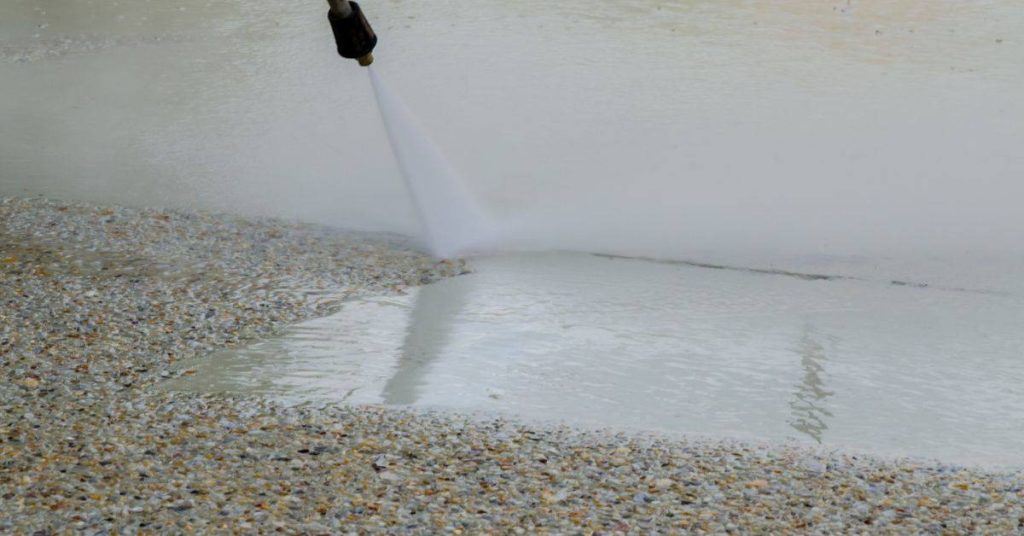
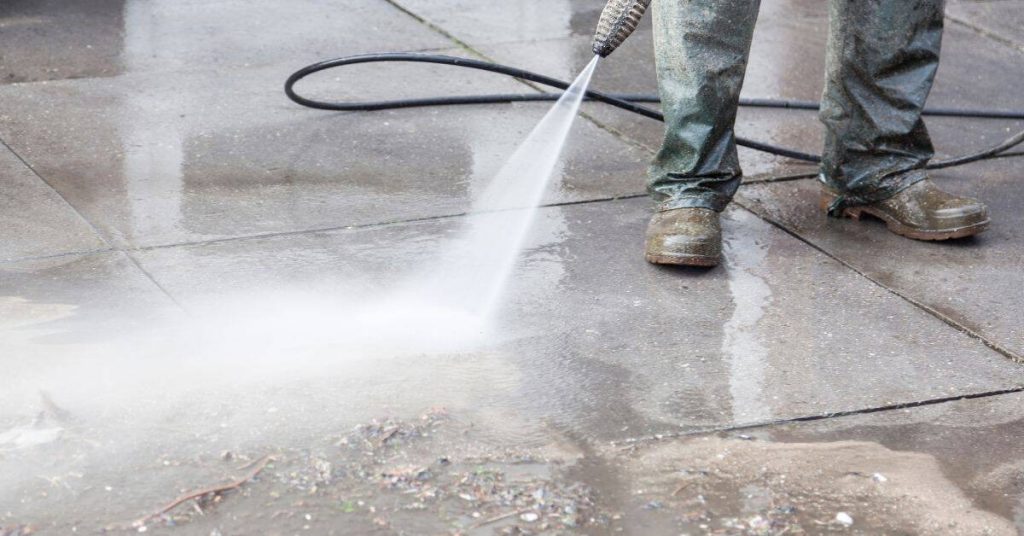
Pressure washing concrete surface with hose spray

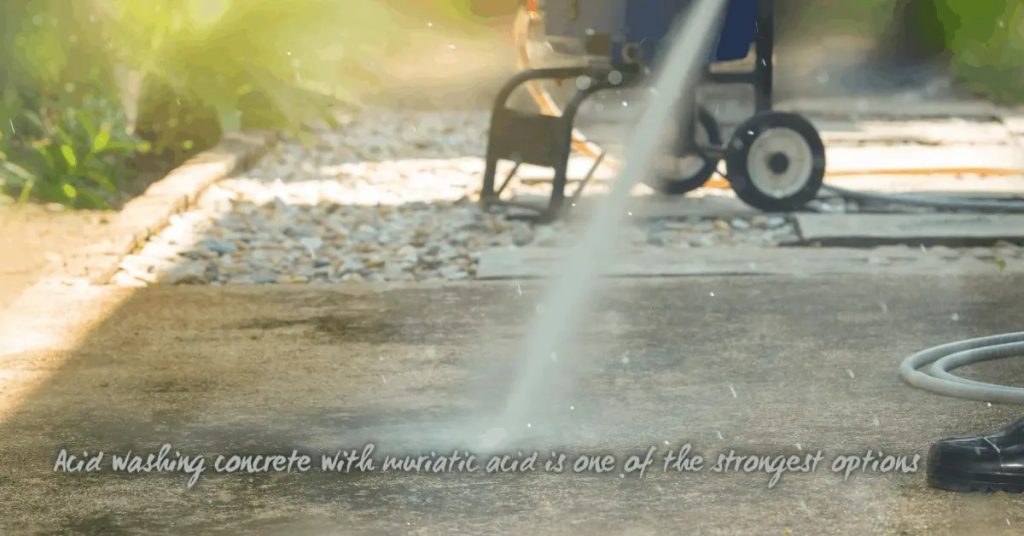
How to Neutralize Acid Cleaners on Concrete: Rinse Strategy That Prevents Future Scaling

Introduction Neutralizing acid cleaners on concrete means thoroughly rinsing and neutralizing the acid so it stops etching or causing future scaling; start by flushing the surface with plenty of water and follow with a bicarbonate or other manufacturer-recommended neutralizer until pH tests indicate neutral. Use common tools—hose with spray nozzle, stiff push broom, bucket, pH

How to Neutralize Acid Cleaners on Concrete: Rinse Strategy That Prevents Future Scaling Read More »

Trowel smoothing fresh concrete expansion joint sealant

Concrete Expansion Joint Sealants: Urethane vs Silicone vs Self-Leveling Formulas

Introduction Concrete expansion joint sealants are flexible materials used to fill and protect gaps in concrete so they can move without cracking; common DIY choices are urethane, silicone, and self-leveling formulas. Urethane is durable and bonds well to concrete but check the product label for cure time and surface prep; silicone stays flexible and resists

Concrete Expansion Joint Sealants: Urethane vs Silicone vs Self-Leveling Formulas Read More »

pile of crushed concrete aggregate with varied sizes

Concrete Countertop Mix Design for DIY: Aggregate Size, Fiber, and Reinforcement Layout

Introduction Concrete countertop mix design for DIY means choosing aggregate size, fibers, and reinforcement so the slab is workable, strong, and resists cracking. Think coarse aggregate that fits the finished thickness, fibers or mesh to control cracking, and a reinforcement layout that supports spans—check product labels and local rules for exact specs. Keep the mix

Concrete Countertop Mix Design for DIY: Aggregate Size, Fiber, and Reinforcement Layout Read More »

Open paint buckets with yellow pink and green paint and paintbrush

Adding Color Hardener to Small Slabs: Broadcast Technique and Dust Control

Introduction Adding color hardener to small slabs means broadcasting a powdered pigment over fresh concrete and working it in for color and surface wear resistance. It’s a hands-on process that uses basic tools—buckets, shovels, hand floats, brushes—and color hardener product; check the product label and manufacturer instructions for coverage and timing. Do the broadcast in

Adding Color Hardener to Small Slabs: Broadcast Technique and Dust Control Read More »

Hand smoothing plaster on wall with a trowel

Bull Floating vs Magnesium Floating: When Each Surface Is Better for Finishes

Introduction Bull floating uses a wide, rigid tool to flatten and level fresh concrete quickly while magnesium floating uses a lighter, textured board to work the surface finer; choose the tool that matches where you are in the finishing sequence and the look you want. In practice that means use a bull float early to

Bull Floating vs Magnesium Floating: When Each Surface Is Better for Finishes Read More »