Search Results for: weep

Worker in protective suit spraying paint on wall indoors

Indoor Spraying Without Dust: Masking and airflow that actually contain overspray

Introduction Masking and airflow control are practical ways to keep overspray from drifting inside. Good masking blocks mist at its source, and proper airflow guides it away. Set up barriers, cover floors, and plan your work path. Monitor overspray during the job and adjust masking and airflow as you go. Keep doors and openings controlled, […]

Indoor Spraying Without Dust: Masking and airflow that actually contain overspray Read More »

Hand holding paintbrush near white window frame and paint tray

Painting Over Patches: Priming so repairs disappear under raking light

Introduction Priming over patches means applying a seal coat to even out repairs so they don’t show under strong raking light. It helps blend repairs with the surrounding paint and surface texture. This is especially important on walls with uneven sheen or rough patches. Start with a clean, dry surface, lightly scuff the patched area,

Painting Over Patches: Priming so repairs disappear under raking light Read More »

Close-up of peeling white concrete sealer on wall surface

Peeling Concrete Sealer: The moisture and prep mistakes that cause failure

Introduction Peeling concrete sealer happens when a coating lifts away from the concrete rather than sticking. Moisture coming up from the slab and poor surface prep are common causes. We’ll cover the practical mistakes DIYers run into and how to spot them before sealing. Make sure the surface is clean and porous enough to accept

Peeling Concrete Sealer: The moisture and prep mistakes that cause failure Read More »

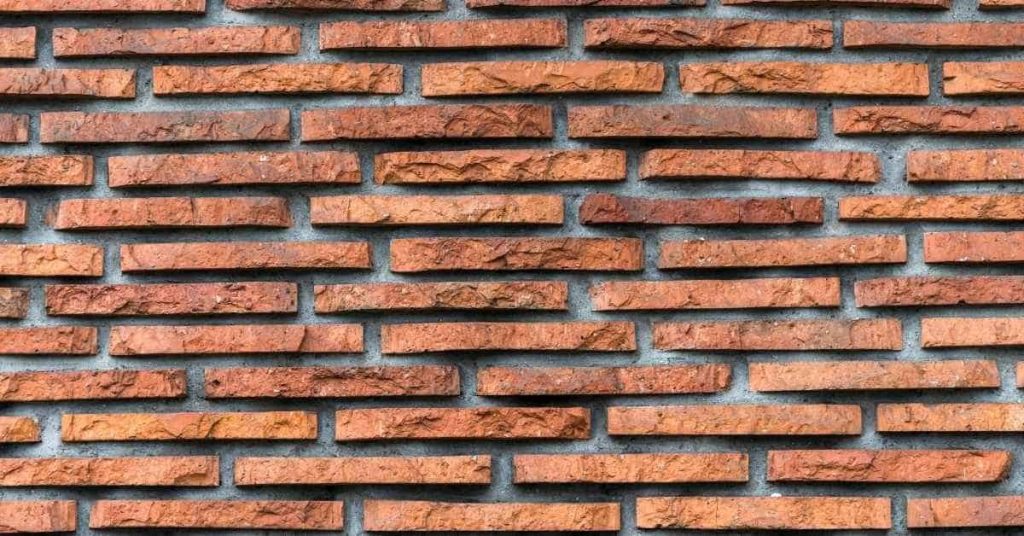
Close-up of thin red brick wall pattern with mortar joints

Overlay Thickness Rules: How thin overlays fail and what lasts outdoors

Introduction Overlay thickness rules determine how thin overlays will perform outdoors. If you go thinner than recommended, they can crack, delaminate, or wear away quickly. Always check the product label and local rules, and follow the manufacturer’s guidance for your climate and substrate. There are several overlay types you might consider, from micro-toppings to self-leveling

Overlay Thickness Rules: How thin overlays fail and what lasts outdoors Read More »

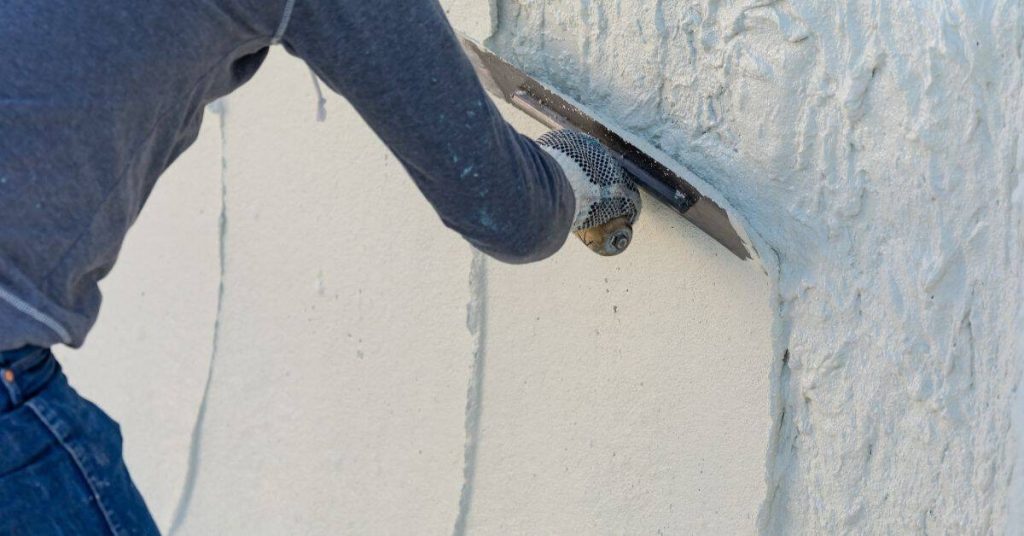
Hand applying gray stucco to exterior wall with trowel

New Stucco Over Old Stucco: When it’s safe and how to prep properly

Introduction Yes—new stucco can go over old stucco when the base is sound. Look for cracks, loose sections, and obvious moisture problems and address them. Ask about local rules and follow manufacturer instructions for the products you choose. Prepare the surface by cleaning, repairing loose areas, and ensuring a stable bond. Prime as directed and

New Stucco Over Old Stucco: When it’s safe and how to prep properly Read More »

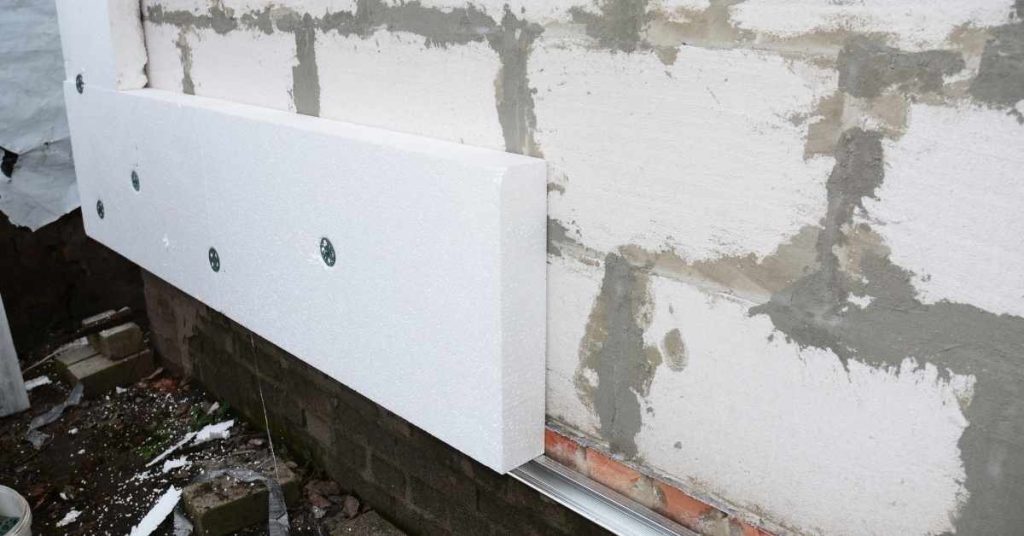
White EPS foam board attached to exterior masonry wall

Stucco at Rooflines: Fixing recurring leaks without relying on caulk alone

Introduction Fixing leaks at stucco rooflines means sealing and directing water so it doesn’t seep where the wall meets the roof. This job isn’t about slapping on caulk alone; you’ll often need proper flashing and surface prep to make a lasting fix. Approach it with a plan, check the manufacturer instructions for any products you

Stucco at Rooflines: Fixing recurring leaks without relying on caulk alone Read More »

Rain falling on sloped rooftops with chimneys steaming

Adding Drip Edges to Stucco Trim: Small details that cut streaking

Introduction A drip edge on stucco trim redirects water away from the wall to prevent streaking. By guiding where the water flows, it helps keep the surface dry and reduces staining. Check that the edge is properly installed and overlaps the underlying material according to the manufacturer instructions. To DIY this, work from the top

Adding Drip Edges to Stucco Trim: Small details that cut streaking Read More »

Exterior stucco wall with multiple windows under clear sky

How to Repair Cracks Around Stucco Windows

Introduction Cracks around a stucco window can be limited finish-coat defects, a failed sealant joint, or evidence of movement or water reaching the wall behind the stucco. The crack’s location, whether it returns, moisture evidence, and how the window operates matter more than a single crack-width measurement. Related guidance: Stucco Cracks Around Windows: Common Causes

How to Repair Cracks Around Stucco Windows Read More »

Person applying stucco texture to wall with trowel

Stucco at Deck and Porch Connections: Water control and movement details

Introduction Stucco at deck and porch connections is the moisture-control detail where stucco meets the deck to stop water from entering the structure. It relies on flashing, proper joint gaps, and movement allowances to shed water and accommodate movement. Always check manufacturer instructions and local rules for flashing, sealants, and clearance requirements. For a practical

Stucco at Deck and Porch Connections: Water control and movement details Read More »