Search Results for: weep

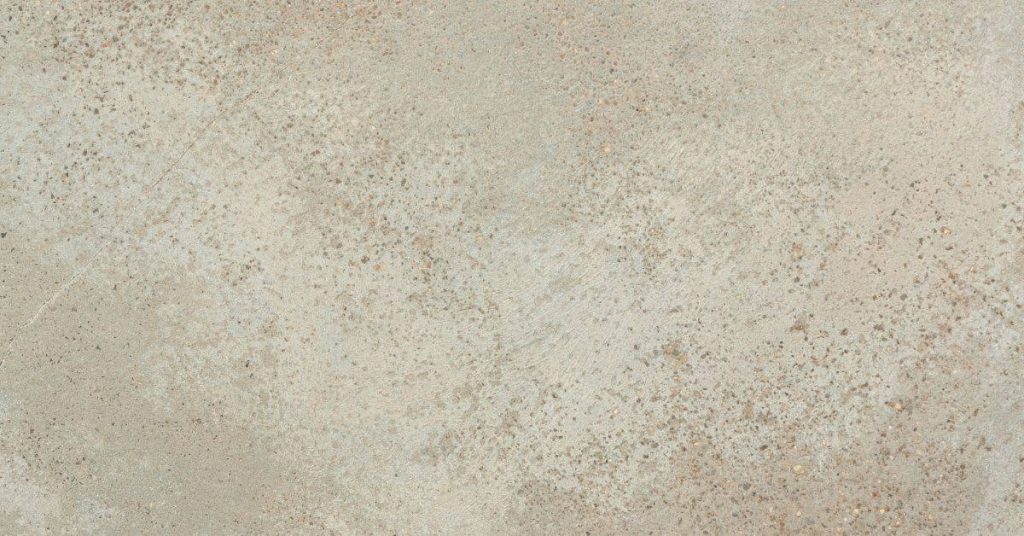
closeup of textured sand-finish concrete surface

DIY Sand-Finish Concrete: Getting a Fine Texture Without Weak Surface Paste

Introduction DIY Sand-Finish concrete is a surface texture created by applying a fine sand mix to the top to achieve a smooth, speckled look. It’s a hands-on technique that can hide light trowel marks and give the surface a gentle, gritty feel. It’s meant to be practical for a DIY project, not a showroom finish. […]

DIY Sand-Finish Concrete: Getting a Fine Texture Without Weak Surface Paste Read More »
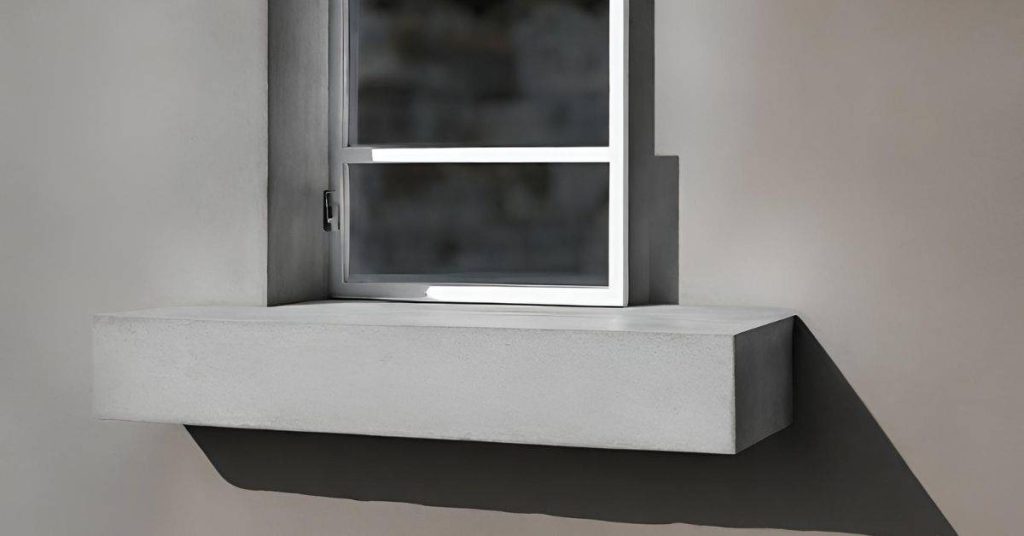
Concrete window sill beneath an open window

Removing Silicone Smears From Concrete: Why Sealers Fish-Eye and How to Fix It

Introduction Silicone smears on concrete are leftover sealant residues that can ruin a finish. They create spots where new coatings won’t adhere properly. That adhesion gap is what we mean by fish-eye and it shows up as specks or craters. Plan a careful cleanup: choose a remover that matches the sealant and the concrete, and

Removing Silicone Smears From Concrete: Why Sealers Fish-Eye and How to Fix It Read More »

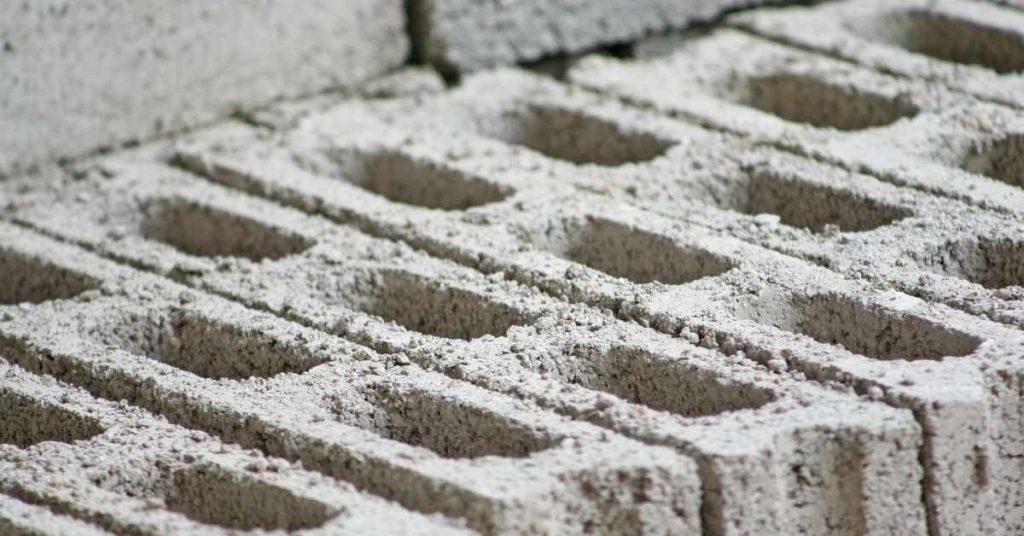
Closeup of stacked gray concrete cinder blocks

Removing Mulch Dye Stains on Concrete: Why They Stick and How to Lift Them

Introduction Mulch dye stains are color residues left on concrete after mulch pigments dry. Key takeaways Act quickly on fresh dye stains; blot, rinse, and avoid spreading. Identify stain type before treatment: dye stain, discoloration, or finish film. Test cleaner on a small area first to prevent damage. Use least-aggressive methods in sequence; wear eye/skin

Removing Mulch Dye Stains on Concrete: Why They Stick and How to Lift Them Read More »

Empty residential garage with concrete floor and closed garage door

Cleaning Concrete After Fertilizer Spills: Salts, Staining, and Rinse Rules

Introduction Cleaning concrete after fertilizer spills involves removing salts and stains while rinsing away residue. Fertilizers can leave mineral salts that pull water from the surface and leave pale or dark spots. This guide keeps it practical for DIY work and warns you to follow product labels and local rules. Start by rinsing the area

Cleaning Concrete After Fertilizer Spills: Salts, Staining, and Rinse Rules Read More »

Worker lifting concrete blocks wearing yellow gloves and helmet

Concrete Steps That Ice Over: Drainage Micro-Details That Reduce Slip Risk

Introduction Drainage micro-details are small design tweaks that keep water from pooling on concrete steps, reducing ice risk. This article walks you through practical, DIY-friendly ideas you can check and adjust on your own. Think in terms of grade, runoff paths, and surface texture rather than fancy products. Check for low spots, blocked drainage, or

Concrete Steps That Ice Over: Drainage Micro-Details That Reduce Slip Risk Read More »

Close-up of white textured plaster wall surface

Blending Broom Finish Patches: Matching Texture Without Creating a ‘Patch Rectangle’

Introduction Blending broom finish patches means you extend the texture so the repair doesn’t look like a clean, rectangular patch. Aim for a seamless transition by aligning the finish direction with the surrounding concrete and feathering the edges. This is a practical, hands-on approach you can try on a weekend. Prepare the patch by cleaning

Blending Broom Finish Patches: Matching Texture Without Creating a ‘Patch Rectangle’ Read More »

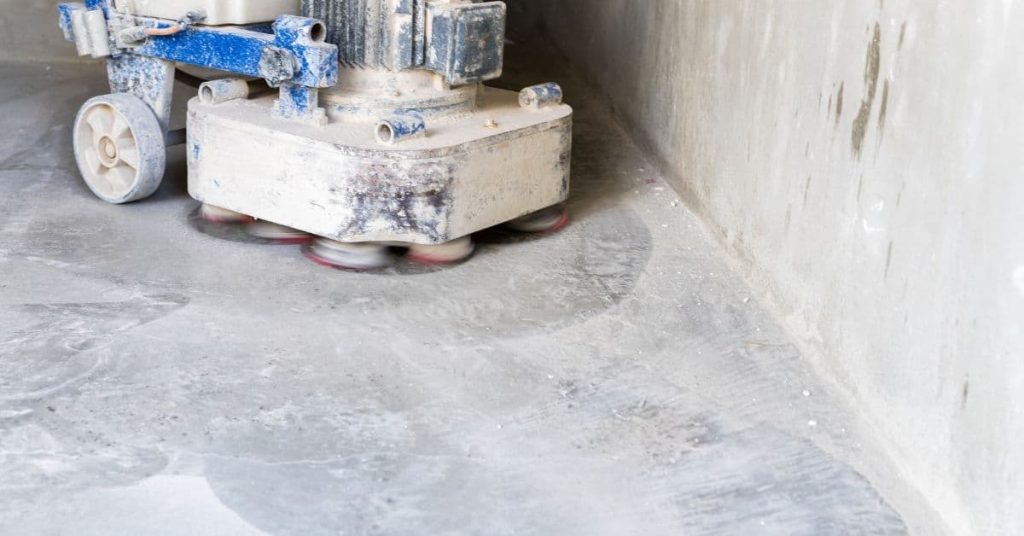
Concrete floor grinding machine smoothing surface near wall

Fixing Trip Hazards by Grinding: How Much You Can Remove Before You Create New Problems

Introduction Grinding to fix trip hazards is removing small amounts of material from high spots so the surface becomes even. Do not remove more than necessary, since over-grinding can create new problems. Check the material, tool, and surface before you start, and follow manufacturer instructions and local rules. Do small passes and check your progress

Fixing Trip Hazards by Grinding: How Much You Can Remove Before You Create New Problems Read More »

Person applying joint compound near window on drywall corner

Setting-Type Compound on Plaster: When Hot Mud Beats Topping Compound

Introduction Setting-Type Compound on Plaster is a fast-setting patching material that cures through a chemical reaction, not just by drying. On plaster walls, it can provide a hard, sandable surface and may cut touch-up time compared to traditional topping compounds. Check label instructions and local rules for mix ratios, open time, and ventilation before starting.

Setting-Type Compound on Plaster: When Hot Mud Beats Topping Compound Read More »

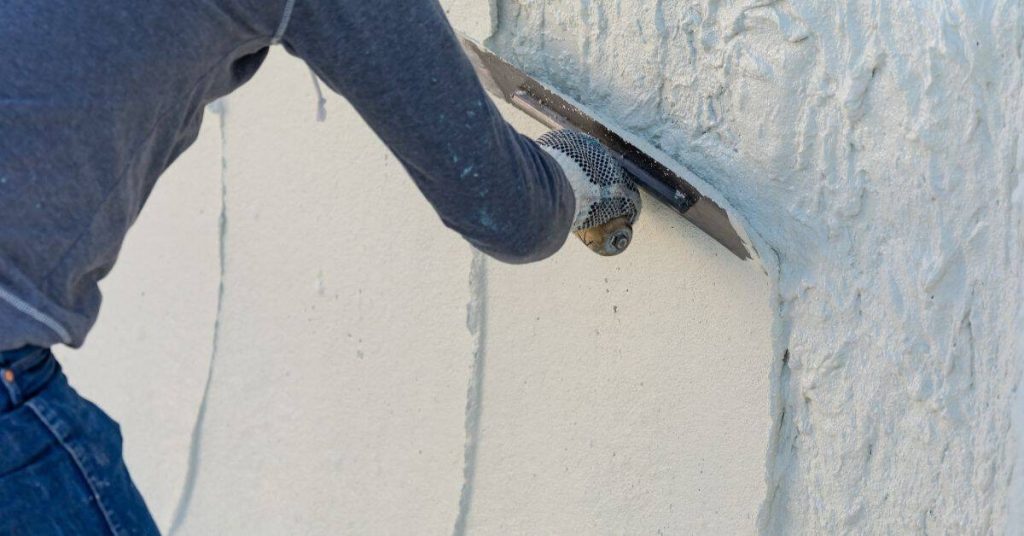
Person applying stucco texture to exterior foam wall

Stucco + Exterior Foam Additions: Transition Details That Keep Drainage Paths Open

Introduction This approach combines stucco with exterior foam to manage drainage and keep water from standing against the foundation. It adds an insulating layer outside the wall and creates a smooth receiver for the stucco finish. You’ll want to plan how drainage paths remain open while the layers are installed and sealed. For DIY work,

Stucco + Exterior Foam Additions: Transition Details That Keep Drainage Paths Open Read More »

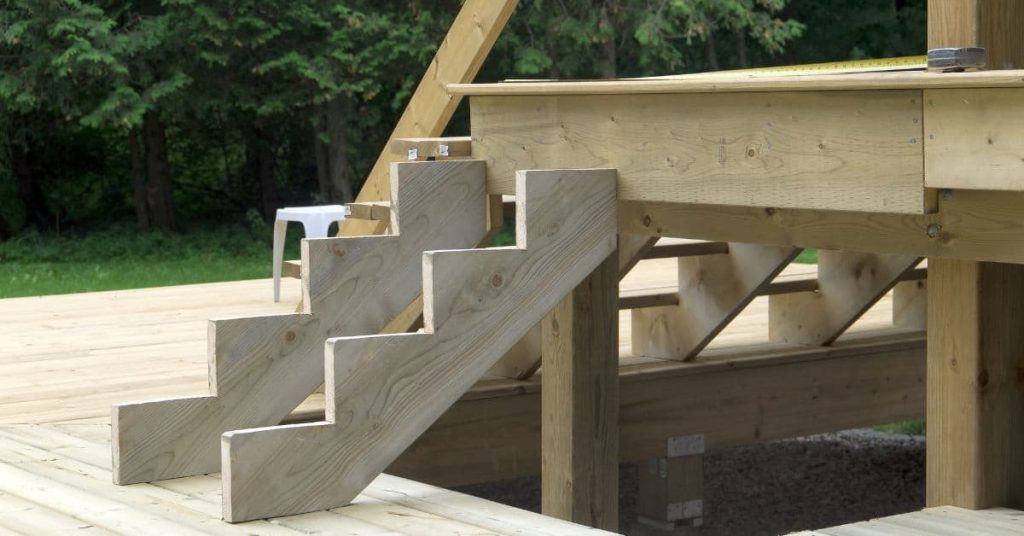
Wooden stair stringers attached to deck frame outdoors

Stucco Around Deck Ledger Boards: Waterproofing Details That Don’t Rely on Caulk

Introduction Stucco around a deck ledger boards is a method to seal and protect the joint where the deck meets the house. It relies on proper transitions and flashing rather than relying on caulk as the main waterproofing tool. The goal is to keep water from getting behind the stucco and into the wall cavity.

Stucco Around Deck Ledger Boards: Waterproofing Details That Don’t Rely on Caulk Read More »