Search Results for: vapor barrier

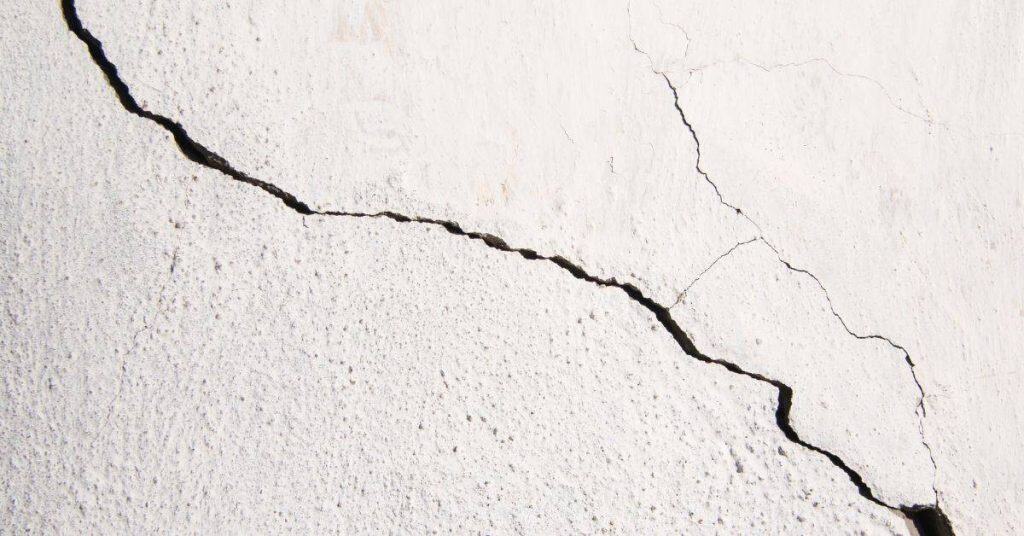
Stucco Cracks: the Myth of ‘just Cosmetic’ Damage That Can Cost You Thousands

Stucco Cracks: the Myth of ‘just Cosmetic’ Damage That Can Cost You Thousands

Introduction Stucco cracks are rarely cosmetic and can signal costly structural or moisture issues. This guide explains why cracks matter, how to assess severity, and what steps you can take to prevent further damage. You’ll learn practical tips for inspection, signs to watch for, and the kind of expert advice to seek before repairs. Back […]

Stucco Cracks: the Myth of ‘just Cosmetic’ Damage That Can Cost You Thousands Read More »
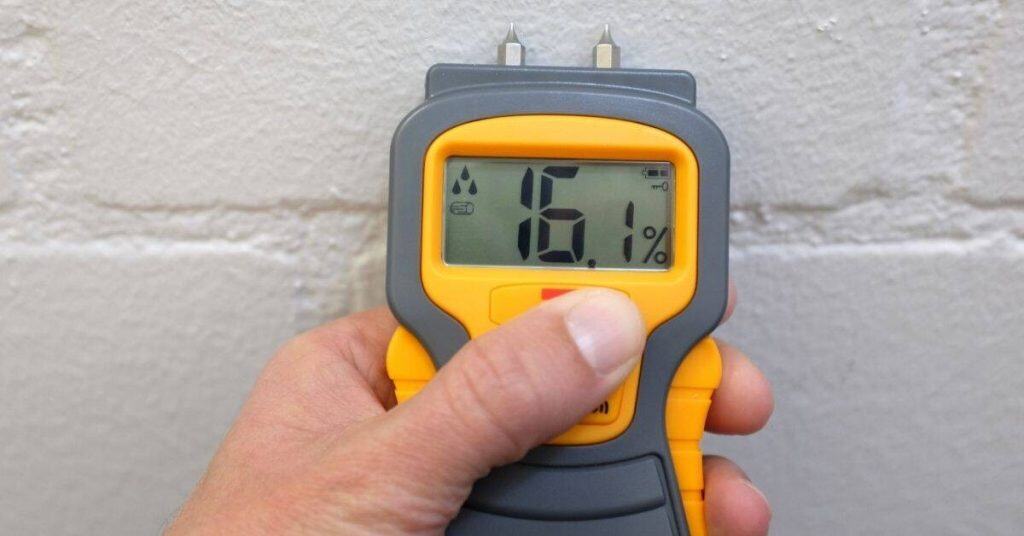
The Compatibility Trap: How Mixing Eifs with Incompatible Paints Leads to Moisture Traps

The Compatibility Trap: How Mixing Eifs with Incompatible Paints Leads to Moisture Traps

Introduction Mixing EIFS with incompatible paints can trap moisture and cause damage to the wall system. You’ll learn how to spot common compatibility issues, why moisture becomes trapped, and practical steps to prevent failures. The guide walks through simple rules of thumb and decision-making tips you can apply when choosing coatings and planning maintenance. Back

The Compatibility Trap: How Mixing Eifs with Incompatible Paints Leads to Moisture Traps Read More »

The Hidden Moisture Culprit Behind Stucco Cracks (it’s Not What You Think)

Could Hidden Moisture Be Causing—or Worsening—Your Stucco Cracks?

Introduction Hidden moisture can cause or worsen stucco damage, but a crack alone does not prove there is a leak. Cracks also occur from shrinkage, poor curing or installation, impact, settlement, thermal movement, corrosion, and movement in framing, masonry, or another substrate. The practical question is whether a crack is paired with signs of water

Could Hidden Moisture Be Causing—or Worsening—Your Stucco Cracks? Read More »

The Freeze-Thaw Pattern That Makes Concrete Repairs Fail in Low-Temperature Zones

The Freeze-Thaw Pattern That Makes Concrete Repairs Fail in Low-Temperature Zones

Introduction Freeze-thaw cycles cause concrete repairs to fail in low-temperature zones. The guide explains how repeated freezing and thawing weakens repair bonds and highlights practical steps—such as material choices, protective measures, and maintenance routines—you can apply in cold climates to improve durability. Key takeaways Choose cold‑climate mixes with low water-cement ratio and air entrainment for

The Freeze-Thaw Pattern That Makes Concrete Repairs Fail in Low-Temperature Zones Read More »

Two basement windows with closed white roller shutters in brick wall

How to Diagnose and Fix Air Leaks Around Your Basement Windows

Introduction Identify and seal air leaks around basement windows to reduce drafts and improve energy efficiency. The guide walks you through practical steps, common leak-prone spots, and simple fixes you can apply to diagnose problems and stop cold air from entering your home. Key takeaways Inspect seals around frame, sill, and trim for cracks and

How to Diagnose and Fix Air Leaks Around Your Basement Windows Read More »

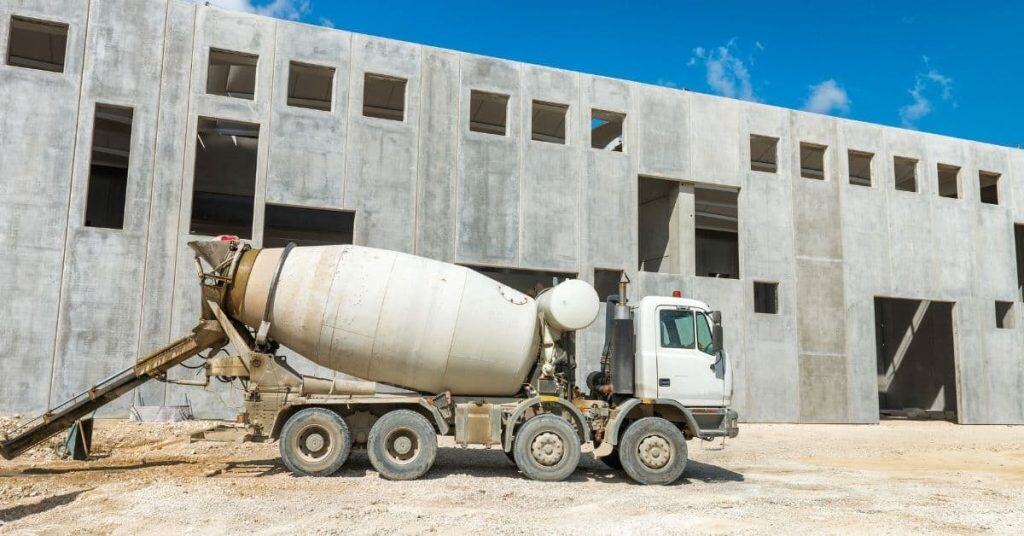
Step-by-Step Guide to Preparing Your Site for Ready-Mixed Concrete Delivery

Step-by-Step Guide to Preparing Your Site for Ready-Mixed Concrete Delivery

Introduction Prepare your site for ready-mixed concrete delivery by ensuring access, space, and timing are ready for a smooth placement. In this guide you’ll learn how to assess site readiness, coordinate deliveries, and apply practical tips to prevent delays and rework. Key takeaways Verify site grade, slope, and drainage before any formwork or concrete work.

Step-by-Step Guide to Preparing Your Site for Ready-Mixed Concrete Delivery Read More »

Stucco at Grade Clearance: the Detail That Prevents Chronic Wicking and Rot

Stucco at Grade Clearance: the Detail That Prevents Chronic Wicking and Rot

Introduction Ensuring proper stucco at grade clearance prevents chronic wicking and rot. The guide walks you through practical detailing steps, common pitfalls to avoid, and practical rules of thumb you can apply in real-world projects to protect foundations and extend the life of the stucco. Key takeaways Maintain a minimum 4-inch vertical clearance between stucco

Stucco at Grade Clearance: the Detail That Prevents Chronic Wicking and Rot Read More »

Mineral Pigments for Lime: Avoiding Streaks

Mineral Pigments for Lime: Avoiding Streaks

Introduction Use lime-compatible mineral pigments to prevent streaking in lime plaster and paint. The guide explains how pigment choice, grinding, and mixing affect consistency, and provides practical steps for selecting pigments and achieving even color. You’ll learn simple tips, common pitfalls to avoid, and how to test color and application techniques before full coverage. Key

Mineral Pigments for Lime: Avoiding Streaks Read More »

Limewashing over Cement Stucco: Prep That Sticks

Limewashing over Cement Stucco: Prep That Sticks

Introduction Limewashing cement stucco can be made to stick if you properly prep and choose a breathable, compatible limewash. You’ll learn practical steps for surface cleaning, repairs, moisture management, and application tips to ensure lasting adhesion. Key takeaways Use breathable limewash to allow moisture evaporation without trapping in stucco. Clean surface thoroughly, remove efflorescence, and

Limewashing over Cement Stucco: Prep That Sticks Read More »

Build a Stucco Sample Board Rack for Client Choices

Build a Stucco Sample Board Rack for Client Choices

Introduction Build a sturdy stucco sample board rack to showcase finish options for client decisions. You’ll learn how to choose durable materials, organize swatches by color and texture, and present samples in a way that helps clients compare options quickly. The guide walks through practical steps for assembly, labeling, and arranging the display so you

Build a Stucco Sample Board Rack for Client Choices Read More »