Search Results for: vapor barrier

Shower Tile Installation Problems Explained: Causes, Testing, and Fixes

Shower Tile Installation Problems Explained: Causes, Testing, and Fixes

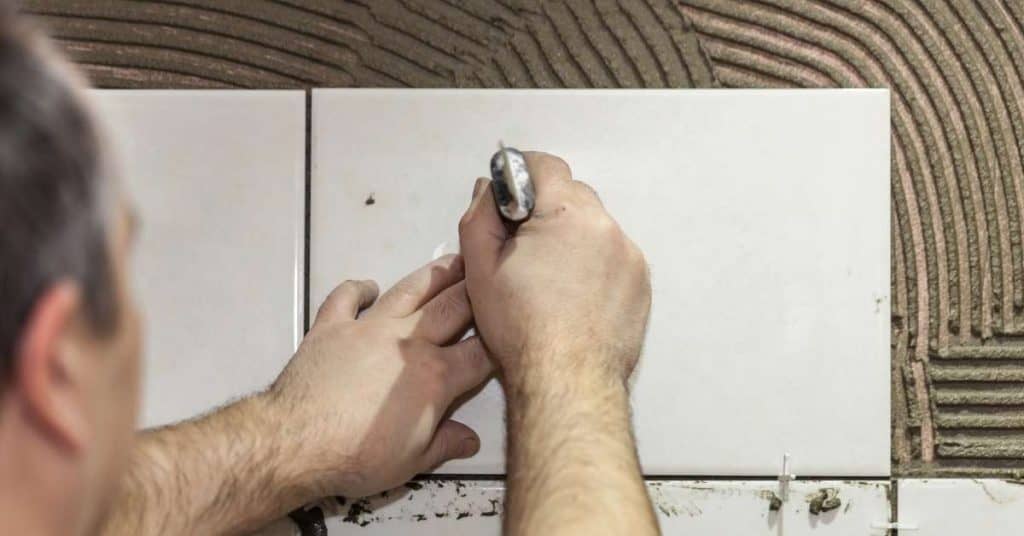
Introduction Shower tile installation problems arise from inadequate waterproofing and surface prep, causing leaks and tile failures. In this guide you’ll learn how to diagnose common failures, test for moisture and adhesion, and apply practical fixes and best practices to prevent future issues. Key takeaways Confirm efflorescence deposits appear as white, powdery, salt-like stains on […]

Shower Tile Installation Problems Explained: Causes, Testing, and Fixes Read More »
Stucco Problems Explained: Causes, Testing, and Fixes

Stucco Problems Explained: Causes, Testing, and Fixes

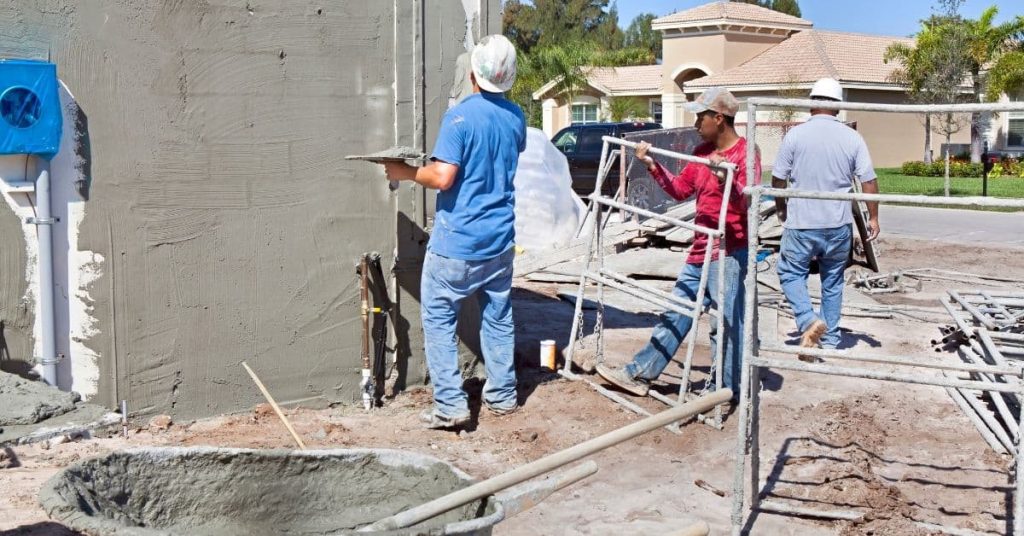
Introduction Common stucco problems stem from moisture intrusion and improper installation, and they can be diagnosed and corrected. This guide explains how to test for moisture, assess damage, and apply practical fixes, with step-by-step tips and rules of thumb to help you plan repairs. You’ll learn what to look for, how to evaluate structural integrity,

Stucco Problems Explained: Causes, Testing, and Fixes Read More »
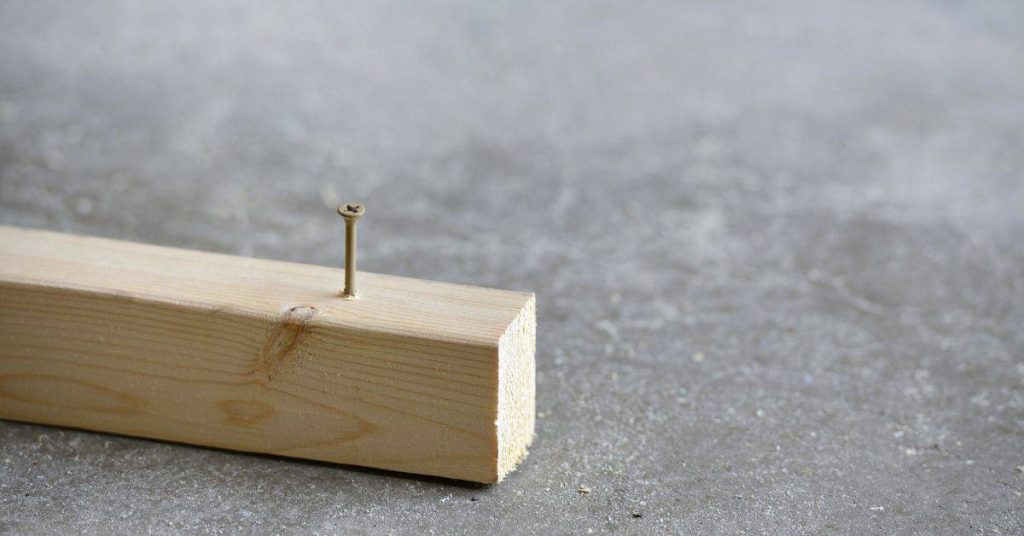
Wood block with nail standing upright on concrete floor

Removing Wood Stuck in Concrete: Safe and Effective Methods

Introduction Wood stuck in concrete can be removed safely and effectively with the right approach. In this article you’ll learn how to assess the situation, choose a method that minimizes damage, and apply practical steps to extract or free the wood. The guide walks through common techniques, safety considerations, and practical tips you can adapt

Removing Wood Stuck in Concrete: Safe and Effective Methods Read More »

Rusting Reinforcement Stains: How to Treat the Cause

Rusting Reinforcement Stains: How to Treat the Cause

Introduction Rusting reinforcement stains are caused by moisture and corrosion in the reinforcing steel, and the key is to address the source. The guide walks through practical steps to identify moisture paths, inspect the concrete and steel, and apply treatments that prevent recurrence. You’ll learn how to prioritize fixes, assess when surface cleaning suffices, and

Rusting Reinforcement Stains: How to Treat the Cause Read More »

Joint Filler Options for Garage Slabs: Rigid Vs Semi-Rigid Explained Simply

Joint Filler Options for Garage Slabs: Rigid Vs Semi-Rigid Explained Simply

Introduction Rigid and semi-rigid joint fillers are the main options for garage slabs, with different movement tolerances and durability. This article explains how to tell which is best for your slab and walks you through practical considerations, installation tips, and real-world examples. You’ll learn how to assess slab movement, select materials, and apply simple rules

Joint Filler Options for Garage Slabs: Rigid Vs Semi-Rigid Explained Simply Read More »

Concrete mixer truck delivering concrete at construction site

Removing Curing Compounds Before Coatings: How to Test and Strip the Film

Introduction Remove curing compounds before coatings to ensure proper adhesion and a clean, durable finish. The guide walks through how to test for residual film, choose practical stripping methods, and apply steps that balance effectiveness with surface safety, so you’ll know what to check and how to proceed in real-world applications. Key takeaways Test cure

Removing Curing Compounds Before Coatings: How to Test and Strip the Film Read More »

Concrete Hot Weather Placement: Shade and When to Stop for the Day

Concrete Hot Weather Placement: Shade and When to Stop for the Day

Introduction Shade and careful scheduling are essential for safe concrete placement in hot weather, and knowing when to stop helps prevent curing issues. You’ll learn practical steps for using shade, adjusting pour timing, and monitoring conditions to decide when to pause for the day. The guide walks through tips, rules of thumb, and real‑world considerations

Concrete Hot Weather Placement: Shade and When to Stop for the Day Read More »

Wind Management on Fresh Concrete: Simple Wind Breaks That Reduce Plastic Shrink Cracks

Wind Breaks for Fresh Concrete: Placement, Anchoring, and Timing

Introduction A temporary wind break can reduce the wind speed at a fresh concrete surface, giving you more time to finish and begin curing before rapid moisture loss causes plastic shrinkage cracks. It is one control in a moisture-loss plan—not a substitute for correct finishing and curing. Related guidance: Plastic Shrinkage Cracks: Wind, Sun, and

Wind Breaks for Fresh Concrete: Placement, Anchoring, and Timing Read More »

Curing Compounds Vs Wet Curing: Which Is Better for Small DIY Work

Curing Compounds Vs Wet Curing: Which Is Better for Small DIY Work

Introduction Choosing between curing compounds and wet curing depends on moisture control and project conditions for small DIY work. The article explains when each method is appropriate and what practical steps to follow. You’ll learn tips, rules of thumb, and concrete considerations to apply curing compounds or wet curing effectively for small DIY projects. Key

Curing Compounds Vs Wet Curing: Which Is Better for Small DIY Work Read More »