Search Results for: vapor barrier

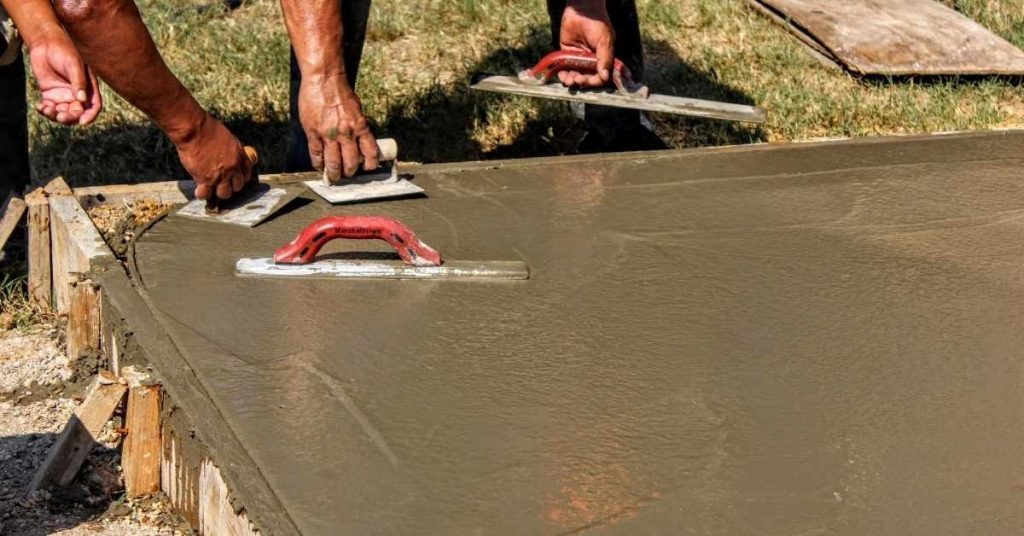
Workers smoothing fresh concrete slab with finishing tools

Retrofitting concrete slab edge insulation on small patios and entries: details that actually fit

Introduction Concrete Slab Edge Insulation Retrofit Retrofitting concrete slab edge insulation enhances thermal performance by adding insulation around exposed edges of existing slabs. This improves comfort in small patios and entryways year-round by reducing heat loss. Before proceeding, assess current edges, drainage, and any moisture concerns. Integrate chosen edge insulation with surrounding framing, slabs, and […]

Retrofitting concrete slab edge insulation on small patios and entries: details that actually fit Read More »

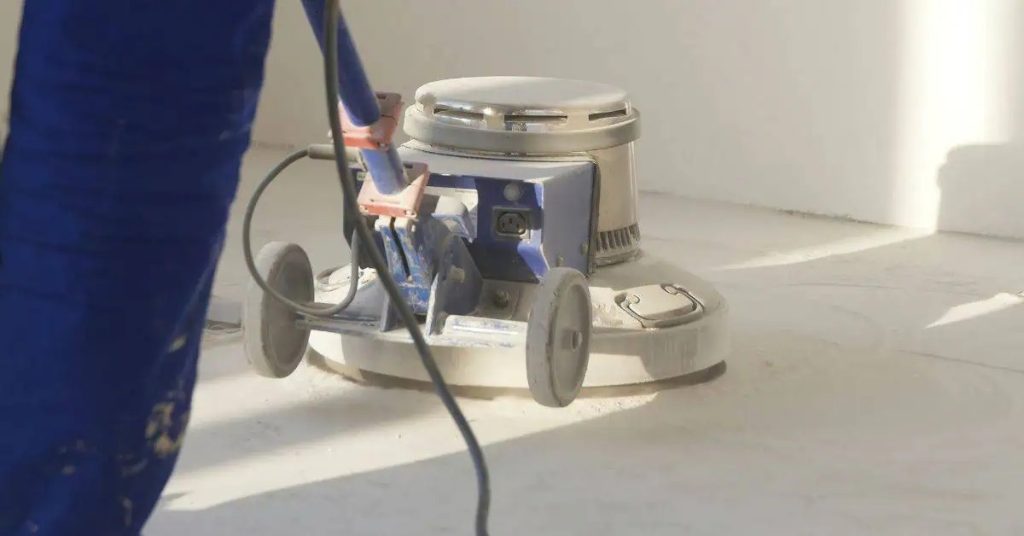
Concrete floor polishing machine on smooth concrete surface

Bonding new concrete to old work: scarify vs grind vs acid (and why acid often disappoints)

Introduction Scarify, grind, and acid are surface-prep methods used to promote bonding between new concrete and old work. Choosing the right method depends on the old surface condition and the project, and acid often disappoints if not applied carefully. This article explains practical choices in plain language and what to expect when you prep for

Bonding new concrete to old work: scarify vs grind vs acid (and why acid often disappoints) Read More »

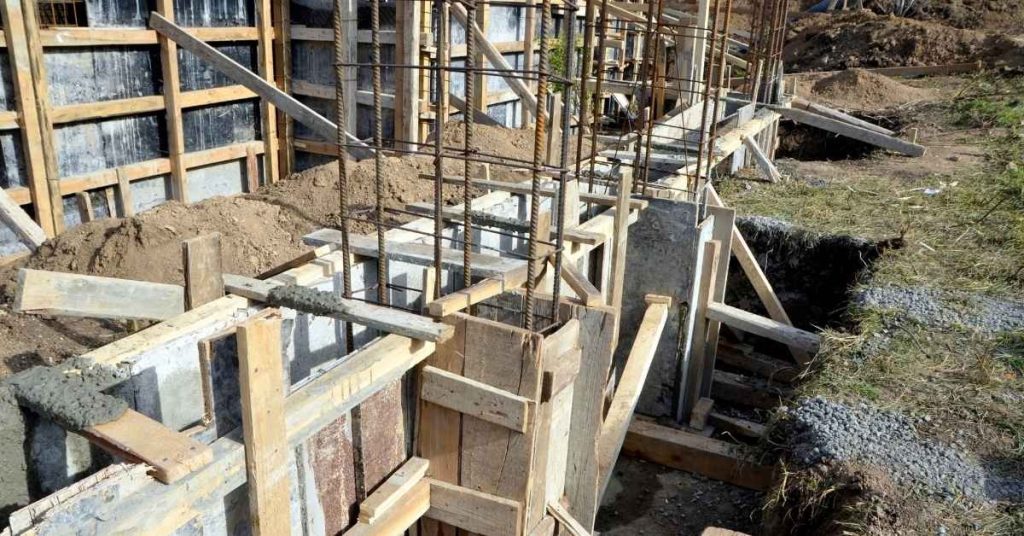
Concrete foundation formwork with exposed rebar and soil

Feather finish vs polymer patch on concrete: choosing a repair that won’t pop off in winter

Introduction Cement Skim Coat vs Polymer Patch for Winter Repairs Feather finish is a thin cement skim coat, ideal for smoothing surfaces. A polymer patch, on the other hand, is a patching compound used to fill small defects. This guide compares their winter performance and provides practical DIY repair steps. Assess damage extent, substrate condition,

Feather finish vs polymer patch on concrete: choosing a repair that won’t pop off in winter Read More »

Person smoothing fresh concrete with tools wearing gloves

Cold-Weather Concrete Repairs: Keeping Thin Patches and Small Slabs from Freezing Out

Introduction Cold-weather concrete repairs are fixes done in cold conditions to prevent thin patches and small slabs from freezing. This article explains practical steps you can take with common materials to keep patches durable. Approach is hands-on and focused on safe, simple techniques you can apply without special equipment. Cold weather slows concrete hydration and

Cold-Weather Concrete Repairs: Keeping Thin Patches and Small Slabs from Freezing Out Read More »

Closeup of stacked concrete deck blocks

De-Icing Salts on Concrete: Which Products Attack Surfaces and Safer Winter Habits

Introduction De-icing salts on concrete are chemical products used to melt snow and ice, but they can damage the surface if misused. They work by lowering the freezing point of water, but some products can attack the concrete finish or initiate surface wear. Before applying, read the label and follow manufacturer instructions to choose a

De-Icing Salts on Concrete: Which Products Attack Surfaces and Safer Winter Habits Read More »

Stacked precast concrete slabs outdoors under clear sky

White Haze on Concrete Slabs: Distinguishing Efflorescence from Sealer Blush

Introduction White haze on concrete slabs is a pale surface film caused by moisture interacting with the concrete. It can be efflorescence or sealer blush, and the two look similar but have different causes and remedies. Efflorescence is a mineral salt deposit driven by moisture migrating through the slab, while sealer blush is a surface

White Haze on Concrete Slabs: Distinguishing Efflorescence from Sealer Blush Read More »

black box fan on concrete floor with dark moisture stains on wall and floor

Overlay vs full replacement: a decision guide based on movement, moisture, and thickness

Introduction Overlay vs full replacement is a choice between patching a deck with an overlay or tearing it out and rebuilding, based on movement, moisture, and thickness. For overlays, assess whether the existing concrete can accept an overlay without excessive cracking or movement, and follow manufacturer instructions and local rules. If movement is high or

Overlay vs full replacement: a decision guide based on movement, moisture, and thickness Read More »

Hands marking a wall using a stud finder and pencil

Kickout Flashing Retrofits Behind Stucco: Safe Cutbacks and Correct Lap Order

Introduction Kickout flashing is the metal flange that directs water away from the stucco at a wall opening, helping water not to get behind the siding. This article covers safe cutbacks and how to keep the lap order correct when retrofitting behind existing stucco. If in doubt, check the product label and local rules for

Kickout Flashing Retrofits Behind Stucco: Safe Cutbacks and Correct Lap Order Read More »

Freshly poured smooth wet concrete slab inside a building

Concrete Slab Curling on Small Pours: How to Measure It and Prevent the Next One

Introduction Curling is when a concrete slab lifts in the middle as it cures. Causes include moisture differences, improper edge drying, and uneven shrinkage during curing. On small pours, wind and heat shifts can worsen the effect. To measure curling, check for a ridge or gap at the edges by placing a straightedge across the

Concrete Slab Curling on Small Pours: How to Measure It and Prevent the Next One Read More »

Close-up of cracked concrete surface with fine fissure

Concrete Moisture Testing for Coatings: Plastic Sheet vs RH Probes vs Real-World Clues

Introduction Concrete moisture testing for coatings is how you check if a slab is dry enough for coatings using plastic sheet tests, RH probes, or real-world clues. Plastic sheet tests give a quick yes/no read, RH probes measure in-the-mix or at the surface over time, and real-world clues come from how coatings behave in practice.

Concrete Moisture Testing for Coatings: Plastic Sheet vs RH Probes vs Real-World Clues Read More »