Search Results for: vapor barrier

Closeup of wooden decking planks with natural grain patterns

Breathable Concrete Coatings: When Vapor Permeability Beats “Tougher” Paint

Introduction Breathable concrete coatings allow water vapor to pass through the film while still protecting the surface. For DIY folks, that means you get a protective layer without sealing in moisture or trapping dampness. Check the product label and manufacturer instructions for exact permeability guidance and proper preparation steps. Compared to traditional paints, these coatings […]

Breathable Concrete Coatings: When Vapor Permeability Beats “Tougher” Paint Read More »
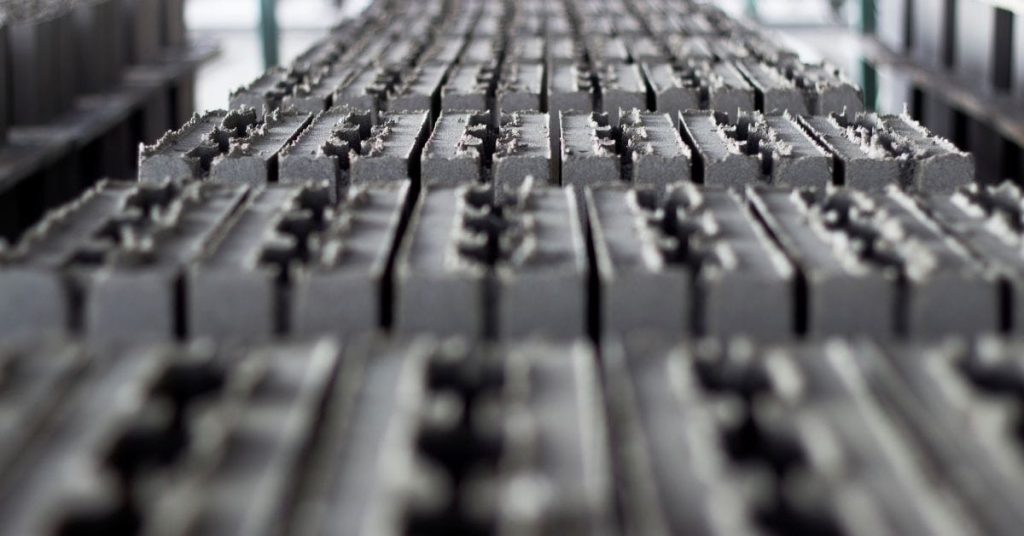
Rows of gray concrete blocks drying on racks

Hot-Weather Concrete Curing for Thin Slabs: Beating Rapid Evaporation Without Dusting

Introduction Curing concrete is the controlled hydration process that lets the mix harden properly. In thin slabs, curing time matters because it affects strength, shrinkage, and finish. Hot weather speeds evaporation and can lead to dusting if the surface dries too fast. To keep moisture in without creating slick surfaces, apply a consistent wetting method

Hot-Weather Concrete Curing for Thin Slabs: Beating Rapid Evaporation Without Dusting Read More »

painted concrete porch floor with chairs and small table

Concrete Floor Paint Blistering Months Later: Vapor Drive vs Cleaning Residues

Introduction Blistering on a finished concrete floor is when paint bubbles and lifts away months after you painted. Two common culprits are vapor drive from the slab and leftover cleaning residues. Both causes require different fixes, so identify which is at fault before touching up. To tell which is the cause, check for moisture or

Concrete Floor Paint Blistering Months Later: Vapor Drive vs Cleaning Residues Read More »

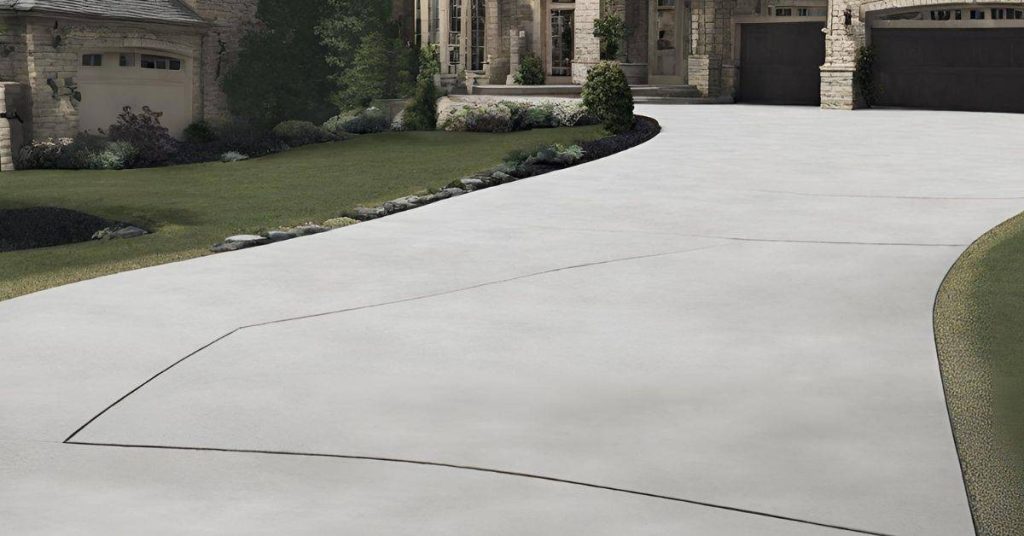
Smooth concrete driveway in front of residential garages

Sealing Concrete With High Moisture: Systems That Tolerate Vapor (and Common Myths)

Introduction Sealing concrete with high moisture means choosing systems that can protect the surface while allowing water vapor to escape. This is not about making a completely watertight barrier, but about selecting materials and methods that tolerate damp conditions. In practice, you’ll look for products and application plans that address vapor transmission and moisture management.

Sealing Concrete With High Moisture: Systems That Tolerate Vapor (and Common Myths) Read More »

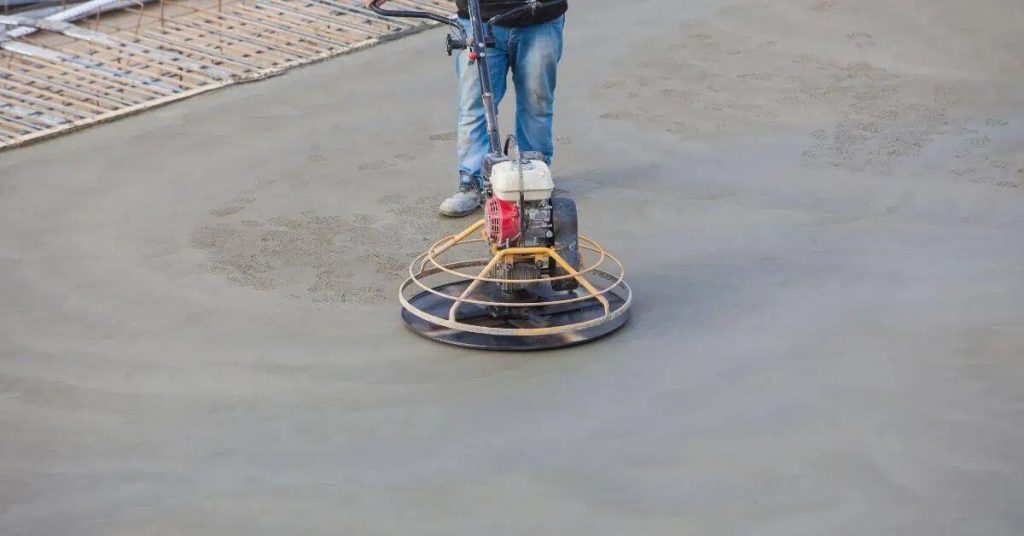
Person operating power trowel on fresh concrete surface

Concrete Finishing at High Altitude: Evaporation Spikes, Set Time Changes, and Curing Adjustments

Introduction Concrete finishing at high altitude means adjusting your process and materials to account for thinner air and changing weather so the slab cures properly and finishes stay intact. Keep the surface protected from rapid evaporation by scheduling pours for cooler parts of the day, covering with appropriate material soon after finishing, and watching wind

Concrete Finishing at High Altitude: Evaporation Spikes, Set Time Changes, and Curing Adjustments Read More »

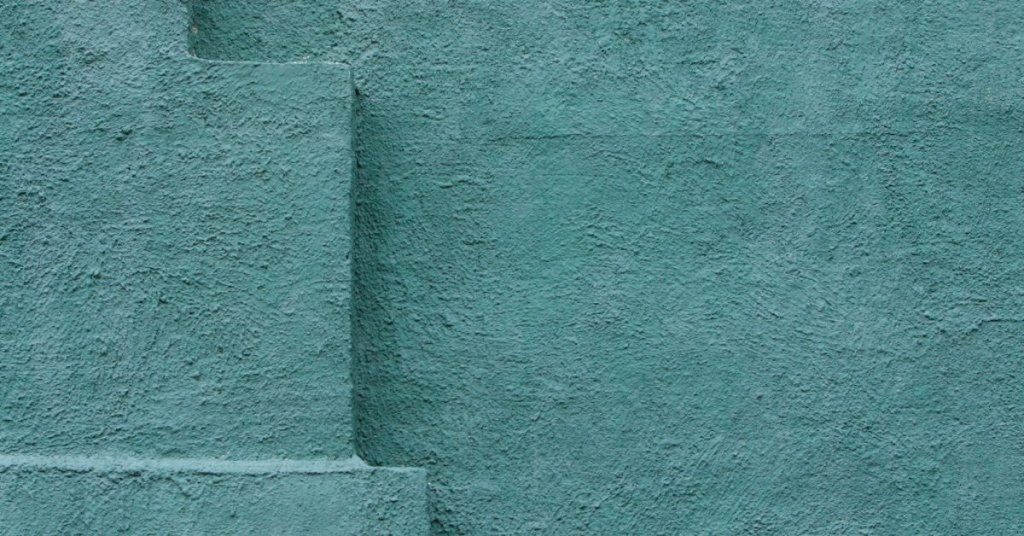
Textured blue stucco wall with recessed section

Retrofitting Drainage Behind Barrier Stucco: What’s Realistic and What’s Wishful Thinking

Introduction Retrofitting drainage behind barrier stucco means creating a practical path for moisture to escape from behind the stucco without compromising the wall. Start with a careful visual check of the barrier, flashing, and any visible weep gaps, then plan based on your wall type and conditions. Always verify with manufacturer instructions and local rules

Retrofitting Drainage Behind Barrier Stucco: What’s Realistic and What’s Wishful Thinking Read More »

Close up of worker smoothing fresh concrete slab with float

Basement Slab Vapor Drive in Winter: Why ‘Dry’ Floors Still Push Moisture Into Coatings

Introduction Basement slab vapor drive in winter is moisture moving through concrete from the ground, even when floors feel dry. In cold weather, capillary action and ground moisture can push water into coatings, sealing layers, and corner joints. This is a practical, hands-on issue you can see by checking for damp spots and efflorescence along

Basement Slab Vapor Drive in Winter: Why ‘Dry’ Floors Still Push Moisture Into Coatings Read More »

Interior wall with patched drywall and blue ladder

Vapor Retarders in Walls: Where They Go (and When They Cause Mold)

Introduction A vapor retarder is a material in walls that slows moisture moving through the wall. Where it goes depends on the wall design and climate, so check the product guidance and local rules. If you’re unsure, use the simplest, approved option and follow the manufacturer’s directions. They can contribute to mold if moisture gets

Vapor Retarders in Walls: Where They Go (and When They Cause Mold) Read More »

Modern living room with grey couch and concrete floor

Concrete Floor Vapor Emissions: Why Some Sealers Fail Even on “Dry” Slabs

Introduction Vapor emissions are moisture moving through a concrete floor and can undermine sealers. Even slabs labeled “dry” can give off moisture that needs to be addressed. You’ll want a practical plan for diagnosing and dealing with that moisture before sealing. Before sealing, verify the slab is truly dry and compatible with the sealer you

Concrete Floor Vapor Emissions: Why Some Sealers Fail Even on “Dry” Slabs Read More »

Worker using power trowel on fresh concrete slab

Concrete Finishing in Wind: Evaporation Control and Burn Risks

Introduction Concrete finishing in wind means shaping and smoothing concrete while wind speeds pull moisture away, increasing surface evaporation. Wind can cause rapid surface drying and burn risks if you rush finishing actions. Work with small batches, plan timing, and watch the surface for signs of drying. Use evaporation control methods such as misting, shade,

Concrete Finishing in Wind: Evaporation Control and Burn Risks Read More »