Search Results for: tuckpoint

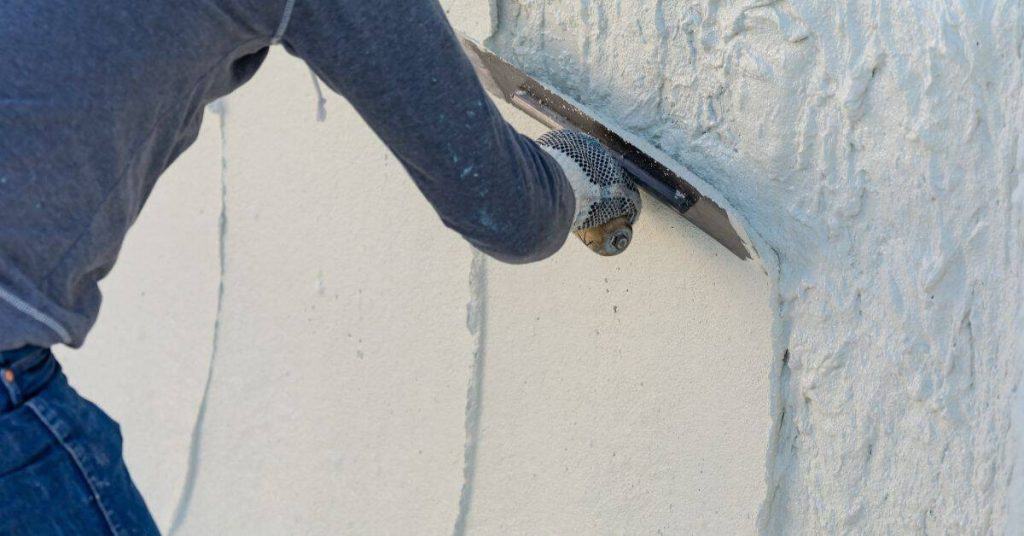
Worker applying stucco texture to exterior wall with trowel

Repairing Stucco Around Exterior Electrical Boxes: Rebuild Steps That Keep the Gasket Dry

Introduction Repairing stucco around exterior electrical boxes is about sealing the gap and protecting the gasket from moisture. This job is hands-on and requires careful prep, clean surfaces, and proper patching to keep water out. Work slowly and check the seal around the box after each step. Start by cleaning the area around the box […]

Repairing Stucco Around Exterior Electrical Boxes: Rebuild Steps That Keep the Gasket Dry Read More »

Clean concrete foundation corner with metal anchors installed

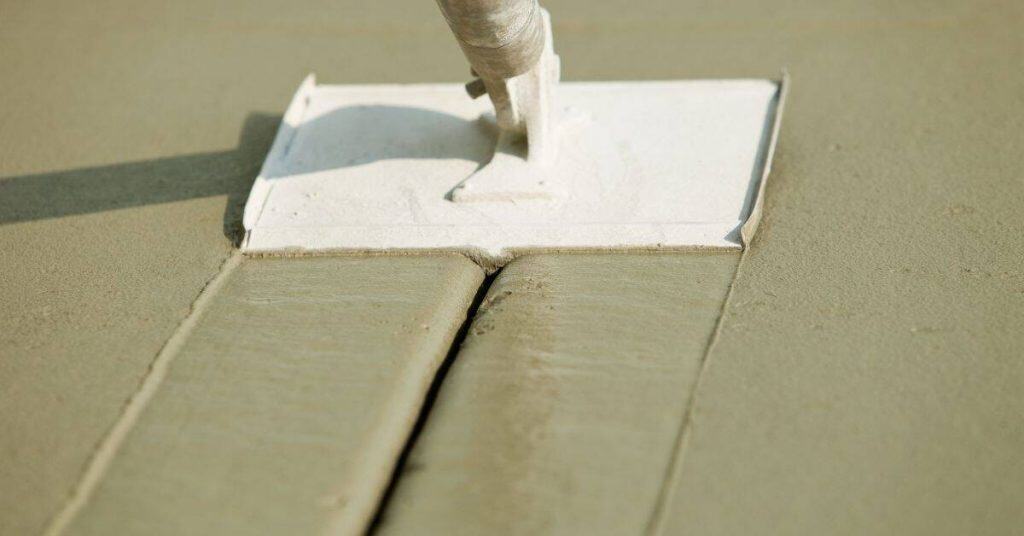
Concrete Window Well Pad: Making a Small Slab That Sheds Water Away From the Wall

Introduction A concrete window well pad is a small slab poured around a window well to shed water away from the foundation. It’s a DIY-friendly project that helps stop splash and seepage. You’ll need to plan, mix, pour, and finish with a slope away from the wall. Start by checking the wall clearance and establishing

Concrete Window Well Pad: Making a Small Slab That Sheds Water Away From the Wall Read More »

Chimney Stucco Failures: Heat

Chimney Stucco Failures: Heat – Timeline & Duration of Repairs

Introduction The timeline and duration of chimney stucco repairs can vary greatly depending on the extent of heat damage. Understanding this timeline helps you plan your project effectively. In this guide, we’ll walk you through the step-by-step process of repairing heat-damaged chimney stucco, focusing on how long each stage takes and what affects the overall

Chimney Stucco Failures: Heat – Timeline & Duration of Repairs Read More »

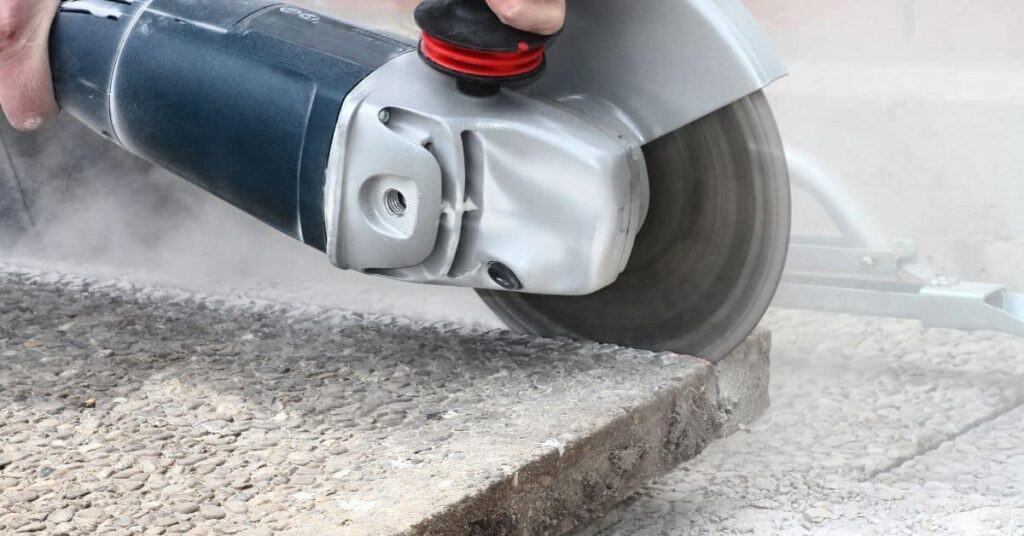
Cutting a Clean Expansion Gap at a Slab-to-House Line: How to Do It Without Ugly Edges

Cutting a Clean Expansion Gap at a Slab-to-House Line: How to Do It Without Ugly Edges

Introduction A clean expansion gap at a slab-to-house line prevents cracking and unsightly edges by allowing for movement. You’ll learn how to plan the gap, make clean cuts, and manage edge finishes with practical steps and best practices. Key takeaways Ensure expansion gap is consistent along the slab-house joint for movement. Use masking tape and

Cutting a Clean Expansion Gap at a Slab-to-House Line: How to Do It Without Ugly Edges Read More »

Concrete mixer truck next to unfinished concrete building

Cement vs Concrete: Timeline & Duration – When to Use Each

Introduction The timeline and duration of your project are crucial factors when choosing between cement and concrete. Understanding the setting times, curing processes, and overall project timelines can help you plan effectively. This guide walks you through the key differences in timing for both materials, helping you make an informed decision based on your project’s

Cement vs Concrete: Timeline & Duration – When to Use Each Read More »

Repairing Plaster over Brick: Bonding Agents and Scratch Coat Technique

Repairing Plaster over Brick: Bonding Agents and Scratch Coat Technique

Introduction Repairing plaster over brick requires using a compatible bonding agent and a properly applied scratch coat to create a durable, crack-free finish. You’ll learn how to choose the right bonding agent, prepare the brick surface, and mix and apply the scratch coat with the right thickness and texture. The article also shares practical tips

Repairing Plaster over Brick: Bonding Agents and Scratch Coat Technique Read More »

Expansion/Movement Joints: Where to Leave Gaps and How to Finish Them Cleanly

Expansion/Movement Joints: Where to Leave Gaps and How to Finish Them Cleanly

Introduction Leave proper gaps at expansion and movement joints to accommodate building movement and prevent cracking. This introduction explains how to choose appropriate gap sizes, where joints belong, and how to finish them cleanly with durable sealants and proper detailing. You’ll learn practical tips, common mistakes to avoid, and a straightforward approach to creating joints

Expansion/Movement Joints: Where to Leave Gaps and How to Finish Them Cleanly Read More »

The Hidden Moisture Culprit Behind Stucco Cracks (it’s Not What You Think)

The Hidden Moisture Culprit Behind Stucco Cracks (It’s Not What You Think)

Introduction Hidden moisture intrusion behind stucco is the primary cause of cracks, not normal settling. Understanding this shifts how you diagnose problems, prevent further damage, and choose safer repair methods. The guide walks you through simple checks, practical tips for moisture control, and common-sense rules of thumb to protect your stucco walls. Back to top

The Hidden Moisture Culprit Behind Stucco Cracks (It’s Not What You Think) Read More »

How to Spot Common Basement Waterproofing Problems Before You Dig in

How to Spot Common Basement Waterproofing Problems Before You Dig in

Introduction Identify common basement waterproofing problems before you dig by recognizing moisture, cracks, and drainage issues. Exterior drainage planning is essential: set a concrete workflow for grading, drainage elevation targets, verification tests after heavy rain, and coordination with landscapers or backfill contractors to avoid reintroducing moisture. Design grading with a continuous slope away from the

How to Spot Common Basement Waterproofing Problems Before You Dig in Read More »