Search Results for: tar paper and sand concrete

Hands holding plaster mold and casting on white table

Repairing Plaster Medallions and Ornament: Simple Mold Tricks for Missing Details

Introduction Repairing plaster medallions and ornament means recreating missing decorative detail on a plaster ceiling or wall. It starts with shaping a patch of material to mimic the curve and edge you see around the piece, then pressing it in to blend with the surrounding plaster. Take your cues from the existing profile and work […]

Repairing Plaster Medallions and Ornament: Simple Mold Tricks for Missing Details Read More »
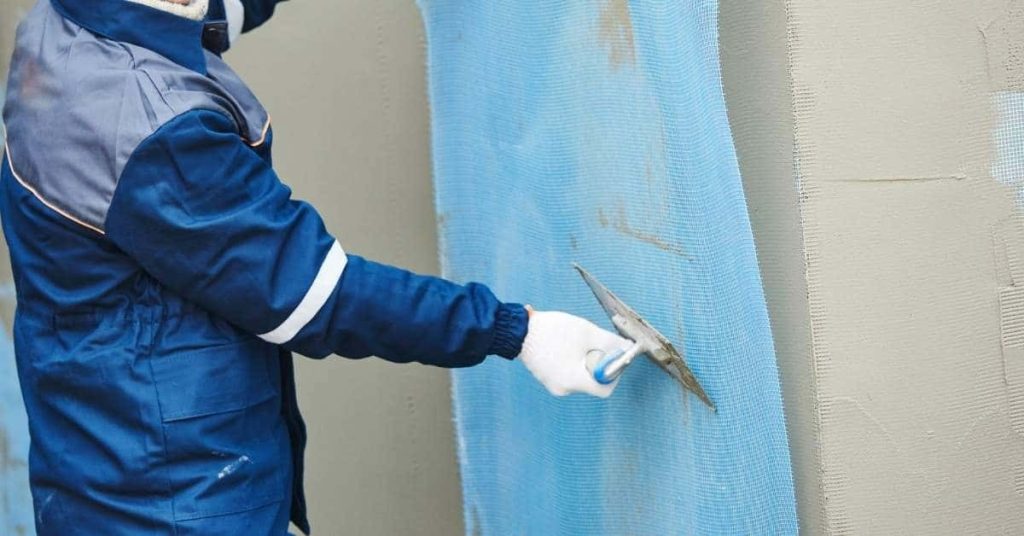
Person applying plaster over blue mesh on wall

Clay Plaster Over Plywood: Movement Joints, Mesh Choices, and Crack-Reduction Tricks

Introduction Clay plaster over plywood is a traditional finish that you apply to plywood walls, using joints and mesh to control movement and cracks. This article gives practical, hands-on steps for choosing joint spacing, mesh types, and tricks to reduce cracking. Expect a process that favors small batches, careful bonding, and testing along the way.

Clay Plaster Over Plywood: Movement Joints, Mesh Choices, and Crack-Reduction Tricks Read More »

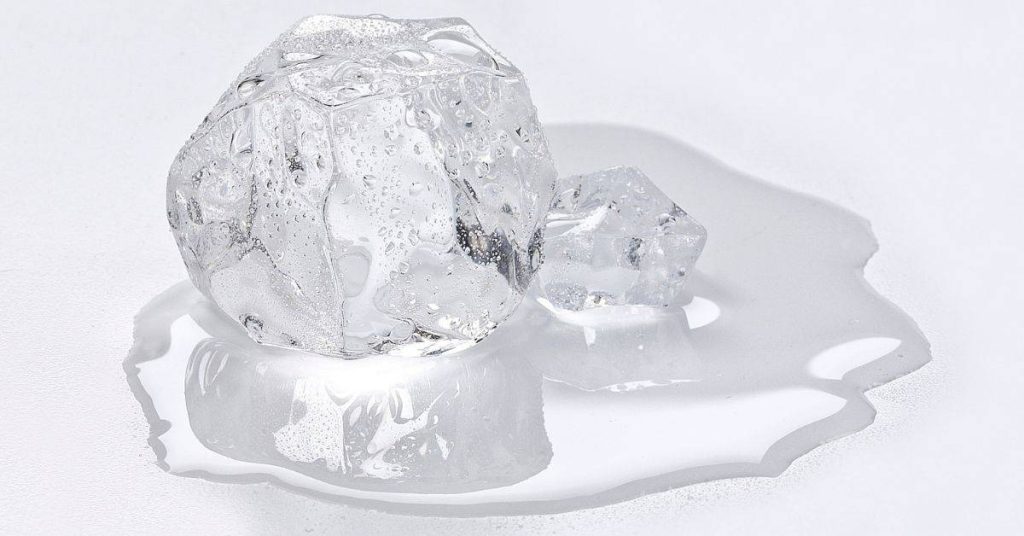
Two melting ice cubes on white surface with water pool

Slip-Resistant Sealed Concrete: Additives, Etch Profiles, and Easy Traction Tests

Introduction Slip-Resistant Sealed Concrete means using a sealant combined with additives and surface treatment to reduce slipping. Key takeaways Choose slip-resistant additives compatible with your sealer and traffic level. Etch profiles improve adhesion; follow manufacturer instructions and test patch first. Conduct simple traction checks after cure using deliberate dragging and toe-walking tests. Protect cured surfaces

Slip-Resistant Sealed Concrete: Additives, Etch Profiles, and Easy Traction Tests Read More »

Pile of broken red bricks and rubble

Spalling Brick Diagnosis: Freeze-Thaw, Salts, and the “Stop the Water” Plan

Introduction Spalling brick diagnosis is identifying why bricks are flaking or crumbling due to freeze-thaw, salts, or moisture. This is a hands-on check to help you decide what needs repair and how to stop further damage. Look for cracking, hollow sounds, powdery surfaces, or powdery efflorescence as clues. Start by stopping water entry and planning

Spalling Brick Diagnosis: Freeze-Thaw, Salts, and the “Stop the Water” Plan Read More »

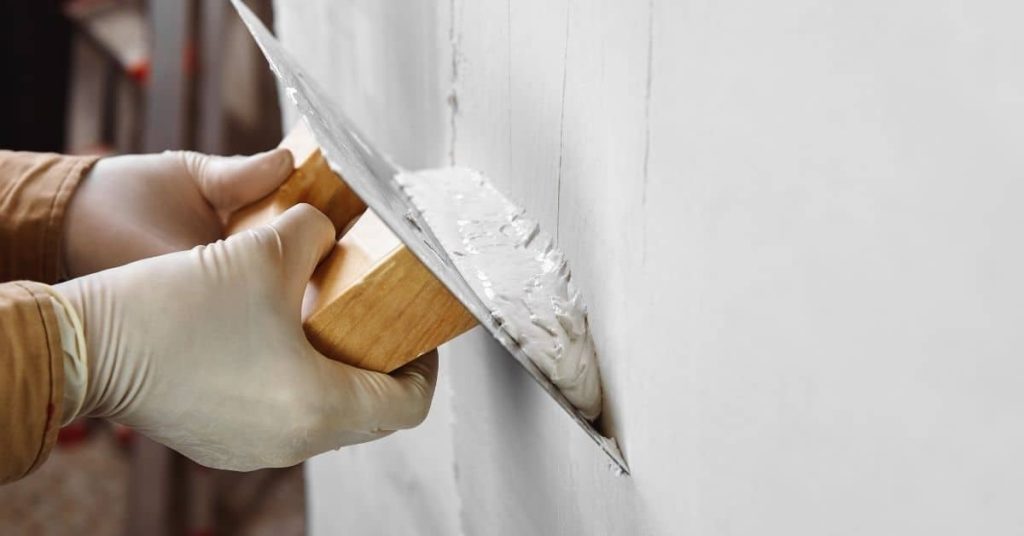
Gloved hands applying plaster on wall with trowel

Gypsum Over Lime Plaster: Compatibility Traps and Smart Primers

Introduction Gypsum over lime plaster is when you apply gypsum-based finish over a lime plaster substrate, which calls for checking compatibility first. Lime and gypsum cure differently, so mismatches can cause peeling or cracking, and a proper primer or bond coat helps. Plan your prep and follow manufacturer or product guidance for the exact steps.

Gypsum Over Lime Plaster: Compatibility Traps and Smart Primers Read More »

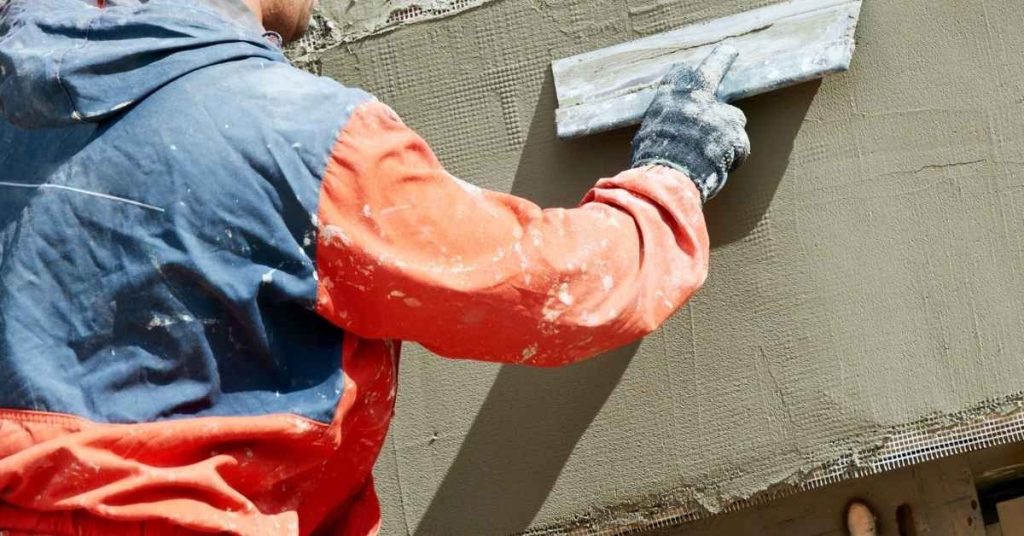
Person applying stucco to wall with trowel

Stucco Window Sills Done Right: Slope, End Dams, and Rot Prevention

Introduction This is about making stucco window sills that shed water properly and resist rot. You’ll focus on the right slope, install end dams, and plan for long-lasting rot prevention. Tackle it like a practical DIY project with common tools and careful flashing. Choose materials and details that stand up to moisture, and verify with

Stucco Window Sills Done Right: Slope, End Dams, and Rot Prevention Read More »

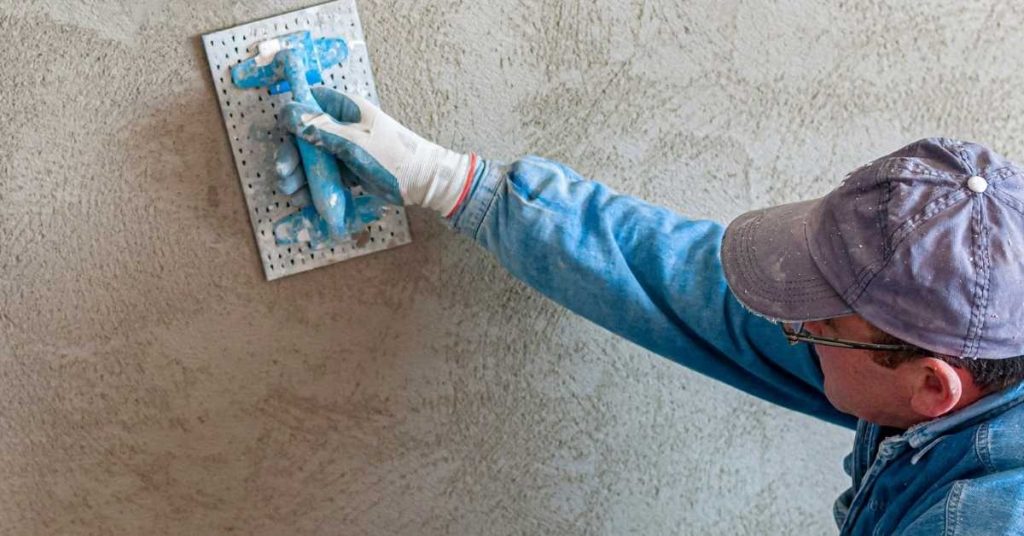
Worker applying stucco texture with a blue float tool

Sand Float Stucco Texture Matching: Tool Angles, Timing, and Avoiding Shine

Introduction A sand float stucco texture is a lightly rough, matte finish achieved by floating mortar with a sanded tool to create texture. This article covers practical techniques and the feel of the finish when you’re applying it on a DIY project. It stays away from glossy shine and aims for a consistent, hand‑worked look.

Sand Float Stucco Texture Matching: Tool Angles, Timing, and Avoiding Shine Read More »

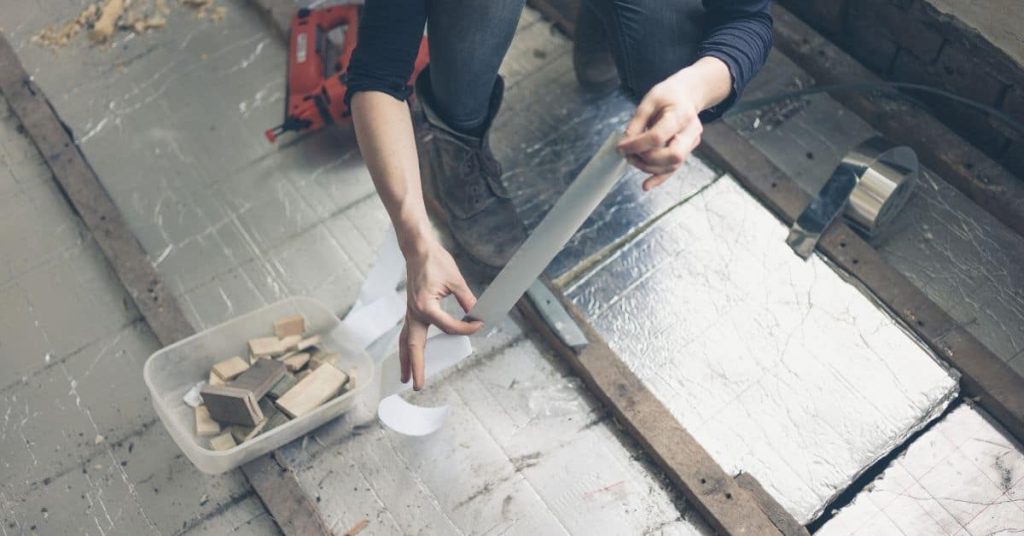
Person installing reflective foil insulation on floor

Frost-Protected Shallow Foundations (FPSF) for Small Slabs: Insulation Layout and Drainage Basics

Introduction Frost-Protected Shallow Foundations (FPSF) are a way to keep concrete slabs from freezing by using insulation and careful drainage. As a DIYer, you’ll want to plan insulation under and around the slab edge and maintain a continuous layer. Always check local rules and product instructions for how to install and transition between insulation and

Frost-Protected Shallow Foundations (FPSF) for Small Slabs: Insulation Layout and Drainage Basics Read More »

Blue painted wooden doors with visible horizontal paint streaks

Why Paint Gets Sticky Behind Doors: Soft Films, Plasticizers, and Blocking Prevention

Introduction Sticky paint behind doors is when the film stays soft and tacky after it dries. That softness can come from plasticizers in the paint and a finish that cures slowly in tight spaces. Heat, humidity, and being pressed between door frames can make the film stay sticky longer. To prevent or fix it, read

Why Paint Gets Sticky Behind Doors: Soft Films, Plasticizers, and Blocking Prevention Read More »

Worker spraying white paint on an indoor wall wearing protective gear

Painting Before Rain: Minimum Dry Times by Paint Type and How to Avoid Wash-Off

Introduction Painting before rain means choosing the paint and applying it so it dries before expected rain, following the type’s minimum dry time. Dry times vary by paint type and conditions, so always read the label for the minimum Dry Time. Weather, humidity, and surface prep affect it. To avoid wash-off, apply only when you

Painting Before Rain: Minimum Dry Times by Paint Type and How to Avoid Wash-Off Read More »