Search Results for: tar paper and sand concrete

Worker applying joint compound to drywall ceiling with putty knife

Is Flat Drywall Out of Style?: Texture Trend Problems Explained: Causes, Testing, and Fixes

Introduction Flat drywall is a long-standing base, but texture trends have shifted how homes look today. This intro explains why some spaces read as smoother or more textured and what to test before choosing a finish. You’ll get a plain‑language sense of what to expect and how a skim coat can change a wall’s feel. […]

Is Flat Drywall Out of Style?: Texture Trend Problems Explained: Causes, Testing, and Fixes Read More »

Paint roller applying gray paint on white wall

How to Paint and Finish Correctly (DIY Steps + Stop Rules)

Introduction Painting and finishing correctly means preparing the surface, choosing the right finish, and applying it evenly while protecting surrounding areas. Key takeaways Inspect surfaces for peeling paint and moisture before priming or sealing. Choose primer for substrate and stain-blocking needs per label guidelines. Sand edges and smooth substrate to prevent paint irregularities. Apply thin

How to Paint and Finish Correctly (DIY Steps + Stop Rules) Read More »

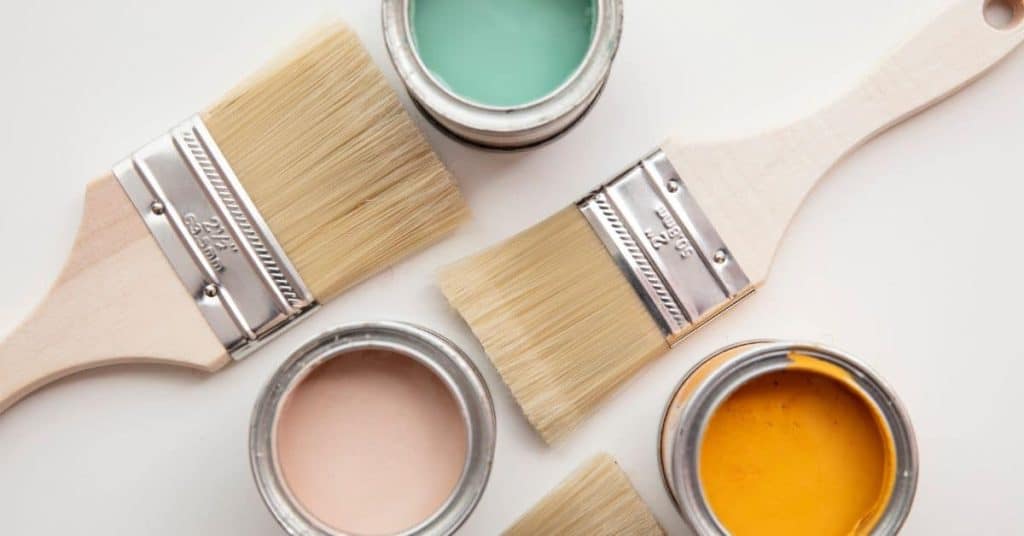
Three paintbrushes near open paint cans with pastel colors

Best Paint Brushes 2026: Problems Explained: Causes, Testing, and Fixes

Introduction Best paint brushes are the tools you choose to apply paint smoothly and avoid common problems. Different brushes use fiber, natural bristle, or synthetic blends, and the right choice depends on the paint and surface. Think about stiffness, shape, and how you hold the brush to control coverage. Problems like brush marks, shedding, and

Best Paint Brushes 2026: Problems Explained: Causes, Testing, and Fixes Read More »

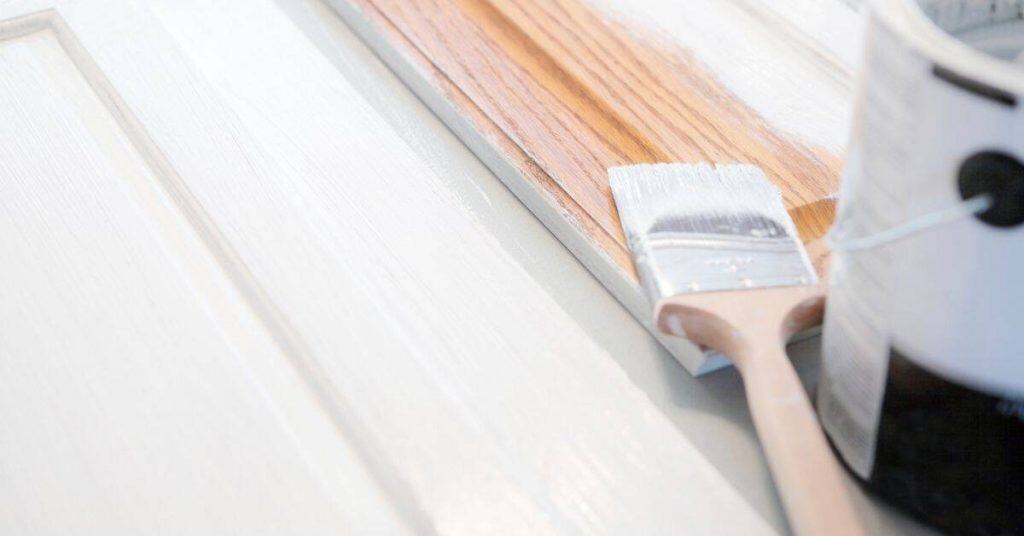
Paintbrush applying white paint to wooden trim

Clean Edges Where Paint Meets Wood (Problems Explained: Causes, Testing, and Fixes)

Introduction Clean edges where paint meets wood means getting a sharp, crisp line where paint stops at the wood without bleed. Causes can include imperfect masking, rough wood surfaces, or a slip in brush and roller control. Taking a little time to prep and test helps you see where trouble starts before you coat. To

Clean Edges Where Paint Meets Wood (Problems Explained: Causes, Testing, and Fixes) Read More »

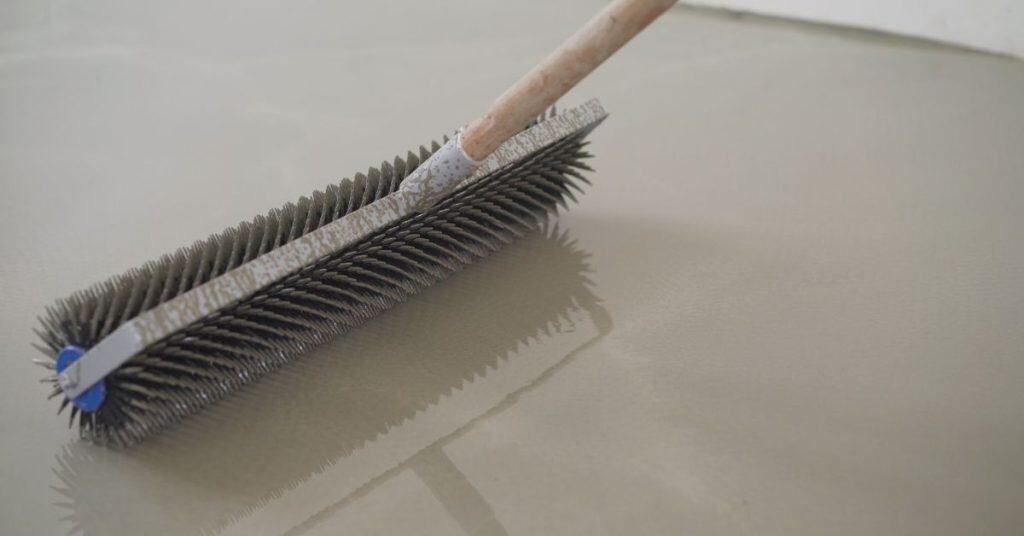
Stiff-bristle roller spreads wet self-leveling cement on floor.

Applying Self-Leveling Compound (Problems Explained: Causes, Testing, and Fixes)

Introduction Self-leveling compound is a leveling overlay that smooths and flattens a concrete floor when mixed and poured correctly. It fills low spots and creates a ready surface for flooring, but preparation and timing matter. Prepare the subfloor, mix to the right consistency, and work before it starts to set. Problems often come from improper

Applying Self-Leveling Compound (Problems Explained: Causes, Testing, and Fixes) Read More »

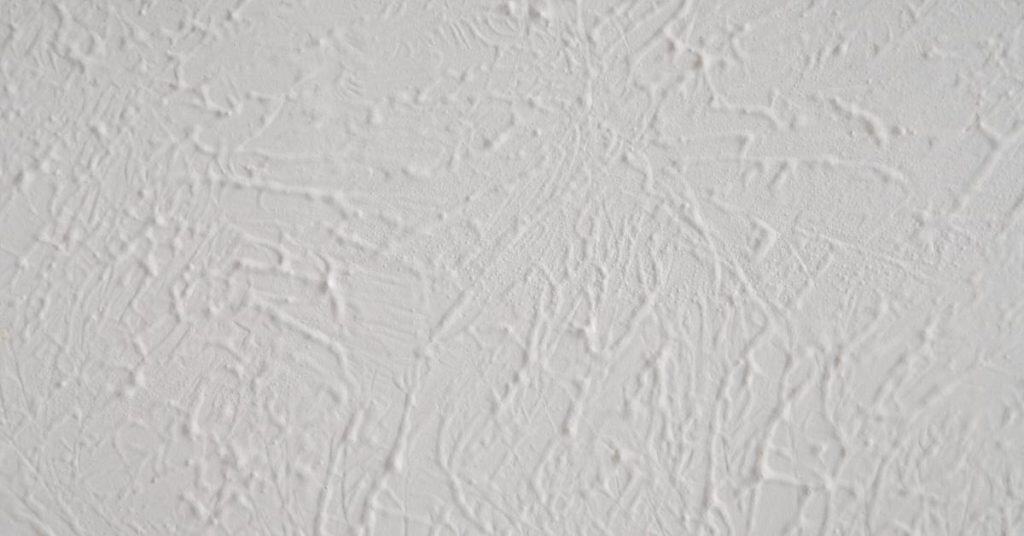
Close-up of white textured plaster wall surface

Drywall Alternatives (Problems Explained: Causes, Testing, and Fixes)

Introduction Drywall alternatives are other wall materials you can use when traditional drywall isn’t the best fit for a room or budget. They include options like panels or boards that can be easier to install, repair, or finish in real-world projects. This intro keeps it practical and hands-on, focusing on what to expect and how

Drywall Alternatives (Problems Explained: Causes, Testing, and Fixes) Read More »

Person painting white kitchen cabinets with small brush

Colors to Paint a Small Kitchen to Make It Look Bigger (Problems Explained: Causes, Testing, and Fixes)

Introduction Color choices for a small kitchen are about using light walls and brighter accents to make the space feel larger. It’s not magic—the right colors reflect more light, reduce visual clutter, and work with your existing cabinets and countertops. Start by testing a few swatches on the wall in different lighting and observe how

Colors to Paint a Small Kitchen to Make It Look Bigger (Problems Explained: Causes, Testing, and Fixes) Read More »

Paintbrush resting on open can of white paint

Items to Never Paint (Problems Explained: Causes, Testing, and Fixes)

Introduction Items you should never paint are surfaces that typically fail or trap moisture when coated. Common culprits include bare metal prone to corrosion, non-porous surfaces that don’t bond well, and materials that can emit fumes or moisture underneath a coat. In this article you’ll learn why these surfaces cause problems, how to test for

Items to Never Paint (Problems Explained: Causes, Testing, and Fixes) Read More »

Three paintbrushes and one paint roller on yellow background

Paint Colors Turning Homebuyers Away in 2026 (Problems Explained: Causes, Testing, and Fixes)

Introduction Bold or outdated paint colors can make buyers hesitate because they expect neutral finishes. Key takeaways Assess moisture intrusion before repainting; fix leaks and humidity to prevent peeling. Test adhesion on suspect surfaces; latex over oil issues usually require proper prep. Plaster walls can crumble; patch with compatible patch compounds and prime thoroughly. Sun-exposed

Paint Colors Turning Homebuyers Away in 2026 (Problems Explained: Causes, Testing, and Fixes) Read More »