Search Results for: tar paper and sand concrete

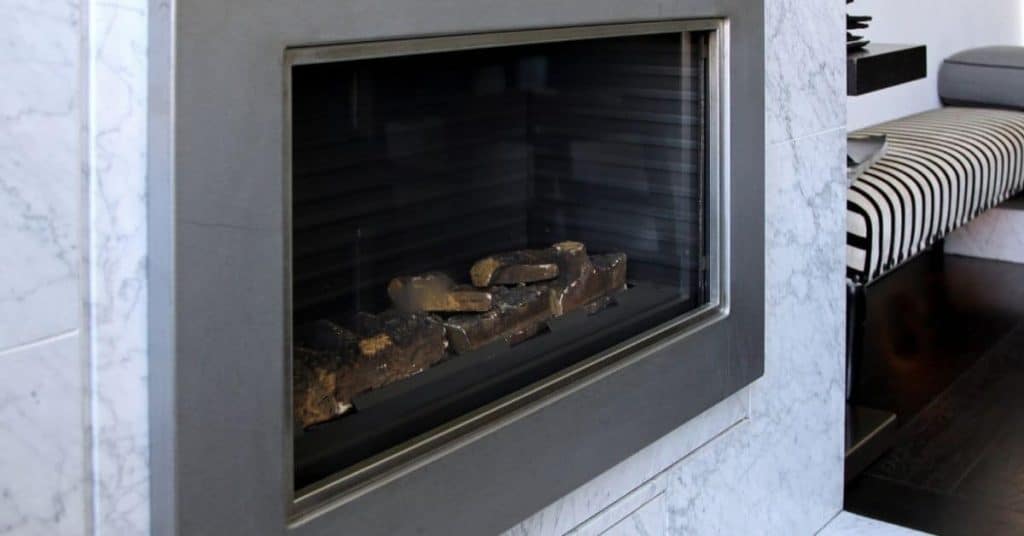
Modern gas fireplace with marble surround and striped bench nearby

How to Paint After Small Fire/Smoke Damage: Soot Removal, Odor Sealing, and Recoat Timing

Introduction This guide explains how to repaint after small fire and smoke damage. First, assess visible soot and smoke residue and clean the affected surfaces well. Use the right cleaners, wipe without rubbing, and remove loose debris before sealing. Odor sealing is used to lock in smells before a new coat. Check the product label […]
How to Paint After Small Fire/Smoke Damage: Soot Removal, Odor Sealing, and Recoat Timing Read More »

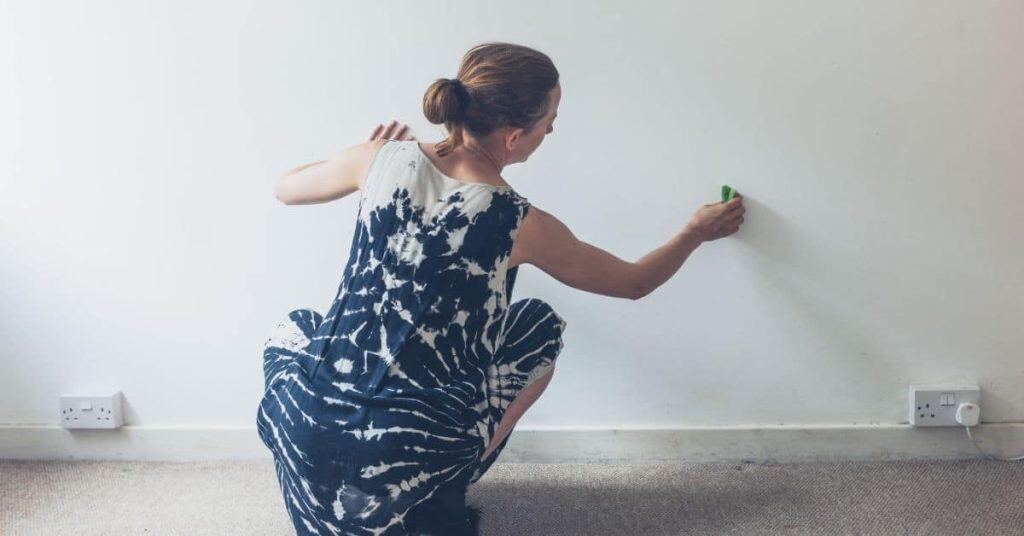
Woman inspecting white wall near carpeted floor

Blocking Water Stains on Ceilings: Drying Checks Before You Prime and Paint

Introduction Blocking water stains on ceilings means stopping moisture and stains from showing through the paint by drying and prepping the surface before priming. You’ll want the area to feel dry, flat, and clean before you apply any primer. This is a hands-on, practical step you can handle with common tools and a bit of

Blocking Water Stains on Ceilings: Drying Checks Before You Prime and Paint Read More »

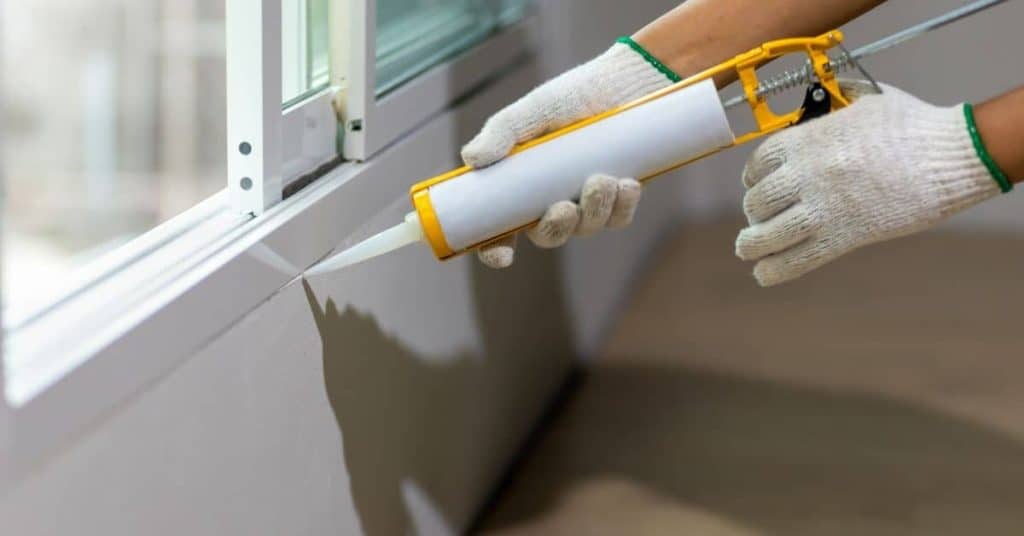
Hand applying white silicone caulk around window frame

Painting Over Silicone Caulk: When It Works, When It Peels, and How to Prep

Introduction Painting over silicone caulk is not reliably paintable, and it often peels later. Silicone tends to resist most paints, so prep and choices matter. If the goal is a solid paint job, plan for alternative routes like replacing or masking. To prep, clean the joint and dry it thoroughly before any paint effort. Lightly

Painting Over Silicone Caulk: When It Works, When It Peels, and How to Prep Read More »

Person painting white kitchen cabinets with small brush

How to Paint Glossy Laminate Cabinets Without Peeling (Bonding Primers and Scuff Tests)

Introduction Bonding primers and proper surface prep are what keep glossy laminate cabinets from peeling. This article walks you through practical steps you can take at home to prep, test adhesion, and apply a durable finish. You’ll learn how to evaluate the surface and choose the right primer for a long-lasting bond. Start with a

How to Paint Glossy Laminate Cabinets Without Peeling (Bonding Primers and Scuff Tests) Read More »

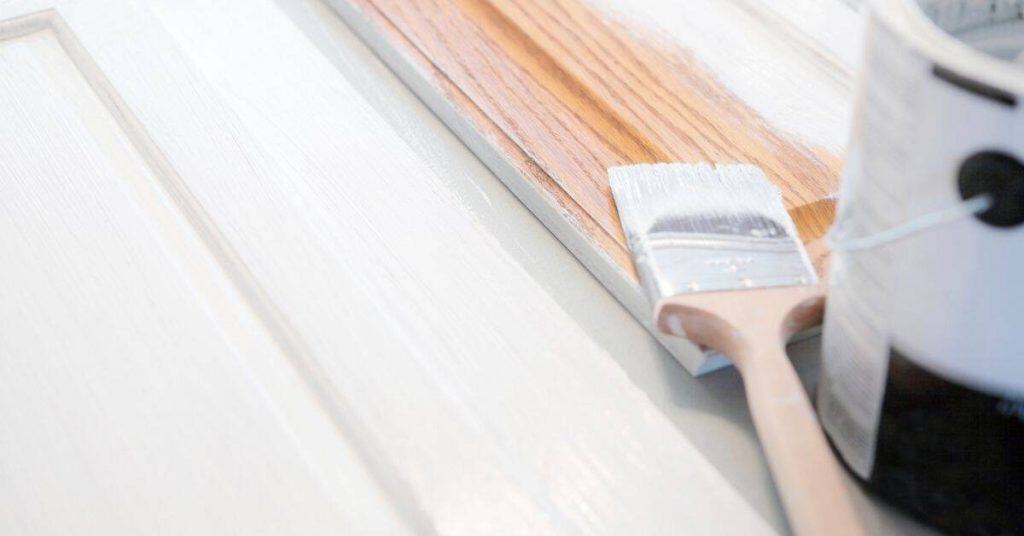
Paintbrush applying white paint on wood trim

How to Stop Brush Marks on Trim: Additives, Layoff Technique, and Sanding Between Coats

Introduction Stopping brush marks on trim means using the right additives, a controlled layoff pass, and sanding between coats to create a smooth finish. Choose compatible additives per the product label and follow local rules, then do a single light layoff before each coat. Check manufacturer instructions for drying times and sanding grit, and tailor

How to Stop Brush Marks on Trim: Additives, Layoff Technique, and Sanding Between Coats Read More »

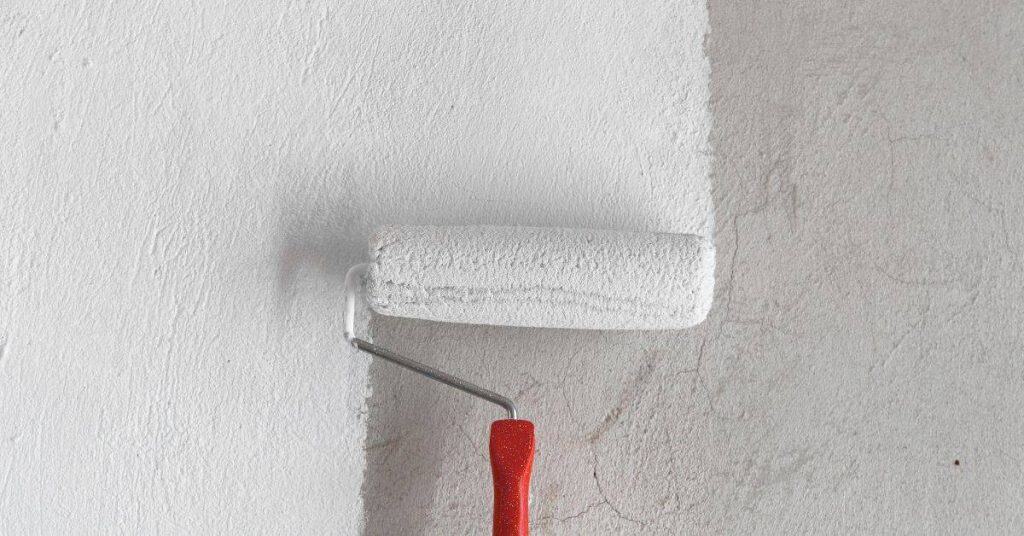
Paint roller applying white paint on textured wall surface

Roller Shedding and Lint in Paint: Prevention and Cleanup Without Repainting the Whole Wall

Introduction Roller shedding and lint in paint happen when fibers from the roller or surface lint mix with wet paint and leave fibers on the wall. This article shows practical, hands-on steps to prevent it and clean up without repainting the whole wall. Use a clean roller and check for loose fibers before you start.

Roller Shedding and Lint in Paint: Prevention and Cleanup Without Repainting the Whole Wall Read More »

Man painting exterior wall with paint roller

How to Paint Over Chalky Exterior Paint: Cleaning, Bonding Tests, and Primer Selection

Introduction Chalky exterior paint must be cleaned and prepared before any new paint can properly adhere. Start by identifying chalky areas, wash with a gentle cleaner, and scrub with a stiff brush, then rinse and let dry. Check product labels or manufacturer instructions for approved cleaners and safe water use. Do a bonding test to

How to Paint Over Chalky Exterior Paint: Cleaning, Bonding Tests, and Primer Selection Read More »

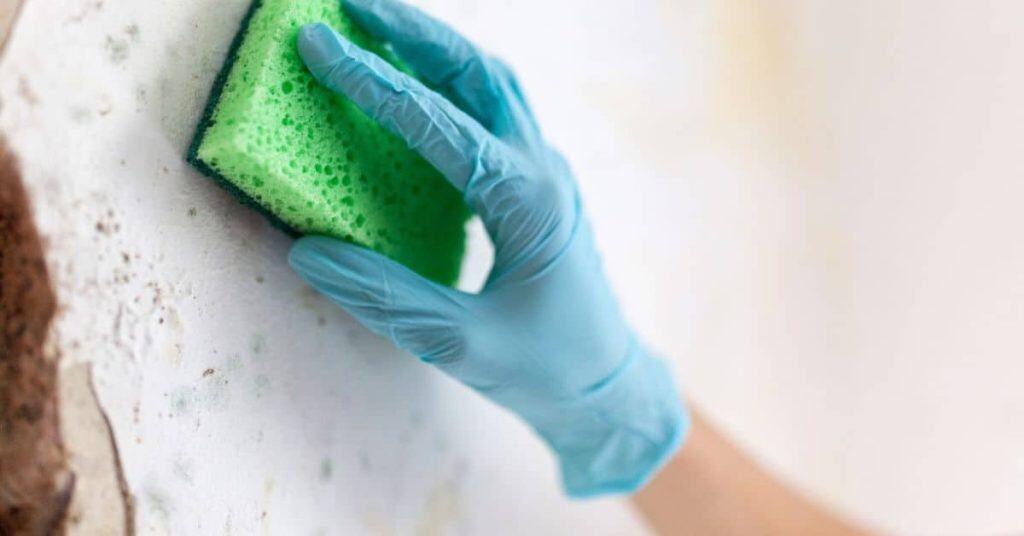
Hand wearing blue glove scrubbing stucco wall with green sponge

Repainting Old Stucco: Cleaning, Priming, and Coatings That Don’t Peel

Introduction Repainting old stucco means preparing the surface, then applying primer and coatings that resist peeling. It’s a hands-on process you can do in stages, not a one-shot job. Focus on cleanliness, a good seal, and choosing products labeled for stucco and exterior use. Start with a thorough cleaning, fix obvious cracks, and verify the

Repainting Old Stucco: Cleaning, Priming, and Coatings That Don’t Peel Read More »