Search Results for: tar paper and sand concrete

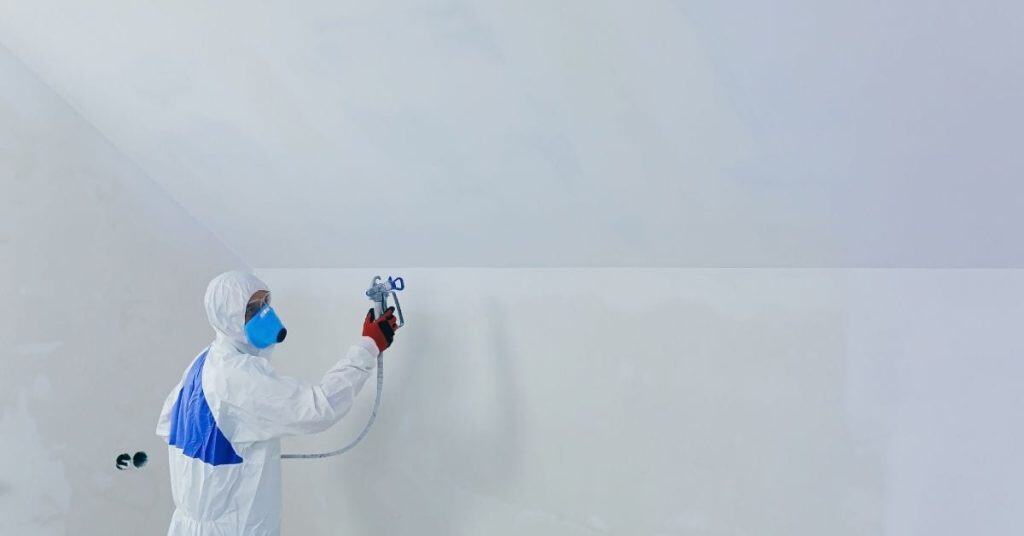
Worker in protective suit spray painting white wall indoors

Painting Around HVAC Registers and Returns: Clean Edges Without Gummed-Up Grilles

Introduction Painting around HVAC registers and returns means masking and preparing the edges so paint doesn’t bleed into the grilles. Prep the area by removing loose debris and laying down drop cloths, then set up masking to protect the grille openings. Keep grilles clean before you start to help the paint stick and to prevent

Painting Around HVAC Registers and Returns: Clean Edges Without Gummed-Up Grilles Read More »

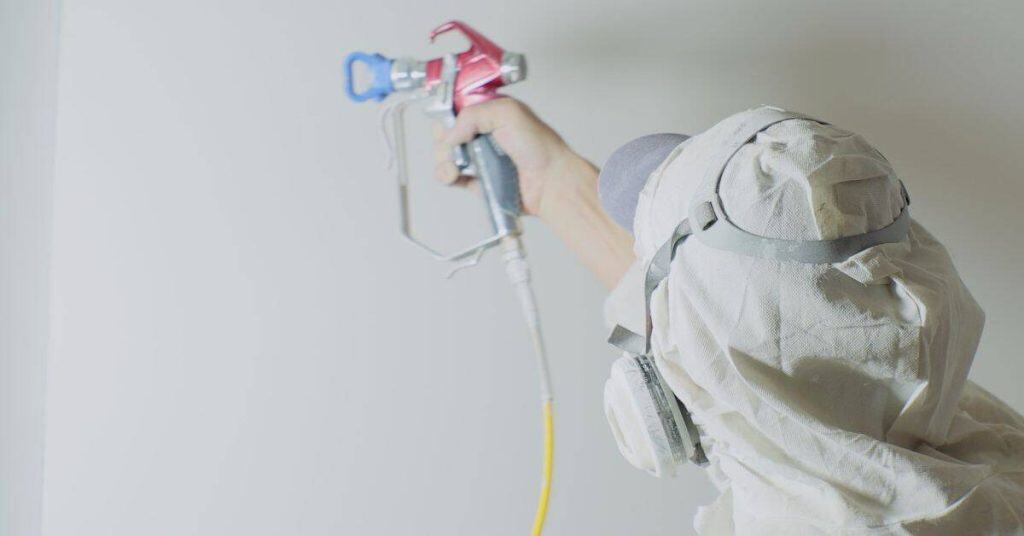
Person in protective suit spraying paint on wall

Spraying vs. Brushing Exterior Trim: Where Overspray Creates Failures and How to Mask Smart

Introduction Overspray on exterior trim is when paint or coating lands beyond the intended edges, often causing runny lines and an uneven finish. Spraying can cover large areas quickly but risks drifting to adjacent surfaces, while brushing gives you more control at the edges. This article keeps it practical for DIY homeowners. Smart masking is

Spraying vs. Brushing Exterior Trim: Where Overspray Creates Failures and How to Mask Smart Read More »

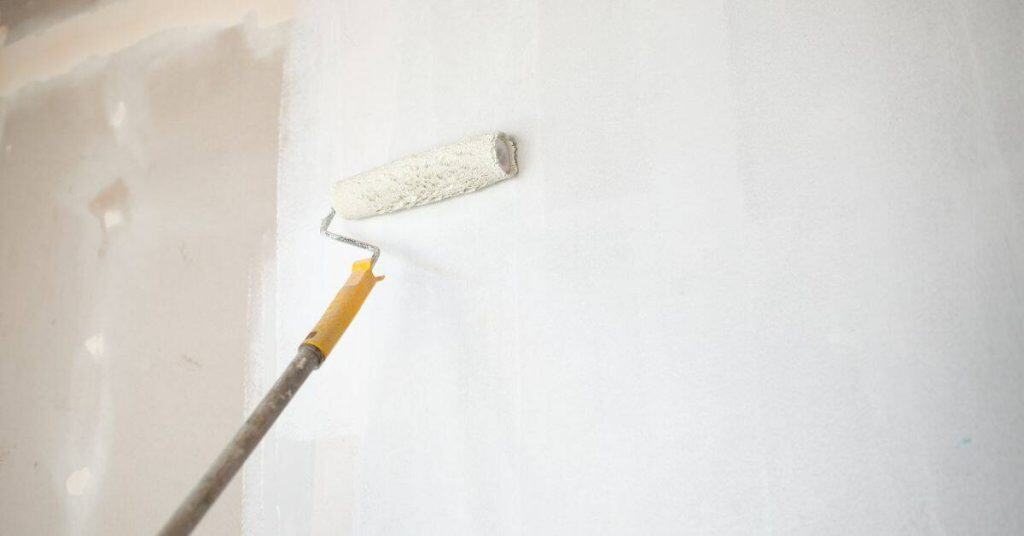
Paint roller applying white primer on drywall

How to Use Shellac Primer Safely Indoors: Ventilation and Cleanup for DIYers

Introduction Shellac primer indoors should be used with good ventilation and careful cleanup. Start by cleaning the surface, removing dust, and fixing any rough spots before you apply. Always check the product label and manufacturer instructions for surface prep and ventilation guidance. When applying, use thin, even coats and follow the grain, avoiding heavy builds.

How to Use Shellac Primer Safely Indoors: Ventilation and Cleanup for DIYers Read More »

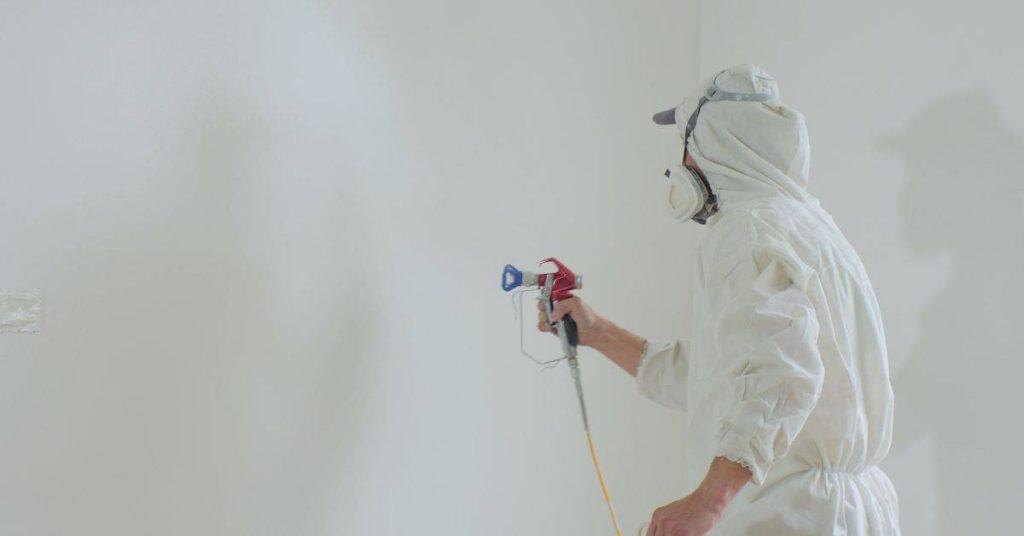
Painter in protective suit spraying white paint on wall

Paint Sheen Touch-Up Problems: Why Patches Flash and How to Blend Them

Introduction Paint sheen touch-up problems occur when patches look noticeably shinier or duller than the surrounding wall after you repaint. They come from differences in sheen level, dry times, or how the old and new coats interact under lighting. The fix is about matching the finish and blending the edges so the patch isn’t obviously

Paint Sheen Touch-Up Problems: Why Patches Flash and How to Blend Them Read More »

White electrical outlet on painted white wall

Touching Up Painted Walls Years Later: How to Match Texture, Color, and Sheen

Introduction Touching up painted walls years later means restoring the texture, color, and sheen so the patch blends with the old paint. It’s a hands-on task that you can do with common tools and a bit of care. Start by examining the wall and deciding what needs to be matched. Identify the texture, sheen, and

Touching Up Painted Walls Years Later: How to Match Texture, Color, and Sheen Read More »

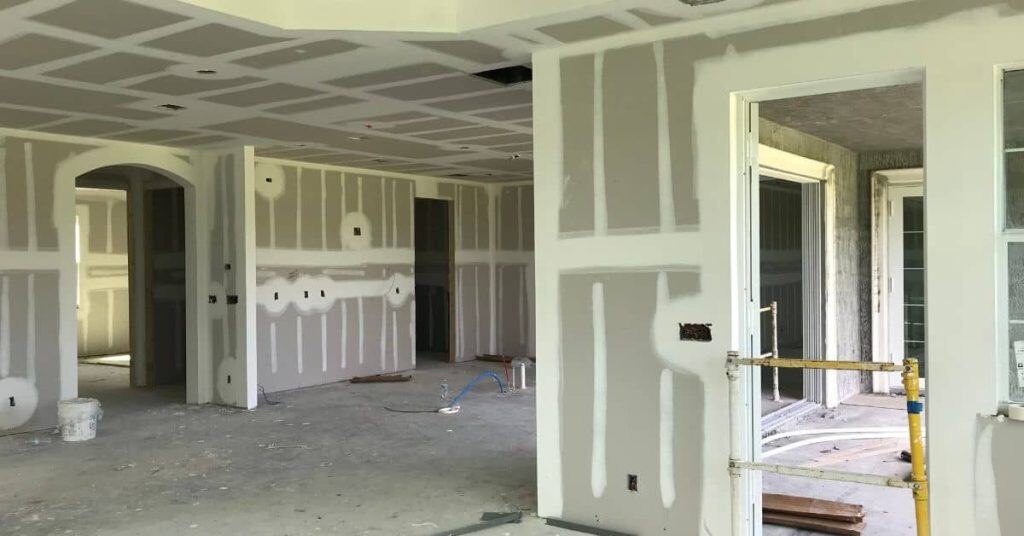
Interior room with drywall panels taped and mudded

Repairing Drywall After a Plumbing Leak: Drying, Mold Checks, and Rebuild Steps

Introduction Repairing drywall after a plumbing leak means drying the area, assessing damage, and preparing for a rebuild. Start by removing standing water and letting the space dry thoroughly before touching the wall. Check for soft spots or blistering drywall and note any areas that need removal. Then look for mold signs like stains or

Repairing Drywall After a Plumbing Leak: Drying, Mold Checks, and Rebuild Steps Read More »

Vinyl corner bead strip with perforations beside orange safety mesh.

Corner Bead Choices: Metal vs. Vinyl vs. Paper-Faced (When Each One Wins)

Introduction Corner bead choices are metal, vinyl, or paper-faced trims used to form and protect drywall corners. Metal beads are sturdy, vinyl beads stay flexible, and paper-faced beads rely on drywall paper and mud to hold shape. This article keeps the talk practical for DIY installs. To pick one, consider where the corner will see

Corner Bead Choices: Metal vs. Vinyl vs. Paper-Faced (When Each One Wins) Read More »

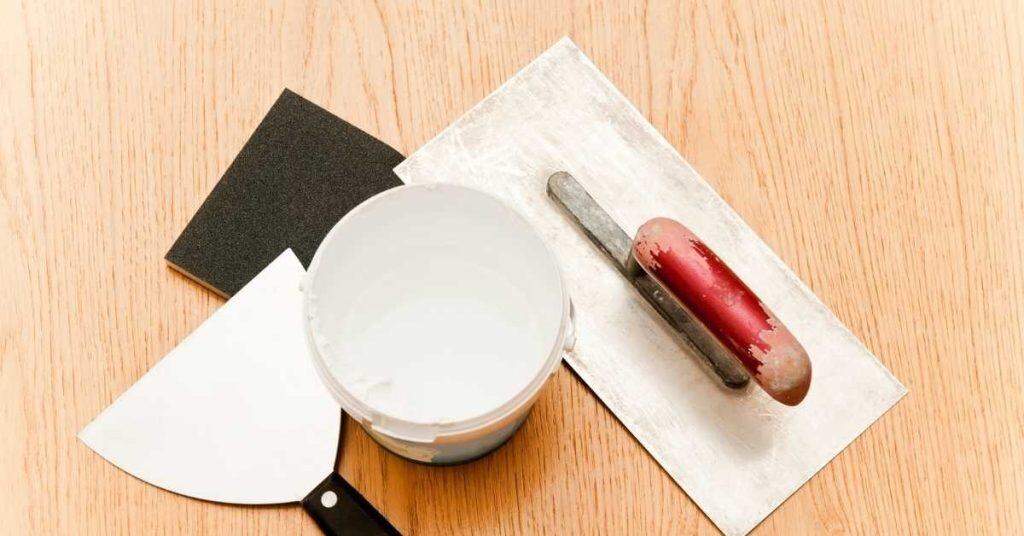
Plastering tools including float, putty knife, sanding sponge and bucket

DIY Level-5 Finish in Small Rooms: Skim Tools, Lighting Checks, and When to Stop

Introduction A DIY Level-5 finish is a near-perfect, impeccably smooth and flat wall or ceiling surface achieved with careful skim coats. This article walks you through skim tools, lighting checks, and the moment to stop before chasing perfection, in small rooms. Use the right skim blade or trowel, keep tools clean, and test with steady

DIY Level-5 Finish in Small Rooms: Skim Tools, Lighting Checks, and When to Stop Read More »

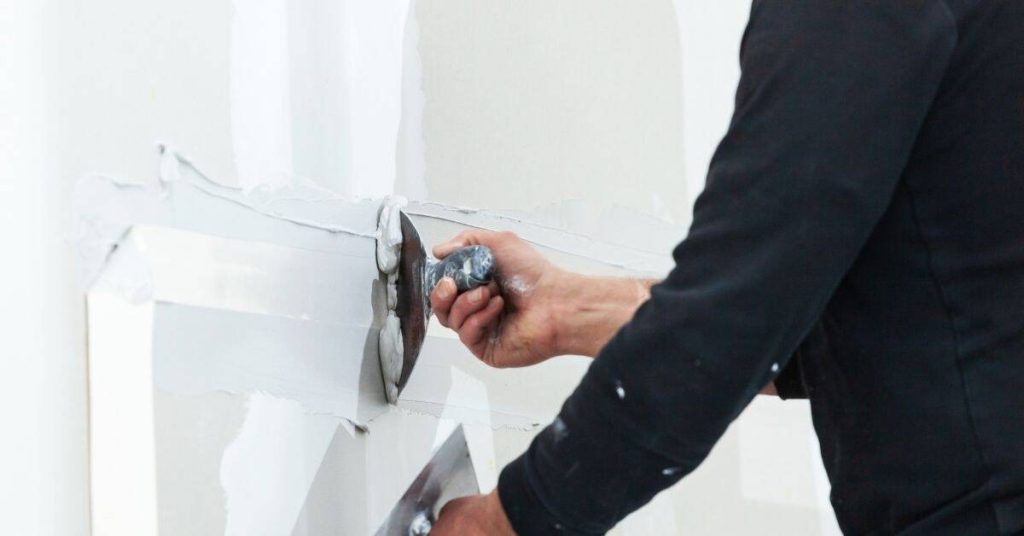
Person applying plaster to drywall seam with putty knife

Fixing ‘Picture Framing’ on Drywall: Why Edges Show Through and How to Reset the Surface

Introduction Picture framing on drywall is when the edge of a wall surface shows a frame-like line where joints or tape peek through. That happens after you paint or texture and the details of the tape or joint compound show along the edge. Fixing it means rebuilding a clean, smooth edge before you repaint. First,

Fixing ‘Picture Framing’ on Drywall: Why Edges Show Through and How to Reset the Surface Read More »