Search Results for: tar paper and sand concrete

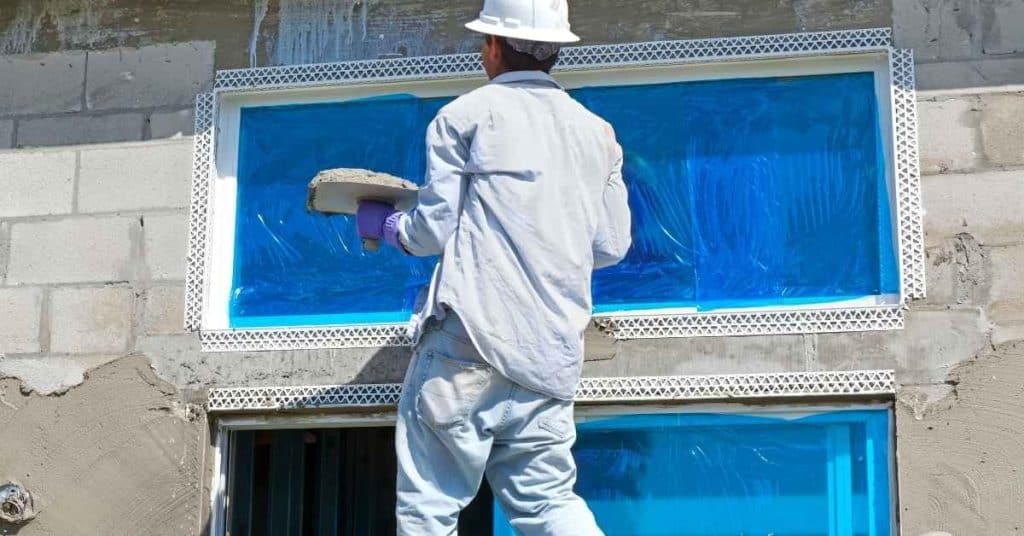
Worker applying stucco around window frames on building exterior

Caulking Stucco to Window Joints: Where to Seal and Where to Leave Drainage

Introduction Caulking stucco to window joints means sealing the gaps where the stucco meets the window frame to keep water out and air in check. It’s a hands-on job that protects the wall and helps prevent leaks. You’ll want to know where not to seal so drainage isn’t blocked and you don’t trap moisture. Start […]

Caulking Stucco to Window Joints: Where to Seal and Where to Leave Drainage Read More »

Hand sanding a plaster wall with a sanding sponge

Plaster Sanding Mistakes: When Sanding Ruins the Finish and What to Do Instead

Introduction Sanding plaster can ruin the finish if you over-sand or use the wrong grit for the surface. This article explains how to spot the signs and what to do instead. You’ll learn practical, hands-on steps you can take without turning a simple job into a bigger mess. Start by avoiding heavy, broad motions and

Plaster Sanding Mistakes: When Sanding Ruins the Finish and What to Do Instead Read More »

Worker in blue helmet painting wall yellow with roller

Painting Plaster the Right Way: Dry Time, Primers, and Sheen Control

Introduction Painting plaster correctly means choosing the right primer, letting it dry properly, and applying coats with the right sheen. This article walks you through the practical steps so your wall texture doesn’t show through or peel. Keep in mind you should read product labels for exact instructions. Dry time depends on temperature and humidity,

Painting Plaster the Right Way: Dry Time, Primers, and Sheen Control Read More »

Close-up of white plaster wall with textured surface

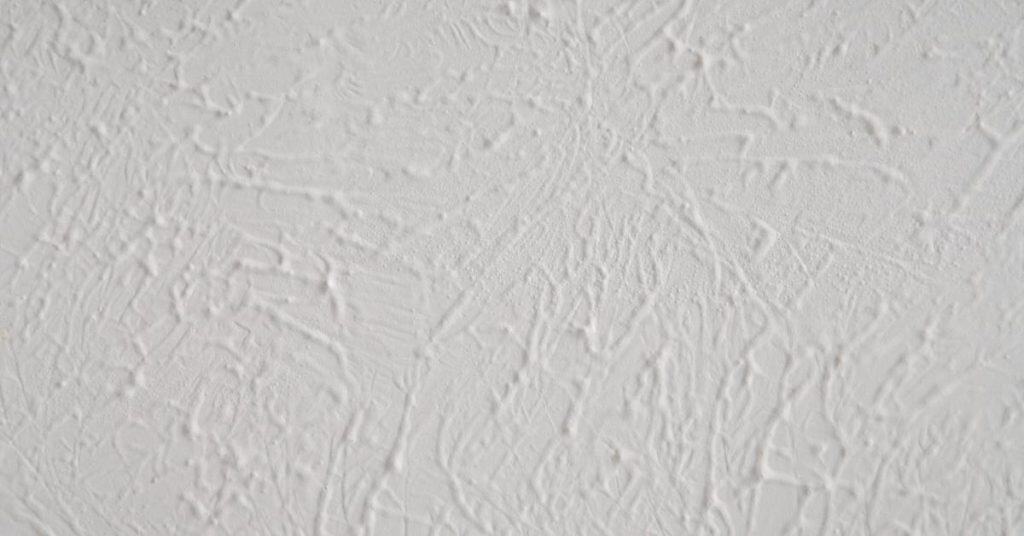
Matching Old Plaster Texture: Brushing, Sponging, and Feathering Tricks

Introduction This guide explains how to match old plaster texture using brushing, sponging, and feathering techniques. You’ll learn simple, hands‑on steps to blend new patches with the surrounding wall. Keep in mind the look varies with light and the original finish. Start by inspecting the current texture to guide your brush, sponge, or feathering choice.

Matching Old Plaster Texture: Brushing, Sponging, and Feathering Tricks Read More »

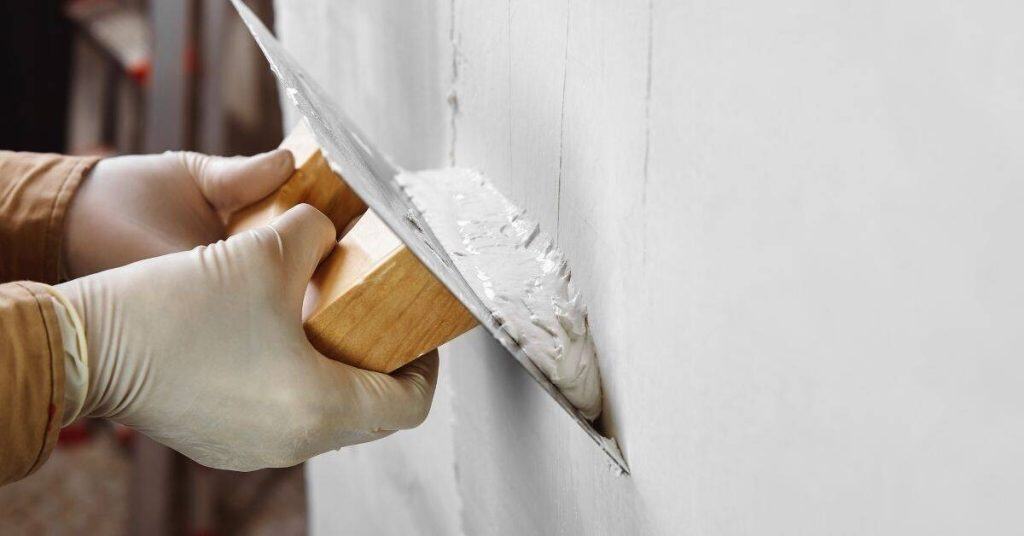
Hands applying wet plaster on wall with trowel

Creating a Smooth Plaster Finish: Trowel Pressure and Timing Basics

Introduction A smooth plaster finish comes from controlled trowel pressure and proper timing. That means pressing evenly as you float or skim, and watching the set so you don’t pull or push too much. You’ll get a better look if you keep strokes consistent and work in small, overlapping sections. Check the plaster’s working time

Creating a Smooth Plaster Finish: Trowel Pressure and Timing Basics Read More »

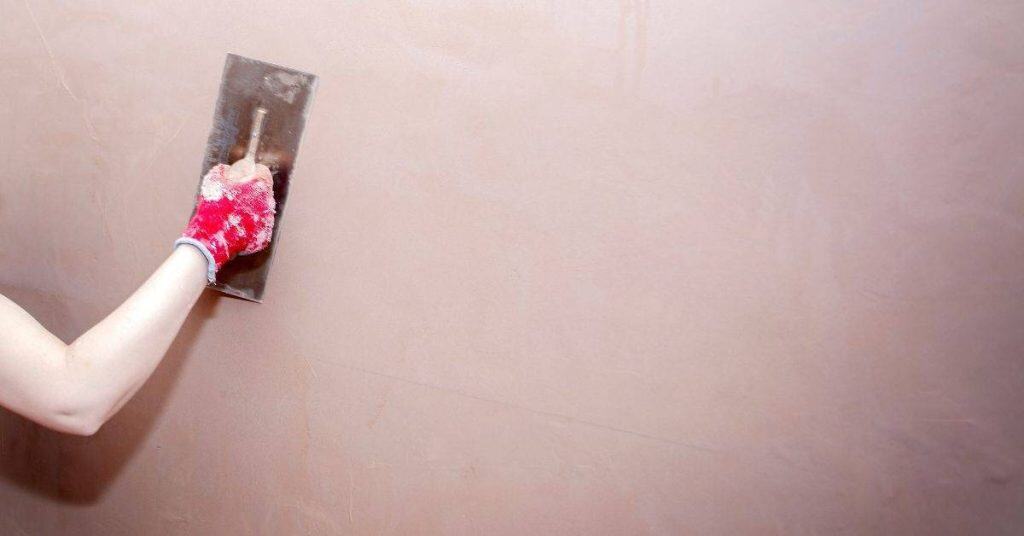
Hand wearing red glove smoothing plaster on wall with trowel

Breathable Finishes for Lime Plaster: What to Use and What to Avoid

Introduction Breathable finishes for lime plaster are coatings that let moisture pass through while protecting the wall. They’re chosen to prevent damp buildup and to keep the plaster performing over time. Check product labels and manufacturer instructions to confirm breathability and suitability for lime plaster. Use lime-putty-based finishes or mineral paints labeled breathable. Avoid latex-based

Breathable Finishes for Lime Plaster: What to Use and What to Avoid Read More »

Person pressure washing concrete patio with hose nozzle

Uneven Concrete Color After Washing: How to Reset Without Making It Worse

Introduction Uneven color after washing means the surface shows inconsistent shade because cleaning or water exposure altered the finish. This happens when residue, detergents, or the top seal interact with the concrete and leave lighter or darker patches. The fix is practical and requires careful, in-place steps rather than a big overhaul. Start with a

Uneven Concrete Color After Washing: How to Reset Without Making It Worse Read More »

Sealant being applied to joint between grey concrete panels

Repairing Broken Control Joints: Clean-Out, Backer Rod, and Sealant Steps

Introduction Repairing broken control joints means fixing the gap between concrete slabs so movement and moisture are controlled. The job involves cleaning out the old material, installing backer rod, and applying fresh sealant. Do it in stages and follow safety and surface prep steps. Start by removing loose debris from the joint so the new

Repairing Broken Control Joints: Clean-Out, Backer Rod, and Sealant Steps Read More »