Search Results for: tar paper and sand concrete

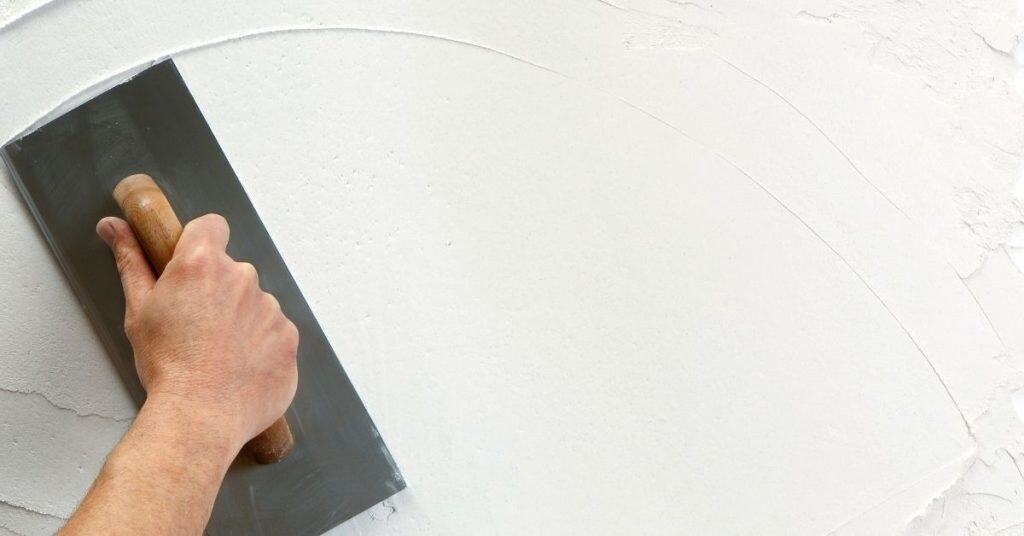
Hand holding trowel smoothing plaster on wall

Plaster Crack Repair That Lasts: Stabilize Movement Before You Patch

Introduction Stabilizing movement before patching means stopping the wall from shifting so the patch can stick. This is a hands-on job, not a quick cover-up. You’ll address the underlying cause first, then patch. Start by locating what’s moving in the wall and take steps to stop it. Secure loose framing with basic fixes and let

Plaster Crack Repair That Lasts: Stabilize Movement Before You Patch Read More »

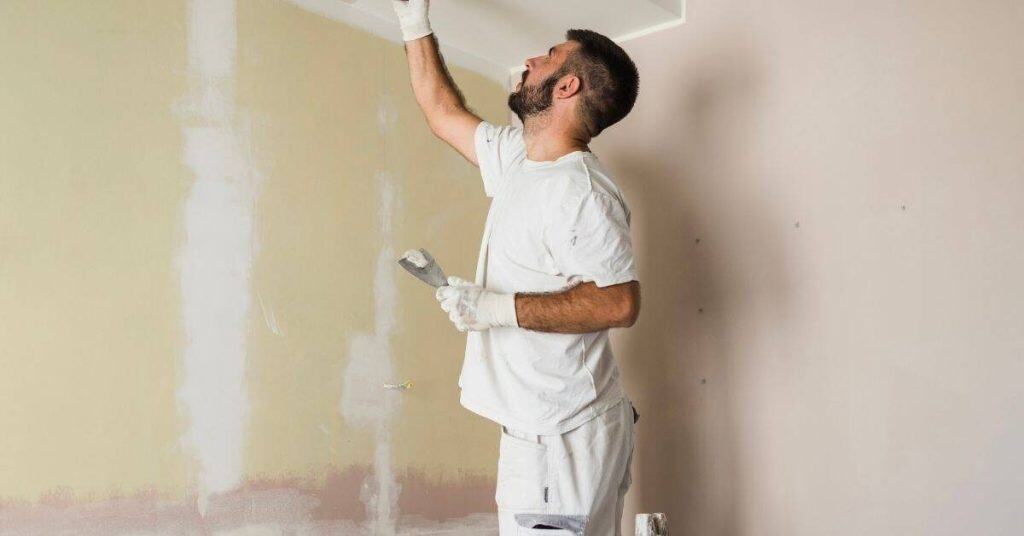
Man patching interior wall with plaster using putty knife

Lime Plaster Compatibility Rules: Patching Old Walls Without Future Failure

Introduction Lime plaster compatibility means using a mix that can bond to existing walls without trapping moisture. It requires considering the old wall material and ensuring the new plaster can move with it. Always check the wall for moisture or stability before patching. To patch, clean and roughen the surface, then apply a lime-based plaster

Lime Plaster Compatibility Rules: Patching Old Walls Without Future Failure Read More »

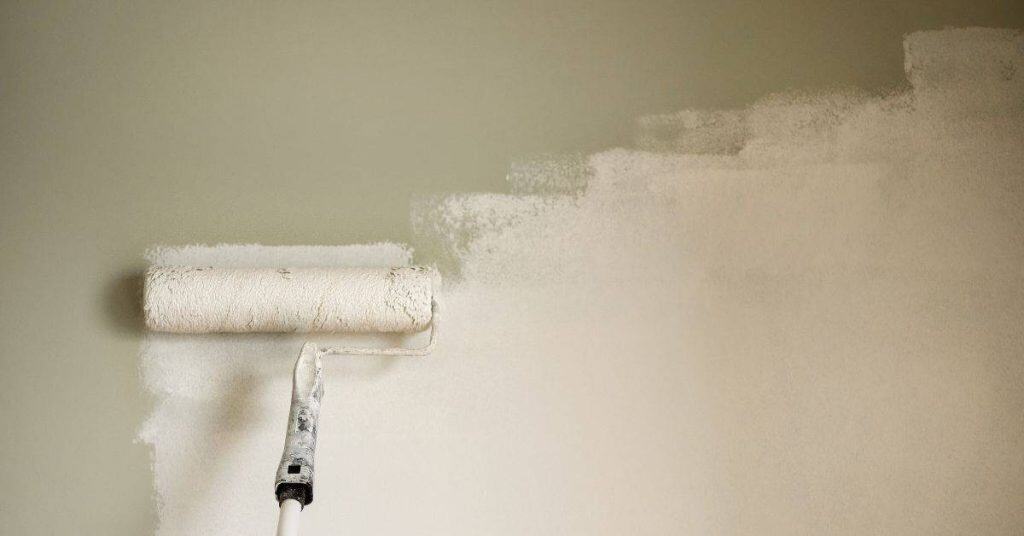
Paint roller applying white paint on beige wall

How to Choose Paint Colors: Sampling Steps + Stop Rules for Decision Fatigue

Introduction Choosing paint colors is about selecting shades that fit your space, using samples to test them, and stopping when you’re confident. Start by sampling in real lighting and on multiple walls to see how the color changes. Keep a simple stop rule to avoid fatigue: only move on after you’ve compared a few options

How to Choose Paint Colors: Sampling Steps + Stop Rules for Decision Fatigue Read More »

Hand painting white window sill with brush near open window

Neater Painting Tips: Cleaner Lines, Less Tape, Better Cut-In

Introduction Neater Painting Tips means getting cleaner lines with less tape and sharper cut-ins. Start with a clean, dry surface and proper tool selection, like a stiff bristle brush or angled sash brush for precise edges. Practice slow, stable strokes and keep a small, controlled paint bead along the boundary to reduce bleed. For cut-ins,

Neater Painting Tips: Cleaner Lines, Less Tape, Better Cut-In Read More »

Hand painting wooden deck with paintbrush and red stain

Faster, Neater Painting: Systems That Save Time Without Sloppy Results

Introduction Faster, neater painting means finishing coats with fewer touch-ups by using careful prep, efficient tools, and smart technique. It’s about not wasting time on messy rework and getting a smooth, even result the first time. This article covers practical, hands-on steps you can follow at home. Start with a clean surface, gather the essential

Faster, Neater Painting: Systems That Save Time Without Sloppy Results Read More »