Search Results for: tar paper and sand concrete

white herringbone tile backsplash partially installed without grout

Best Paint for Tile-Look Backsplashes (When Replacement Isn’t an Option)

Introduction Painting tile-look backsplashes is painting over existing tile to resemble new tile when replacement isn’t possible. This approach keeps the project simple and lets you update color and texture without tearing out walls. Doable for DIYers who are comfortable with prep, basic priming, and a steady hand with brushes or rollers. Start with thorough […]

Best Paint for Tile-Look Backsplashes (When Replacement Isn’t an Option) Read More »

Row of modern industrial metal building units with large doors

Painting Over Rusty Metal Railings: Rust Converter vs. Full Removal (Decision Guide)

Introduction Painting over rusty metal railings means deciding between rust-conversion sealing or full removal. It covers how to prep the surface, what to expect from each method, and how a DIYer can approach the job safely. This guide keeps things practical and hands-on, without fancy jargon. When choosing, start with surface prep and then compare

Painting Over Rusty Metal Railings: Rust Converter vs. Full Removal (Decision Guide) Read More »

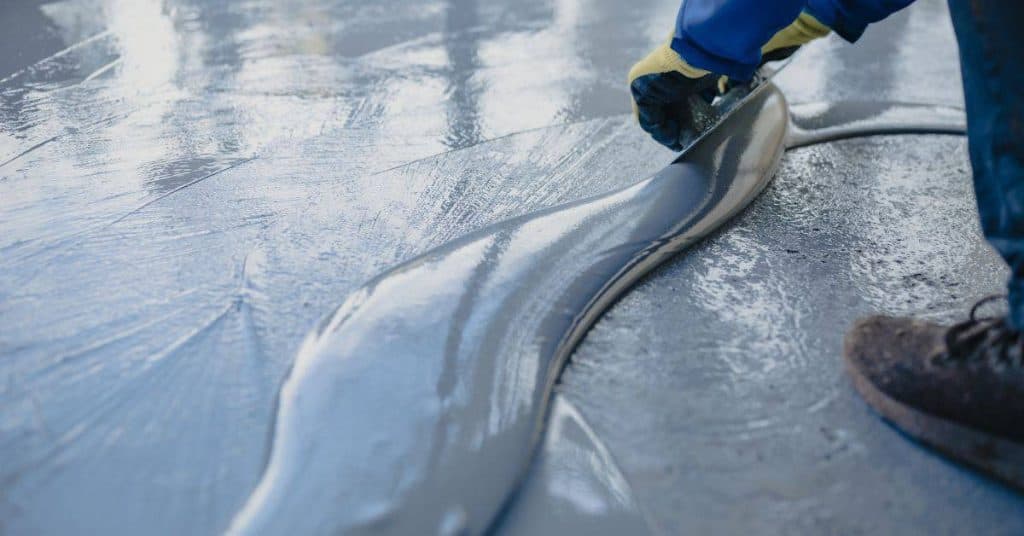
Person applying glossy epoxy coating on concrete floor

Painting Basement Walls Without Trapping Moisture: Mineral Paints vs. Acrylics vs. Epoxy

Introduction Painting basement walls without trapping moisture means choosing a coating and prep method that manages moisture rather than sealing it in. Start by diagnosing the wall condition and cleaning, repairing leaks, and planning ventilation before any paint goes on. Then determine if the wall needs moisture barriers, steps for drying, and whether to apply

Painting Basement Walls Without Trapping Moisture: Mineral Paints vs. Acrylics vs. Epoxy Read More »

Paintbrush resting on an open paint can with colorful background

How to Fix Overspray Dust on Cars/Windows After DIY Painting (Safely, Without Scratches)

Introduction Overspray dust on cars and windows is paint or film that lands on the surface and must be removed carefully to avoid scratches. Start by rinsing with plenty of water to loosen dust, then choose a gentle cleaning approach. Always check product labels and local rules to pick safe methods and avoid damage. Use

How to Fix Overspray Dust on Cars/Windows After DIY Painting (Safely, Without Scratches) Read More »

Smooth white ceiling with recessed lighting fixture hanging

How to Paint Over Cracked Paint: When to Scrape, When to Feather, When to Skim

Introduction Scraping, feathering, or skim coating cracked paint are the three main ways to treat cracked paint before repainting. The choice depends on how deep the cracks are and how smooth you want the surface to be. Check labels and local rules if you need exact limits or product compatibility. Use scraping when paint is

How to Paint Over Cracked Paint: When to Scrape, When to Feather, When to Skim Read More »

Person painting wood siding with white primer brush

Primer Compatibility Chart: Water-Based vs. Oil-Based vs. Shellac (What Can Go Over What)

Introduction Primer compatibility means choosing the right primer for the surface and topcoat so the finish adheres and lasts. Different primers are designed to bond to different surfaces and to seal, block stains, or prevent bleed-through. Always check the label for what the primer can be applied over and what the topcoat can be used

Primer Compatibility Chart: Water-Based vs. Oil-Based vs. Shellac (What Can Go Over What) Read More »

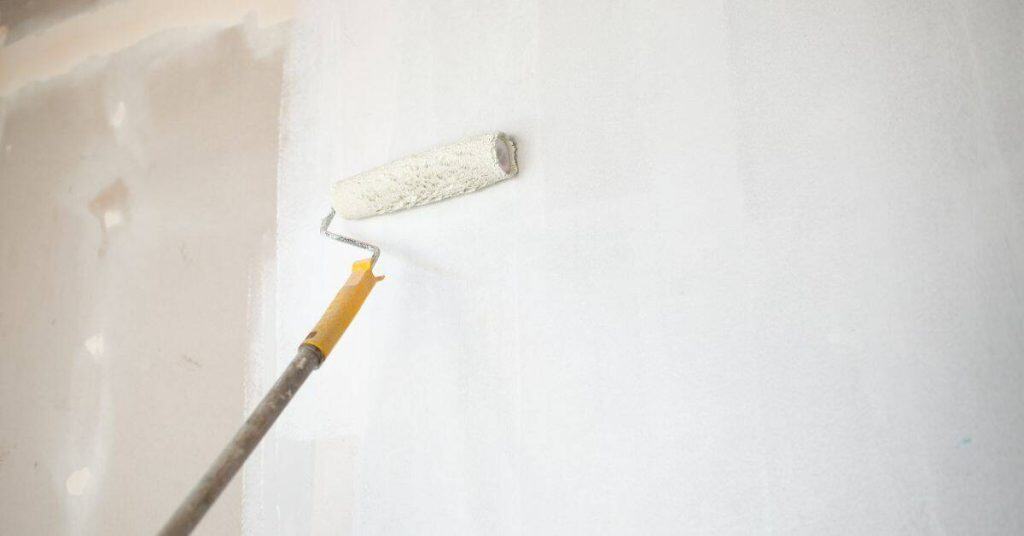
Paint roller applying white primer on drywall

Painting Over Nicotine-Stained Walls: The Primer Stack That Stops Yellow Bleed

Introduction A primer stack is a layered use of stain-blocking primers to stop nicotine bleed. Think of it as sealing the wall with the right primer before you paint. You’ll typically start with cleaning, choosing primers, and letting them dry per label. Then you build the finish with a topcoat that suits the surface after

Painting Over Nicotine-Stained Walls: The Primer Stack That Stops Yellow Bleed Read More »

White spackle putty in tub with putty knife

How to Fix ‘Crawling’ Paint on Previously Waxed Surfaces (Decontamination Steps)

Introduction Crawling paint on previously waxed surfaces is paint that beads and drags, failing to adhere because a wax film repels the coating. This usually shows up where wax or cleaners were used before painting. You’ll fix it by cleaning, removing the wax, and preparing the surface for a fresh coat. Decontamination means removing the

How to Fix ‘Crawling’ Paint on Previously Waxed Surfaces (Decontamination Steps) Read More »

wood stairs with white trim and caulking gun on step

How to Paint Over Old Oil-Based Trim With Water-Based Paint (No Mystery Peeling)

Introduction Painting over oil-based trim with water-based paint is possible with the right prep. It means you’ll remove grime, scuff the surface, and use a compatible primer before applying the water-based finish. This article walks you through a practical, step-by-step approach you can do with basic tools. First, clean the trim and roughen the surface

How to Paint Over Old Oil-Based Trim With Water-Based Paint (No Mystery Peeling) Read More »