Search Results for: table top ves free standing

Corded orange and black angle grinder on concrete floor

Wet saw vs grinder for brick and block: cut quality, dust, and speed tradeoffs

Introduction Wet saws cut brick and block with water cooling and a fixed blade, offering dust control and different cut quality than grinders. A grinder can cut faster on rough brick or block but tends to produce more dust and less precise edges unless a careful technique and guard are used. Check the blade type, […]

Wet saw vs grinder for brick and block: cut quality, dust, and speed tradeoffs Read More »

Yellow corded electric drill with masonry bit on wooden surface

Cutoff saw choices for masonry and concrete: gas vs electric and what changes for indoor work

Introduction Cutoff saw choices for masonry and concrete are about selecting gas or electric power and understanding how that choice affects indoor use. This introduction explains what to expect from each option, how it changes your setup, and what to check before you begin. You’ll want to follow manufacturer instructions and local rules for safe

Cutoff saw choices for masonry and concrete: gas vs electric and what changes for indoor work Read More »

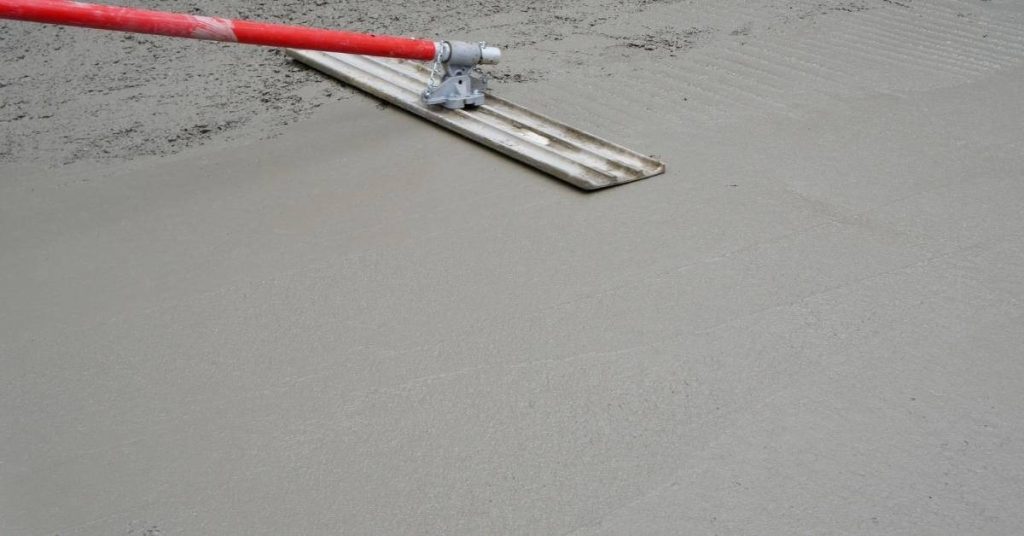
Concrete slab being smoothed with a long-handled screed tool

Scarifier vs grinder on concrete slabs: which tool makes a better overlay profile

Introduction Scarifier (floor planner) and grinder are two concrete tools that produce different overlay profiles. A scarifier removes material with rotating blades to flatten and roughen the surface for bonding. A grinder uses abrasive wheels to shave and finish the surface for a smoother edge. Understanding when each tool is appropriate helps avoid under- or

Scarifier vs grinder on concrete slabs: which tool makes a better overlay profile Read More »

Empty concrete multi-level parking garage with columns and ceiling beams

Diamond cup wheels for concrete and masonry: picking grit and segment style to avoid gouges

Introduction Diamond cup wheels for concrete and masonry are grinding tools that remove material with diamond-embedded segments. Choosing the right grit and segment style helps avoid gouges and yields a smoother edge. Test on a small area and adjust technique to balance speed, durability, and finish quality. Types of wheels include different grit ranges and

Diamond cup wheels for concrete and masonry: picking grit and segment style to avoid gouges Read More »

closeup of concrete floor polishing machine on floor

Angle grinder dust control on concrete and masonry: shrouds, vac sizing, and why airflow matters

Introduction Angle grinder dust control on concrete and masonry means using a shroud and vacuum system to capture dust at the source during cutting and grinding. Controlling dust protects lungs, keeps the work area safer, and helps the job go smoother by reducing cleanup and exposure. Airflow matters because proper capture depends on a good

Angle grinder dust control on concrete and masonry: shrouds, vac sizing, and why airflow matters Read More »

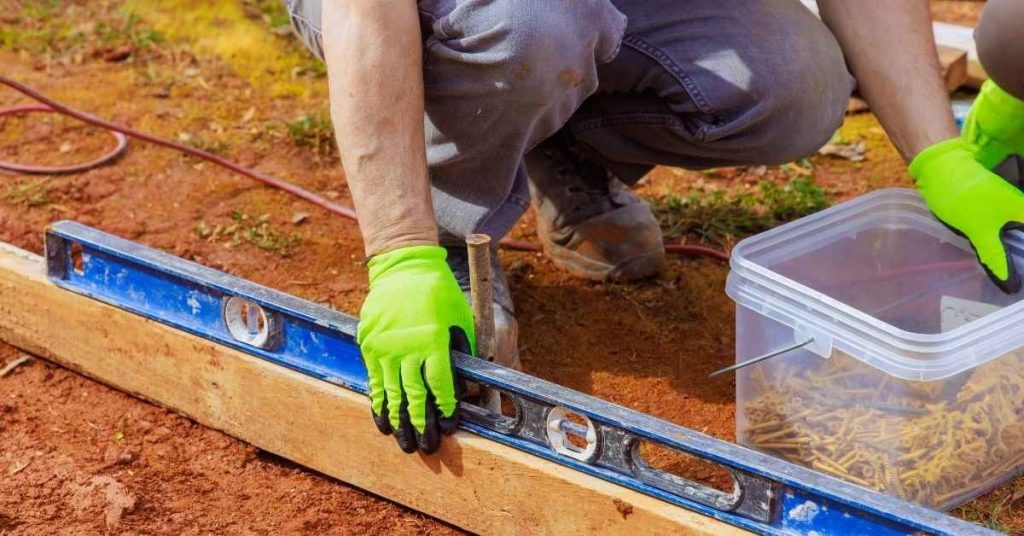
Person using level on wooden concrete form

Concrete form ties and snap ties: spacing rules and avoiding form blowouts

Introduction Form ties and snap ties are fasteners that hold concrete forms in place during pouring. They help keep the formwork tight and resist outward pressure. Use them according to manufacturer instructions and local rules to avoid failures. They come in several types and sizes, and selection depends on the project. Place and space them

Concrete form ties and snap ties: spacing rules and avoiding form blowouts Read More »

hand holding hand trowel smoothing wet concrete surface

Hand trowel sizing for concrete and plaster work: what beginners should buy first and what to skip

Introduction Hand trowel sizing means choosing the blade width and handle style to match the task, material, and user comfort, so beginners know what to buy first and what to skip. Start with a basic mid-size trowel suitable for both concrete and plaster, and avoid buying rare or specialty shapes until you’ve used a standard

Hand trowel sizing for concrete and plaster work: what beginners should buy first and what to skip Read More »

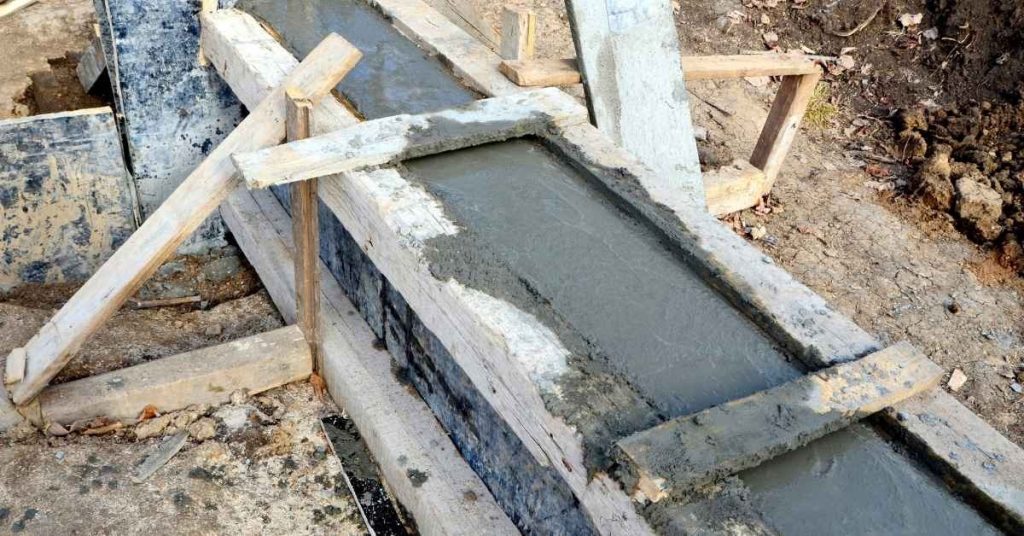
Fresh concrete poured in wooden formwork at construction site

Concrete vibrator mistakes in DIY forms: honeycombing, blowouts, and how to avoid them

Introduction Honeycombing and blowouts are defects in concrete caused by improper compaction. This article explains how to spot these issues and why they happen in DIY pours. We’ll cover how to use a vibrator correctly and what to check to avoid problems. Identify honeycombing by looking for voids, exposed aggregate, and a rough, porous surface

Concrete vibrator mistakes in DIY forms: honeycombing, blowouts, and how to avoid them Read More »

Stacked precast concrete columns outdoors on grass

Choosing a concrete form-release agent: what stains, what doesn’t, and how to apply evenly

Introduction A concrete form-release agent is a coating applied to forms to prevent concrete from sticking. Common types include liquid sprays or pours and powder blends, and the right choice depends on the form material, project size, and local guidance. Apply evenly according to the product instructions and consider timing to avoid gaps or buildup.

Choosing a concrete form-release agent: what stains, what doesn’t, and how to apply evenly Read More »

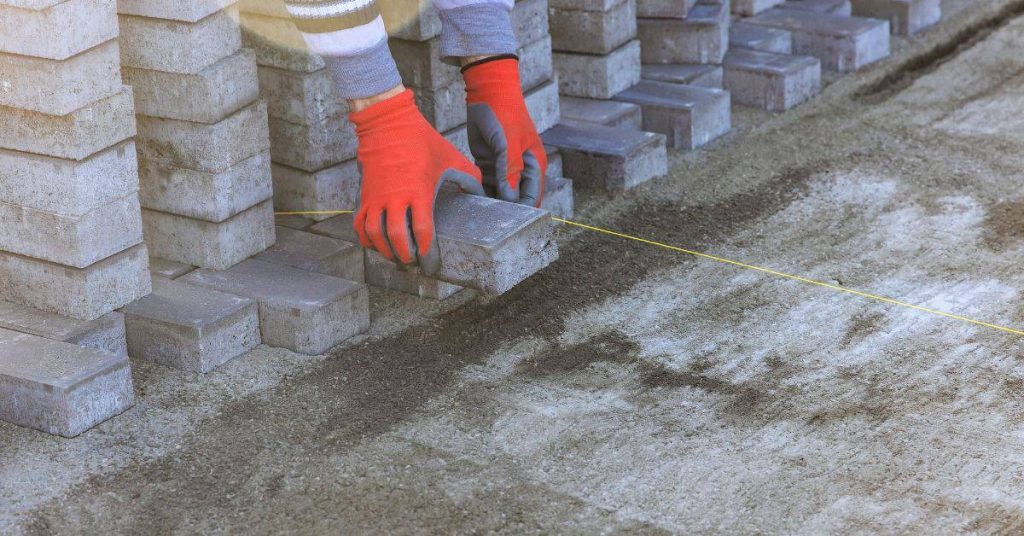
Hands wearing red gloves placing concrete block using string line

DIY block steps: layout, fill strategy, and safe handrail anchors

Introduction DIY block steps involve planning the layout, choosing a fill strategy, and securing safe handrail anchors. This introduction explains the practical approach you can take on a typical backyard or entry path. Think of it as a straight-forward, hands-on project you tackle bit by bit. Begin by laying out the path on the ground,

DIY block steps: layout, fill strategy, and safe handrail anchors Read More »