Search Results for: table top ves free standing

Man wearing a tool belt and carrying tool bag and case

Tool belt setup for trowel work on plaster and stucco: carrying hawk, trowel, and jointers without dropping everything

Introduction A proper tool belt setup keeps your hawk, trowel, and jointers secure and hands free for plaster and stucco work. Choose a belt with pockets and holsters that place the heaviest items close to your center of gravity. Position the hawk handle, trowel blade, and jointer handles in dedicated spots to reduce crossing and […]
Tool belt setup for trowel work on plaster and stucco: carrying hawk, trowel, and jointers without dropping everything Read More »

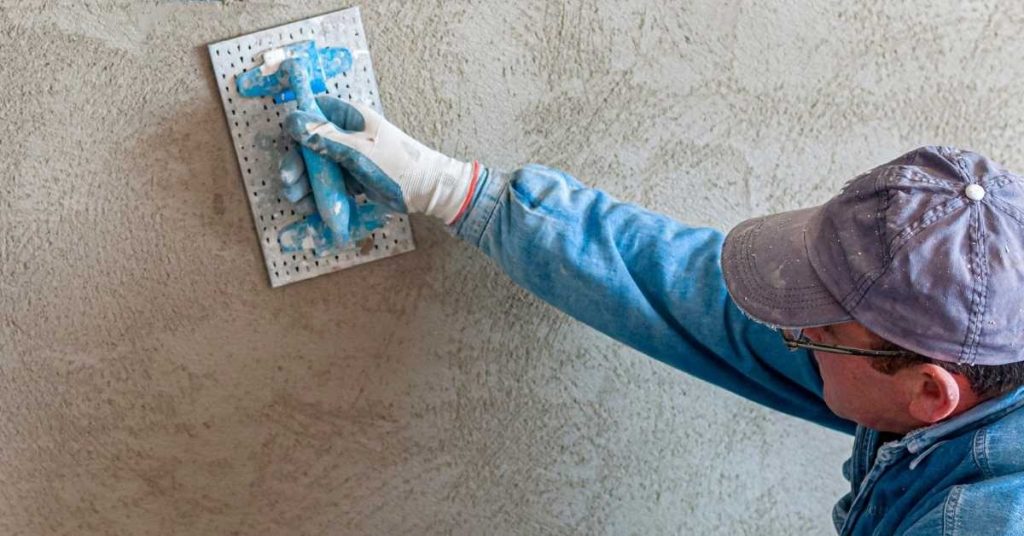
Worker smoothing stucco on wall with float tool

Scaffolding and pump jacks for stucco and masonry work: stability checks and plank setup basics

Introduction Scaffolding and pump jacks are temporary work platforms used to reach stucco or masonry work safely. They rely on stable frames, proper planking, and correct setup to support workers and tools. Check base stability, footing, and connections before starting any task. Stability checks include verifying level bases, secure braces, and guardrails, and inspecting for

Scaffolding and pump jacks for stucco and masonry work: stability checks and plank setup basics Read More »

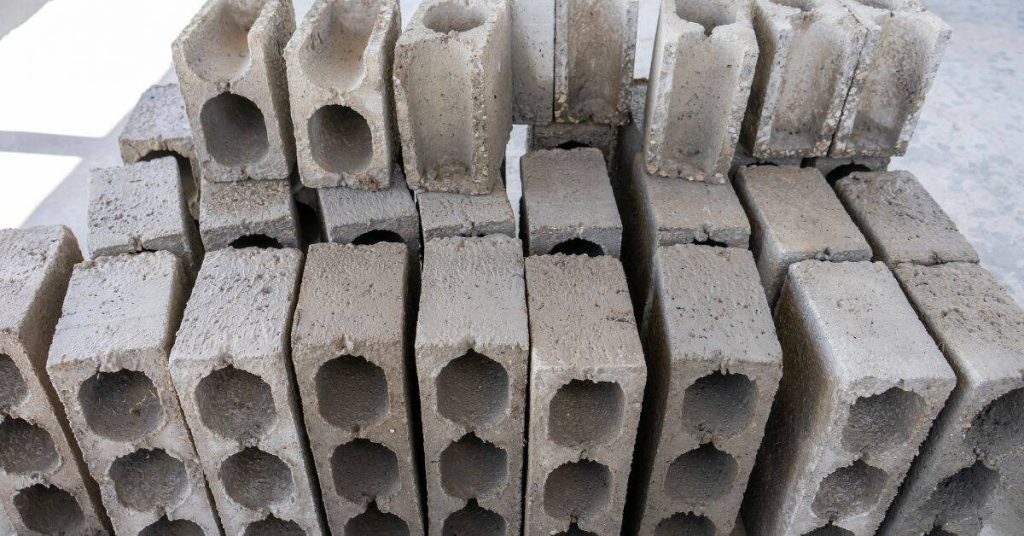
stacked hollow concrete blocks in various shapes and sizes

Knee pads and kneeboards on concrete slabs: when they save finishes and when they ruin texture

Introduction Knee pads and kneeboards are protective and guiding tools used on concrete slabs to cushion joints and protect the surface. They can help finishes stay clean by preventing gouges, but improper use can mar textures or leave indentations. Choose pads and boards that fit your knee height and project needs, and adjust as you

Knee pads and kneeboards on concrete slabs: when they save finishes and when they ruin texture Read More »

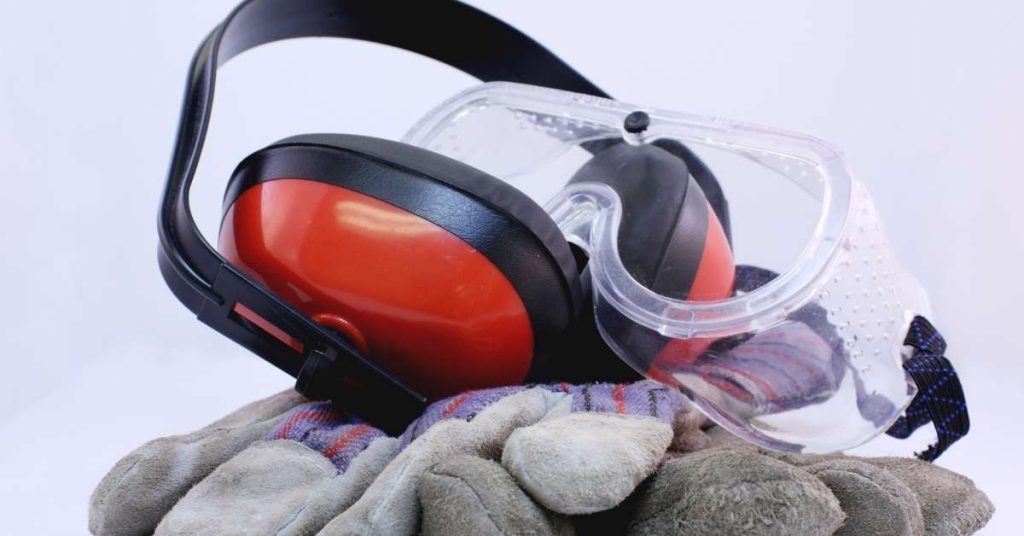
red earmuffs clear safety goggles and work gloves

Hearing protection in concrete and masonry cutting work: choosing plugs vs muffs for real-world use

Introduction Hearing protection is gear worn to reduce exposure to loud noise during concrete and masonry cutting work. It includes devices placed in or over the ears to lower sound levels reaching the inner ear. In real-world jobs, comfort, fit, and how long you’ll be exposed matter as much as the device type you choose.

Hearing protection in concrete and masonry cutting work: choosing plugs vs muffs for real-world use Read More »

Precast concrete wall panels stored outdoors under cloudy sky

Concrete dust respirator habits: storage, filter changes, and staying protected on off-and-on tasks

Introduction Concrete dust respirator habits are the routines you follow to store, maintain, and use your respirator so you stay protected when working with dusty concrete. Store it in a clean, dry place and inspect seals and straps before each use. Check manufacturer instructions for any care steps and avoid exposing the respirator to extreme

Concrete dust respirator habits: storage, filter changes, and staying protected on off-and-on tasks Read More »

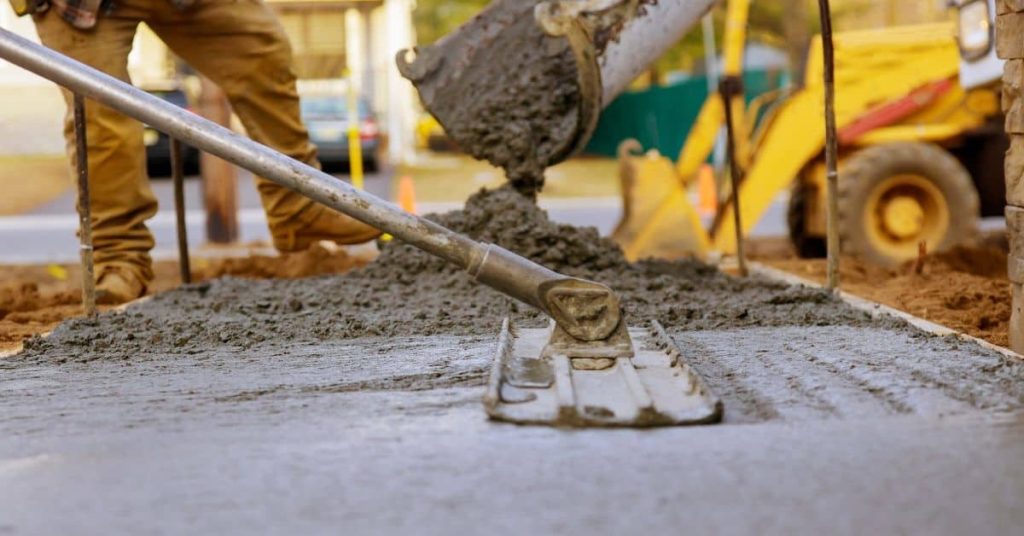
Worker using concrete screed to smooth freshly poured concrete

Sprayers for concrete curing compounds: tip selection and cleanup that avoids clogs

Introduction Sprayers for concrete curing compounds are tools used to apply liquid sealers evenly over fresh concrete to control evaporation. When selecting a sprayer, choose one compatible with curing compounds and pay attention to tip size and spray pattern to minimize clogs. Follow the manufacturer’s guidance for setup and maintenance to support even coverage and

Sprayers for concrete curing compounds: tip selection and cleanup that avoids clogs Read More »

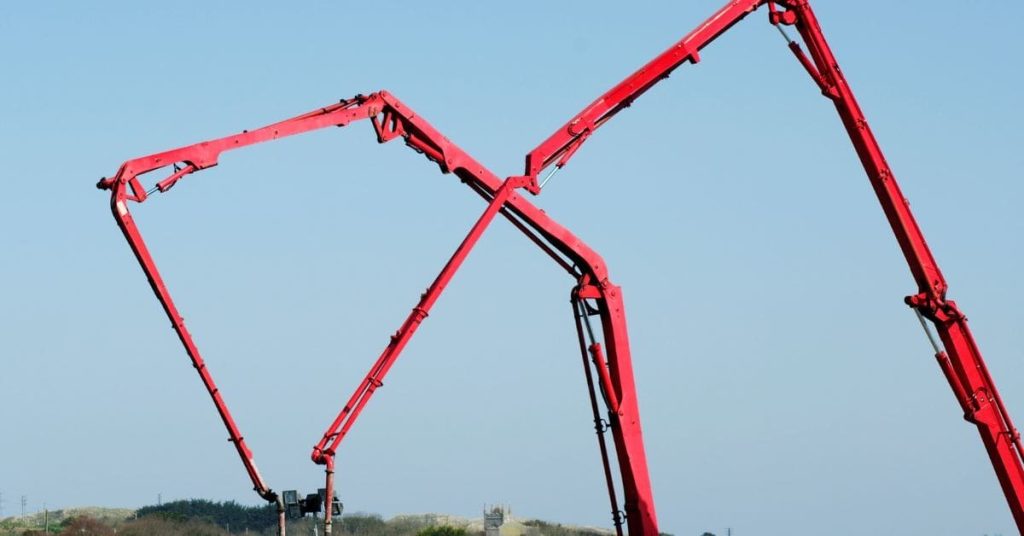
Red concrete pump booms against clear blue sky

Infrared thermometer hacks on concrete and stucco: spotting hot spots and curing temps without guessing

Introduction An infrared thermometer lets you measure surface temperatures without contact, helping you spot temperature patterns on concrete and stucco. Use it to scan flat areas and edges to identify unexpected hot spots and cool zones. Read the readings as indicated by the device’s scale or color display. When evaluating curing temps for stucco, use

Infrared thermometer hacks on concrete and stucco: spotting hot spots and curing temps without guessing Read More »

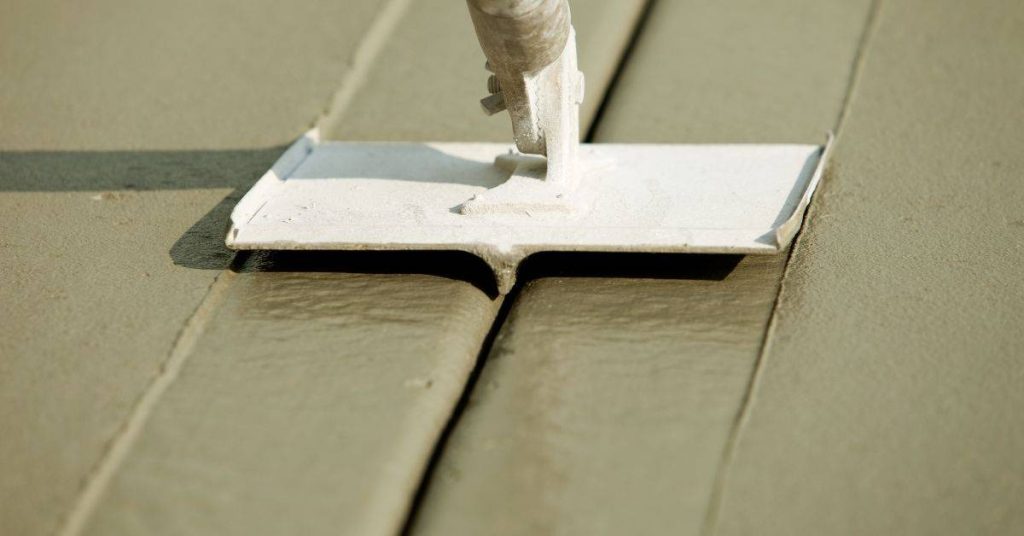
Trowel smoothing sealant in concrete joint

Sealant tooling tricks on concrete, stucco, and brick: backer rod, bond breakers, and getting clean lines

Introduction Sealant tooling tricks are the practical steps you use to finish joints on concrete, stucco, and brick with clean, smooth lines. This article covers backer rod, bond breakers, and straight-line tooling as core methods. It aims to help you get a neat, durable seal without guesswork. Sealants vary by material, so choose products appropriate

Sealant tooling tricks on concrete, stucco, and brick: backer rod, bond breakers, and getting clean lines Read More »

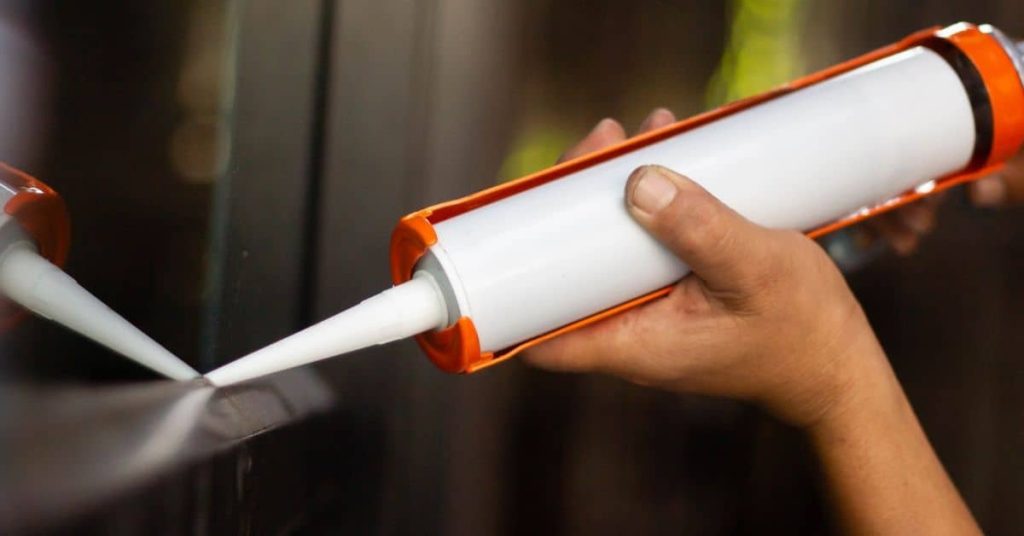
Hand holding caulk gun applying white sealant to surface

Caulk gun upgrade guide for masonry sealants: thrust ratio, dripless features, and nozzle trimming

Introduction This guide focuses on enhancing your caulk gun setup for masonry sealants, addressing thrust control, drip prevention, and nozzle trimming. It provides practical checks you can perform during typical on-site jobs without relying on external resources. To achieve a drip-free application, look for guns with built-in features to prevent drips. Practice nozzle trimming techniques

Caulk gun upgrade guide for masonry sealants: thrust ratio, dripless features, and nozzle trimming Read More »

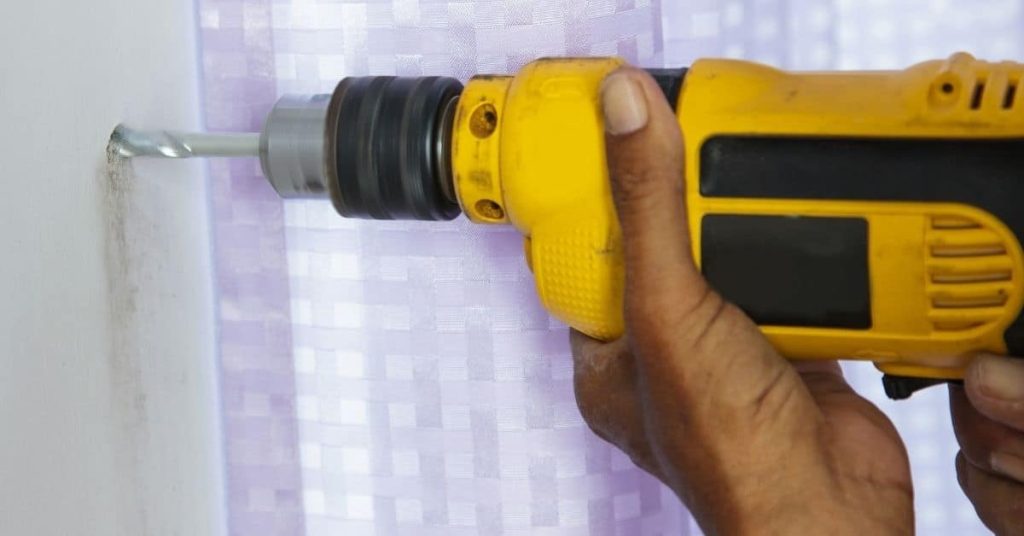
Hand using yellow electric drill to drill hole in masonry wall

Masonry anchors compared: sleeve, wedge, tapcon, and epoxy

Introduction Masonry anchors secure items to brick or concrete by gripping into the material. This guide compares sleeve, wedge, tapcon, and epoxy anchors, focusing on their grip mechanisms, installation methods, and ideal applications. Each anchor type has a unique setup and installation approach: Sleeve and Wedge Anchors: These use expansion grip to secure into place.

Masonry anchors compared: sleeve, wedge, tapcon, and epoxy Read More »