Search Results for: table top ves free standing

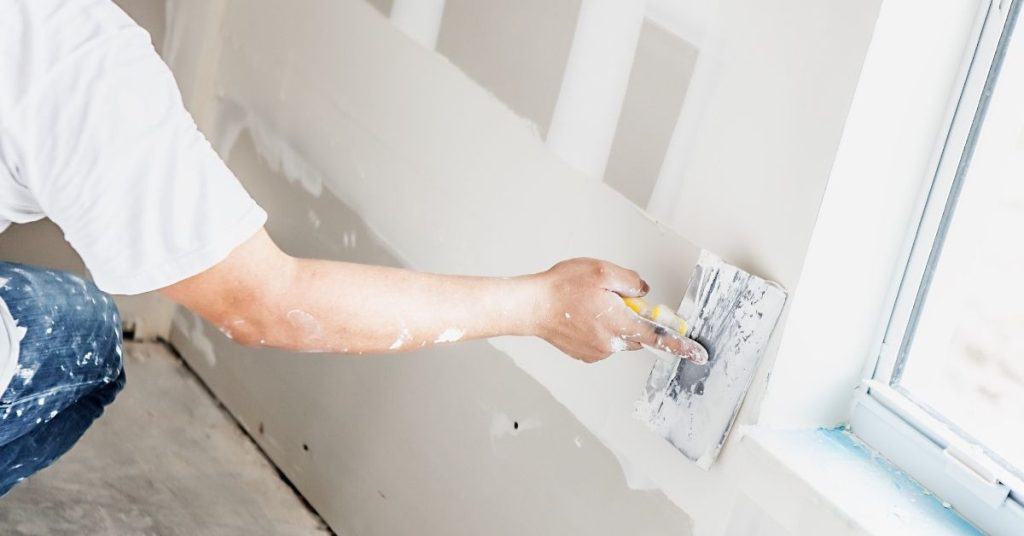
Person applying drywall joint compound near window

Drywall Around New Windows: How to Build Returns That Stay Straight and Crack-Free

Introduction Returns around a window are the built drywall edges that keep the opening straight and crack‑free. This article explains how to shape and install them in a DIY‑friendly way. You’ll get a straightforward, hands-on approach that doesn’t rely on theory. You’ll want to start by dry‑fitting the window reveal and deciding where the drywall […]

Drywall Around New Windows: How to Build Returns That Stay Straight and Crack-Free Read More »

Hands holding brown color paint swatches over building plans

DIY Stucco Paint Selection by Climate: Hot/Humid vs. Freeze/Thaw vs. Coastal Salt

Introduction DIY stucco paint selection by climate means choosing paints and finishes that tolerate hot and humid, freeze/thaw, or coastal salt conditions. Your climate dictates how well coatings bond, dry, and resist cracking. Think of it as matching the product to your weather and exposure. Start by checking the label for moisture tolerance, temperature range,

DIY Stucco Paint Selection by Climate: Hot/Humid vs. Freeze/Thaw vs. Coastal Salt Read More »

Reinforcing mesh embedded in stucco corner near white wall

Stucco Corner Cracks at Windows: Mesh Layout That Actually Stops the Repeat Cracks

Introduction A proper mesh layout at window corners is a reinforcement plan that helps stop cracks from reappearing. It keeps the stucco from pulling away where the frame meets the opening. Check manufacturer instructions and local rules for acceptable mesh sizes and application methods. I lay out the mesh so it overlaps the corner edges

Stucco Corner Cracks at Windows: Mesh Layout That Actually Stops the Repeat Cracks Read More »

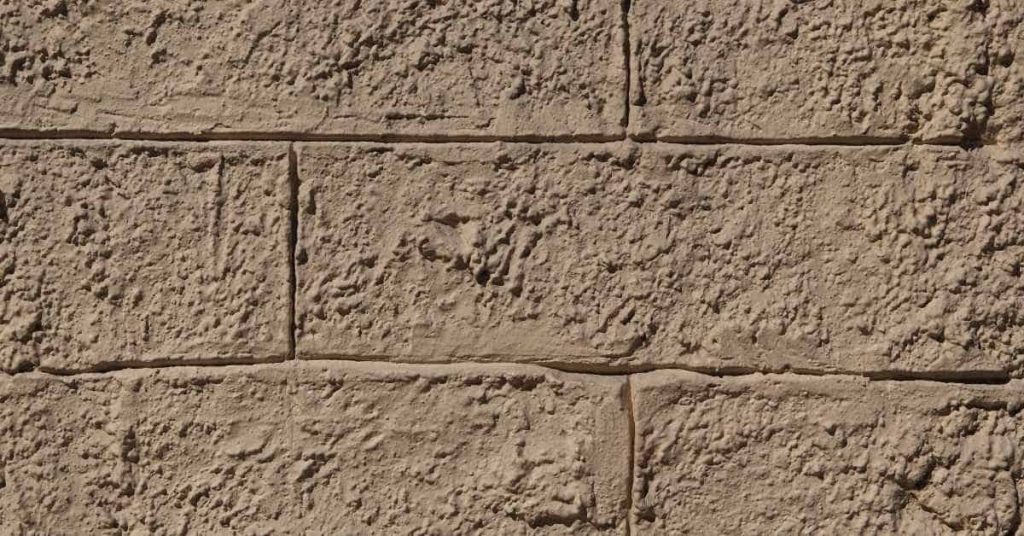
Close-up of textured stucco block wall

How to Stop Sprinkler Overspray From Destroying Stucco (Layout, Drip Lines, and Barriers)

Introduction Sprinkler overspray on stucco happens when sprinkler spray hits the wall instead of the yard, letting water soak into the stucco and fascia. Before making changes, observe a cycle to see where the spray lands and then plan adjustments to the layout and head spacing. Check manufacturer instructions or local rules for required clearances

How to Stop Sprinkler Overspray From Destroying Stucco (Layout, Drip Lines, and Barriers) Read More »

concrete countertop with integrated sink and black faucet

DIY Concrete Countertop Heat Damage: Trivets, Sealers, and Spot Repair Options

Introduction Concrete countertop heat damage protection and repair basics are practical steps to prevent scorch marks from hot items. Think in terms of using heat-resistant trivets, choosing appropriate sealers, and planning simple spot repairs when needed. This guide covers easy, hands-on steps you can follow in a DIY kitchen project. Regular inspection and maintenance of

DIY Concrete Countertop Heat Damage: Trivets, Sealers, and Spot Repair Options Read More »

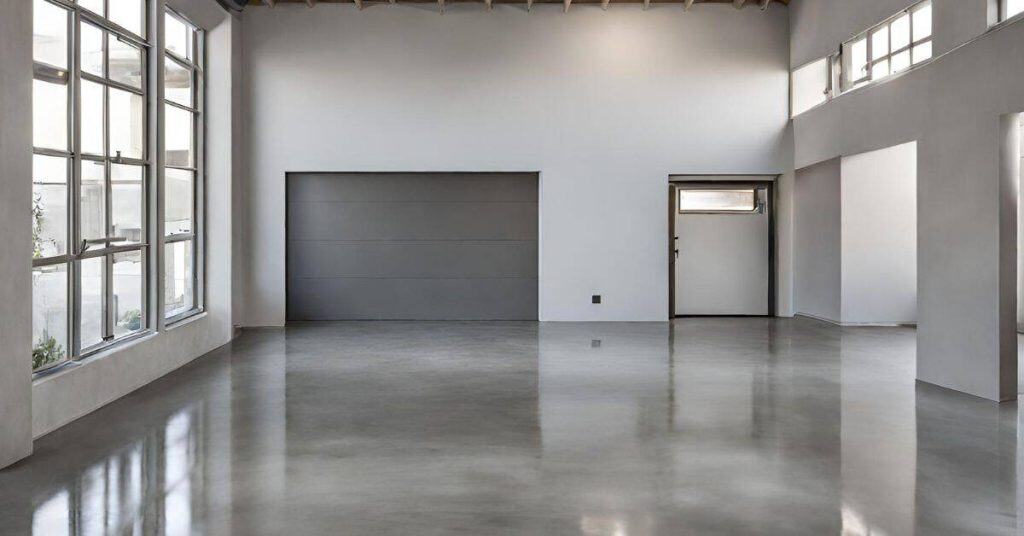
Empty room with polished concrete floor and large windows

DIY Anti-Slip Additives for Concrete Sealers: Where They Work and Where They Fail

Introduction DIY anti-slip additives for concrete sealers are materials mixed into sealers to increase traction on wet or dry concrete. They work by changing the surface texture or increasing roughness at small scales. Before using them, check the product label and follow the manufacturer’s instructions for mixing ratios, safety, and cure times. Different sealers (penetrating

DIY Anti-Slip Additives for Concrete Sealers: Where They Work and Where They Fail Read More »

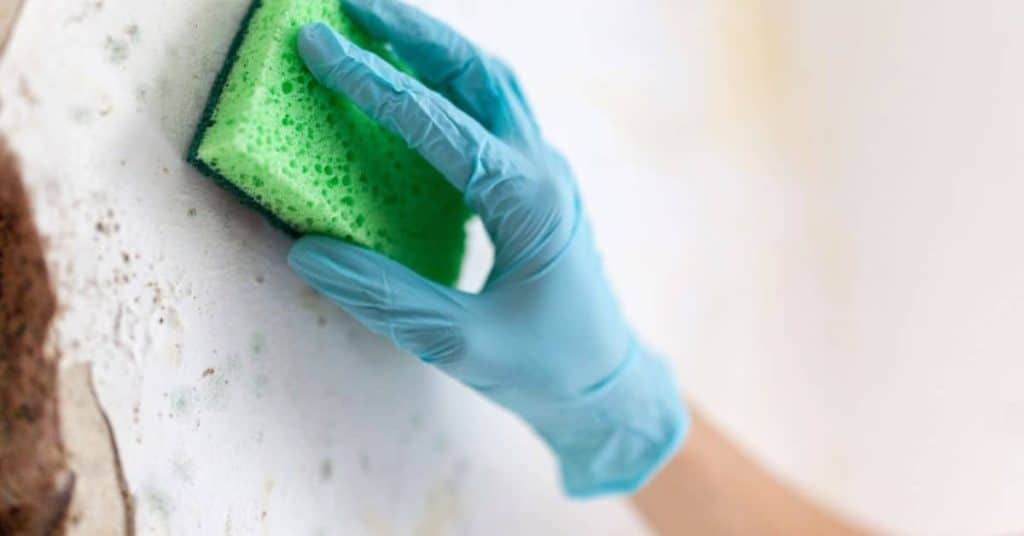
Hand in blue glove scrubbing wall with green sponge

How to Choose a Bathroom Vanity Paint That Survives Water and Cleaning Chemicals

Introduction A bathroom vanity paint that survives water and cleaning chemicals is a moisture-tolerant coating chosen for cabinetry in wet areas. Start by matching your finish to the vanity material and plan proper prep like cleaning, sanding, and priming per manufacturer instructions. Check labels for water resistance and chemical resistance, and follow the guidance on

How to Choose a Bathroom Vanity Paint That Survives Water and Cleaning Chemicals Read More »

Man applying caulking near white baseboards on tile floor

Using Anti-Skid Additives in Paint: Correct Ratios and Where Not to Use Them

Introduction Anti-skid additives are materials you mix into paint to create a textured, non-slip surface. They add traction for safer walking on stairs, porches, ramps, and other wet or slick areas. Always read the product label and manufacturer instructions to understand how they work with your paint and surface. Correct ratios depend on the specific

Using Anti-Skid Additives in Paint: Correct Ratios and Where Not to Use Them Read More »