Search Results for: surface prep

Spiral drill bit penetrating concrete surface with dust

Magnesium Phosphate Concrete Repair: Best Uses, Limits, and Failure Modes

Introduction Magnesium phosphate concrete repair is the use of magnesium phosphate cement to fix or patch concrete joints and damaged areas. It is presented here as a practical option for small repairs and fast-setting projects. In this guide you’ll also see notes about who contributed to the writing and a publisher’s note to set the […]

Magnesium Phosphate Concrete Repair: Best Uses, Limits, and Failure Modes Read More »
Close-up of small gravel aggregate stones

UHPC for Small Projects: When It’s Worth It and How to Mix It Safely

Introduction UHPC for small projects is a high-performance concrete mix designed for limited-volume jobs where strength and durability matter. This introduction explains, in plain terms, when it makes sense to choose UHPC and how to start mixing it safely for a DIY setup. It’s about weighing benefits against preparation, tooling, and costs. When mixing UHPC

UHPC for Small Projects: When It’s Worth It and How to Mix It Safely Read More »

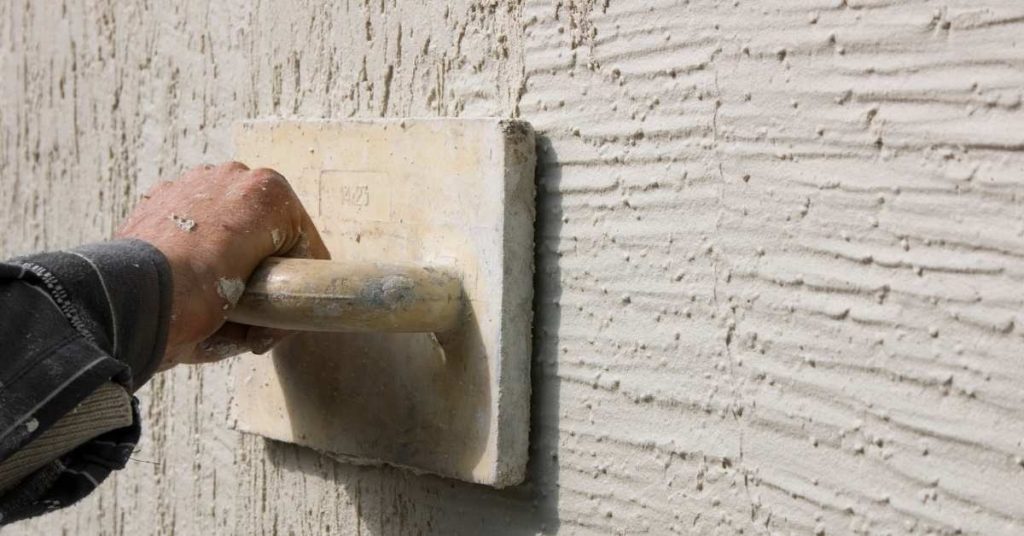
Hand smoothing textured stucco wall with float

GFRC Countertops: Face Coat vs Backer Coat (and How to Avoid Pinholes)

Introduction GFRC countertops use a thin face coat over a cement-rich backer to give the look of stone while keeping strength and cost in check. The face coat forms the visible surface and texture, while the backer provides depth and rigidity. In DIY practice, you’ll mix, pour, and cure them in layers, paying attention to

GFRC Countertops: Face Coat vs Backer Coat (and How to Avoid Pinholes) Read More »

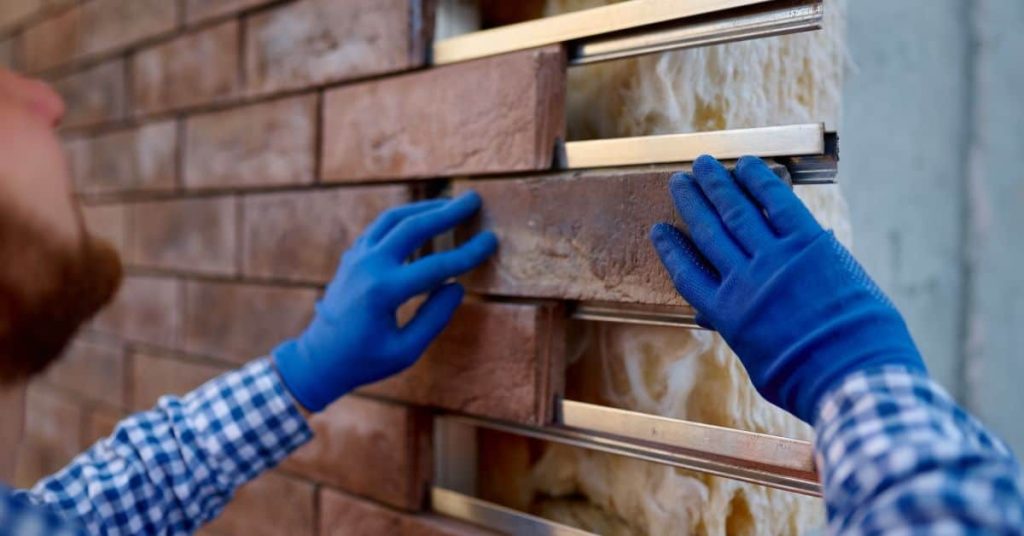
Person installing faux brick GFRC panels with blue gloves

GFRC Panels for DIY Projects: Mix Basics, Fiber Dosage, and Common Failures

Introduction GFRC panels are lightweight, fiber-reinforced cement panels that you can cast for DIY projects. They mix cement, fine aggregates, water, plus short glass fibers to add strength. Proper mixing and curing matter to avoid cracks. Getting the mix right means watching the ratio of cement to aggregate and ensuring the fiber dosage is even.

GFRC Panels for DIY Projects: Mix Basics, Fiber Dosage, and Common Failures Read More »

Orange road work ahead sign with workers in safety gear

Ferrocement Repair Shells: When They Work, How to Build Them, and How They Fail

Introduction A ferrocement repair shell is a thin, reinforced mortar skin applied over a frame to repair or rebuild a boat or similar surface. Work is done in stages—from prep to application to curing—and relies on a solid bond to the existing substrate. This article walks you through what you need to know to decide

Ferrocement Repair Shells: When They Work, How to Build Them, and How They Fail Read More »

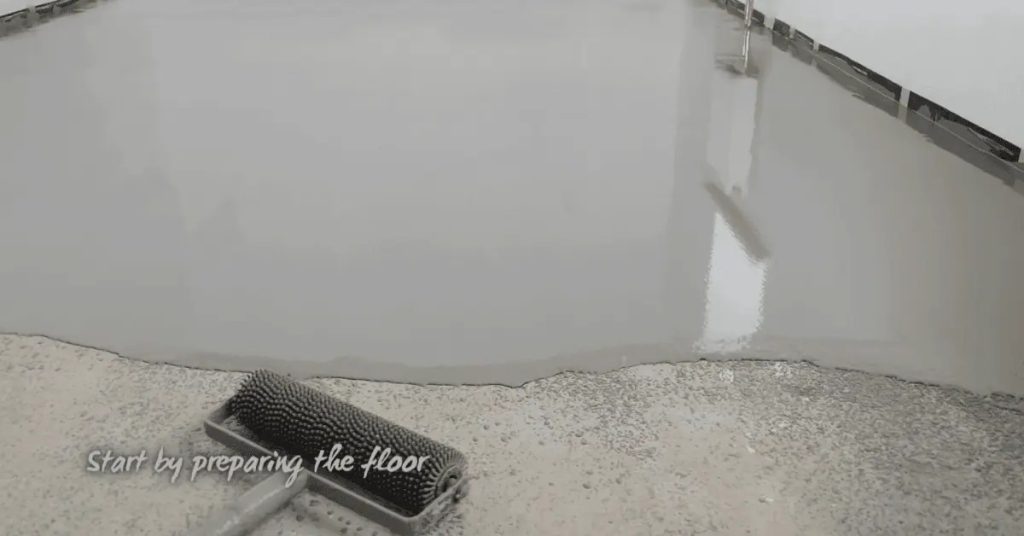
Fresh epoxy coating being rolled onto garage floor

Choosing a Garage Floor Topcoat: Durability, gloss, and recoat windows

Introduction Choosing a garage floor topcoat means selecting a durable, glossy protective finish and planning how and when you can recoat. Think about how much traffic, spills, and chemical exposure your space sees, and match that to a finish type and cure time. Consider how soon you’d like to apply another coat and how comfortable

Choosing a Garage Floor Topcoat: Durability, gloss, and recoat windows Read More »

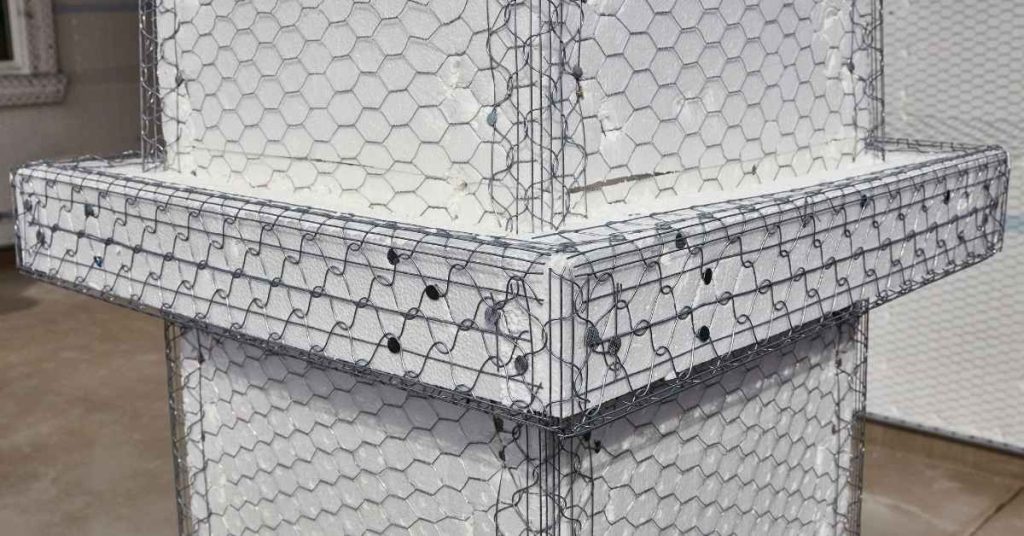
Corner of foam insulation covered with metal wire lath for stucco

Inside Corner Stucco Cracks: Reinforcement details that reduce repeat cracking

Introduction Reinforcement details inside a corner of stucco help prevent cracks from redeveloping. This article gives practical, home-friendly ways to strengthen the joint as you repair. Think of it as a light rebuilding of the corner so movement from framing or temperature doesn’t keep tearing at the surface. Start by inspecting the crack and removing

Inside Corner Stucco Cracks: Reinforcement details that reduce repeat cracking Read More »

Window with white horizontal blinds and green plants outside

Sealing Window-to-Stucco Joints: Backer rod depth and tooling that lasts

Introduction Backer rod depth and proper tooling create a durable seal between a window and stucco. The depth you choose should be guided by the joint width and the sealant you plan to use, and you must check the manufacturer’s guidelines. Using the right tooling helps the sealant lay smooth and stay in place as

Sealing Window-to-Stucco Joints: Backer rod depth and tooling that lasts Read More »

Hand applying green paint with roller on taped surface

Why Stucco Paint Peels: Coating compatibility and moisture red flags

Introduction Paint on stucco peels mainly because the coating loses adhesion from moisture or from incompatibility with the surface. That means the top layer isn’t gripping the stucco or is being pushed loose by moisture behind it. A proper diagnosis starts with checking the surface for signs of moisture and poor bonding. Before repainting, inspect

Why Stucco Paint Peels: Coating compatibility and moisture red flags Read More »