Search Results for: surface prep

Close-up of white textured plaster wall surface

Blending Broom Finish Patches: Matching Texture Without Creating a ‘Patch Rectangle’

Introduction Blending broom finish patches means you extend the texture so the repair doesn’t look like a clean, rectangular patch. Aim for a seamless transition by aligning the finish direction with the surrounding concrete and feathering the edges. This is a practical, hands-on approach you can try on a weekend. Prepare the patch by cleaning […]

Blending Broom Finish Patches: Matching Texture Without Creating a ‘Patch Rectangle’ Read More »
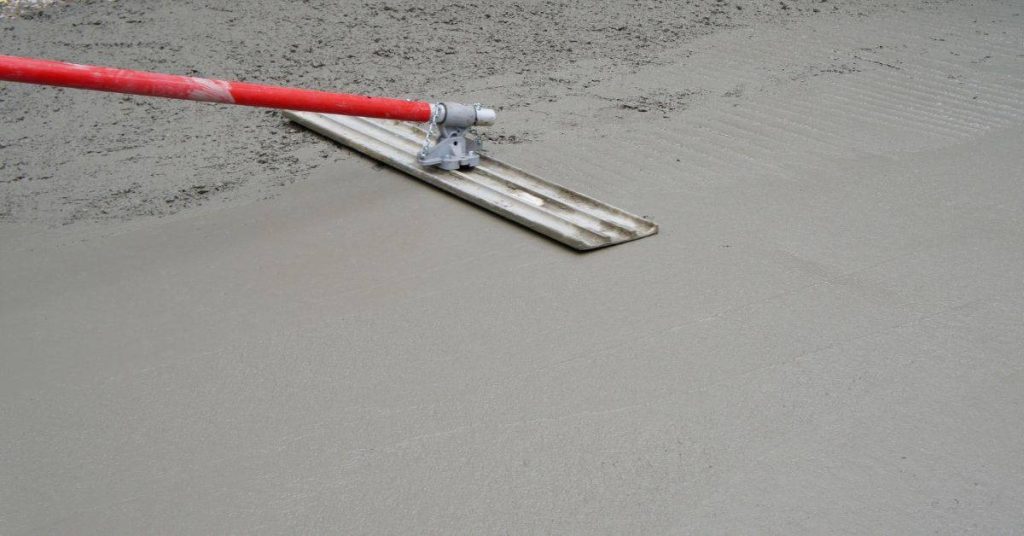
Red-handled tool smoothing wet concrete surface

Concrete Crack Stitching for DIYers: When Staples Help and When They Don’t

Introduction Concrete crack stitching is a repair method that uses staples to grab and hold cracked slabs together. It aims to slow opening and transfer movement across the crack when appropriate. This DIY intro explains when staples help and when they don’t in plain language. Before you start, check manufacturer instructions, local rules, and the

Concrete Crack Stitching for DIYers: When Staples Help and When They Don’t Read More »

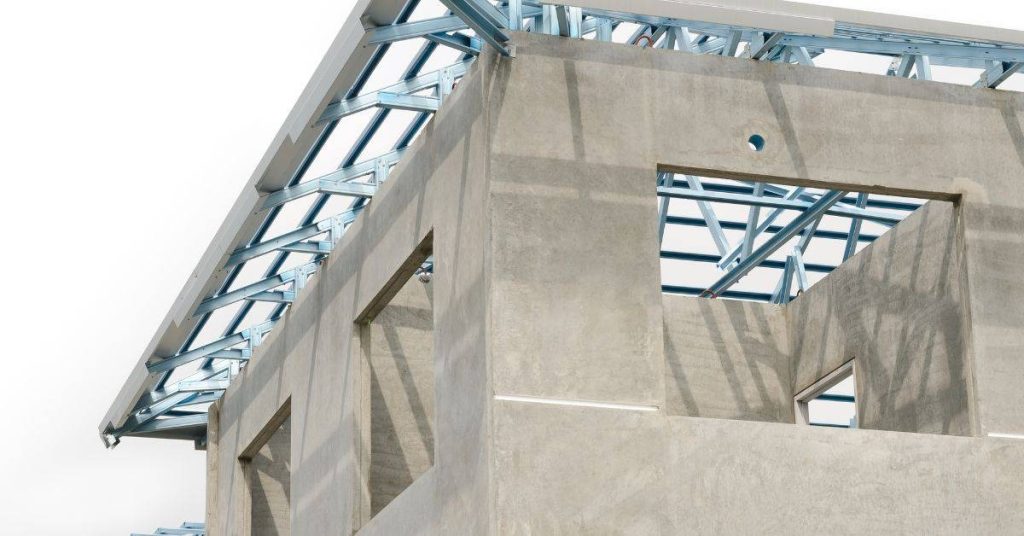
Precast concrete wall panels and steel roof framing

Repairing Honeycombed Concrete: When to Patch, When to Inject, and When to Rebuild

Introduction Repairing honeycombed concrete means fixing voids and loose pockets in the surface by choosing patching, injecting, or rebuilding. You evaluate how severe the honeycombing is and start with the simplest, most straightforward method. If the concrete has hollow spots you can reach, patching is usually the first option; deeper voids may need injecting, and

Repairing Honeycombed Concrete: When to Patch, When to Inject, and When to Rebuild Read More »

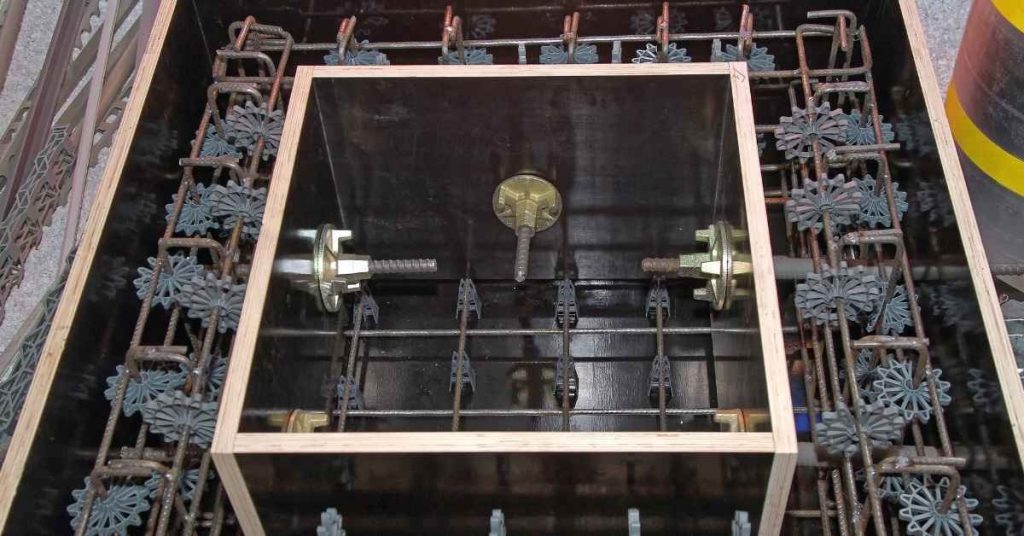
Concrete formwork with rebar and spacer components inside

Concrete Spall Repairs at Rebar: Cleaning Standards, Corrosion Protection, and Patch Build-up

Introduction Concrete spall repairs at rebar involve cleaning the damaged area, exposing corroded steel, and rebuilding the surface. This is a hands‑on task you can handle with basic tools, patience, and attention to safety. You’ll focus on cleaning to remove loose material, protecting rebar from further corrosion, and patching with compatible concrete. Check manufacturer instructions

Concrete Spall Repairs at Rebar: Cleaning Standards, Corrosion Protection, and Patch Build-up Read More »

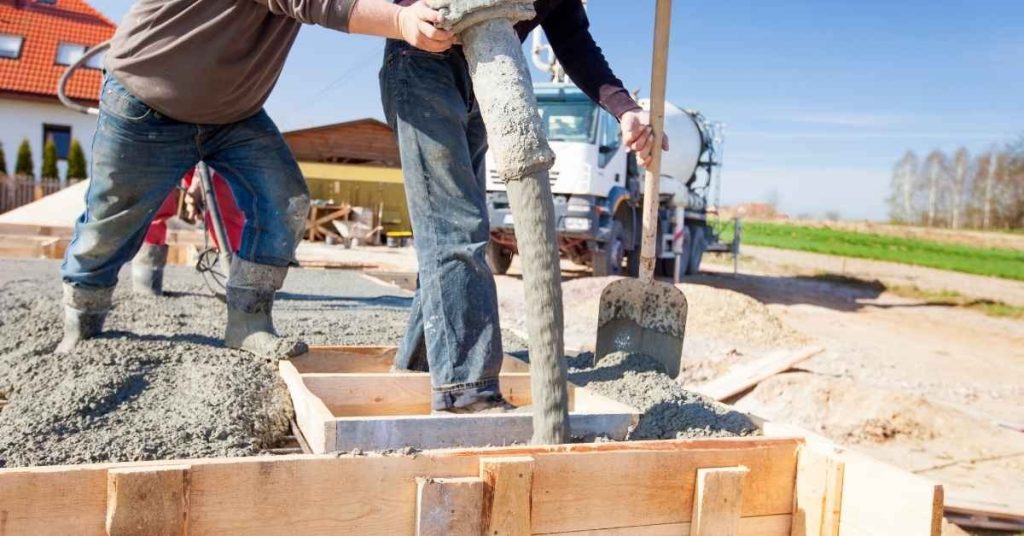
Two workers pouring concrete into wooden formwork outdoors

Pouring Concrete in Two Lifts: Cold Joint Risks and How to Make the Interface Strong

Introduction Pouring concrete in two lifts means placing concrete in one lift, pausing, and then adding a second lift later, which creates a joint between pours. That joint, or cold joint, can be weaker if the surfaces don’t bond well or if the second pour doesn’t integrate with the first. Understanding how this joint forms

Pouring Concrete in Two Lifts: Cold Joint Risks and How to Make the Interface Strong Read More »

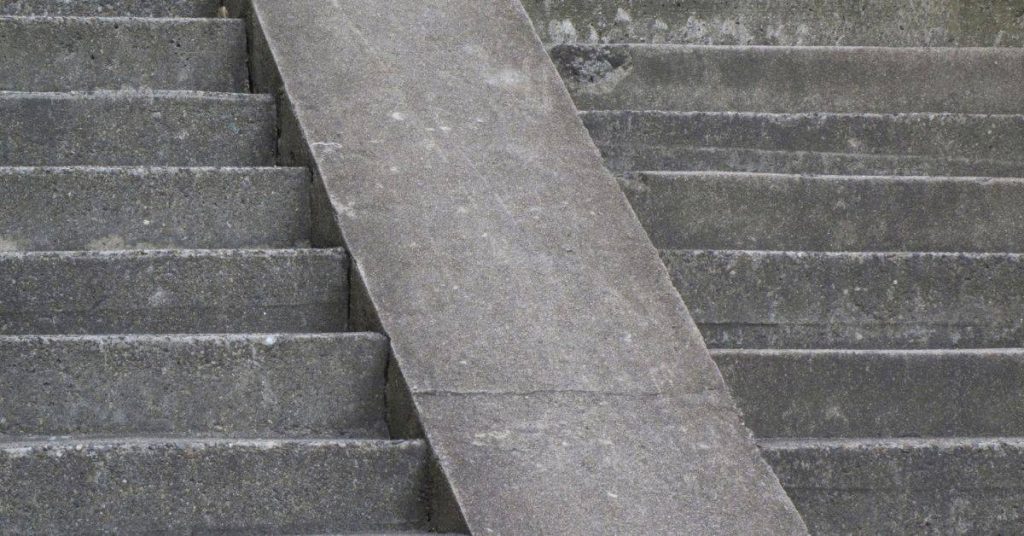
Concrete stairs with a smooth concrete ramp in the middle

Finishing Concrete Along Stairs and Steps: Clean Risers, Tight Corners, and No Ragged Edges

Introduction Finishing concrete along stairs and steps means smoothing and shaping risers and treads to remove ridges and achieve clean, even faces. This work uses hand tools and careful edging to keep joints tight and consistent along each stair edge. The goal is a safe, neat look that lasts without ragged edges. Start by outlining

Finishing Concrete Along Stairs and Steps: Clean Risers, Tight Corners, and No Ragged Edges Read More »

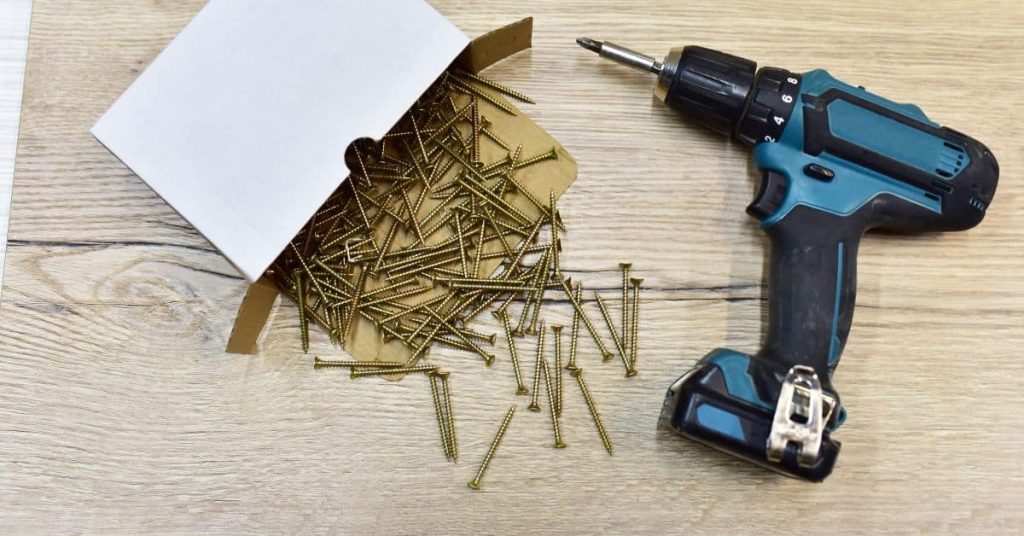
Cordless drill next to scattered box of screws on wood surface

How to Make Temporary Wet Screed Rails: Pipe, Wood, and Why Some Methods Leave Weak Lines

Introduction Temporary wet screed rails are temporary guides used to shape a wet concrete screed with straight edges. They can be made from pipes or boards that are set level and supported to leave clean, even lines. This intro covers how to choose materials and set up without leaving weak spots. What you do next

How to Make Temporary Wet Screed Rails: Pipe, Wood, and Why Some Methods Leave Weak Lines Read More »

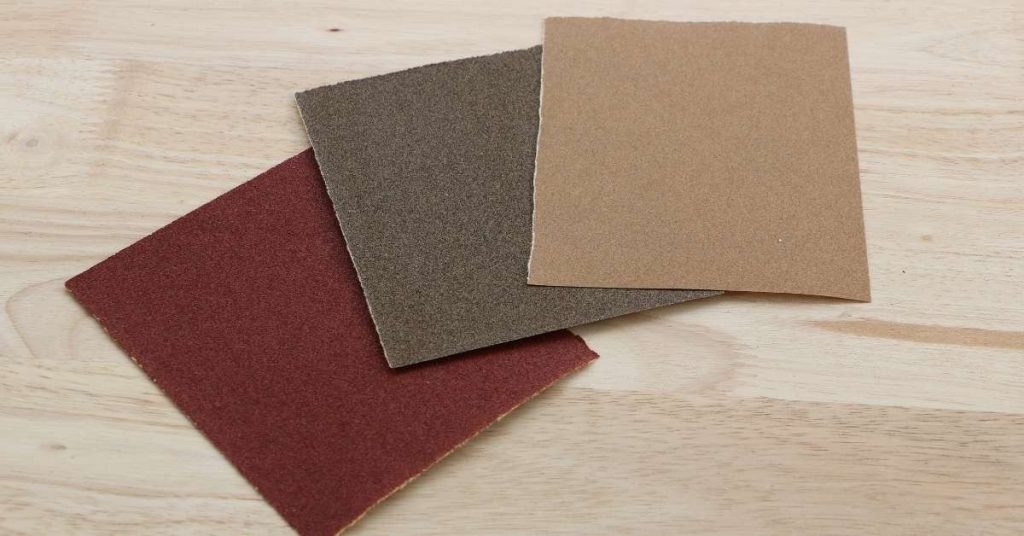
Three sheets of sandpaper in red brown and beige on wood

Venetian Plaster Touch-Ups: Avoiding Shiny Spots and Burnish Lines

Introduction Venetian plaster touch-ups are about repairing shine and burnish lines to restore an even, mirror-like finish. This hands-on guide walks you through practical steps and what to watch for on a DIY job. Check the product label and manufacturer instructions for any limitations and recommended mixing or application notes. There are several finishes you

Venetian Plaster Touch-Ups: Avoiding Shiny Spots and Burnish Lines Read More »

Close-up of smooth textured plaster wall surface

Clay Plaster Sealer Tests: Why Some Topcoats Darken Color and How to Predict It

Introduction Sealers on clay plaster can darken the surface, and tests reveal when and why. This is a practical, hands-on look at how topcoats behave on plaster and why color shifts happen. Expect results to vary with prep, humidity, and the plaster mix you used. Varathane and similar wipe-on or spray sealers can interact with

Clay Plaster Sealer Tests: Why Some Topcoats Darken Color and How to Predict It Read More »

Concrete formwork with rebar and metal anchors in soil

Setting Wedge Anchors in Weak Concrete: When They Spin and Better Options

Introduction Wedge anchors spin in weak concrete when the anchor’s wedging action can’t grab solid material. That spinning often means the fastener won’t hold the load you expect. In practice, it’s a sign the substrate or hole preparation isn’t up to the task. If they spin, stop and check that the hole size and depth

Setting Wedge Anchors in Weak Concrete: When They Spin and Better Options Read More »