Search Results for: surface prep

Workers applying fresh stucco to exterior wall

How to Add a Control Joint to Existing Stucco (Is It Possible?)

Introduction Yes, you can add a control joint to existing stucco by creating a defined break and backing it with proper trim to control cracking. Key takeaways Assess stucco condition and substrate integrity before planning any control joint. Identify joint type (pre-molded, formed, or saw-cut) suitable for existing stucco. Gather tools: chisel, grinder with diamond […]

How to Add a Control Joint to Existing Stucco (Is It Possible?) Read More »

Hand smoothing fresh stucco scratch coat on wall

Stucco Layers Explained: Lath, Scratch, Brown, and Finish Coats

Introduction Traditional exterior stucco is a coordinated wall assembly, not simply several layers of cement. On a framed wall, the usual sequence is drainage layer and flashings, lath, scratch coat, brown coat, and finish coat. Each part has a different job; a failure behind the visible finish can cause staining, cracks, or loose stucco later.

Stucco Layers Explained: Lath, Scratch, Brown, and Finish Coats Read More »

Hand with glove applying stucco using metal trowel on wall

3-Coat Stucco vs. One-Coat Stucco vs. EIFS

Introduction Traditional 3-coat stucco, one-coat stucco, and EIFS are complete exterior wall-cladding assemblies—not interchangeable finish products. The right choice depends on the wall type, drainage and flashing design, insulation goal, local code, and whether a trained installer is available for the exact specified system. Short version: Choose 3-coat stucco for a conventional cement-plaster assembly when

3-Coat Stucco vs. One-Coat Stucco vs. EIFS Read More »

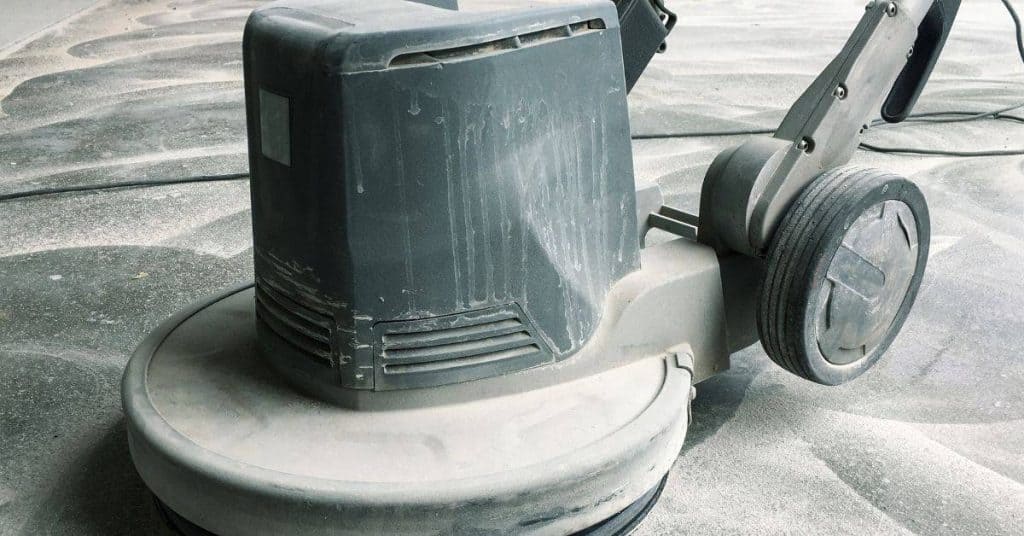
Close-up of a concrete floor grinding machine

How to Cure Concrete with Plastic Sheeting Without Leaving Blotches

Introduction Plastic sheeting can keep concrete moist and prevent blotchy curing. This method works by sealing out drafts and rain while letting the surface stay damp. It’s a simple DIY trick you can do right after pour, as long as you follow safety and manufacturer guidance. Protecting fresh concrete from rain and wind should start

How to Cure Concrete with Plastic Sheeting Without Leaving Blotches Read More »

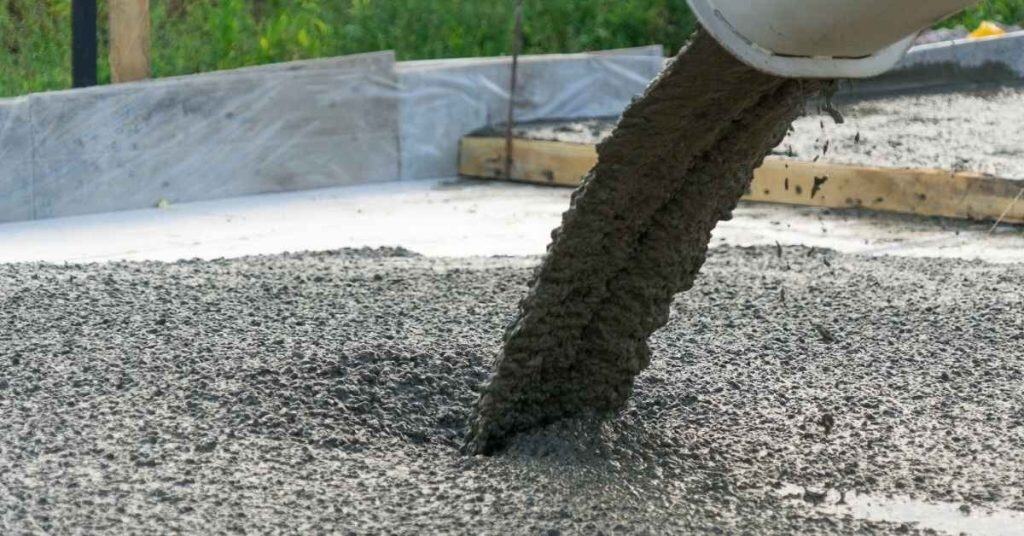
Fresh concrete pouring from mixer onto slab

How to Protect Fresh Concrete from Frost, Wind, and Sun (Curing Blankets and More)

Introduction Protecting fresh concrete means keeping it warm enough to cure evenly and shielding it from drying too fast. To do this, follow the product instructions, local specs, and use the curing methods that fit your site. Check labels for temperature guidance and any restrictions before you start. Prepare the work area by clearing wind

How to Protect Fresh Concrete from Frost, Wind, and Sun (Curing Blankets and More) Read More »

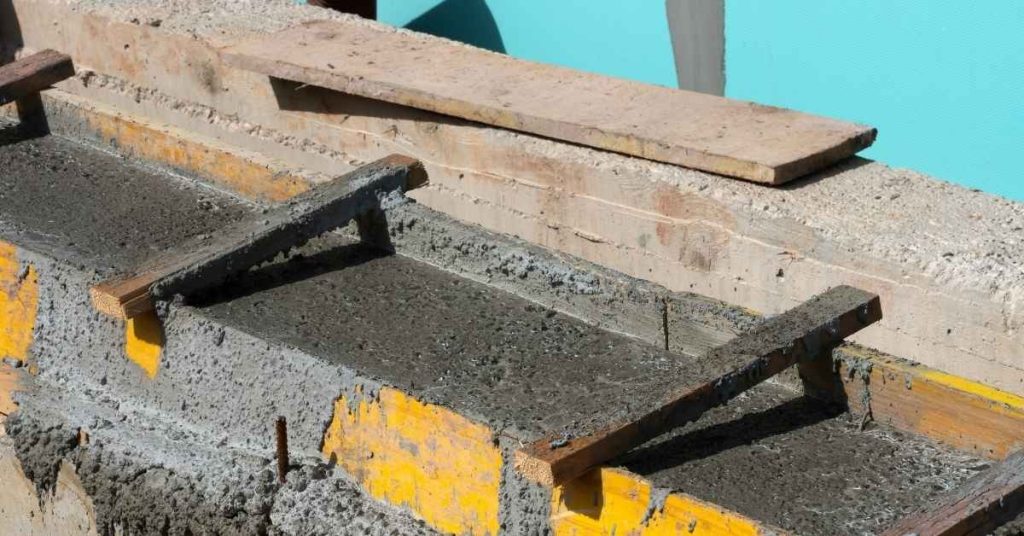
Fresh concrete poured into wooden formwork outdoors

Concrete Pour in the Rain: What to Do Before, During, and After

Introduction Pouring concrete in rain is risky and generally not advised. Weather can affect strength and finish, so plan for dry conditions if possible. If rain is unavoidable, check local guidelines and follow manufacturer and code instructions. Protect the mix, forms, and tools from direct rain and keep the work area as dry as possible.

Concrete Pour in the Rain: What to Do Before, During, and After Read More »

Concrete slab formwork with rebar and wooden boards

How to Build a Proper Gravel Base for a Concrete Slab (Compaction and Grading)

Introduction A proper gravel base is the compact, well-drained layer you place under a concrete slab to support and level the pour. Think of it as the foundation for stability and future durability, not just a fill layer. Check local guidelines and product instructions for any required thickness or compaction ranges. Getting the base right

How to Build a Proper Gravel Base for a Concrete Slab (Compaction and Grading) Read More »

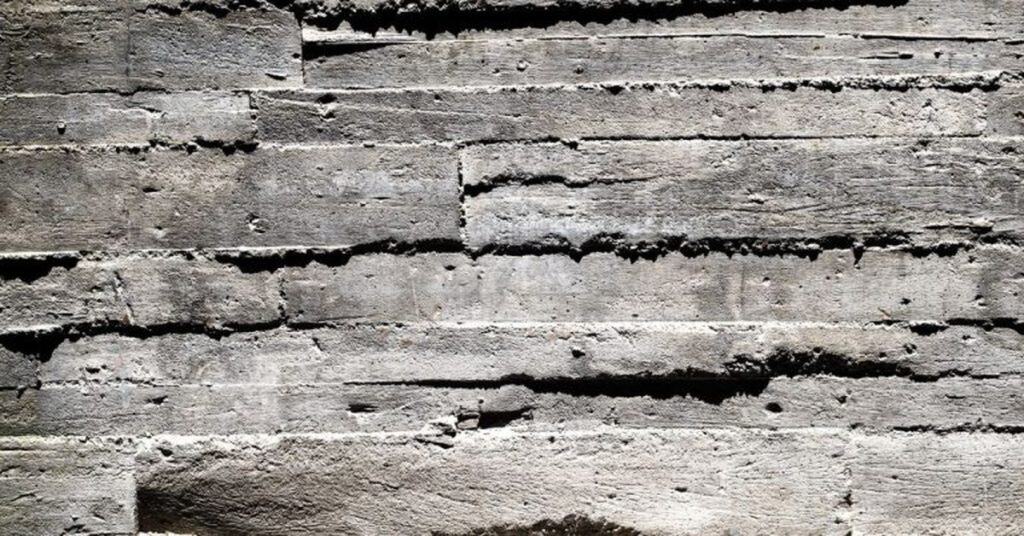
Close up of rough concrete surface with wood form texture

Vapor Barrier Under Concrete Slabs: When You Need It and How to Install It

Introduction A vapor barrier under concrete slabs is a sheet or layer placed beneath the slab to slow or stop moisture from the ground. Use it when the soil is damp, there is a chance of rising moisture, or the project requires a dry, stable floor. Check local guidance and the manufacturer’s installation instructions for

Vapor Barrier Under Concrete Slabs: When You Need It and How to Install It Read More »

Smooth concrete slab with visible control joint lines

How to Layout Control Joints for a Patio, Driveway, and Garage Slab

Introduction Control joints are intentional gaps placed in a concrete slab to control where it cracks. When laying out a patio, driveway, or garage slab, plan the joints to create a clean, predictable pattern that follows the overall shape. Check local rules and the product instructions for allowable spacing and methods before you start. Decide

How to Layout Control Joints for a Patio, Driveway, and Garage Slab Read More »

Concrete surface being grooved with a hand tool

Control Joints Vs Expansion Joints in Concrete: Placement, Spacing, and Timing

Introduction Control joints are deliberate grooves that control where cracks form, while expansion joints separate slabs to accommodate movement. In practice, placement is planned during finishing to guide cracking, and timing depends on how the concrete cures and hardens. Always check manufacturer instructions and local rules for any specific requirements. Spacing and type depend on

Control Joints Vs Expansion Joints in Concrete: Placement, Spacing, and Timing Read More »