Search Results for: surface prep

weathered wooden fence post with barbed wire and surrounding grass

Concrete Against Wood Posts: Building a drainage gap that prevents rot

Introduction A drainage gap between concrete and wooden posts keeps water away and slows rot. This article shows a practical, hands-on approach to creating that gap so lumber stays dry. You’ll learn simple steps, material considerations, and what to check on site. Choose a method that creates a visible, unobstructed gap under the post. Check […]

Concrete Against Wood Posts: Building a drainage gap that prevents rot Read More »

Worker in protective suit spraying paint on wall indoors

Indoor Spraying Without Dust: Masking and airflow that actually contain overspray

Introduction Masking and airflow control are practical ways to keep overspray from drifting inside. Good masking blocks mist at its source, and proper airflow guides it away. Set up barriers, cover floors, and plan your work path. Monitor overspray during the job and adjust masking and airflow as you go. Keep doors and openings controlled,

Indoor Spraying Without Dust: Masking and airflow that actually contain overspray Read More »

White concrete mixer truck at a construction site

Water Reducer vs Extra Water: How to improve workability without weakening concrete

Introduction Water reducers are additives that improve workability without adding extra water. They help concrete flow and finish smoother, so you can spread and trowel more easily while keeping the mix consistent. Check the product label and manufacturer guidance to use them safely on your project. Adding extra water can make work easier in the

Water Reducer vs Extra Water: How to improve workability without weakening concrete Read More »

paintbrush wooden stick metal can opener on wood surface

Neutralizing After Acid Stain: Rinsing until it’s truly clean and stable

Introduction Neutralizing after acid stain means stopping the chemical reaction and restoring a stable pH before rinsing and sealing. In practice, you rinse and treat the surface to remove residual acid, then wipe or scrub as needed. This is a hands-on step that affects color, consistency, and how the sealer will grab. Gather basic tools

Neutralizing After Acid Stain: Rinsing until it’s truly clean and stable Read More »

Dry concrete powder falling into mixing bucket

Concrete Workability Without Extra Water: Practical ways to loosen a mix safely

Introduction Workability without extra water means making concrete easier to work with using techniques that don’t add more liquid. You’ll want a cohesive, workable texture that stays in place as you place and finish. Start by checking the mix for uniform consistency and using the right blend of aggregates and cement in your batch. If

Concrete Workability Without Extra Water: Practical ways to loosen a mix safely Read More »

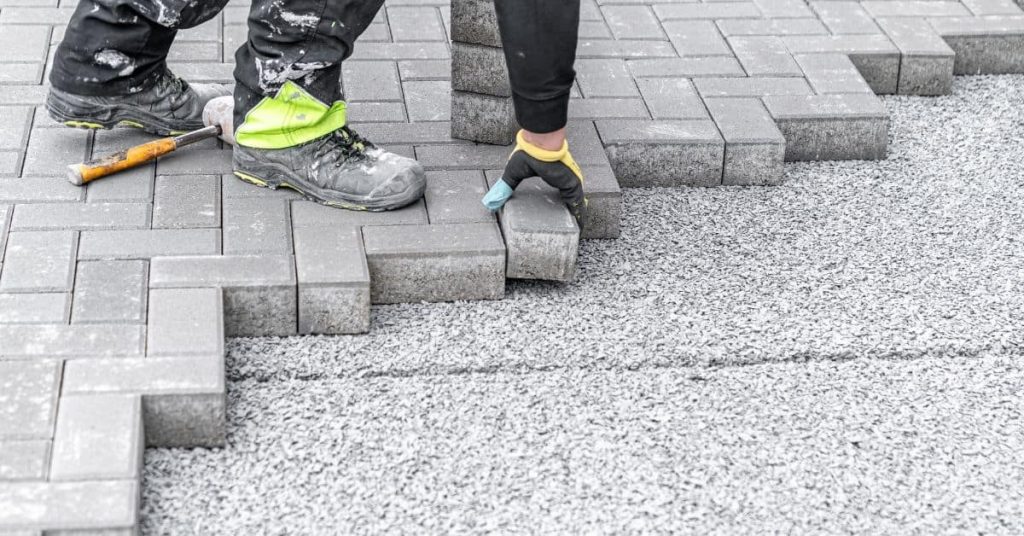
Person laying concrete paving blocks on gravel base

Concrete Washout at Home: Containment that protects lawns and drains

Introduction Concrete washout containment is a simple setup that captures concrete slurry so it doesn’t run onto soil or into drains. This article focuses on a practical, hands-on approach you can use at home to protect your lawn and the stormwater system. It also points you toward quick links that help you navigate related notes

Concrete Washout at Home: Containment that protects lawns and drains Read More »

Stamped concrete patio surface with textured pattern

Concrete Curing Indoors: Moisture control without mold or mess

Introduction Concrete curing indoors means managing excess moisture so the mix dries evenly and won’t trap water that causes problems. Moisture comes from rain, groundwater, and interior activities, and your curing plan should keep the surface and near-surface air balanced. Keep the space accessible for air, avoid sealing off all drying paths, and use safe

Concrete Curing Indoors: Moisture control without mold or mess Read More »

Concrete slab being smoothed with a long-handled float

Concrete Tool Cleanup: Keeping floats flat, trowels smooth, and handles solid

Introduction Concrete tool cleanup means removing concrete residue and debris from floats, trowels, and handles so they stay flat and true. Do it soon after use while the slab is still workable, and focus on each tool as you walk off the job. This keeps your finishes consistent and your gear ready for the next

Concrete Tool Cleanup: Keeping floats flat, trowels smooth, and handles solid Read More »