Search Results for: surface prep

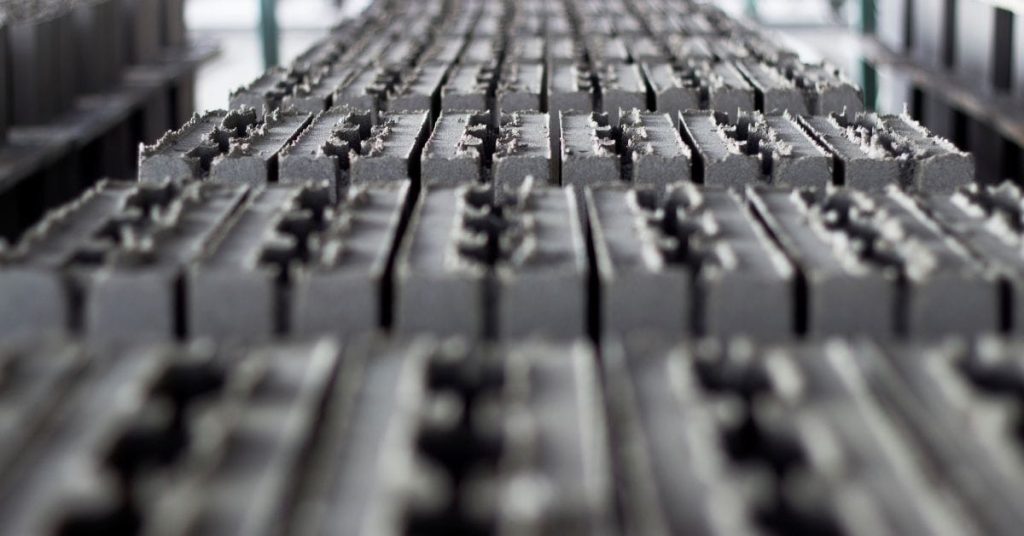
Rows of gray concrete blocks curing on racks

Concrete Curing With Plastic: How to avoid wrinkles, stains, and soft spots

Introduction Curing concrete with plastic means covering the fresh concrete with a plastic sheet to trap moisture and slow evaporation. This helps prevent rapid drying that can cause wrinkles, stains, or soft spots. Keep the plastic in contact with the surface and seal the edges to minimize moisture loss. To do it well, lay a […]

Concrete Curing With Plastic: How to avoid wrinkles, stains, and soft spots Read More »

Close-up of textured stamped concrete floor with square pattern

Adding Color to Concrete: How to avoid batch-to-batch shade differences

Introduction Color differences in stained or pigmented concrete happen because curing and mix variation drive shade changes. This DIY guide helps you anticipate, control, and blend those differences when adding color to concrete. We’ll keep it practical with real-world checks and steps you can follow on site. Expect color shifts during curing and across batches,

Adding Color to Concrete: How to avoid batch-to-batch shade differences Read More »

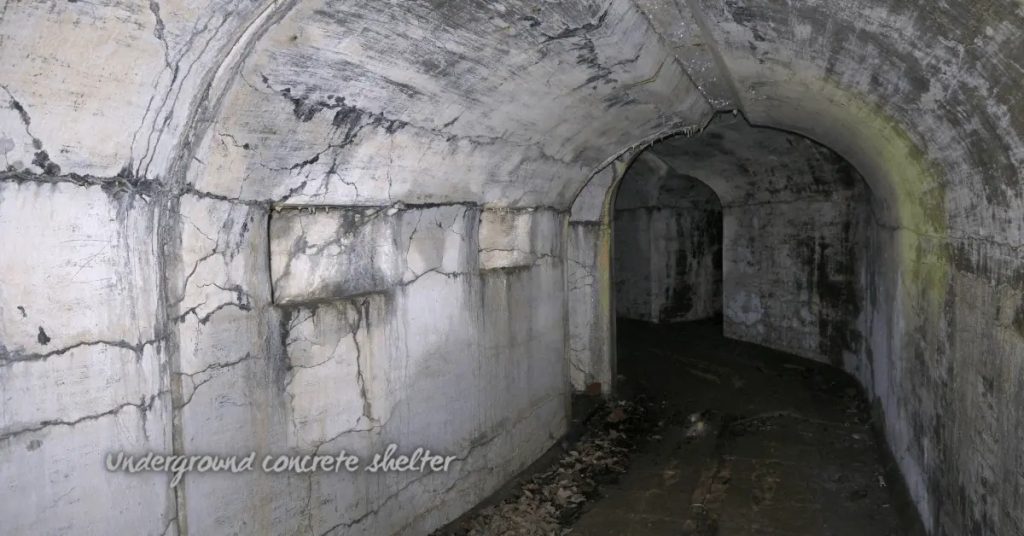
Cracked concrete walls and ceiling in underground tunnel

Poly Fiber Balls in Concrete: Why they happen and how to mix without clumps

Introduction Poly fiber balls are clumps that form when poly fiber additives ball up in wet concrete. They look like stringy lumps that don’t disperse evenly through the mix. Understanding why helps you avoid them when you’re DIY mixing. Causes include too much fiber, uneven distribution, and mixing too aggressively. Add fibers gradually, mix at

Poly Fiber Balls in Concrete: Why they happen and how to mix without clumps Read More »

Close-up of concrete screed tool smoothing wet concrete slab

Concrete Bleed Water: Finishing timing to avoid dusting, blisters, and flakes

Introduction Bleed water is the surface water that rises through the concrete mix as it sets. Finishing timing means waiting for that water to emerge and begin to dry before you apply final troweling or brooming. Doing it too soon can trap moisture and lead to dusting, blisters, or flaking later. The bleeding rate depends

Concrete Bleed Water: Finishing timing to avoid dusting, blisters, and flakes Read More »

Man patching ceiling plaster with putty knife

Plaster Repairs After Electrical Work: Patching channels without a visible ridge

Introduction Plaster repairs after electrical work are patches that blend into the wall so you don’t see a ridge. Start by assessing the surrounding finish and preparing the plaster mix to match the existing texture. To avoid a visible ridge, feather the edges, work in thin coats, and blend with the surrounding plaster as you

Plaster Repairs After Electrical Work: Patching channels without a visible ridge Read More »

Empty room with polished concrete floor and large windows

Superplasticizer for Small Batches: Getting flow without adding water or causing separation

Introduction A superplasticizer for small batches is a concrete additive that helps it flow without adding extra water. Use it to reduce water content while maintaining workability, but check the label for batch size and separation warnings. Always follow the manufacturer’s instructions and local rules for mixing, curing, and safety. There are different types of

Superplasticizer for Small Batches: Getting flow without adding water or causing separation Read More »

Black metal fence with gold decorative spikes close-up

Concrete Fibers Explained: Microfiber vs macrofiber and what each actually does

Introduction Concrete fibers are tiny reinforcing additives added to concrete to improve crack resistance and durability. Microfibers are very fine fibers that help control tiny cracks and plastic shrinkage, while macrofibers are larger and designed to increase toughness and impact resistance. In DIY terms, you’ll notice better handling and fewer tiny cracks, but you still

Concrete Fibers Explained: Microfiber vs macrofiber and what each actually does Read More »

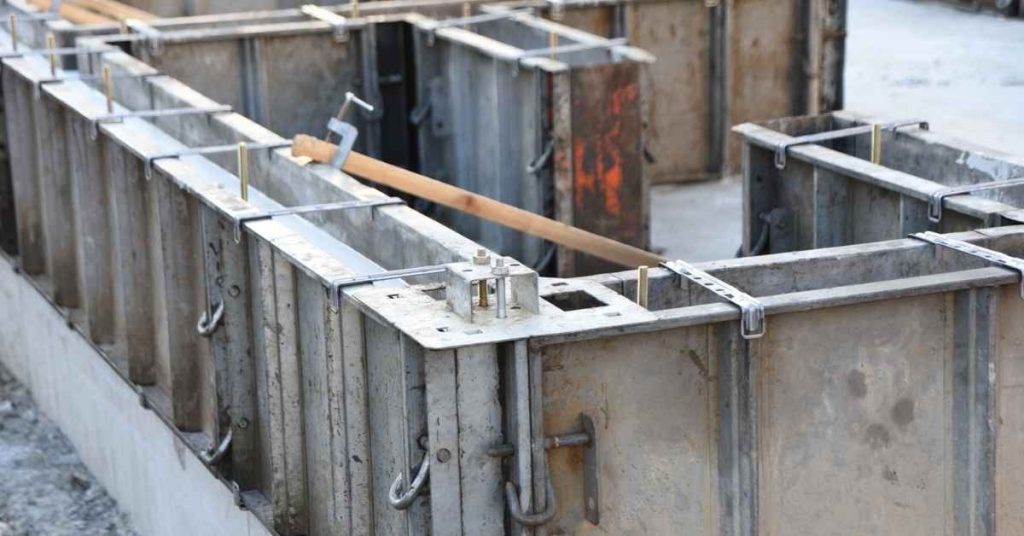
Metal concrete formwork arranged to shape a corner

Concrete That Cracks at Re-Entrant Corners: Layout tricks to reduce stress cracks

Introduction Re-entrant corners are sharp, inward-facing corners in a concrete layout where cracks tend to start. This article covers simple layout tricks to reduce those stress cracks during pouring and finishing. You’ll learn practical ideas you can apply on a DIY project without fancy tools. Using radiused corners and properly placed joint lines helps lower

Concrete That Cracks at Re-Entrant Corners: Layout tricks to reduce stress cracks Read More »