Search Results for: surface prep

Close-up of stucco render partially covering fiberglass mesh

EIFS Impact Damage Prevention: Mesh Weights, Additional Layers, and Vulnerable Zone Detailing

Introduction EIFS impact damage prevention means using proper mesh weights, extra applications, and careful detailing in vulnerable zones to resist impact. As a DIYer, you’ll focus on securing the base coat mesh, adding layers as allowed, and outlining high-risk areas. Always check the product label and local rules for what’s allowed. Start by identifying vulnerable […]


EIFS Impact Damage Prevention: Mesh Weights, Additional Layers, and Vulnerable Zone Detailing Read More »

Weathered pink stucco wall with discoloration and patches

Stucco at Deck Ledger Boards: Integrating Flashing, Tape Membranes, and Drainage Space

Introduction This article explains how to install stucco around a deck ledger by using flashing, tape membranes, and a drainage space. It covers practical, hands-on steps you can take to keep water out and prevent damage. It keeps the process straightforward and doable for a DIY project. Check manufacturer instructions and local codes for flashing

Stucco at Deck Ledger Boards: Integrating Flashing, Tape Membranes, and Drainage Space Read More »

Worker applying stucco with a trowel on exterior wall

Integrally Colored Stucco Finish Coats: Batching, Water Control, and Fade Resistance

Introduction Integrally colored stucco finish coats are cement-based mixes with color added during batching so the color runs through the material. This article focuses on how batching, water control, and fade resistance affect a DIY project. You’ll learn practical steps you can take on a jobsite to keep the color even and the finish durable.

Integrally Colored Stucco Finish Coats: Batching, Water Control, and Fade Resistance Read More »

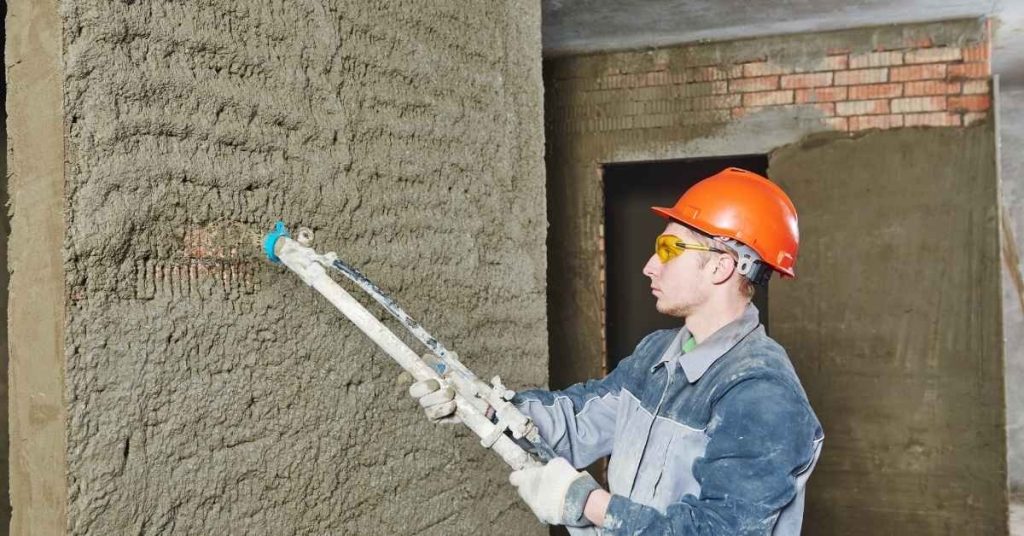
Worker spraying stucco onto brick wall indoors

Stucco Control Joint Placement Around Large Walls: Avoiding Random ‘Map Cracking’ Patterns

Introduction Control joints are planned gaps in stucco that help prevent random map cracking on large walls. Place them at regular intervals and where the wall planes change. Check manufacturer instructions and local rules for spacing and placement guidance. This is a hands-on task you can plan during framing and stucco work. Mark the joints

Stucco Control Joint Placement Around Large Walls: Avoiding Random ‘Map Cracking’ Patterns Read More »

Close-up of textured pink stucco wall surface

Stucco Around Mini-Split Line Sets and Condensate Drains: Sleeves, Drip Loops, and Sealants

Introduction Stucco around mini-split line sets and condensate drains is the exterior finish that encases the lines and keeps moisture out. The job is about creating sleeves, drip loops, and proper seals so the system looks integrated and sheds water. Do this carefully so you don’t trap condensation or create paths for leaks. Plan sleeve

Stucco Around Mini-Split Line Sets and Condensate Drains: Sleeves, Drip Loops, and Sealants Read More »

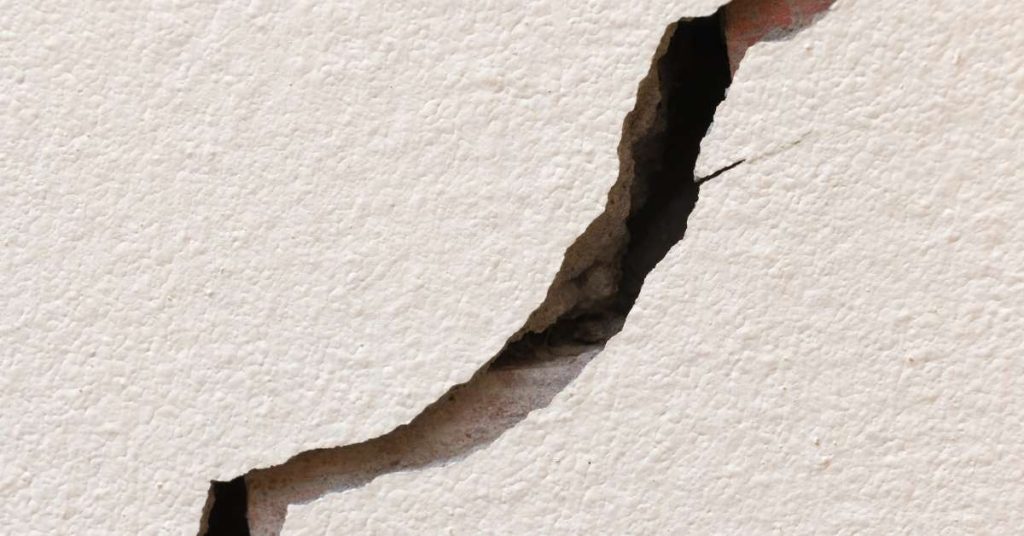
Close-up of a large crack in a stucco wall

Stucco Soffits and Overhangs: Crack Control at Framing Transitions and Vent Cutouts

Introduction Stucco soffits and overhangs are the sheltered edges under the roof where it meets the wall, and cracking happens where framing moves or openings exist. This article walks you through noticing those cracks early and keeping moisture out. You’ll learn simple, hands-on checks you can perform during a DIY project and what to fix

Stucco Soffits and Overhangs: Crack Control at Framing Transitions and Vent Cutouts Read More »

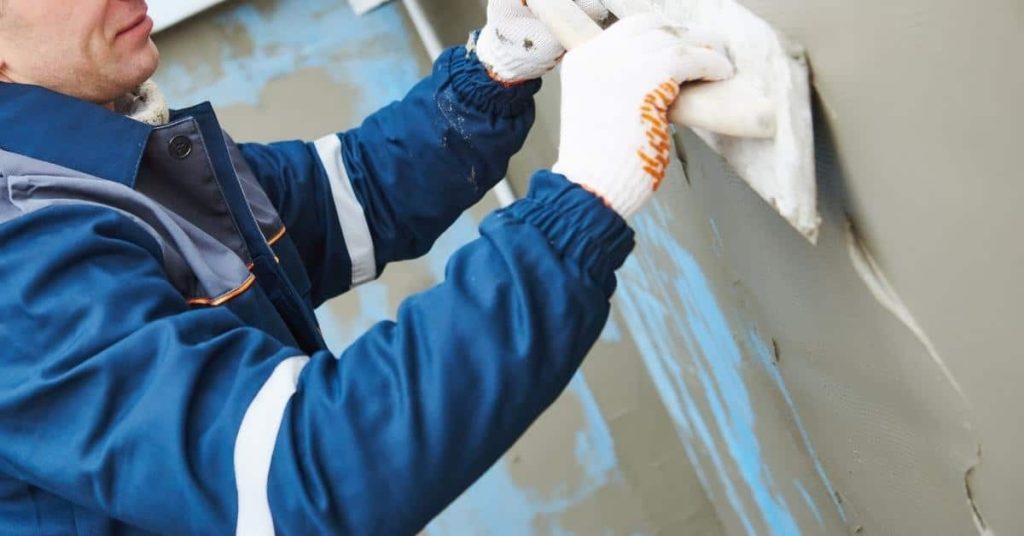
Worker applying stucco plaster onto wall with trowel

Stucco Movement Joints: Spacing Rules, Joint Profiles, and Sealant Detailing That Lasts

Introduction Movement joints in stucco are intentional gaps that let the plaster move with temperature and framing shifts. They help prevent cracks by giving the wall a controlled place to flex, not tear. Check local building rules and follow manufacturer instructions for spacing and placement in your area. There are different joint profiles and sealants,

Stucco Movement Joints: Spacing Rules, Joint Profiles, and Sealant Detailing That Lasts Read More »

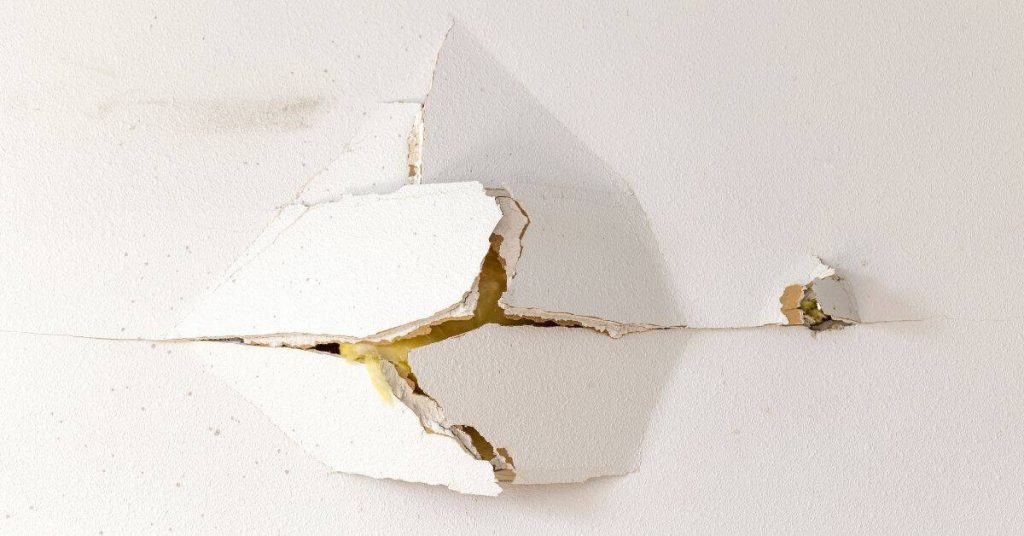
Closeup of cracked and peeling plaster on white wall

How to Repair a Failed Patch That Sounds Hollow: Cutback Rules and Reattachment Options

Introduction A failed patch that sounds hollow is a plaster area with voids that likely needs back-cutting and reattachment. In plain terms, you’ll check why it came loose and decide whether to trim the patch back or start fresh. This is a real-world, DIY job you can handle with basic tools and a patient approach.

How to Repair a Failed Patch That Sounds Hollow: Cutback Rules and Reattachment Options Read More »

Empty room with large windows and polished concrete floor

Salt-and-Pepper Polished Concrete: Achieving a Consistent Exposure Without Over-Grinding Edges

Introduction A salt-and-pepper polished-concrete floor has a fine, scattered aggregate reveal rather than an unbroken cream surface or a deeply exposed aggregate look. It is not a universal exposure class or a fixed grinding depth: the result depends on aggregate distribution, paste thickness, hardness, flatness, finishing, and the slab’s prior condition. The most reliable practical

Salt-and-Pepper Polished Concrete: Achieving a Consistent Exposure Without Over-Grinding Edges Read More »

Close up of a smooth brown hardboard surface

Acid Etching Concrete: When It Adds Texture and When It Exposes Laitance

Introduction Acid etching can open a concrete surface and leave a shallow, variable texture, but it is not a reliable way to create a designed pattern or uniform exposed-aggregate finish. It may chemically attack weak surface paste, yet it cannot reliably remove a thick, weak, sealed, or contaminated layer. If a test patch turns powdery,

Acid Etching Concrete: When It Adds Texture and When It Exposes Laitance Read More »