Search Results for: surface prep

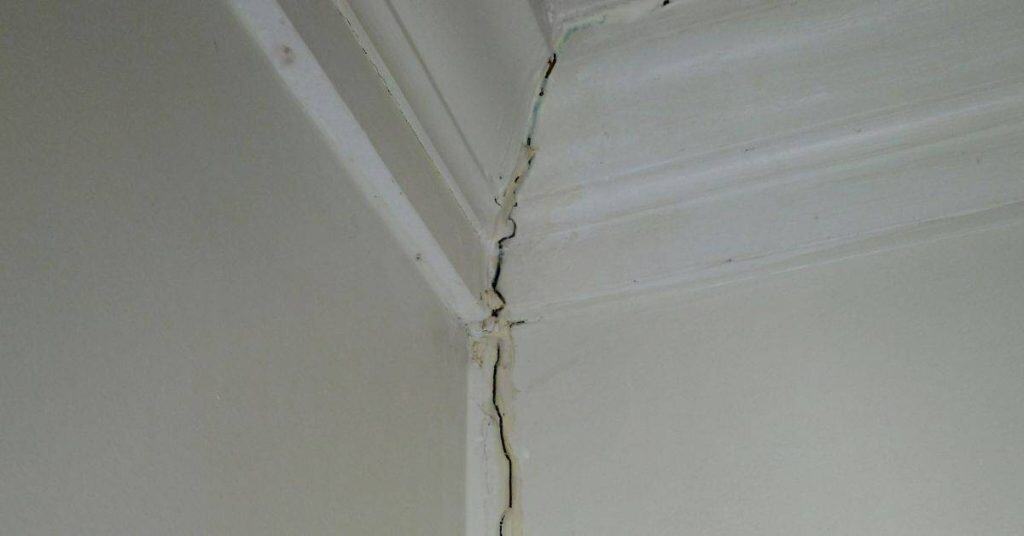
Repairing Plaster at Wall-to-Ceiling Corners: Controlling Re-Cracks at the Joint

Repairing Plaster at Wall-to-Ceiling Corners: Controlling Re-Cracks at the Joint

Introduction Repairing plaster at wall-to-ceiling corners helps stop re-cracking at the joint. The guide explains common causes of corner cracks and why proper technique matters for a durable finish. You’ll learn practical steps, tips for prep and finish, and rules of thumb to keep corners stable over time. Key takeaways Inspect crack width and moisture […]

Repairing Plaster at Wall-to-Ceiling Corners: Controlling Re-Cracks at the Joint Read More »
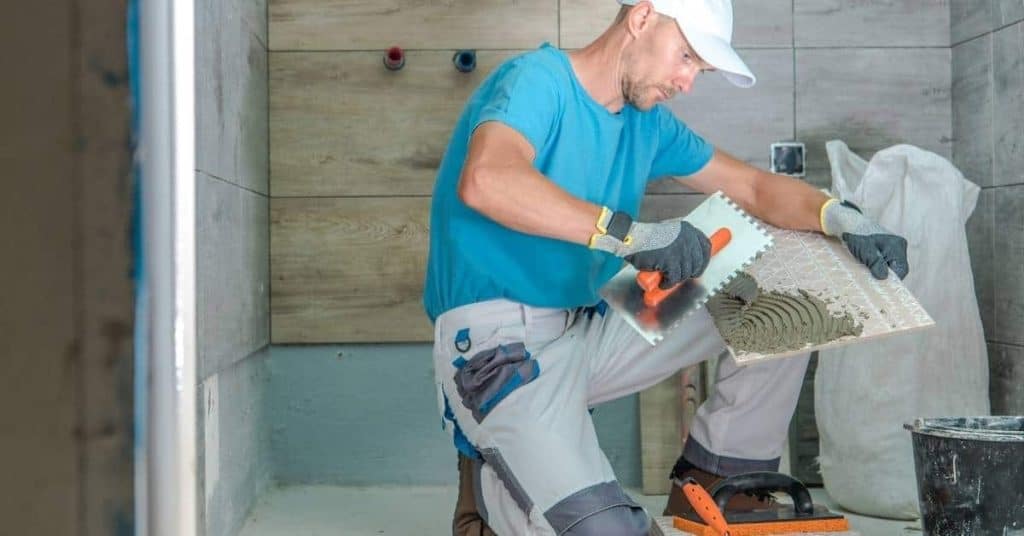
Coverage Checks: How to Pull a Tile and Know If You’re Actually Doing It Right

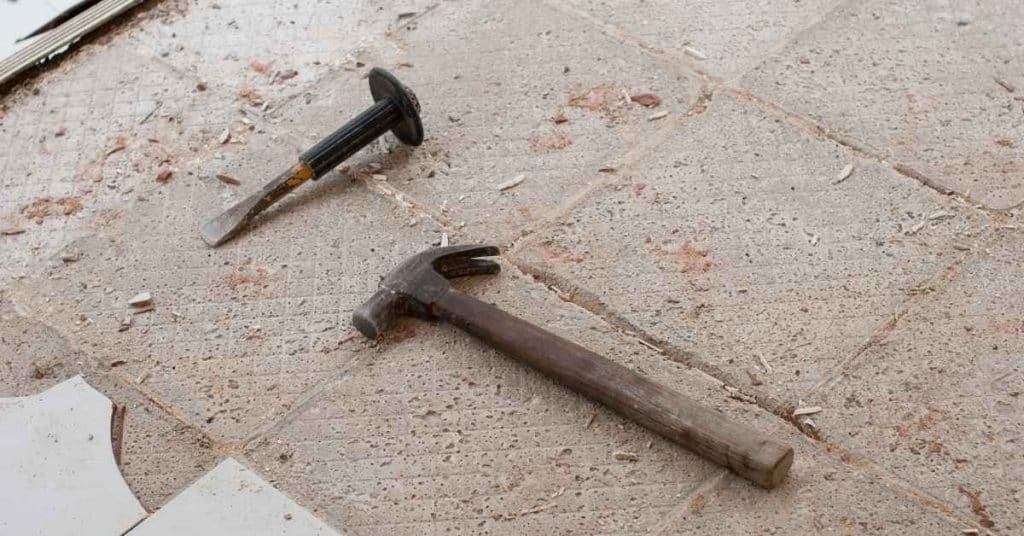
Coverage Checks: How to Pull a Tile and Know If You’re Actually Doing It Right

Introduction You can know if you pulled a tile correctly by verifying coverage and proper adhesion. The guide walks through practical steps, common signs of good and bad installs, and simple rules of thumb to help you assess a tile pull on the job. Key takeaways Plan a careful tile pull after curing to prevent

Coverage Checks: How to Pull a Tile and Know If You’re Actually Doing It Right Read More »

Back-Buttering When It Matters: Large-Format Tile Vs Small Tile Reality

Back-Buttering When It Matters: Large-Format Tile Vs Small Tile Reality

Introduction Back-buttering is essential for large-format tiles to prevent hollow spots and reduce lippage. The guide explains when back-buttering matters, how to determine proper coverage, and practical steps you can apply to both large-format and small tiles. You’ll learn how to mix and apply adhesive correctly, how to back-butter tile backs and substrates, and how

Back-Buttering When It Matters: Large-Format Tile Vs Small Tile Reality Read More »

Inside Corners in Showers: Caulk Vs Grout and Where Movement Actually Happens

Inside Corners in Showers: Caulk Vs Grout and Where Movement Actually Happens

Introduction In shower inside corners, caulk handles movement while grout is best for rigid joints. The guide explains when to use each, how to assess movement in corners, and practical steps for proper application and sealing. Key takeaways Caulk tolerates movement in vertical corners; grout is rigid and can crack. Movement occurs mainly where framing

Inside Corners in Showers: Caulk Vs Grout and Where Movement Actually Happens Read More »

Capillary Break Under Footings: Simple Gravel + Poly Details That Reduce Damp Basements

Capillary Break Under Footings: Simple Gravel + Poly Details That Reduce Damp Basements

Introduction A gravel capillary break beneath footings, combined with a poly barrier, prevents capillary rise and reduces basement dampness. The article shows how this simple system works in practice and walks you through practical steps for selecting gravel, installing the barrier, and laying out the under-footing layer to improve moisture control. Key takeaways Use continuous

Capillary Break Under Footings: Simple Gravel + Poly Details That Reduce Damp Basements Read More »

Expansion/Movement Joints: Where to Leave Gaps and How to Finish Them Cleanly

Expansion/Movement Joints: Where to Leave Gaps and How to Finish Them Cleanly

Introduction Leave proper gaps at expansion and movement joints to accommodate building movement and prevent cracking. This introduction explains how to choose appropriate gap sizes, where joints belong, and how to finish them cleanly with durable sealants and proper detailing. You’ll learn practical tips, common mistakes to avoid, and a straightforward approach to creating joints

Expansion/Movement Joints: Where to Leave Gaps and How to Finish Them Cleanly Read More »

How Humid Summers Reveal Weaknesses in Diy Concrete Coatings

Prevent DIY Concrete Coating Failures in Humid Summer Weather

Why humid weather causes concrete-coating failures Humid summer weather can expose a weak DIY concrete coating because moisture may be inside or beneath the slab, may condense on a cooler concrete surface, or may push application and cure conditions outside the coating’s technical-data-sheet (TDS) limits. The result can be bubbling, blistering, whitening, haze or blush,

Prevent DIY Concrete Coating Failures in Humid Summer Weather Read More »

The Hidden Danger of Using Styrofoam Insulation Behind Stucco: Fire Risks and Moisture Traps

The Hidden Danger of Using Styrofoam Insulation Behind Stucco: Fire Risks and Moisture Traps

Introduction Styrofoam insulation, while affordable and easy to install, hides significant risks when used behind stucco. This guide explores these dangers, focusing on fire hazards and moisture traps. Key takeaways Identify foam types (EPS, XPS, EIFS) and their compatibility with stucco. Inspect installation flaws: gaps, flashing failures, or improper fastening that trap moisture. Fire risks

The Hidden Danger of Using Styrofoam Insulation Behind Stucco: Fire Risks and Moisture Traps Read More »

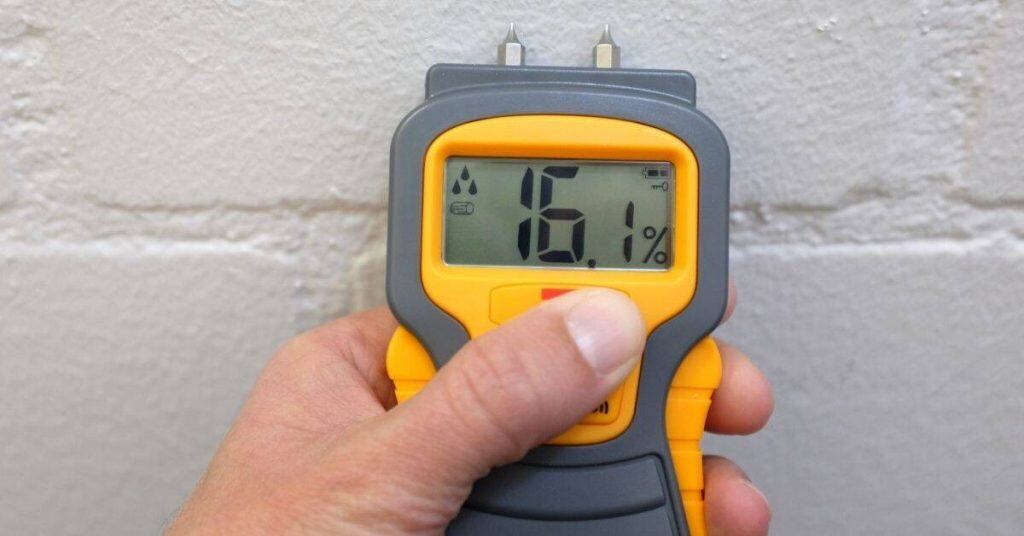
When Paint Sealers Backfire: the Moisture Problem Most Diyers Don’t Anticipate

When Paint Sealers Backfire: the Moisture Problem Most Diyers Don’t Anticipate

Introduction Paint sealers can backfire by trapping moisture, leading to issues most DIYers don’t anticipate. In this guide, you’ll learn how moisture interacts with sealers, how to spot warning signs, and practical steps, tips, and rules of thumb to prevent moisture-related failures. Key takeaways Assess moisture sources first: leaks, condensation, hydrostatic pressure before painting Basement

When Paint Sealers Backfire: the Moisture Problem Most Diyers Don’t Anticipate Read More »

Why Concrete Spalling Is Often Caused by More Than Freeze-Thaw Cycles Alone

Why Concrete Spalling Is Often Caused by More Than Freeze-Thaw Cycles Alone

Introduction Concrete spalling is not caused by freeze-thaw cycles alone; moisture, reinforcement, and quality of materials also influence damage. You’ll learn how to assess the other contributing factors, recognize the signs early, and apply practical steps to reduce spalling and extend the life of concrete structures. Back to top ↑ Key takeaways Freeze-thaw is often

Why Concrete Spalling Is Often Caused by More Than Freeze-Thaw Cycles Alone Read More »