Search Results for: surface prep

DIY Concrete Mixing Consistency: a Repeatable “bucket Method” That Keeps Batches Matching

DIY Concrete Mixing Consistency: a Repeatable “Bucket Method” That Keeps Batches Matching

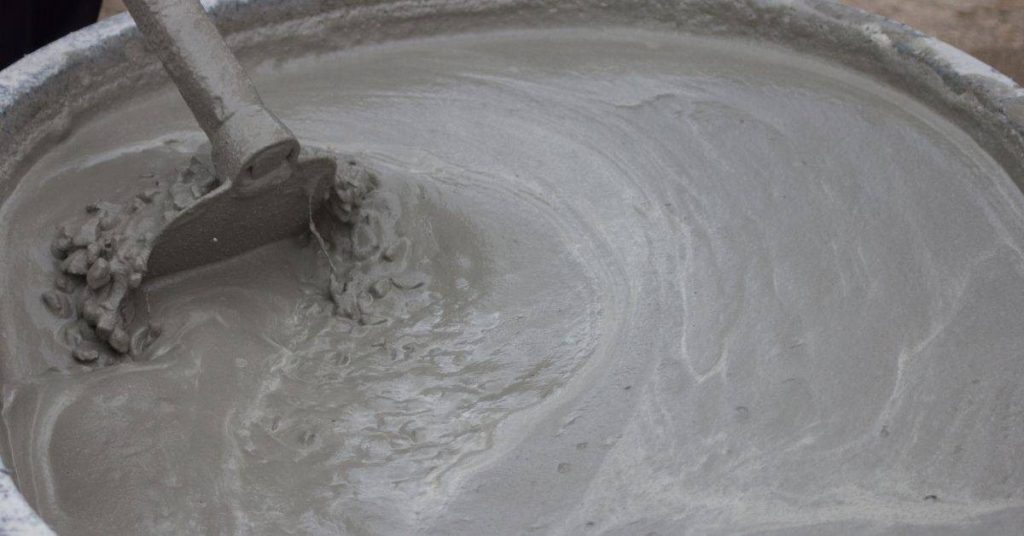
Introduction A repeatable bucket method for mixing concrete ensures batches stay consistent. The guide walks through practical steps to measure materials, control water, and mix duration so each batch matches the last. You’ll learn how to adjust for variability and build a reliable workflow that makes it easier to reproduce concrete results across projects. Key […]

DIY Concrete Mixing Consistency: a Repeatable “Bucket Method” That Keeps Batches Matching Read More »

Rough concrete surface with blotchy stains and texture variations.

Concrete Stain Compatibility: Why Some Stains Fail on Dense Troweled Floors

Introduction Dense troweled concrete floors can resist stain absorption, causing many stains to fail. You’ll learn why this happens, and how to select compatible stains and proper surface prep to achieve reliable color results. Key takeaways Dense troweled floors have low porosity; stain requires compatible penetrating formulas and proper surface prep protocols. Epoxy sealers or

Concrete Stain Compatibility: Why Some Stains Fail on Dense Troweled Floors Read More »

Joint Filler Options for Garage Slabs: Rigid Vs Semi-Rigid Explained Simply

Joint Filler Options for Garage Slabs: Rigid Vs Semi-Rigid Explained Simply

Introduction Rigid and semi-rigid joint fillers are the main options for garage slabs, with different movement tolerances and durability. This article explains how to tell which is best for your slab and walks you through practical considerations, installation tips, and real-world examples. You’ll learn how to assess slab movement, select materials, and apply simple rules

Joint Filler Options for Garage Slabs: Rigid Vs Semi-Rigid Explained Simply Read More »

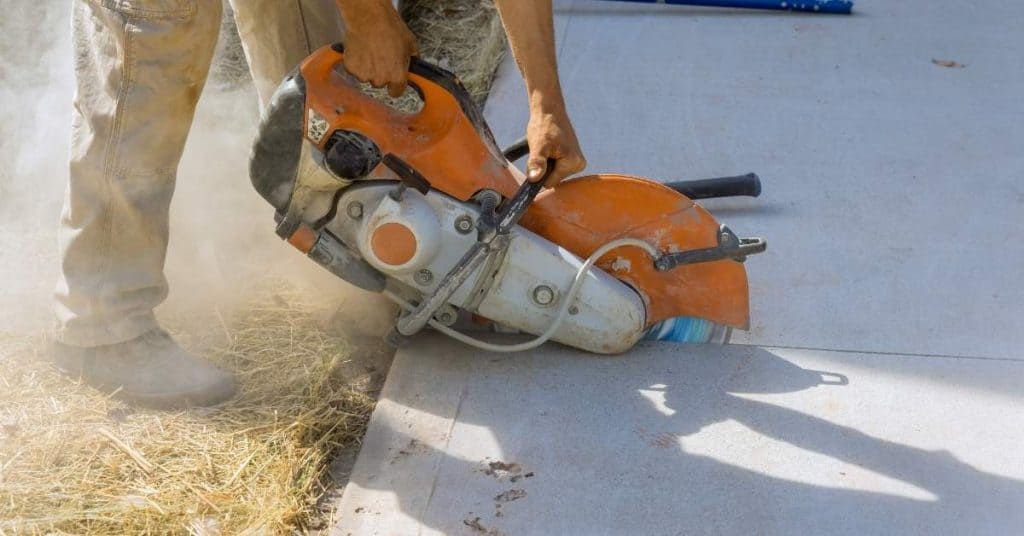
Worker using a concrete saw to cut a line in the driveway.

Tooled Joints Vs Sawed Joints: What to Choose on Small Patios and Walks

Introduction For small patios and walks, tooled joints generally provide tighter seams and greater durability than sawed joints. You’ll learn how to weigh appearance, maintenance, and installation considerations, and the guide walks you through practical tips for choosing and applying the method. Key takeaways Tooled joints resist uplift on mortar-less patios but require consistent jointing

Tooled Joints Vs Sawed Joints: What to Choose on Small Patios and Walks Read More »

Cracks at Inside Corners: Re-Entrant Corner Relief Cuts That Reduce Risk

Cracks at Inside Corners: Re-Entrant Corner Relief Cuts That Reduce Risk

Introduction Re-entrant corner relief cuts reduce the risk of cracks forming at inside corners. This article explains why inside corners are prone to stress and how relief cuts can mitigate that risk, with practical guidelines you can apply in common fabrication and design scenarios. You’ll learn simple rules of thumb, example layouts, and step-by-step considerations

Cracks at Inside Corners: Re-Entrant Corner Relief Cuts That Reduce Risk Read More »

Slab Curling at Edges: Why It Happens and How to Reduce It

Slab Curling at Edges: Why It Happens and How to Reduce It

Introduction Slab curling at edges happens when the outer parts dry or cool faster than the center, causing the edges to lift. Understanding this helps you prevent issues with fit, finish, and performance in real-world projects. The guide walks through practical cues and tips to reduce curling, including moisture management, substrate considerations, and realistic expectations

Slab Curling at Edges: Why It Happens and How to Reduce It Read More »

Concrete mixer truck delivering concrete at construction site

Removing Curing Compounds Before Coatings: How to Test and Strip the Film

Introduction Remove curing compounds before coatings to ensure proper adhesion and a clean, durable finish. The guide walks through how to test for residual film, choose practical stripping methods, and apply steps that balance effectiveness with surface safety, so you’ll know what to check and how to proceed in real-world applications. Key takeaways Test cure

Removing Curing Compounds Before Coatings: How to Test and Strip the Film Read More »

Integral Waterproofing Additives: What They Do and What They *don’t* Do

Integral Waterproofing Additives: What They Do and What They *Don’t* Do

Introduction Integral waterproofing additives are incorporated into the concrete mix to reduce water ingress by altering the pore structure, not by coating the surface. This article explains what they can and cannot do in real-world conditions and highlights practical considerations for selection, mix design, and curing. You’ll learn how to evaluate suitability, plan mix steps,

Integral Waterproofing Additives: What They Do and What They *Don’t* Do Read More »

Curing Compounds Vs Wet Curing: Which Is Better for Small DIY Work

Curing Compounds Vs Wet Curing: Which Is Better for Small DIY Work

Introduction Choosing between curing compounds and wet curing depends on moisture control and project conditions for small DIY work. The article explains when each method is appropriate and what practical steps to follow. You’ll learn tips, rules of thumb, and concrete considerations to apply curing compounds or wet curing effectively for small DIY projects. Key

Curing Compounds Vs Wet Curing: Which Is Better for Small DIY Work Read More »