Search Results for: surface prep

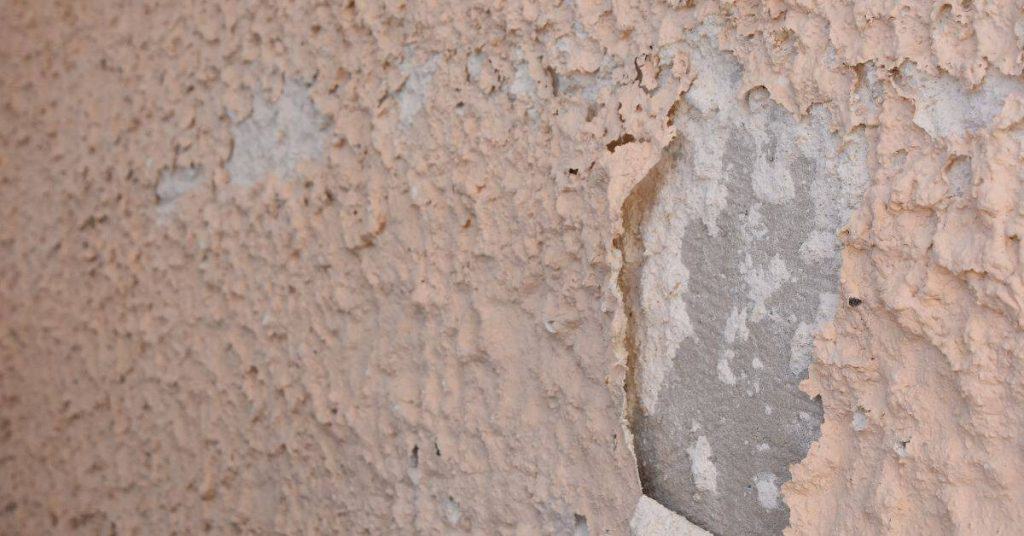
Close-up of textured beige stucco wall surface

Surfactant Damage on Stucco Coatings: What to Check Before You Repaint

Introduction Surfactant damage on stucco coatings happens when cleaners leave residues that affect adhesion and finish. In plain terms, you might see streaks, halos, or softness where the coating meets the wall. Before repainting, check for residue depth, film buildup, and any moisture issues that could be aggravated by detergents. Then do a simple test […]

Surfactant Damage on Stucco Coatings: What to Check Before You Repaint Read More »
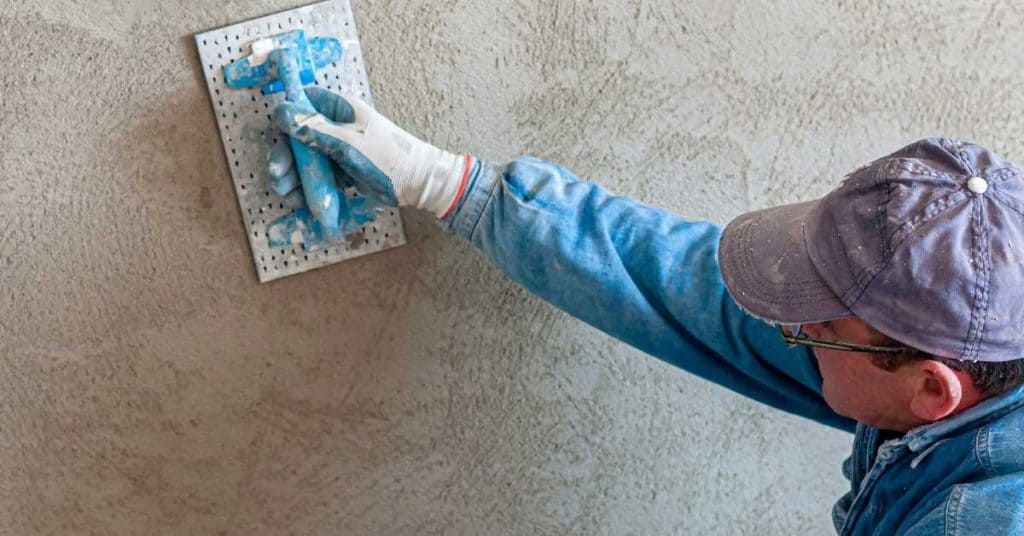
Worker applying textured stucco with a blue trowel

Stucco Texture Options That Hide Repairs: Sand Float, Dash, and Skip Trowel

Introduction Sand float, dash, and skip trowel are stucco textures that help hide repairs. They each use different hand angles and apply techniques to create patterns that blend in with the existing wall. You’ll pick based on the surface and how rough you want the finish, and you should check product labels or manufacturer guidance

Stucco Texture Options That Hide Repairs: Sand Float, Dash, and Skip Trowel Read More »

Close up of stucco wall with peeling and damaged surface

Stucco Delamination: Tap Testing, Causes, and Repair Options

Introduction Stucco delamination is when the outer stucco layer separates from the wall underneath. This can show up as hollow spots or peeling under the surface. It’s a sign you should inspect and plan before doing more work. Common causes include poor adhesion, moisture intrusion, or cracks that let the plaster pull away. Repair options

Stucco Delamination: Tap Testing, Causes, and Repair Options Read More »

Empty white room with ladder and paint supplies

Painting Tips That Actually Work: Setup, Technique, and Cleanup

Introduction Painting tips that actually work are practical steps you can follow for setup, technique, and cleanup on a DIY project. Start with a clean, dust-free surface and protect anything nearby, then gather your brushes, rollers, and containers. Plan your work so you can move from preparation to painting with steady, predictable results. Thinning techniques

Painting Tips That Actually Work: Setup, Technique, and Cleanup Read More »

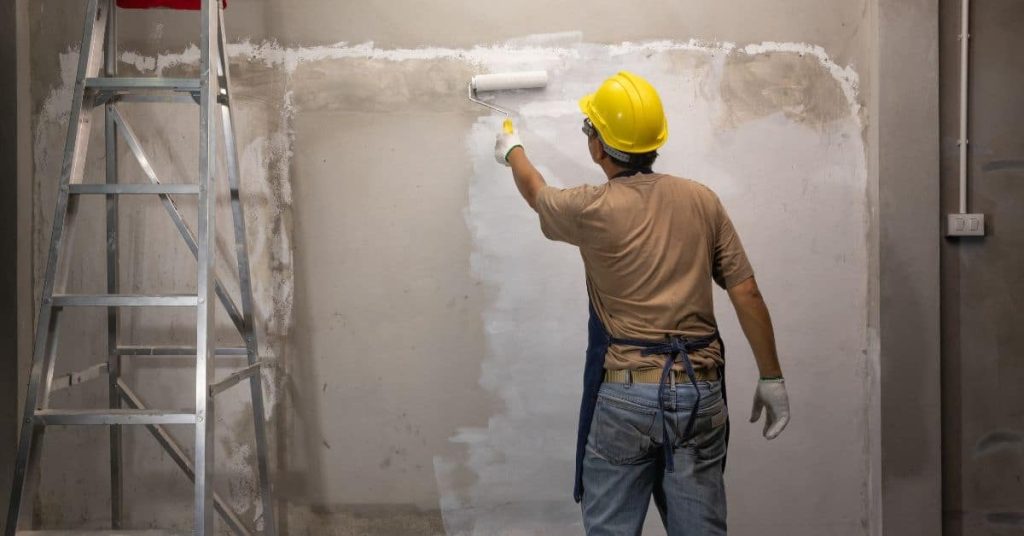
Worker painting wall with roller brush next to ladder

Wall-Painting Shortcuts That Backfire: What to Skip and What to Do Instead

Introduction Wall-painting shortcuts are quick fixes that promise fast results but often backfire later. Skip proper prep, primer, and even consistent drying, and you’ll see peeling, staining, or a finish that’s dull long before you’re done. If you’re choosing between DIY-painted cabinetry, ready-made curtains, peel-and-stick floor tiles, or flat-pack furniture, aim to do the basics

Wall-Painting Shortcuts That Backfire: What to Skip and What to Do Instead Read More »

Paint roller applying white paint to a wall corner

Paint Roller Technique: Cleaner Coverage, Fewer Lines, Better Edges

Introduction Paint roller technique is the method of rolling paint to get clean coverage and fewer lines. Choose the right roller for the job by considering nap length, surface texture, and paint type, then prep the surface by cleaning, patching, and lightly sanding. Check product labels or manufacturer instructions to confirm nap size and compatible

Paint Roller Technique: Cleaner Coverage, Fewer Lines, Better Edges Read More »

White cabinet doors with decorative silver metal knobs

Antique Painted Cabinets: DIY Touch-Ups, Matching, and Protection

Introduction Antique painted cabinets are old cabinets with paint that you touch up, match, and protect. This guide treats the process as a practical, hands-on job you can do without professional tools. It focuses on color matching, choosing finishes, and protecting the surface. Start by identifying the original color by comparing chips and the finish

Antique Painted Cabinets: DIY Touch-Ups, Matching, and Protection Read More »