Search Results for: surface prep

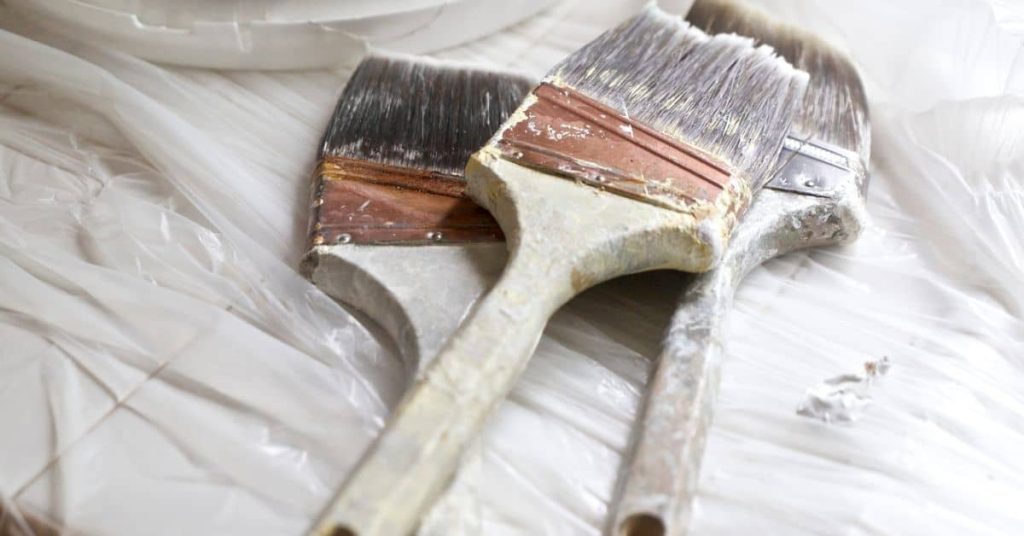
Three paintbrushes with dried paint on plastic sheet

Painting and Wallpapering Faster: Workflow Tips Without Cutting Corners

Introduction Painting and wallpapering faster means finishing cleanly with smart prep and steady workflow, not rushing. This article speaks in plain terms about real, practical steps you can take on a DIY job site. It’s written for homeowners who want solid results without cutting corners. Start by preparing the workspace: protect floors, remove obstacles, and […]

Painting and Wallpapering Faster: Workflow Tips Without Cutting Corners Read More »

Fan of various tile samples with different colors and patterns

Color Sampling Without Regret: Lighting Checks and Large-Sample Method

Introduction Color sampling without regret is testing colors under real lighting with a large sample before committing. In practice, you inspect swatches or patches in the rooms where the work will happen, at different times of day, to see how they read. Make sure you check the actual light sources and surfaces you’ll be painting,

Color Sampling Without Regret: Lighting Checks and Large-Sample Method Read More »

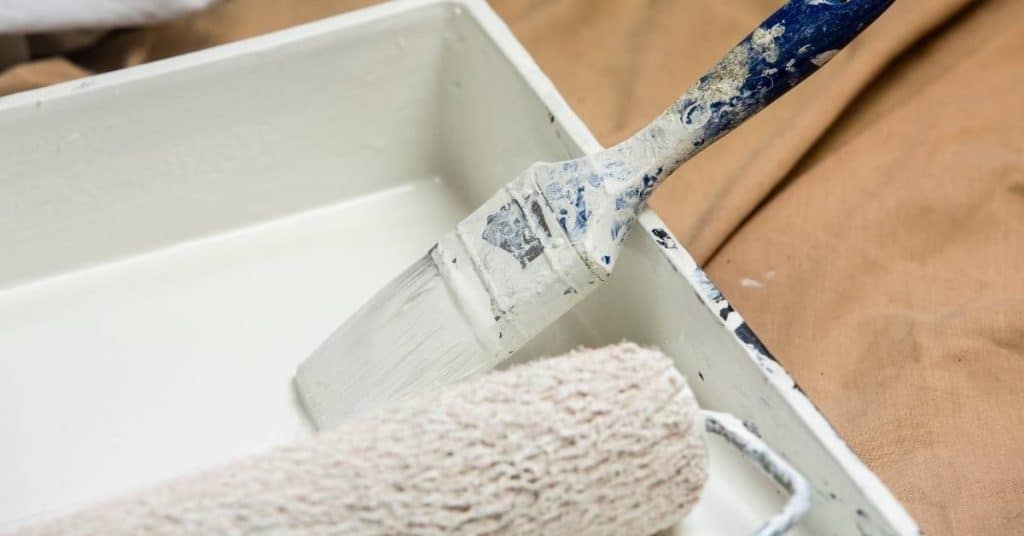
Paint brush and roller in white paint tray on drop cloth

Burnishing on Flat Paint: What Causes Shiny Rub Marks and How to Reduce Them

Introduction Burnishing is the shiny marring that happens when flat or matte paint gets rubbed, leaving a reflective or lighter streak on the surface. It often shows up after cleaning or heavy contact with shoes, furniture, or cleaning tools. The remedy starts with gentler cleaning and avoiding aggressive scrubbing on the finished paint. Preventing burnish

Burnishing on Flat Paint: What Causes Shiny Rub Marks and How to Reduce Them Read More »

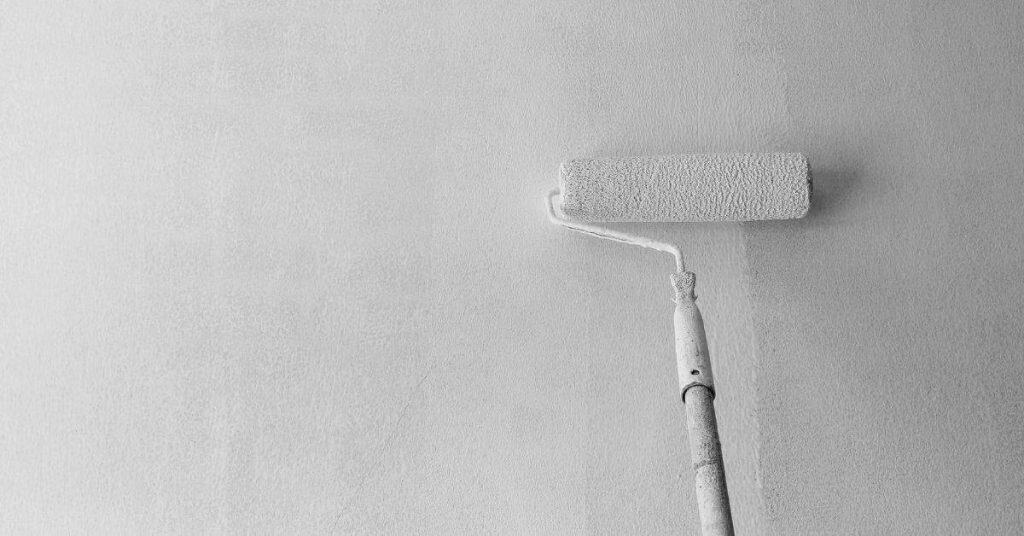
Person applying paint to a white wall with roller

Blocking Nicotine and Smoke Odor: Primers That Work and Application Rules

Introduction Blocking nicotine and smoke odor means reducing or preventing lingering smells and stains from affecting new spaces. It involves primers and careful prep, but it’s mostly about choosing the right products and following proper steps. I’ll keep it practical for a DIY project, from surface prep to application rules. Then pick a primer designed

Blocking Nicotine and Smoke Odor: Primers That Work and Application Rules Read More »

Close-up of weathered pink stucco wall showing texture variations

Backrolling After Spraying: When It Improves Adhesion and When It Ruins Texture

Introduction Backrolling after spraying is a technique where you roll over a sprayed coat to improve adhesion and texture control. It can help bond the coating to the surface and even out the texture, but overdoing it can ruin the finish. Always check the product label and manufacturer guidance, and test on a small area

Backrolling After Spraying: When It Improves Adhesion and When It Ruins Texture Read More »

paint roller applying white paint on textured wall

Alligatoring Paint: What It Means and When You Need to Strip

Introduction Alligatoring paint is a surface condition where the film cracks into finger-like ridges that resemble alligator skin. This happens when the old coating becomes brittle or loses adhesion to the substrate. The result is a rough, uneven finish that often signals it’s time to address the finish before repainting. Deciding whether to strip depends

Alligatoring Paint: What It Means and When You Need to Strip Read More »

Close-up of smooth blue painted masonry wall surface

Alkali Burn on Painted Masonry: Why New Concrete Eats Paint and How to Stop It

Introduction Alkali burn on painted masonry is when fresh concrete releases alkaline moisture that blisters or strips paint. It often happens when the surface dries too fast or the paint isn’t compatible with the concrete’s chemistry. To stop it, protect the surface during curing and follow proper painting and cleaning steps per the product labels.

Alkali Burn on Painted Masonry: Why New Concrete Eats Paint and How to Stop It Read More »