
Introduction
Burnishing is the shiny marring that happens when flat or matte paint gets rubbed, leaving a reflective or lighter streak on the surface. It often shows up after cleaning or heavy contact with shoes, furniture, or cleaning tools. The remedy starts with gentler cleaning and avoiding aggressive scrubbing on the finished paint.
Preventing burnish means using soft cloths or microfiber, avoiding sharp brushes, and limiting abrasive cleaners. If burnishing has occurred, do a light touch-up with the same flat paint using a clean brush or roller and follow the product’s curing and recoating guidance. Check the product label or manufacturer instructions for compatible cleaners and techniques, and consider mild polishing or a compatible matte topcoat option if the guidance allows.
Key takeaways
- Burnishing defined as marring where the paint surface becomes shiny from friction.
- Abrasion from cleaning or heavy traffic accelerates burnishing on flat paints.
- Prevent by thorough surface prep and using gentle cleaners with soft pads.
- Choose appropriate sheen and quality paint to reduce susceptibility.
- Safely remove existing burnish with light, circular motions and non-abrasive cloths.
- Wear eye protection and avoid aggressive scrubbing to prevent wall damage.
Table of Contents
- Introduction
- Key takeaways
- What Is Burnishing (Marring) and How to Identify It
- Primary Causes of Burnishing and Contributing Factors
- How Sheen and Paint Quality Impact Susceptibility
- Surface Preparation and Application Practices to Prevent Burnishing
- Cleaning and Reducing Existing Burnish Marks Safely
- DIY Techniques to Reduce Visible Burnishing Without Full Repaint
- Tools, Materials, and Cleaning Agents Compared
- Long-Term Maintenance, Common Homeowner Mistakes, and When to Call a Pro
- Conclusion
- FAQ
What Is Burnishing (Marring) and How to Identify It
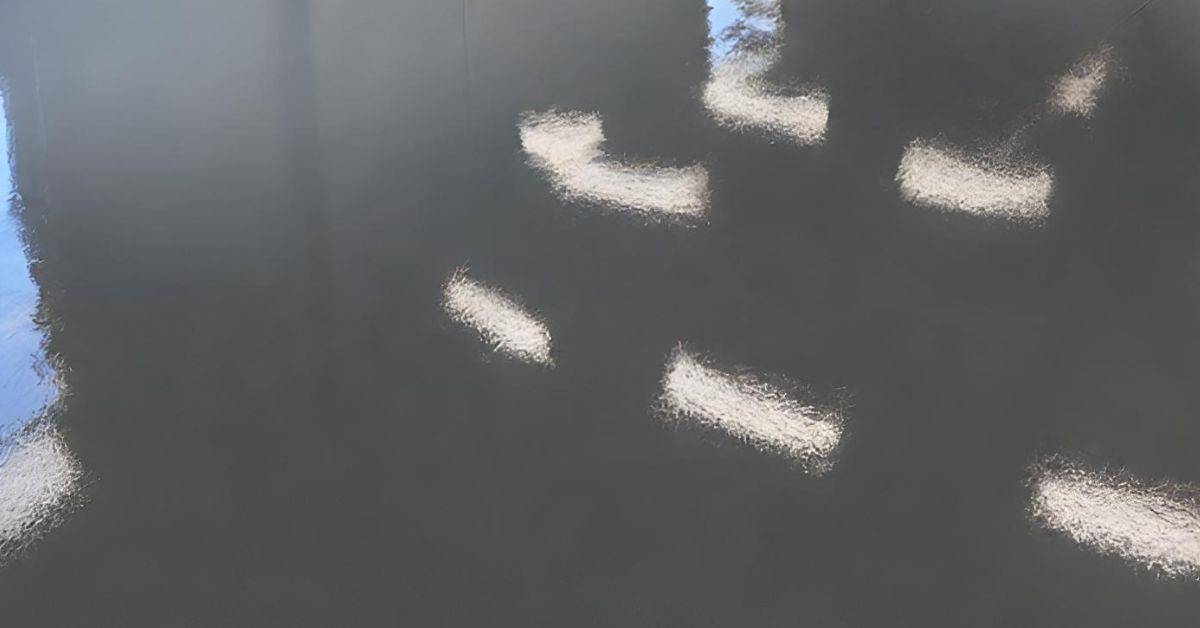
Burnishing, or marring, is a shiny rub mark that appears on flat or low-sheen paint when the surface is rubbed or abraded. It looks like a smooth, reflective streak that doesn’t match the surrounding texture. Flat finishes are typically more prone to showing this issue than glossier ones.
Distinguish burnishing from dirt, gloss variation, or contamination by looking for consistent shine along a defined path and a smooth, reflective area where the glaze feels slick to touch. Run a light drag test with a clean finger to see if the mark remains or wipes away with surface residue. Visual cues and a quick touch check help determine if the surface is truly marred or simply has surface contaminate that can be cleaned.
Visual characteristics
Burnishing, also known as marring, appears on flat or low-sheen paints as localized polished patches. These patches are usually small and scattered, but can sometimes cover larger areas. The sheen increases where the surface has been rubbed, giving it a glossy look compared to the surrounding area.
To spot them easily, change your lighting angle. Shiny rub marks will catch the light differently, making them stand out. Think of it like when you see shiny spots on a car’s paint job from far away – that’s burnishing in action.
Remember: Burnished areas look polished and glossy, unlike dirt or contamination which can be wiped off.
How burnishing differs from other paint failures
Burnishing isn’t the only way a paint job can go wrong. Here’s how it differs from some common finish failures:
Flashing: This happens when paint dries too fast, leaving visible streaks or lines. It looks different from burnishing – think of it as stripes instead of shiny patches.
Peeling: Peeling is easy to spot. Paint starts lifting off the surface in large sheets or small curls. Burnishing doesn’t cause paint to lift; it just makes it look shiny where rubbed.
Scuffing: Scuffs are usually larger and more random than burnished marks. They’re caused by friction, like when something heavy is dragged across the surface. Burnishing is more localized and often happens in high-traffic areas.
Primary Causes of Burnishing and Contributing Factors
Burnishing results from a combination of abrasion, cleaning practices, and frequent contact with the surface. It occurs when the protective film is softened or pressure is applied that smooths the top layer. This is more likely on finishes with lower sheen and softer film hardness.
Common scenarios include high-traffic zones, improper cleaners, and moisture exposure that loosens surface grip. Aged paint films or inadequate surface preparation can also raise the risk of shiny rub marks forming after contact. Documenting cleaning history and use helps identify the sequence of events that led to the issue.
Abrasion, Traffic, and Cleaning Interactions
Repeated rubbing on flat paint causes burnishing. This happens when you vacuum, scrub, or wipe surfaces.
High-traffic zones are at risk. Think hallways, kitchen counters, or doors. Every time something brushes against the paint, it’s abraded.
Cleaning with improper tools or harsh chemicals can speed up burnishing. Be gentle when cleaning painted surfaces.
Surface Contamination and Uneven Porosity
Dust, oils, or moisture on the surface before painting can cause uneven film formation. This leads to shiny spots later on.
Variable substrate absorption also plays a role. Some areas might absorb paint more than others, leading to inconsistent sheen levels.
Pro tip: Ensure your surface is clean and dry before painting for best results.
Paint Formulation and Sheen Level Role
Low-quality flat paints are more prone to burnishing. They might not have the right binders or pigments for durability.
Certain binders, like some acrylics, can be softer and more susceptible to burnishing. Check your paint’s ingredients if you’re having issues.
Sheen level affects mark visibility. Even a slight sheen increase makes marks more noticeable. That’s why flat paints are designed to minimize reflection.
How Sheen and Paint Quality Impact Susceptibility
Sheen level influences hardness and wear resistance, with matte finishes often showing more rub marks than glossier options. Practical examples include how a dull surface may require more careful handling to avoid shiny rubs. Understanding this trade-off helps set expectations for appearance and durability.
Film hardness and binder chemistry tailor resistance to scuffs. Different binders respond to abrasion and cleaning in distinct ways, and this interacts with flat or matte appearances. Choosing the right combination depends on where the paint will live and how it will be used.
Sheen levels explained (flat vs eggshell vs satin)
Sheen level is the first factor affecting burnish resistance. It’s how shiny or matte a paint finish appears.
Flat paints have the least sheen, making them ideal for hiding imperfections but also most susceptible to burnishing. They’re best for low-traffic areas like bedrooms and living rooms.
Eggshell and satin finishes have more sheen, reducing visible burnish marks. Eggshell is great for kitchens and bathrooms, while satin works well in high-traffic zones like hallways and entryways. They’re easier to clean but show imperfections more.
Remember: Higher sheen means less matte aesthetic but better durability and cleanability.
Binder chemistry and additives that improve resistance
The paint’s binder – the film-forming component – also impacts burnish resistance. Acrylic binders are durable, stain-resistant, and suitable for most interiors.
Epoxy binders offer excellent durability but can be too hard, making them prone to cracking. Alkyd blends combine oil and acrylic for good durability and flow, but they’re not as resistant to scuffs or moisture.
Scuff-resistant additives like silicone or wax enhance burnish resistance without sacrificing appearance. They’re often found in high-quality paints but may affect tactile feel.
Tip: Look for paints with ‘scuff-resistant’ or ‘washable’ on the label to ensure better durability.
Practical selection advice
For high-traffic zones like kitchens and bathrooms, opt for eggshell or satin finishes. They’re more resistant to burnishing and easier to clean.
Consider semi-gloss paints for trim work. They’re highly durable and can withstand frequent cleaning. Scuff-resistant interior options are ideal for high-traffic areas with furniture or heavy foot traffic.
Think about your use-case: Mattes hide imperfections best, while higher sheens show off your walls’ smoothness but require more care to maintain.
Key: Balance aesthetics and durability based on the room’s function and expected wear.
Surface Preparation and Application Practices to Prevent Burnishing
Critical prep involves a clean, dry, dust-free substrate with a known gloss level and porosity. Check for previous coatings or contaminants that could hinder adhesion before starting. Correct preparation reduces the likelihood of future burnish marks.
Cleaning, degreasing, and de-glossing steps set the stage for strong film adhesion. Sanding or abrading should be controlled to avoid raising shine in high-gloss finishes. Primer choice and proper film build are key to balancing sheen and durability, along with consistent curing conditions.
Proper surface cleaning and de-glossing
Before applying any finish, your surface needs to be clean, dry, and dust-free. But it’s not just about removing dirt – you’ve got to tackle waxes, oils, and residues too.
Mechanical cleaning is the first step. Use a scraper or wire brush to remove any loose material. Then, apply a solvent or household degreaser. Let it soak for a bit, then scrub with a stiff-bristle brush.
Rinse thoroughly with clean water and let it dry completely. If you’re dealing with glossy patches, you might need to de-gloss them. Lightly sand or use a chemical de-glosser to dull the shine and promote better adhesion.
Priming and equalizing porosity
A good primer does more than just seal the surface. It helps equalize porosity, ensuring your paint absorbs evenly and doesn’t leave shiny patches.
Choose a primer that’s suitable for your substrate and existing paint. If you’re unsure, ask at your local hardware store or consult the paint manufacturer’s guidelines.
Apply the primer according to the manufacturer’s instructions, usually with a roller or brush. Let it dry for the recommended time before recoating. The primer film thickness is crucial – too thin, and it won’t do its job; too thick, and you’ll have issues later on.
Application technique and environmental considerations
Applying paint isn’t just about slapping it on the wall. There’s a right way to do it, especially if you want to avoid burnishing.
Use consistent strokes, working in small sections at a time. Don’t overwork the paint – this can lead to uneven absorption and shine. Follow the manufacturer’s guidelines for target dry film thickness. Too thin, and you’ll have issues; too thick, and you risk burnishing.
Also, keep an eye on the weather. Paint doesn’t cure well in extreme temperatures or high humidity. Make sure your working conditions are within the recommended range.
Cleaning and Reducing Existing Burnish Marks Safely
Burnish/marring on flat paint commonly appears in areas of frequent contact or moisture exposure. Knowing where it tends to occur helps readers anticipate and plan. Expect to see a shiny patch where the film has been stressed or smoothed.
Begin with a quick assessment: inspect gloss impact and test substrate sensitivity before cleaners. Always test cleaners in an inconspicuous area first and document the results. Learn to stop at the first signs of wear to avoid making the issue worse.
Mild cleaning methods
Start with the gentlest methods to remove grime and reduce shine from flat paint. We want to avoid making marks worse, so take it slow.
Use a soft, dry microfiber cloth or non-abrasive sponge to dust off loose dirt and debris. Then, dampen the cloth with mild soap and water. Gently wipe in one direction, using minimal pr