Search Results for: surface prep

Man applying caulking near white baseboards on tile floor

Using Anti-Skid Additives in Paint: Correct Ratios and Where Not to Use Them

Introduction Anti-skid additives are materials you mix into paint to create a textured, non-slip surface. They add traction for safer walking on stairs, porches, ramps, and other wet or slick areas. Always read the product label and manufacturer instructions to understand how they work with your paint and surface. Correct ratios depend on the specific

Using Anti-Skid Additives in Paint: Correct Ratios and Where Not to Use Them Read More »

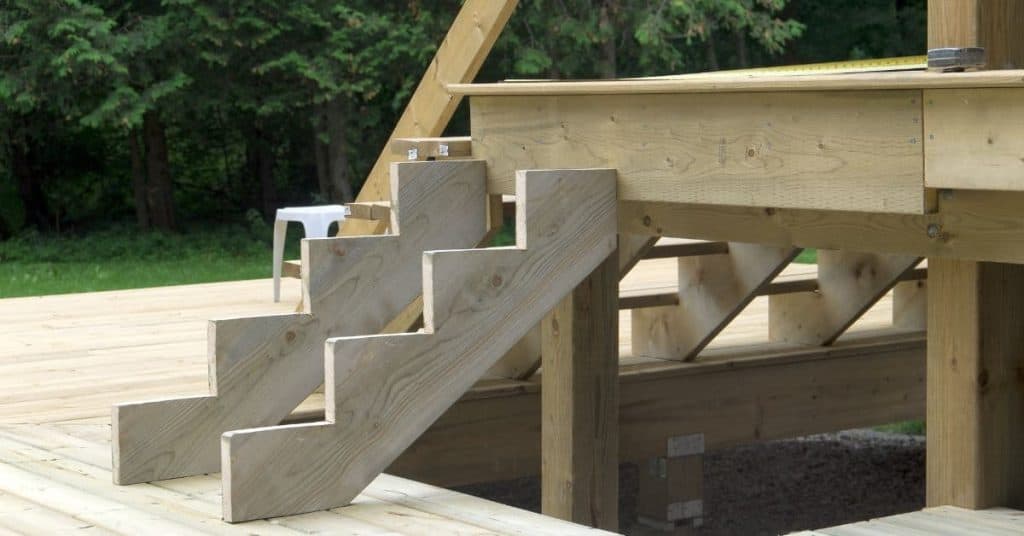
Unfinished wooden stair stringers on raised deck under construction

Deck Paint vs. Porch Paint vs. Floor Enamel: Which One Fails Where and Why

Introduction Deck paint, porch paint, and floor enamel are surface coatings chosen for outdoor decks, porches, and floors. They each have different binders and wear patterns, so they perform best on their intended substrate. Look at the label and instructions to confirm where it’s recommended and what prep is required. Check for recommended cleaners, primers,

Deck Paint vs. Porch Paint vs. Floor Enamel: Which One Fails Where and Why Read More »

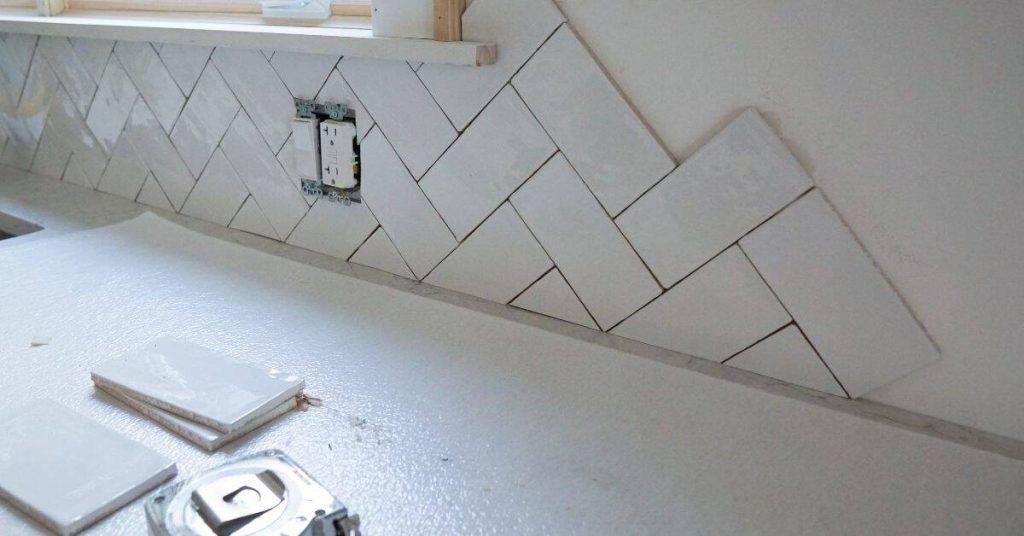
white herringbone tile backsplash partially installed without grout

Best Paint for Tile-Look Backsplashes (When Replacement Isn’t an Option)

Introduction Painting tile-look backsplashes is painting over existing tile to resemble new tile when replacement isn’t possible. This approach keeps the project simple and lets you update color and texture without tearing out walls. Doable for DIYers who are comfortable with prep, basic priming, and a steady hand with brushes or rollers. Start with thorough

Best Paint for Tile-Look Backsplashes (When Replacement Isn’t an Option) Read More »

Row of modern industrial metal building units with large doors

Painting Over Rusty Metal Railings: Rust Converter vs. Full Removal (Decision Guide)

Introduction Painting over rusty metal railings means deciding between rust-conversion sealing or full removal. It covers how to prep the surface, what to expect from each method, and how a DIYer can approach the job safely. This guide keeps things practical and hands-on, without fancy jargon. When choosing, start with surface prep and then compare

Painting Over Rusty Metal Railings: Rust Converter vs. Full Removal (Decision Guide) Read More »

Person painting wooden furniture frame with brush

Painting New MDF: Sealing Fuzzy Edges and Getting a Furniture-Like Finish

Introduction Painting new MDF to seal fuzzy edges and achieve a furniture-like finish means prepping the board, sealing the edges, and applying multiple coats of paint. This is a hands-on, methodical process you can do with basic tools and careful sanding. Start with light sanding and clean dust off the surface. Choose a sealer or

Painting New MDF: Sealing Fuzzy Edges and Getting a Furniture-Like Finish Read More »

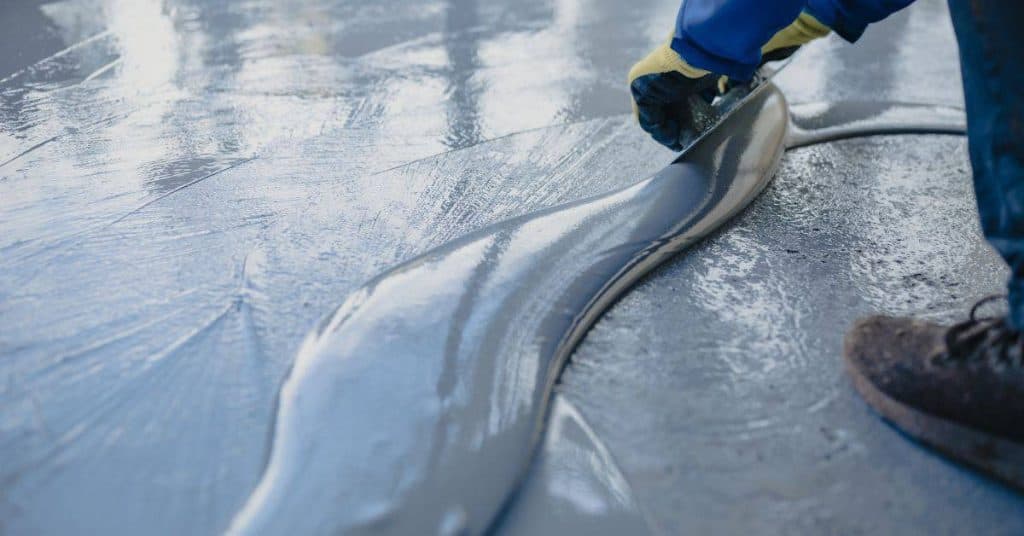
Person applying glossy epoxy coating on concrete floor

Painting Basement Walls Without Trapping Moisture: Mineral Paints vs. Acrylics vs. Epoxy

Introduction Painting basement walls without trapping moisture means choosing a coating and prep method that manages moisture rather than sealing it in. Start by diagnosing the wall condition and cleaning, repairing leaks, and planning ventilation before any paint goes on. Then determine if the wall needs moisture barriers, steps for drying, and whether to apply

Painting Basement Walls Without Trapping Moisture: Mineral Paints vs. Acrylics vs. Epoxy Read More »

Concrete formwork with exposed rebar anchors in dirt

Post Base Anchors in Concrete: Edge Distance, Embedment, and Common DIY Mistakes

Introduction Post base anchors in concrete are hardware that fastens wooden posts to a concrete foundation to transfer load safely. They rely on proper edge distance and embedment to perform as intended. Always check the product label, manufacturer instructions, and local rules for any specific requirements. Common DIY mistakes include placing anchors too close to

Post Base Anchors in Concrete: Edge Distance, Embedment, and Common DIY Mistakes Read More »

Unfinished wooden deck frame with exposed joists and vertical posts.

How to Repair Concrete Around a Deck Post Base Without Replacing the Whole Pad

Introduction This article explains how to repair concrete around a deck post base without replacing the whole pad. You’ll start by inspecting for cracks, spalling, or loose sections around the base. Then you’ll plan a simple patching approach using common hand tools and patch material. Identify damage around the post base and note where the

How to Repair Concrete Around a Deck Post Base Without Replacing the Whole Pad Read More »

Concrete panels with varying numbers of small holes on surfaces

How to Patch Pop-Outs in Concrete (Small Conical Holes) So They Don’t Reopen

Introduction A concrete pop-out is a small, conical or bowl-shaped cavity where a piece of aggregate or surrounding mortar has broken away. An isolated, shallow defect in otherwise sound flatwork can usually be patched. The repair lasts only when the cavity is cleaned, shaped as the chosen product requires, filled at the permitted thickness, and

How to Patch Pop-Outs in Concrete (Small Conical Holes) So They Don’t Reopen Read More »