Search Results for: surface prep

Stamped concrete patio with curved edge and garden bed

How to Feather a Concrete Patch Without a Weak Edge (Undercuts and Micro-Overlays)

Introduction Feathering a concrete patch means shaping the edge with undercuts and a micro-overlay so the repair blends with the surrounding slab. It’s about creating a gradual transition, not a hard line or a loaded patch. You’ll want a clean bond, good surface prep, and a plan for the edge quality as you go. This

How to Feather a Concrete Patch Without a Weak Edge (Undercuts and Micro-Overlays) Read More »

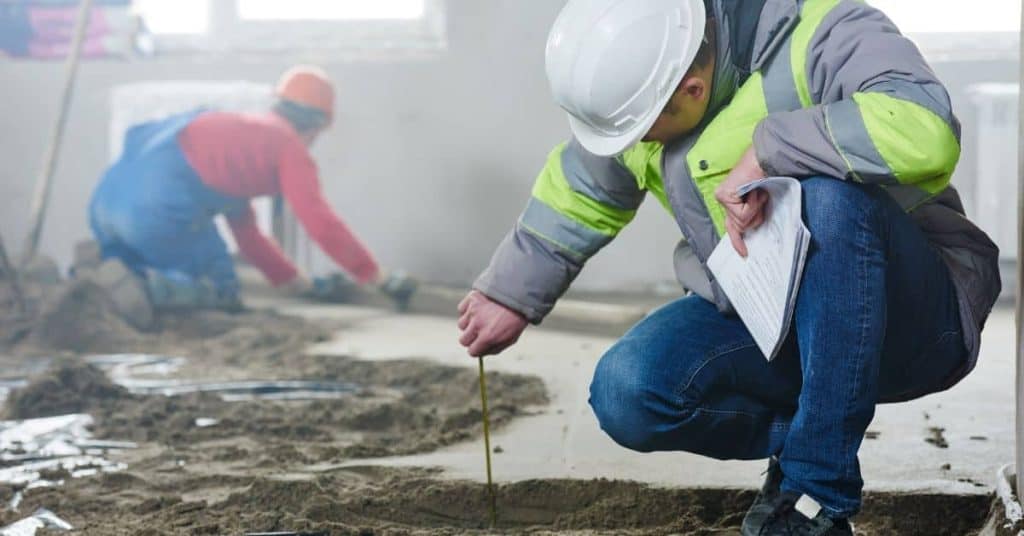
Worker measuring concrete slab with tape measure

Grinding High Spots on a Concrete Slab Safely (Dust Control and Tool Choices)

Introduction Grinding high spots on a concrete slab is the process of leveling protrusions to bring the surface flat and even. High spots can come from uneven finishing, hard trowel lines, or settling, and identifying them requires a simple run-over with a straightedge or level. Work calmly, plan for dust control and choose the right

Grinding High Spots on a Concrete Slab Safely (Dust Control and Tool Choices) Read More »

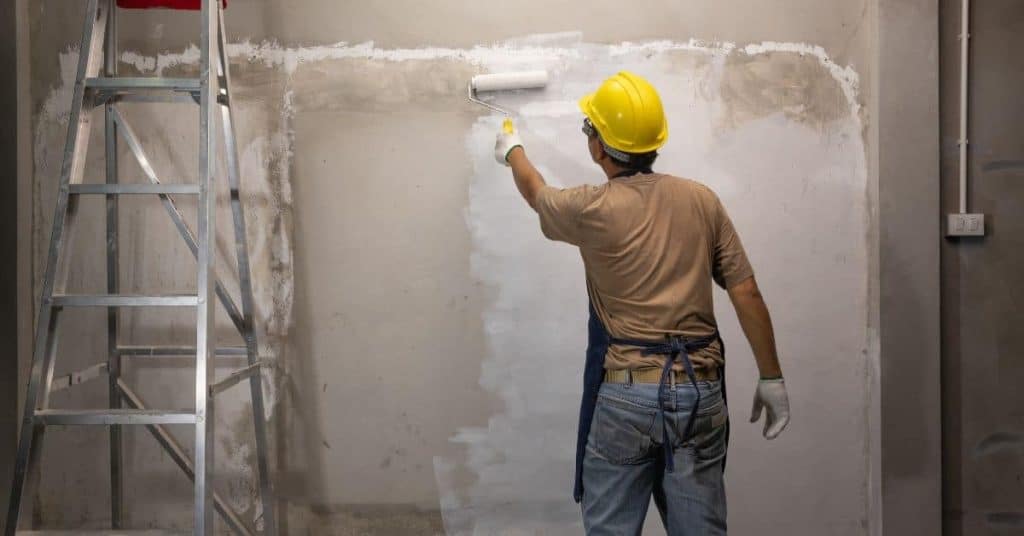
Worker rolling white paint on concrete wall

How to Seal Hairline Cracks Before Painting a Concrete Wall (So They Don’t Print Through)

Introduction Sealing hairline cracks before painting means filling and smoothing tiny cracks in a concrete wall so the paint won’t show through. Start by cleaning the crack and removing dust, then pick a filler recommended for concrete and apply it according to its instructions. Let the filler cure as directed and lightly sand smooth if

How to Seal Hairline Cracks Before Painting a Concrete Wall (So They Don’t Print Through) Read More »

Concrete columns with exposed vertical rebar against sky

Fixing Rust ‘Telegraphing’ Through Concrete Patch Repairs (When Rebar Is Too Close)

Introduction Rust telegraphing through concrete patches happens when corroded rebar pushes outward, showing up as stains, cracks, or rough patches on the surface. This is a sign the patch is not fully sealing the reinforcing and moisture is getting to the steel. In this article we’ll explain what to look for and how to approach

Fixing Rust ‘Telegraphing’ Through Concrete Patch Repairs (When Rebar Is Too Close) Read More »

Fresh concrete pouring onto existing concrete slab

Pouring a Small Concrete Slab Over Existing Concrete: Bonding, Thickness, and Joints

Introduction Pouring a small concrete slab over existing concrete means laying a new concrete layer on top of an existing slab. Before you start, clean and roughen the surface so the new mix can grip. Check the old slab for cracks and moisture and fix obvious issues before pouring. Think about how thick you pour

Pouring a Small Concrete Slab Over Existing Concrete: Bonding, Thickness, and Joints Read More »

Close-up of concrete surface with a patch of spalling damage

Concrete Spalling at Garage Door Thresholds: Why It Happens and How to Rebuild the Edge

Introduction Spalling is when the surface concrete flakes, chips, or peels away at the garage door edge. The damage comes from moisture intrusion, freeze-thaw cycles, or heavy traffic over time. You’ll notice rough edges where the edge of the slab meets the door opening. To rebuild the edge, remove loose material and clean the area

Concrete Spalling at Garage Door Thresholds: Why It Happens and How to Rebuild the Edge Read More »

Worker in protective suit spray painting white wall indoors

Painting Around HVAC Registers and Returns: Clean Edges Without Gummed-Up Grilles

Introduction Painting around HVAC registers and returns means masking and preparing the edges so paint doesn’t bleed into the grilles. Prep the area by removing loose debris and laying down drop cloths, then set up masking to protect the grille openings. Keep grilles clean before you start to help the paint stick and to prevent

Painting Around HVAC Registers and Returns: Clean Edges Without Gummed-Up Grilles Read More »